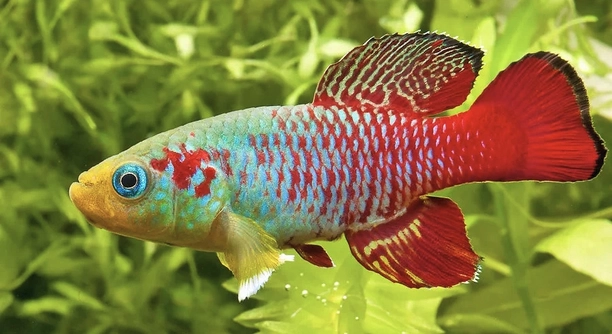
Do Killifish Recognize Their Tankmates?
Have you ever spent time observing your killifish and started to notice certain patterns in how they interact with others in the tank? Killifish are capable of recognizing familiar tankmates through visual and chemical cues. Research shows they display reduced aggression and more stable social behavior toward individuals they have previously encountered. Understanding how killifish … Read more

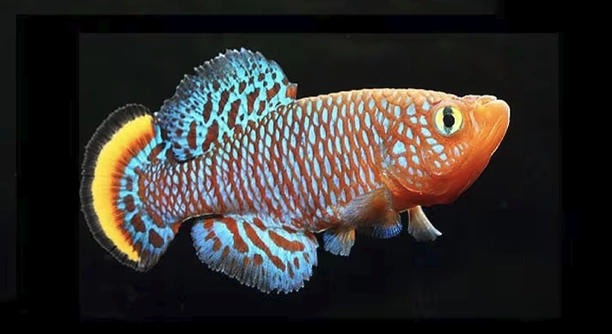
Can You Raise Killis in a Mason Jar?

Raising killifish in small containers has become a popular topic among fish enthusiasts. Many wonder if these delicate fish can thrive in unconventional setups like mason jars. Understanding their needs is important before attempting such a method. Killifish can survive in a mason jar temporarily, but this environment is not suitable for their long-term health … Read more

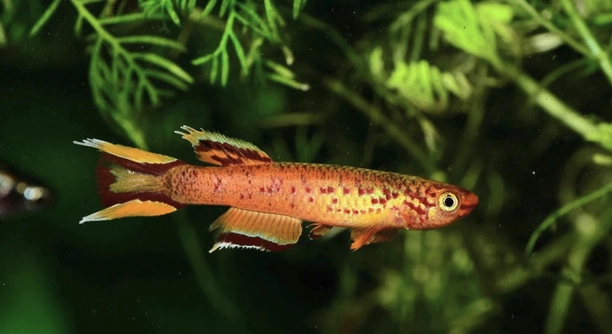
7 Ways to Tell If Killi Eggs Are Fertile

Killi eggs are small and delicate, making it challenging to know if they will hatch successfully. Many hobbyists want to understand the signs of fertile eggs to care for them properly. Identifying fertility early helps in managing breeding effectively. To tell if killi eggs are fertile, look for clear signs such as visible embryos developing … Read more

7 Reasons Killi Fish Stop Laying Eggs

Are your killi fish showing less interest in breeding lately, leaving you wondering what might be causing this sudden change? Killi fish may stop laying eggs due to stress, poor water conditions, improper lighting, lack of mating partners, old age, inadequate diet, or unsuitable breeding setups. Identifying the root cause is essential to encourage healthy … Read more

How to Avoid Aggression in Breeding Killis

Breeding killifish can be a rewarding experience for many hobbyists. However, aggression among breeding pairs or groups can create stress and reduce successful spawning. Managing this behavior carefully is important for a healthy environment. Aggression in breeding killifish often arises from territorial disputes and stress caused by overcrowding or improper tank setup. Providing enough space, … Read more

7 Signs Your Killi Fish Is Unhappy

Keeping killifish healthy and happy requires close attention to their behavior and environment. Many owners may not realize subtle signs that indicate their fish is stressed or unhappy. Recognizing these signs early can improve the well-being of your aquatic pet. Unhappy killifish often show changes in activity, appetite, and coloration. Stress can result from poor … Read more

7 Reasons Killi Fish Are Perfect for Beginners

Killifish are small, colorful fish that many people enjoy keeping at home. Their vibrant appearance and manageable size make them popular among fish enthusiasts. Beginners often look for easy-care fish, and killifish fit well into this category without demanding too much. Killifish are ideal for beginners because they are hardy, require minimal tank maintenance, adapt … Read more

Can You Keep Male Killi Fish Together?

Keeping male killi fish together in a shared aquarium is a topic many hobbyists encounter. These small, colorful fish are known for their lively behavior and unique care requirements. Understanding their social dynamics helps ensure a peaceful environment. Male killi fish generally display territorial and aggressive behaviors toward one another. Housing multiple males together without … Read more

Why Are My Killifish Swimming Sideways?

Is your killifish moving in an unusual way, swimming sideways instead of gliding smoothly through the water as it normally does? The most common reason killifish swim sideways is due to swim bladder issues. This condition often stems from poor water quality, overfeeding, or internal infections that affect their buoyancy and ability to swim properly. … Read more

7 Reasons Your Killis Aren’t Growing Faster

Are your killifish not growing as quickly as you expected? Many hobbyists face this common issue despite providing seemingly good care. Understanding the factors that affect their growth can help you improve their environment and feeding routine. Killifish growth rates are influenced by multiple factors including water quality, diet, tank conditions, genetics, stress levels, and … Read more