
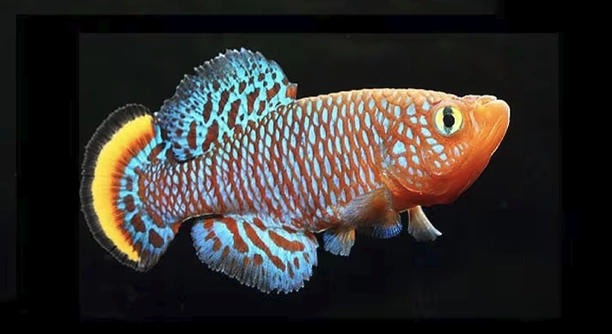
Have you ever spent time observing your killifish and started to notice certain patterns in how they interact with others in the tank?
Killifish are capable of recognizing familiar tankmates through visual and chemical cues. Research shows they display reduced aggression and more stable social behavior toward individuals they have previously encountered.
Understanding how killifish respond to their tankmates can help you improve tank harmony and ensure the well-being of these colorful fish.
How Killifish Identify Tankmates
Killifish rely on sight and smell to recognize others in their tank. Visual recognition plays a strong role, especially in stable environments where lighting and water clarity remain consistent. Studies show that killifish can distinguish individual patterns, coloration, and body movements. They also respond to chemical signals released into the water. These signals help them identify familiar fish, reducing aggressive interactions. When placed back with known tankmates after separation, killifish often show quicker social stabilization compared to interactions with unfamiliar ones. This means they don’t always need to “learn” their companions again from scratch—they remember. The ability to recognize others is especially useful in small community tanks where territory and pecking order matter. A balanced tank gives killifish more comfort and less stress. While they are not known for forming deep social bonds, their awareness of other individuals influences how they interact, behave, and even how much they eat or hide.
Tank harmony can improve when killifish feel familiar with their surroundings, including other fish.
Careful observation reveals how consistent interactions help these fish stay calm and settled. You may notice fewer signs of chasing or hiding once tankmates are recognized.
Signs Your Killifish Recognize Others
Look for changes in body language or patterns in how they swim near familiar fish. These are early signs of recognition.
Killifish often show less aggression when placed near familiar tankmates. You might notice fewer flared fins, short chases, or stressed behavior. This indicates they’ve accepted those fish as part of their regular surroundings. Fish that aren’t recognized may receive more defensive attention. Recognized fish tend to swim closer without triggering defensive displays. You’ll also see changes in feeding behavior—killifish eat more peacefully around fish they know. In breeding pairs or small groups, these cues help reduce stress. Tank layout matters too. A consistent setup supports visual memory. If the tank is frequently changed or overcrowded, it can interfere with these subtle social patterns. Adding or removing fish too often might reset the tank’s dynamics, making it harder for fish to form recognition. Observing your fish daily will help you spot when something shifts, so you can keep the tank peaceful and balanced.
How Environment Affects Recognition
A stable tank environment helps killifish remember their tankmates. Sudden changes in lighting, layout, or water quality may interfere with their ability to identify others, leading to confusion or renewed aggression among individuals they had previously recognized.
Visual recognition works best in clear water with consistent lighting. If tank lighting changes frequently or if water becomes murky, killifish may not be able to rely on visual cues. Chemical signals can still help, but when both senses are disrupted, social behavior becomes less stable. This may cause more defensive displays or avoidance behaviors. Maintaining consistent conditions—such as fixed décor, low current, and limited rearrangement—can support better recognition. Small, gradual changes are less disruptive than major shifts. Over time, a steady environment helps reinforce memory and supports calm interactions. Keeping the tank clean and quiet with minimal changes can help your killifish feel more secure with each other.
Long-term stability supports more peaceful tank dynamics. A consistent setup allows killifish to form and maintain recognition with their tankmates. This leads to fewer stress responses and smoother social behavior. It also encourages natural swimming patterns and normal feeding habits. Avoid overcrowding, sudden décor changes, or sharp fluctuations in temperature or light levels whenever possible.
When Recognition Fails
When recognition fails, killifish may display more territorial or defensive behaviors. This often results in chasing, fin nipping, or excessive hiding. These signs indicate your fish feel unsettled and unsure of who’s sharing the tank with them.
A lack of recognition may be triggered by poor water clarity, strong chemical filters that strip scent cues, or constant rearrangement of the tank. If new fish are added too quickly or if existing tankmates are removed and reintroduced repeatedly, recognition may be interrupted. Overcrowding also makes it hard for killifish to distinguish one individual from another. This causes confusion, leading to unpredictable behavior. Monitoring their actions can help you respond early. If your fish are suddenly acting more aggressive or nervous, check tank conditions and make small adjustments. Give them time to settle before introducing any new individuals. Proper spacing, stable lighting, and clean water all play a part in helping killifish recognize and accept one another over time.
Role of Chemical Cues
Chemical cues in the water help killifish recognize one another, especially in low-visibility tanks. These cues are released naturally and allow the fish to sense familiar individuals even without direct visual contact.
Filters that overly purify water or strong chemical treatments can strip away these scent cues, causing confusion or renewed tension.
Visual Memory in Killifish
Killifish use sight to recognize patterns in their tankmates. They notice color, size, fin shape, and swimming style. This helps them quickly identify familiar fish and respond calmly. A clear tank with good lighting supports this process. If the tank stays consistent, visual recognition grows stronger over time. Sudden changes, like removing or introducing new décor, may disrupt visual memory and lead to defensive behavior. Stable surroundings and moderate tank lighting help reinforce these memories. Even small environmental cues, like a plant’s placement, help killifish map their space and remember others. Their memory is not perfect, but it’s enough to support peaceful interaction.
Final Observations
Peaceful behavior usually means your killifish recognize their tankmates. Watch their movements and interactions to better understand when things feel right—or when something needs to be adjusted.
FAQ
Can killifish form social bonds with specific individuals?
Killifish are not known for forming strong social bonds like some other fish species, but they can become familiar with certain individuals. This familiarity leads to less aggressive behavior, more relaxed swimming, and smoother interactions. In community tanks, you may notice them choosing to swim near specific tankmates more often. This does not mean they form emotional connections, but it shows a level of recognition that helps maintain social order in the tank. When kept with consistent companions, killifish often show better adjustment and fewer signs of stress.
How long does it take for killifish to recognize a tankmate?
Recognition can begin after just a few consistent interactions over several days. The time frame varies depending on the individual fish and the stability of the tank. A calm environment with minimal changes makes it easier for them to remember each other. Constant changes or the frequent addition of new fish may delay or disrupt this process. Some killifish recognize familiar individuals within a week, especially if they share feeding times or territories.
What are signs that a killifish does not recognize another fish?
If a killifish doesn’t recognize a tankmate, it may act more defensive. This includes flaring fins, chasing, or hiding. You may also see them patrolling certain parts of the tank more often. These behaviors signal that the fish feels uncertain or threatened. Frequent displays like these can mean the fish is trying to re-establish boundaries or dominance. This usually happens when unfamiliar fish are added or if the tank is rearranged suddenly.
Can a killifish forget a tankmate?
Yes, killifish can forget tankmates, especially after long separations or major tank changes. Recognition is based on both visual memory and chemical cues. If a fish is removed for treatment or breeding and then returned after several weeks, its tankmates might not respond as calmly. They may need time to re-establish familiarity. Similarly, if the tank environment has changed too much during the absence, it might interfere with memory.
Does tank size affect recognition?
Tank size does play a role. In smaller tanks, killifish have more frequent contact, which helps reinforce recognition. In larger tanks with many hiding spots, fish may not interact often enough to form a consistent memory. Overcrowded tanks can also make it difficult for fish to tell individuals apart, increasing stress and aggression. A well-balanced tank—spacious but not overcrowded—gives them room to form and maintain recognition without constant tension.
Will changing the tank decorations confuse the fish?
Yes, changing tank decorations too often can confuse killifish. They rely on stable surroundings to navigate their space and remember who they share it with. Even minor rearrangements can disrupt their spatial memory. If decorations or hiding spots are moved regularly, it may interrupt their ability to recognize others. This could cause more chasing, hiding, or defensive displays.
Should I quarantine new fish before adding them to a killifish tank?
Yes, quarantining is important. Beyond preventing illness, it gives the new fish time to adjust without overwhelming the existing group. It also allows the established killifish to keep their social balance undisturbed. Introducing fish too quickly can trigger territorial reactions or recognition confusion. A proper quarantine period makes the transition smoother for everyone.
What helps killifish recognize tankmates more easily?
A stable environment, clear water, consistent lighting, and minimal tank changes help a lot. Giving each fish space and maintaining regular feeding routines also supports peaceful behavior. Watching them closely will help you notice when they seem calm and familiar with one another—or when something feels off.
Final Thoughts
Killifish are small but observant creatures. They use both sight and smell to recognize the other fish around them. While they may not form strong social attachments, they do learn who they share their tank with. This recognition helps reduce stress, prevent unnecessary aggression, and keep the tank more balanced. Over time, these fish show fewer defensive behaviors when surrounded by familiar individuals. This makes a calm tank environment easier to maintain and benefits the overall health of each fish. It also helps with feeding routines, since killifish are less likely to compete harshly with fish they recognize.
The tank setup plays a large role in how well killifish can recognize one another. Clear water, stable lighting, and limited changes in layout all help their memory. Chemical cues from the water and consistent visual details make it easier for them to notice who is familiar. Frequent changes, strong chemical filtration, or overcrowding can disrupt their ability to keep track of others. When recognition is lost, behavior changes quickly. You may see chasing, hiding, or signs of tension. These are signs that your fish may be unsure of their surroundings or the individuals nearby. Keeping the tank consistent makes a big difference in how they behave.
Observing your killifish regularly will help you understand their habits and notice when something is off. A peaceful tank where fish swim freely, feed calmly, and avoid unnecessary conflict usually means your fish recognize their tankmates. If behavior shifts suddenly, look at what might have changed—water conditions, lighting, tank decorations, or the addition of new fish. Sometimes, even small changes affect how your fish interact. With careful attention and a steady environment, your killifish can remain calm, healthy, and familiar with one another. This creates a more enjoyable and stable aquarium experience for both you and your fish.

Hello,
If you enjoy the content that we create, please consider saying a "Thank You!" by leaving a tip.
Every little bit helps us continue crafting quality advice that supports the health, happiness, and well-being of pets around the world, for pets of all shapes, sizes, and species.
We really appreciate the kindness and support that you show us!