
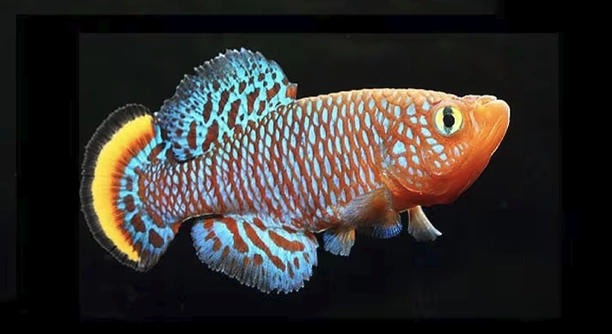
Is your killifish moving in an unusual way, swimming sideways instead of gliding smoothly through the water as it normally does?
The most common reason killifish swim sideways is due to swim bladder issues. This condition often stems from poor water quality, overfeeding, or internal infections that affect their buoyancy and ability to swim properly.
Understanding the signs early can make a big difference in how you support your killifish and maintain a healthier tank environment.
Common Causes of Sideways Swimming in Killifish
Sideways swimming in killifish often points to swim bladder dysfunction, which can be triggered by several common tank issues. Poor water quality, especially ammonia or nitrate buildup, puts stress on the fish’s internal systems. Overfeeding is another frequent cause. When killifish eat too much or consume food that expands in the stomach, it can press against the swim bladder. Constipation or internal bacterial infections may also lead to imbalance. Additionally, rapid changes in water temperature or pH can shock the fish, affecting its orientation and ability to swim properly. Injuries or genetic defects, although less common, should also be considered, especially if the fish has shown irregular swimming from a young age. Consistently checking tank parameters, feeding small, high-quality portions, and observing behavior closely can help prevent many of these causes and support your fish’s health.
Swim bladder stress may also result from gulping air during feeding at the water’s surface, which affects buoyancy.
If your killifish has recently begun swimming sideways, observe feeding habits and check tank water parameters immediately. Catching these changes early makes it easier to correct the underlying issue without long-term effects on your fish’s health.
What You Can Do to Help Your Killifish
Adjust the feeding routine by offering smaller portions and consider fasting the fish for 24–48 hours to ease digestion.
Maintaining a clean and stable environment is the most important step in helping your killifish recover. Begin by testing the water for ammonia, nitrites, nitrates, and pH levels. A partial water change of 25–50% can reduce immediate stress caused by poor water quality. If overfeeding is suspected, pause feeding temporarily and resume with high-fiber foods like daphnia or shelled peas (if accepted by your fish). For swim bladder issues, raising the water temperature slightly—while staying within the species’ comfort range—can help speed up digestion. If an internal infection is suspected, consider using a fish-safe antibacterial treatment after consulting with a specialist or reading reliable fish care resources. Keep the tank quiet, avoid sudden movements, and reduce light to help your killifish feel secure while it recovers.
Preventing Future Swim Issues in Killifish
Keeping your killifish healthy starts with stable water conditions and proper feeding. Test your tank weekly, and avoid overfeeding. Always remove uneaten food to prevent waste buildup and maintain a stress-free environment.
Use a reliable aquarium test kit to monitor ammonia, nitrite, nitrate, and pH levels regularly. Any spikes in these can harm your fish’s internal balance. Stick to a consistent feeding schedule, offering only what your killifish can eat in a couple of minutes. Vary their diet with small live or frozen foods to improve digestion and reduce the chance of constipation. Make sure your tank is cycled and not overcrowded, as this helps keep water conditions stable. Also, use a gentle filter to ensure proper water flow without stressing the fish. When introducing new tank mates or decorations, do it gradually to avoid disrupting your killifish’s established environment and behavior.
Keep the water temperature within a stable range suited to your specific killifish species. Sudden drops or spikes in temperature can lead to stress and increase the chance of swim bladder problems. Use a heater and thermometer to avoid fluctuations. Consider quarantining new fish for at least two weeks before adding them to the main tank, as this can prevent disease from spreading. Watch for any signs of illness like bloating, strange swimming, or color changes. Early treatment often leads to better recovery outcomes. A little consistency in care can go a long way in keeping your fish swimming upright and active.
When to Consider Medical Treatment
If your killifish continues swimming sideways after environmental fixes and diet changes, the issue might be more serious and require medication or professional guidance.
Use antibacterial treatments only when symptoms like bloating, discoloration, or loss of appetite appear along with sideways swimming. Look for products made specifically for fish and always follow dosage instructions carefully. A separate hospital tank is recommended to treat the fish without affecting the rest of the aquarium. This also helps you observe the fish more closely. Some medications can affect your tank’s beneficial bacteria, so isolating treatment is safer for long-term tank balance.
If medications don’t improve the condition after the full course, it may be time to consult an experienced aquarist or a veterinarian specializing in fish care. Persistent sideways swimming with no visible improvements might point to internal organ damage, parasites, or a chronic disorder. A vet can perform diagnostic tests, sometimes even imaging, to determine if the swim bladder is permanently damaged. In such cases, euthanasia may be recommended to prevent suffering. While this can be difficult, it’s important to prioritize your fish’s comfort and well-being. Regular observation and early action help reduce the chances of reaching this point.
Signs That Require Immediate Action
If your killifish is floating uncontrollably, showing signs of bloating, or gasping at the surface, act quickly. These symptoms may indicate a serious problem that can worsen fast without proper care.
When sideways swimming is paired with clamped fins, pale coloring, or refusal to eat, isolate the fish. These changes often signal illness.
How Tank Setup Affects Killifish Health
A poorly maintained tank can cause stress and lead to swim issues. Always use a filter suited for your tank size, and avoid sharp decorations that could injure your fish. Soft plants and smooth substrates are safer. Make sure the tank has a secure lid, as killifish are strong jumpers. Keep lighting moderate and provide hiding spaces to reduce stress. Never use untreated tap water, and dechlorinate before adding it. A stable environment encourages natural behavior and helps prevent many health problems, including buoyancy issues. Regular care and thoughtful setup choices create a space where your killifish can thrive.
Monitor Behavior Daily
Watch how your killifish swims, eats, and interacts. Subtle changes often appear before major health problems do, so daily observation is one of the best tools for early detection.
FAQ
Why is my killifish swimming sideways only after eating?
This usually points to digestive issues. Overfeeding or feeding dry food that expands in the stomach can press on the swim bladder, causing temporary imbalance. Try offering smaller, easier-to-digest meals like thawed frozen daphnia or bloodworms. You can also skip feeding for 24 hours, then continue with smaller portions. If the problem continues, the fish might be dealing with chronic swim bladder trouble or internal inflammation. Keep observing its behavior during and after feeding to catch patterns early. Make sure the tank temperature is stable, as this also affects digestion and buoyancy.
Can poor water quality really cause sideways swimming?
Yes. Dirty water with high ammonia, nitrites, or nitrates can weaken a killifish’s immune system and affect internal organs, including the swim bladder. Even mild spikes in levels can be harmful over time. It’s important to check your water parameters weekly using a liquid test kit. Do not rely solely on water clarity, as harmful chemicals are invisible. When levels are off, do a partial water change and make sure the filter is working properly. Clean filters monthly, but never wash them in tap water since that kills beneficial bacteria needed for healthy cycling.
How long should I fast my killifish if it’s swimming sideways?
Fasting for 24 to 48 hours is usually enough to help with minor digestion issues. During this time, observe the fish closely to see if its swimming improves. If it does, reintroduce food in very small amounts, and choose fiber-rich items like daphnia or shelled peas (only if your fish accepts them). Avoid dry flakes or pellets for a few days. If fasting doesn’t help after 48 hours, consider checking water conditions and look for other signs like bloating or lethargy, which could point to a more serious internal problem.
Should I separate a killifish that’s swimming abnormally?
Yes, separating the affected killifish into a hospital tank is a good idea if symptoms persist for more than a day. It allows for careful monitoring, keeps the main tank stable, and prevents stress on other fish. A quiet hospital tank makes it easier to treat the fish with medication if needed. Make sure the water in the hospital tank is properly conditioned and warmed to the same temperature as the main tank to avoid added stress. Keep lighting low and avoid sudden movements around the tank during this time.
What kind of medication can I use for swim bladder issues?
There isn’t a specific “swim bladder medication,” but antibacterial treatments often help if an infection is involved. Look for products labeled for internal bacterial infections, such as those containing kanamycin or erythromycin. Always follow dosing instructions carefully. Medications should be used in a hospital tank when possible, as they can harm beneficial bacteria in your main tank. Do not treat unless you’re sure there are symptoms of infection like bloating, red streaks, or white stringy feces. If you’re unsure, it’s better to focus on water quality and nutrition first.
Can sideways swimming be a permanent condition?
Yes, in some cases it can be permanent, especially if the swim bladder is physically damaged or deformed. Some fish are born with swim bladder deformities that show up as they age. If the fish can still eat and move without suffering, it may live a normal life with some adjustments to the tank setup, like lowering water levels or reducing current. However, if the fish shows signs of distress, struggles to stay upright, or can’t feed, euthanasia may be the kindest option. Always assess quality of life when making long-term decisions.
Is sideways swimming always a sign of illness?
Not always. Some fish may briefly tilt or float oddly during rest or after a quick turn. If it happens rarely and the fish quickly returns to normal, it’s likely nothing serious. However, if the behavior becomes frequent or is paired with other symptoms like lack of appetite or color changes, it’s worth investigating. Keep an eye on patterns, especially after feeding or water changes. It’s better to act early if anything seems off. Regular checks of tank conditions, diet, and fish activity will help you catch problems before they become serious.
Final Thoughts
Sideways swimming in killifish is often a sign that something isn’t right, but in many cases, it can be managed with simple care steps. Water quality plays a major role in your fish’s health, so regular testing and maintenance are key. Poor water conditions can lead to stress, illness, and internal problems that affect how your fish swims. By checking ammonia, nitrite, nitrate, and pH levels weekly, you can catch problems early and avoid more serious issues. A clean, stable tank environment supports your killifish’s health and helps prevent common problems like swim bladder trouble.
Feeding is another important part of care. Overfeeding, or feeding food that expands in the stomach, can press on your fish’s internal organs and lead to sideways swimming. Stick to small, measured portions and include foods that are easy to digest. If you notice strange swimming after feeding, try fasting your killifish for a day or two before reintroducing gentle, high-fiber foods. Watch for signs of improvement, and if needed, make changes to the type or amount of food you offer. Keeping a routine and observing your fish daily makes it easier to notice any small changes before they grow into larger problems.
Not all sideways swimming means something is seriously wrong, but it should always be taken seriously. If the issue doesn’t go away after correcting water and diet, or if your fish shows other signs like bloating, clamped fins, or loss of appetite, it may need medical treatment. In some cases, permanent swim bladder damage can’t be reversed, but the fish may still live comfortably with adjustments to the tank. Always focus on creating a peaceful, safe space for your fish, and be prepared to act quickly when something seems off. With patience, routine care, and attention to small details, most killifish can stay healthy and active in their home tank.

Hello,
If you enjoy the content that we create, please consider saying a "Thank You!" by leaving a tip.
Every little bit helps us continue crafting quality advice that supports the health, happiness, and well-being of pets around the world, for pets of all shapes, sizes, and species.
We really appreciate the kindness and support that you show us!