
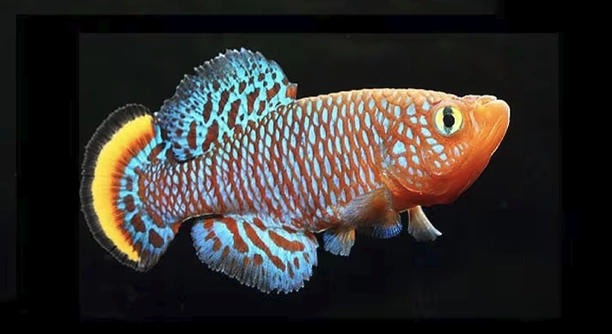
Killifish are small, colorful fish that many people enjoy keeping at home. Their vibrant appearance and manageable size make them popular among fish enthusiasts. Beginners often look for easy-care fish, and killifish fit well into this category without demanding too much.
Killifish are ideal for beginners because they are hardy, require minimal tank maintenance, adapt well to various water conditions, and have simple dietary needs. Their resilience and ease of care contribute to a successful and enjoyable fishkeeping experience.
Learning more about killifish care can help new hobbyists feel confident in starting their aquarium journey with these charming fish.
Easy to Care For
Killifish are well known for being low-maintenance pets. They don’t require complicated setups or constant attention. A basic tank with clean water and regular feeding is enough to keep them healthy. They thrive in a variety of water conditions, so you don’t have to worry about perfect pH levels or temperature ranges. Their food is simple, too — most killifish will eat common flakes, pellets, or frozen foods without fuss. Because they are hardy, they tolerate minor mistakes, which is helpful for beginners still learning how to care for fish. This ease of care makes killifish a reliable choice for those starting out and wanting an enjoyable experience without overwhelming challenges. Overall, they offer an accessible way to learn about aquarium keeping while still adding color and life to a home.
Killifish’s adaptability means you don’t have to invest heavily in expensive equipment.
Many beginner fish owners worry about tank conditions, but killifish are forgiving. This means you can focus more on observing their behavior and less on constantly adjusting their environment. Their hardy nature also reduces stress around tank maintenance, making fishkeeping more relaxing and rewarding.
Small Size and Colorful Appearance
Killifish are small, usually just a few inches long, making them perfect for smaller tanks. Their vibrant colors and unique patterns add visual interest without needing a large space. This means you can enjoy an attractive aquarium even if you don’t have a lot of room. Because of their size, killifish don’t require large amounts of food or water, which keeps care simple and cost-effective. Their bright colors make it easy to spot any health changes early, allowing you to act quickly. This helps ensure they stay healthy and happy. Many beginners find that killifish’s combination of size and color keeps them engaged and motivated to maintain their tank.
Small tanks with killifish are ideal for apartments or desks.
The vibrant hues of killifish make them stand out, brightening up small spaces. Their colors range from shimmering blues to fiery reds, offering a variety of choices. This makes them a visually appealing addition without needing a large investment in space or money. With proper care, their colors stay vivid, which adds satisfaction for those new to fishkeeping.
Peaceful Temperament
Killifish are generally peaceful fish that coexist well with others of similar size. They rarely show aggression, making them good companions in community tanks.
Their calm nature means they are less likely to stress out or injure other fish. This is important for beginners who may not have experience managing aggressive species. Killifish also appreciate having hiding spots, which helps reduce stress and promotes natural behavior. Keeping them in a peaceful environment allows them to thrive and display their best colors and activity levels.
For new fishkeepers, this peaceful temperament simplifies tank management. It reduces the need for constant monitoring or separating fish. As a result, maintaining a harmonious aquarium becomes easier and more enjoyable.
Short Lifespan and Easy Breeding
Killifish typically live between one and three years, depending on the species. Their shorter lifespan means less long-term commitment but allows frequent opportunities to observe their life cycle.
Breeding killifish is surprisingly straightforward, even for beginners. Many species lay eggs in the substrate or on plants, which can be easily collected and incubated. Some killifish eggs require a dry period before hatching, which is a unique feature but manageable with basic care. Breeding can be rewarding, providing insight into fish reproduction and allowing hobbyists to raise their own fry. It also helps new fishkeepers develop confidence in handling different aspects of aquarium care, including water changes and feeding routines.
Variety of Species
Killifish come in many species, each with unique colors and patterns. This variety allows beginners to choose fish that fit their personal preferences and tank size.
Many species are small and easy to care for, while others offer striking colors that brighten any aquarium.
Affordable and Accessible
Killifish are generally affordable and easy to find at pet stores or online. Their low cost makes them a good choice for beginners starting without a large budget.
Their availability also means replacement or expansion is simple, supporting a smooth start to fishkeeping.
Active and Interesting Behavior
Killifish are lively swimmers who often explore their surroundings. Their active nature makes watching them engaging and enjoyable.
This behavior adds a dynamic element to any tank and encourages regular observation, helping beginners learn about fish care.
Compact Tank Needs
Killifish do not need large tanks, making them suitable for small spaces. A well-maintained 10-gallon tank is usually enough for a small group.
This compact requirement reduces costs and space concerns for new fish owners.
FAQ
How often should I feed my killifish?
Killifish should be fed once or twice a day with small amounts of food they can finish in a few minutes. Overfeeding can lead to water quality issues, so it’s best to give only what they can eat quickly. A balanced diet of flakes, pellets, and occasional frozen or live foods works well.
Can killifish live with other fish?
Yes, killifish generally do well with peaceful species of similar size. Avoid aggressive or much larger fish, as they can stress or harm killifish. It’s important to provide plenty of hiding places to reduce any territorial behavior and keep the tank environment calm.
What water conditions do killifish prefer?
Killifish are adaptable but do best in clean, well-filtered water with temperatures between 68-75°F (20-24°C). They tolerate a range of pH levels, typically from 6.0 to 7.5. Regular water changes help maintain good water quality and keep them healthy.
How big should the tank be for killifish?
A 10-gallon tank is usually enough for a small group of killifish. Because of their small size, they don’t need a large tank, which is great for limited spaces. However, having some plants or decorations for hiding spots improves their comfort.
Do killifish need special lighting?
Standard aquarium lighting is sufficient for killifish. They don’t require intense lighting, but moderate light helps show off their colors and supports any live plants you may have in the tank. Avoid overly bright lights to reduce stress.
How do I breed killifish?
Breeding killifish involves providing a suitable environment, usually with spawning mops or plants where they can lay eggs. Some species’ eggs need to be collected and dried briefly before hatching. It’s helpful to research the specific species to understand their breeding needs.
Are killifish sensitive to changes in water?
Killifish are fairly hardy but sudden changes in water parameters should be avoided. Gradual changes during water changes or when introducing new fish help keep stress levels low and maintain their health.
What signs show a killifish is sick?
Common signs include loss of color, clamped fins, lethargy, or loss of appetite. White spots or unusual marks may indicate disease. Early detection and maintaining good water quality are key to treatment and recovery.
How long do killifish typically live?
Most killifish live between one to three years depending on the species and care. Their lifespan is shorter than some other aquarium fish but can be fulfilling due to their interesting behavior and easy care.
Can killifish jump out of the tank?
Yes, killifish can jump, especially when startled. It’s important to have a secure lid on the aquarium to prevent escapes and injuries.
Is it necessary to use a heater for killifish?
In most cases, a heater is recommended to keep the water temperature stable within their preferred range. This is especially important in cooler climates or during colder seasons to avoid temperature fluctuations that can stress the fish.
What do killifish eat in the wild?
In the wild, killifish mostly eat small insects, larvae, and other tiny invertebrates. Replicating this diet in captivity with live or frozen foods can improve their health and color, although many will accept high-quality prepared foods.
Killifish offer a great option for anyone starting out with fishkeeping. Their small size, vibrant colors, and peaceful nature make them easy to care for and enjoyable to watch. Because they adapt well to different water conditions and don’t need complicated setups, they reduce many common challenges new fish owners face. This makes maintaining an aquarium less stressful and more rewarding, especially for those who want to learn without a lot of pressure. Their simple dietary needs and hardiness also add to the convenience, helping beginners feel confident in their ability to provide proper care.
Another reason killifish are well suited for beginners is their interesting behavior and variety. They are active swimmers, which adds life to any tank. Watching them explore, hunt for food, or interact calmly with other fish can be satisfying and encouraging for new fishkeepers. The wide range of species allows people to select fish that fit their personal taste and tank space. Whether you want bright colors or subtle patterns, there is a killifish to match your preferences. Their manageable size means they can be kept in smaller tanks, making them suitable for homes with limited space.
Finally, killifish provide a balanced experience between ease and engagement. While they don’t require complex care routines, they still offer opportunities to learn about aquarium maintenance, breeding, and fish behavior. Their shorter lifespan means beginners can practice care skills without a long-term commitment, which may feel less overwhelming. Overall, killifish are a practical and enjoyable choice that helps build a solid foundation for more advanced fishkeeping later on. For those looking for a straightforward, colorful, and peaceful pet fish, killifish are an excellent option to consider.

Hello,
If you enjoy the content that we create, please consider saying a "Thank You!" by leaving a tip.
Every little bit helps us continue crafting quality advice that supports the health, happiness, and well-being of pets around the world, for pets of all shapes, sizes, and species.
We really appreciate the kindness and support that you show us!