
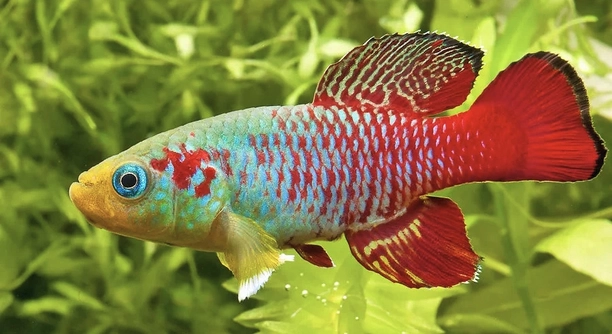
Keeping male killi fish together in a shared aquarium is a topic many hobbyists encounter. These small, colorful fish are known for their lively behavior and unique care requirements. Understanding their social dynamics helps ensure a peaceful environment.
Male killi fish generally display territorial and aggressive behaviors toward one another. Housing multiple males together without sufficient space or hiding spots often leads to stress and conflict. Proper tank setup and monitoring are essential to minimize aggression and promote coexistence.
Knowing how to manage their interactions will improve your success in maintaining a balanced community tank. The following information will guide you through practical steps for housing male killi fish safely.
Understanding Male Killi Fish Behavior
Male killi fish are naturally territorial, especially when housed together. They use bright colors and quick movements to assert dominance. This behavior can cause frequent chasing, nipping, and stress if the tank is too small or lacks enough hiding spaces. Aggression is strongest during breeding seasons, but it can happen anytime males feel threatened or crowded. Proper space and environment help reduce conflicts by allowing males to establish their own territories without constant clashes. Providing plants, rocks, and decorations creates visual barriers and safe spots. This setup helps males feel less exposed and less likely to attack each other. Observing their behavior regularly can help identify early signs of aggression and stress. Adjustments in tank conditions or separating particularly aggressive fish can prevent harm. Understanding these traits is key to keeping male killi fish healthy and balanced in a shared tank.
Male killi fish aggression is manageable with space, hiding spots, and proper observation.
Creating an environment that respects the natural territorial instincts of male killi fish is essential. Larger tanks provide room for individual territories, which reduces confrontations. Introducing plenty of plants and decor breaks lines of sight, so males do not feel constantly challenged. Regular tank maintenance and monitoring water quality also reduce stress, which can worsen aggressive behaviors. If aggression escalates, separating the most aggressive males or switching to a species-only tank can be necessary. Feeding a varied diet keeps males healthy, supporting their overall well-being. Combining these strategies increases the chances that male killi fish can live together peacefully for longer periods.
Tank Setup for Male Killi Fish
Male killi fish need at least 10 gallons of space per fish to reduce aggression. A tank with dense vegetation and hiding spots is ideal for this species.
A larger tank with visual barriers significantly reduces male aggression by providing personal territories and retreat areas.
When setting up a tank for multiple male killi fish, focus on space and complexity. A minimum of 10 gallons per male offers enough room for establishing territories without overcrowding. Dense planting with live or artificial plants creates natural hiding spots. Adding rocks and driftwood also helps break up the line of sight and makes the environment more stimulating. Using floating plants can diffuse light and provide extra cover, which lowers stress levels. Regular water changes and stable conditions contribute to their health, making them less prone to aggressive outbursts. Avoid placing males in bare tanks or small bowls, as this will likely increase fighting. It is important to balance the number of males with the tank size and setup to promote harmony and reduce conflicts.
Feeding and Nutrition for Male Killi Fish
Male killi fish thrive on a varied diet that includes live, frozen, and high-quality flake foods. Regular feeding supports their energy and vibrant coloration.
A balanced diet is crucial for male killi fish to maintain health and reduce aggression. Live foods such as brine shrimp and daphnia encourage natural hunting behaviors and provide essential nutrients. Frozen options are convenient alternatives that still offer good nutrition. Supplementing with high-quality flake or pellet foods helps fill dietary gaps. Overfeeding should be avoided, as excess food can foul water and stress the fish. Feeding small amounts two to three times daily keeps males active without overwhelming the tank’s filtration system. Observing their eating habits also helps spot early signs of illness or stress, allowing timely care.
Consistency in feeding routines supports the fish’s well-being. Offering a variety of foods mimics their natural diet and encourages natural behaviors. Proper nutrition strengthens immune systems and reduces the likelihood of conflict caused by hunger or competition.
Monitoring and Managing Aggression
Aggression between male killi fish can be subtle or intense and must be closely observed. Early intervention prevents injury and stress.
Regular tank checks are essential to identify aggressive behaviors early. Look for signs like chasing, fin nipping, or constant hiding. Introducing new males slowly can reduce conflicts, giving existing fish time to adjust. If aggression escalates, separating the most aggressive individuals is necessary to protect others. Providing enough space and environmental complexity also helps minimize disputes. Adjusting lighting and feeding schedules can calm overly active males. Documenting behavior patterns allows for better management decisions and improves long-term tank harmony.
Using tank dividers temporarily or permanently is a practical way to reduce aggression without removing fish. These barriers let males coexist in the same environment while avoiding physical contact. This method supports mental stimulation and keeps the social structure intact.
Signs of Stress in Male Killi Fish
Male killi fish under stress may become lethargic or hide more than usual. Changes in color or torn fins can also indicate trouble.
Stress can reduce their immune response, making them more vulnerable to illness. Early detection of these signs helps prevent serious health problems.
Preventing Stressful Conditions
Maintaining stable water parameters is key to preventing stress. Frequent water changes and proper filtration keep the tank environment healthy.
Avoid overcrowding and sudden changes in temperature or lighting to keep males calm. A well-planned tank reduces triggers for stress and aggression.
Separating Aggressive Males
Separating highly aggressive males prevents injury and maintains peace in the tank. Temporary barriers or separate tanks work well.
This approach protects all fish while giving aggressive males a chance to calm down and reduce tension in the community.
Ideal Tank Size for Multiple Males
A 20-gallon tank or larger is recommended when housing several male killi fish together. This size offers enough space for territories to develop and reduces direct confrontations.
FAQ
Can male killi fish live peacefully together?
Male killi fish can live together, but it requires careful management. They are naturally territorial and may show aggression if space is limited or hiding places are scarce. Providing a large tank with plenty of plants and decorations helps reduce conflicts. Close monitoring is necessary to ensure no fish is injured or overly stressed.
How much space do male killi fish need?
Each male killi fish should have at least 10 gallons of water. This amount of space allows them to establish personal territories, which decreases fighting. In smaller tanks, males are more likely to chase and nip at each other, increasing stress and injury risks.
What causes aggression among male killi fish?
Aggression mainly stems from territorial instincts and competition for dominance. Males use bright colors and displays to intimidate rivals. Overcrowding, lack of hiding spots, and poor tank conditions make aggression worse. Stress and hunger can also increase aggressive behavior.
How can I reduce aggression in male killi fish?
Provide a spacious tank with many plants, rocks, and decorations to break lines of sight. Feeding a varied diet regularly keeps fish healthy and less likely to fight. Separating overly aggressive males or using tank dividers can help maintain peace. Maintaining stable water conditions also reduces stress-driven aggression.
Should I separate males during breeding season?
Yes, breeding season usually heightens aggression. Separating males or increasing tank size and hiding places during this time can prevent fights. Some hobbyists keep only one male per tank during breeding to avoid injury.
What are the signs of aggression to watch for?
Watch for chasing, biting, torn fins, and constant hiding. Changes in color or sudden lethargy can indicate stress caused by aggression. Early detection allows for quick intervention to protect fish health.
Is it okay to keep females with males to reduce aggression?
Adding females can sometimes reduce male aggression by distributing attention, but it depends on tank size and population balance. Overcrowding or too many males can still cause problems. Always observe interactions closely and adjust tank mates as needed.
How often should I feed male killi fish?
Feed small amounts two to three times daily. Use live, frozen, or high-quality flake foods to provide variety and proper nutrition. Avoid overfeeding to prevent water quality issues, which can increase stress and aggression.
Can tank size alone stop male aggression?
Tank size is important but not the only factor. A large tank without adequate hiding spots or proper care can still result in fighting. Combining space, environment complexity, and good feeding habits is essential for reducing aggression.
What should I do if aggression gets out of control?
If fights cause injuries or stress, separate the most aggressive males immediately. Use temporary dividers or move them to separate tanks. Regularly reassess tank conditions and consider reducing the number of males if needed.
Can male killi fish be kept with other species?
Male killi fish can sometimes be kept with peaceful tank mates that do not resemble them or compete for territory. Choose species that thrive in similar water conditions and monitor interactions carefully to avoid bullying or stress.
How do I maintain water quality for male killi fish?
Perform regular water changes, use a reliable filtration system, and test water parameters frequently. Stable temperature, pH, and cleanliness support fish health and reduce stress, which helps minimize aggression.
Is it normal for male killi fish to display bright colors?
Yes, bright coloration is natural, especially in males showing dominance or during mating displays. Healthy fish usually have vibrant colors, so dullness may indicate stress or illness.
Can hiding spots completely stop aggression?
Hiding spots help but do not completely eliminate aggression. They allow fish to retreat and reduce direct contact, but territorial instincts remain. A combination of hiding places, tank size, and management strategies is necessary.
What equipment is best for a male killi fish tank?
Use a filter that provides gentle water flow, as strong currents can stress killi fish. A heater to maintain stable temperature is important, along with good lighting to support plants. Decorations should be safe, smooth, and offer plenty of cover.
How often should I check on my male killi fish?
Daily observation is ideal to catch signs of aggression, stress, or illness early. Quick action helps prevent serious problems and keeps the tank environment stable and healthy.
Keeping male killi fish together requires attention to their natural behaviors and careful tank management. These fish are territorial by nature, which means they may not always get along when housed in the same aquarium. The key to success is providing enough space and a well-structured environment with plenty of hiding places. This helps males establish their own territories and reduces direct confrontations. Monitoring their interactions regularly can help identify any problems early and allow for timely adjustments to the tank setup or fish arrangement.
A well-planned tank setup goes a long way in minimizing aggression among male killi fish. Using a larger tank with dense vegetation and decorations breaks up the line of sight and provides safe spots where fish can retreat if needed. Feeding a balanced diet and maintaining stable water conditions support their health and reduce stress, which also plays a role in aggressive behavior. If fights do happen, separating the most aggressive individuals quickly helps protect all fish and keeps the community peaceful. Some hobbyists also use tank dividers to allow males to live in the same tank without direct contact.
Overall, keeping male killi fish together is possible but requires effort and careful observation. Understanding their territorial nature and providing a suitable environment are essential. With enough space, proper feeding, and thoughtful tank design, male killi fish can coexist more peacefully. Regular monitoring and timely interventions are important to prevent injury and stress. Following these guidelines can create a healthier, more balanced aquarium where these colorful fish can thrive together.

Hello,
If you enjoy the content that we create, please consider saying a "Thank You!" by leaving a tip.
Every little bit helps us continue crafting quality advice that supports the health, happiness, and well-being of pets around the world, for pets of all shapes, sizes, and species.
We really appreciate the kindness and support that you show us!