Why Rasbora Might Linger Over Open Areas
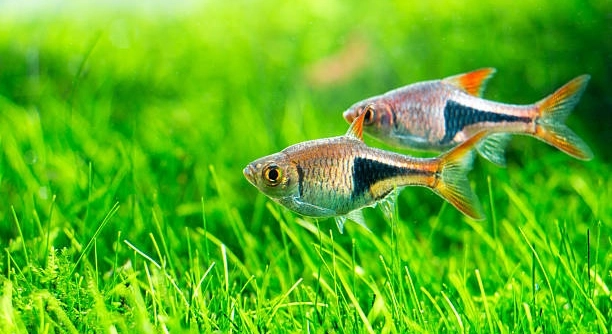
Rasboras are small freshwater fish often seen in home aquariums. They usually prefer places with plants and hiding spots. Yet, sometimes they spend time swimming openly in the tank’s clear areas, which seems unusual for such shy fish. Rasboras may linger over open areas due to factors like water quality, feeding habits, or social behavior. … Read more

How to Tell If Your Rasbora Likes You

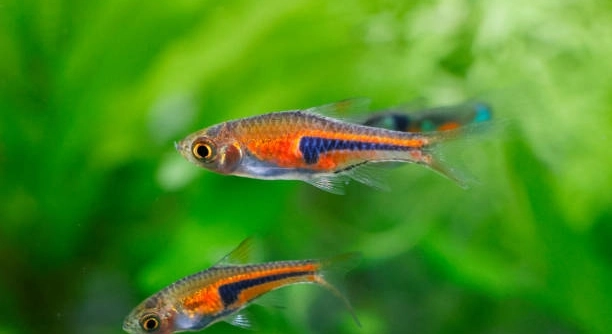
Are your rasboras more than just colorful additions to your aquarium? Many fish owners wonder if their small pets show signs of attachment or recognition. Understanding these subtle behaviors can enrich the bond you share with your aquatic friends. Rasboras express their liking through consistent swimming near you, increased activity during your presence, and following … Read more

Can Rasbora Get Parasites? (Yes, Here’s Help)

Have you ever noticed your rasboras acting strange and started to worry something might be wrong with them? These small fish are popular in home aquariums, but they’re not immune to health problems, including parasites. Yes, rasboras can get parasites. These may include internal worms, protozoa, or external parasites like ich. These infections often stem … Read more

Why Rasbora Might School Tighter Than Usual

Rasboras often swim in groups, creating a lively and coordinated display in aquariums. Their schooling behavior can change depending on their environment and social cues. Observing their patterns offers insights into their natural instincts and needs. Rasboras school tighter than usual primarily due to stress, environmental changes, or perceived threats. These factors trigger a survival … Read more

7 Reasons Rasbora Seem More Active at Dusk

Have you ever noticed your rasboras swimming with extra energy as the sun begins to set? This behavior often catches the attention of aquarium keepers who are used to their calm daytime rhythm. Rasboras seem more active at dusk primarily due to their natural crepuscular tendencies, meaning they are biologically wired to be most alert … Read more

7 Clues Your Rasbora Isn’t Happy Anymore

Do you ever find yourself watching your rasbora and wondering if something might be off about its usual energy or behavior? Rasboras often show signs of distress through changes in swimming patterns, coloration, and appetite. These subtle shifts are key indicators that your fish may no longer be comfortable in its environment. Spotting the early … Read more

7 Signs Rasbora Are Becoming More Confident

Rasboras are small, peaceful fish often kept in home aquariums. Watching their behavior can tell you a lot about how comfortable they feel in their environment. Recognizing their signs of confidence helps ensure they thrive. Rasboras show confidence through increased activity, bolder swimming patterns, and less hiding. They may explore new areas, interact with tank … Read more

7 Steps to Observe Natural Rasbora Patterns

Observing natural rasbora patterns offers insight into their behavior and environment. Understanding these small fish can enhance your appreciation of aquatic life. This article outlines simple steps to help you recognize and record their natural activities clearly. Careful observation of rasbora involves noting their movement, feeding habits, and interaction within their habitat. Consistent monitoring at … Read more

7 Clues That Rasbora Are Growing in Confidence

Rasboras are small, lively fish that many enjoy keeping in home aquariums. Watching them grow and adjust to their environment is rewarding. Their changing behavior often shows how comfortable and confident they feel in their tank. Rasboras growing in confidence display clear signs such as increased activity, exploring new areas, social interactions, and bold feeding … Read more

7 Ways Rasbora Use Light and Shadow

Rasboras are small, colorful fish often found in freshwater aquariums. They live in environments where light and shadow play an important role. These fish use light and shadow in several ways to navigate, feed, and protect themselves. Rasboras utilize light and shadow to regulate their behavior, enhance camouflage, communicate with others, and avoid predators. These … Read more