
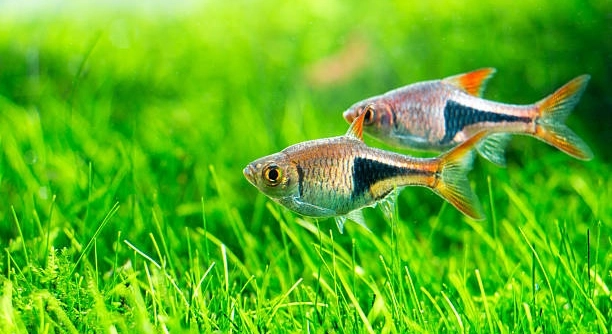
Rasboras are small freshwater fish often seen in home aquariums. They usually prefer places with plants and hiding spots. Yet, sometimes they spend time swimming openly in the tank’s clear areas, which seems unusual for such shy fish.
Rasboras may linger over open areas due to factors like water quality, feeding habits, or social behavior. Open spaces allow easier movement and better access to food, while environmental conditions and group dynamics influence their positioning within the tank.
Understanding why rasboras behave this way can help aquarium owners create a better environment for these fish and improve their overall well-being.
Environmental Factors Influencing Rasbora Behavior
Water temperature, lighting, and tank layout all play important roles in where rasboras choose to spend their time. When the water temperature is ideal, usually between 72 and 79°F, rasboras feel comfortable swimming in more open areas. Bright lighting can encourage them to stay near the surface or open spaces where food is more visible. However, if the lighting is too harsh, they may retreat to shaded spots. Tank decorations and plants create hiding places, but open water gives them room to swim freely and avoid feeling crowded. Clean water with good oxygen levels also supports active swimming in open zones. When these conditions are balanced, rasboras tend to explore and linger over open parts of the aquarium more confidently.
Good water quality and appropriate lighting can encourage rasboras to be more visible and active in open areas of the tank.
By adjusting tank conditions like temperature, light intensity, and decoration placement, you can influence rasbora movement and behavior. These fish appreciate a mix of sheltered spots and open swimming space. Open areas let them stay alert and quickly escape if needed. Proper oxygenation and regular water changes keep them healthy, supporting their natural swimming patterns. Observing their habits closely will help you make small changes that create a comfortable environment where they feel safe yet free to swim openly.
Social and Feeding Behaviors of Rasboras
Rasboras are schooling fish, so their behavior often depends on the group’s activity.
Feeding time is a key reason they move to open spaces. When food is dropped into the water, they gather quickly in open areas to compete for it. This behavior is natural and helps them feed more efficiently as a group. Outside of feeding, their social bonds keep them close, and open areas provide better visibility to monitor each other. When they feel secure, they are less likely to hide and more willing to swim freely. Watching how they interact during feeding and rest times reveals a lot about their comfort level and social dynamics. Understanding this can help you manage feeding routines and tank setup to keep rasboras active and healthy.
Predators and Safety in Open Areas
Rasboras often stay near open areas when they feel safe from predators. In well-maintained tanks without aggressive fish, they are more relaxed. This safety encourages them to explore and linger in spaces that might otherwise feel risky.
When predators are present, rasboras tend to stick close to plants or decorations for cover. Without threats, open water becomes a preferred zone for swimming and socializing. Tank mates that are peaceful help rasboras feel comfortable moving around freely. Maintaining a calm environment reduces stress and encourages natural behavior, including spending time over open areas.
Open areas also allow rasboras to spot danger early and escape quickly. Their quick swimming ability helps them avoid trouble. When the tank setup supports their need for safety, rasboras will show more confidence in open water. Providing plenty of hiding spots nearby also balances their comfort with freedom to explore.
Water Flow and Its Effect on Rasbora Movement
Water flow in the aquarium influences where rasboras prefer to swim. Moderate flow encourages active swimming, often in open areas where the current is steady.
Too strong a current can push rasboras toward sheltered spots or slow-moving zones near plants. Conversely, very still water may cause them to gather in open areas to socialize and feed. Flow patterns that mimic their natural habitats help maintain balanced activity levels and reduce stress. Adjusting filters and pumps to create gentle currents supports their natural swimming preferences and keeps them healthy.
Water flow also affects oxygen levels and waste removal, impacting overall tank health. Well-oxygenated water encourages rasboras to be more active and visible. By observing how rasboras respond to flow changes, you can find the right balance that keeps them comfortable while promoting natural behaviors. Managing water movement thoughtfully ensures a thriving environment for these lively fish.
Lighting Conditions and Rasbora Activity
Rasboras prefer moderate lighting that mimics natural daylight. Too bright lighting can make them shy away to shaded areas, while dim lighting encourages more movement in open water.
Balanced lighting helps rasboras feel secure but active, encouraging them to explore and linger where visibility is good but not overwhelming.
Tank Size and Space Availability
Larger tanks with ample open space allow rasboras to swim more freely and show natural schooling behavior. Small tanks restrict movement and increase stress, causing them to hide more.
A spacious environment supports healthier activity levels and reduces aggression, making open areas more inviting for rasboras to stay.
Temperature Fluctuations and Fish Comfort
Stable water temperature is essential for rasbora comfort. Sudden changes can cause stress, pushing them into hiding or less active zones.
Consistent warmth helps them maintain energy, encouraging open swimming and social interaction.
Plant Density Impact
Dense plant growth offers hiding spots but may limit open swimming areas. A balanced plant setup provides security without overcrowding the tank.
FAQ
Why do rasboras sometimes swim alone in open areas instead of staying in groups?
Rasboras are schooling fish, but individual fish might occasionally separate from the group. This can happen when they are exploring, searching for food, or feeling slightly stressed. Sometimes a single fish may be weaker or sick, causing it to swim apart. However, most healthy rasboras prefer to stay together for safety, especially in open water where they are more vulnerable.
Is it normal for rasboras to stay near the surface in open areas?
Yes, rasboras often swim near the surface to feed or take in more oxygen. Open areas close to the surface are common spots during feeding times. They feel safer when the water is clean and well-oxygenated. If they spend too much time at the surface gasping, though, it may indicate poor water quality or low oxygen levels.
Can tank decorations affect where rasboras linger in the aquarium?
Absolutely. Decorations like plants, rocks, and driftwood create hiding spots that make rasboras feel safe. When there are plenty of secure places, they might swim in open areas more often. Without enough cover, rasboras may stay hidden and stressed. A mix of open swimming space and hiding spots is best.
How often should I feed rasboras to encourage them to explore open spaces?
Feeding once or twice a day is usually enough. When food is added, rasboras gather in open areas to eat together. This encourages natural schooling and movement in the tank. Overfeeding can cause water quality problems and reduce their activity, so keep portions moderate.
Do lighting levels influence how much time rasboras spend in open water?
Yes, lighting affects their behavior. Moderate light makes them comfortable to swim openly. Very bright light can cause them to hide, while dim light encourages more activity. Try to replicate natural daylight with about 8–10 hours of light daily to keep them active but not stressed.
What tank mates are best to keep with rasboras to reduce hiding and promote open swimming?
Peaceful fish like small tetras, corydoras, and snails work well with rasboras. Aggressive or large fish can scare them, causing them to hide more. Compatible tank mates help rasboras feel safe and encourage natural behavior, including swimming in open areas.
How does water flow influence rasbora swimming habits?
Rasboras prefer gentle to moderate water flow. Strong currents can push them into hiding spots or calmer tank corners. Proper water flow improves oxygen levels and waste removal, which supports their health and activity. Adjusting filters to create balanced currents helps rasboras feel comfortable and swim openly.
What temperature range keeps rasboras comfortable in open areas?
A stable temperature between 72°F and 79°F is ideal. Sudden temperature changes can stress them, causing them to hide or reduce movement. Consistent warmth helps maintain energy levels and encourages them to swim actively in open parts of the tank.
Can poor water quality cause rasboras to avoid open spaces?
Yes, poor water quality makes rasboras stressed and less active. They tend to hide more in plants or decorations to feel safe. Regular water changes and monitoring parameters like ammonia, nitrites, and nitrates keep water clean and support their natural swimming behavior.
Is it normal for rasboras to rest in open water?
Sometimes, yes. When they feel secure and the environment is stable, rasboras may rest in open water. However, if they appear lethargic or stay still for long periods, it could indicate stress or illness. Observing their normal patterns helps identify when something is wrong.
How does tank size affect rasbora activity and preference for open areas?
Larger tanks provide more room for schooling and exploring open spaces. In small tanks, rasboras may feel cramped and hide more often. Giving them enough space reduces stress and promotes natural behavior, including lingering in open water where they can swim freely.
What role do plants play in rasbora behavior in open areas?
Plants offer shelter and security, making rasboras feel safe. However, too many plants can reduce open swimming space. A good balance of planted and open areas allows rasboras to feel protected yet free to swim and interact socially in open water.
How can I encourage rasboras to spend more time in open swimming areas?
Keep water quality high, provide balanced lighting, maintain moderate water flow, and offer both hiding spots and open space. Feed regularly but not excessively, and choose peaceful tank mates. These steps create a comfortable environment where rasboras are confident to swim openly.
Are there seasonal changes that affect rasbora behavior in open areas?
In a controlled aquarium, seasonal changes are minimal but can occur if room temperature or lighting changes significantly. Consistent tank conditions reduce stress and keep behavior stable. Sudden shifts in temperature or light duration may cause rasboras to hide more until they adjust.
How does feeding type influence where rasboras swim?
Floating flakes or pellets often bring rasboras to the surface and open water to feed. Live or frozen foods can encourage more active hunting and exploration. Varying food types stimulates natural behavior and keeps them engaged in different tank areas.
Rasboras are small, active fish that show interesting behavior in aquariums. They often move between open spaces and covered areas, depending on how comfortable and safe they feel. Understanding why rasboras linger in open areas helps in creating a better environment for them. Factors like water quality, lighting, tank size, and social dynamics all influence their choices. By observing these fish carefully, it becomes clear that their time spent in open water is not random but a sign of how well they are adapting to their surroundings.
Maintaining good water quality is one of the most important steps to encourage rasboras to swim openly. Clean, well-oxygenated water allows them to stay active and healthy. Tank conditions such as moderate water flow and stable temperature also support their natural behavior. Providing a mix of open space and places to hide balances their need for security with freedom to explore. Rasboras will spend more time in open areas when they feel safe from threats like aggressive tank mates or sudden changes in their environment. This makes careful selection of tank companions and stable conditions key to their wellbeing.
Feeding and lighting play roles as well. Rasboras often gather in open water during feeding times, showing their social nature. Moderate lighting helps them feel calm but alert enough to swim in open spaces. Too bright or too dim lighting may cause them to hide more. A well-planned aquarium setup that considers these needs encourages rasboras to show their natural behaviors, including lingering in open areas. Overall, paying attention to these details will not only help rasboras thrive but also make watching them more enjoyable.

Hello,
If you enjoy the content that we create, please consider saying a "Thank You!" by leaving a tip.
Every little bit helps us continue crafting quality advice that supports the health, happiness, and well-being of pets around the world, for pets of all shapes, sizes, and species.
We really appreciate the kindness and support that you show us!