
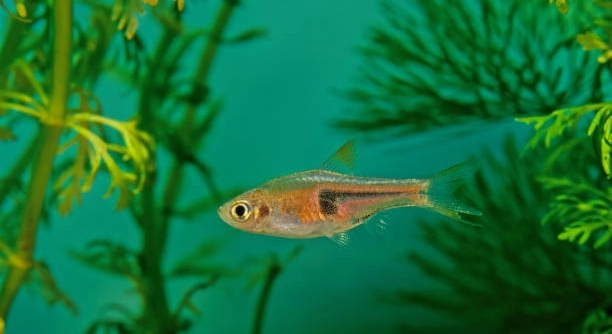
Have you ever noticed your rasboras swimming with extra energy as the sun begins to set? This behavior often catches the attention of aquarium keepers who are used to their calm daytime rhythm.
Rasboras seem more active at dusk primarily due to their natural crepuscular tendencies, meaning they are biologically wired to be most alert during low-light periods. Environmental cues like dim lighting, reduced noise, and cooler water temperature further stimulate their movement.
There are several interesting reasons behind this dusk-time activity, from instinctive survival behaviors to subtle shifts in their environment. Understanding them can help improve both your care routine and their daily comfort.
Natural Behavior Patterns
In the wild, rasboras are crepuscular fish, meaning they are naturally more active during dawn and dusk. This behavior is a survival instinct that helps them avoid predators while still searching for food. In low-light conditions, they feel safer and tend to swim more freely and explore their surroundings. The dim lighting gives them confidence, which leads to more visible movement in tanks. Aquarium environments that mimic natural light cycles often trigger this active behavior around dusk. You might notice them darting through plants or schooling more tightly during this time. Their behavior during dusk can seem sudden, but it’s simply part of their natural rhythm. This pattern has been shaped over time by their need to stay alert during safe feeding windows. While many aquarium fish rest or slow down at night, rasboras shift into an alert and responsive mode as the lights begin to dim, making them appear livelier.
This dusk activity isn’t random. It’s driven by instincts rasboras have kept through generations of adapting to wild environments.
If your tank lighting gradually fades or follows a timer, rasboras are more likely to respond with increased movement. Creating an environment that feels predictable helps them stay in tune with their natural behavior.
Environmental Triggers
Lighting plays a large role in rasboras’ increased dusk activity. As tank lights dim, rasboras become more comfortable and confident in their surroundings.
In a well-planted tank with soft lighting, dusk often signals a time of exploration for rasboras. Many aquarists use adjustable light settings or simulate natural sunset conditions to support this behavior. As the light lowers, rasboras rely on their sensitivity to movement and shadows to stay aware. They may start swimming together in tighter groups or venture out from hiding spots. Cooler water temperatures at night may also support more energetic movement, as it mimics the change in natural bodies of water. Additionally, aquariums tend to be quieter in the evening, with fewer vibrations or outside disturbances. Rasboras are sensitive to such changes, and less noise encourages them to come out more. Even subtle shifts like reduced foot traffic or nearby lights can impact their comfort. When everything feels calm, rasboras begin to behave as they would in shallow, shaded streams—alert, responsive, and socially engaged.
Subtle Shifts in Tank Conditions
Aquarium conditions often change slightly as the day ends. Water temperature may drop a bit, lighting softens, and room activity usually slows down. These changes help rasboras feel safer and more at ease, encouraging more natural, active behavior.
As the environment quiets, rasboras sense the difference. Less movement in the room means fewer vibrations in the water, which can reduce stress. If you keep lights on a timer, the gradual dimming mimics a sunset, letting rasboras ease into a calmer, more alert state. Their vision also adapts well to low light, allowing them to move confidently while other fish slow down. This peaceful period makes it easier for rasboras to feel secure enough to explore their tank more freely. It’s not always about stimulation—sometimes it’s the lack of disruption that brings out their livelier side.
This change in behavior isn’t dramatic, but it’s consistent. You may notice them darting through open spaces, engaging in gentle chasing or loosely schooling. These subtle interactions often indicate comfort, not stress. Rasboras are sensitive to both external and internal cues, and even a small shift in water temperature or tank lighting can influence their rhythm. Evening is often when those cues line up just right for activity.
Feeding Cues and Habits
Rasboras often associate dusk with feeding, especially if meals are regularly given during this time. They learn quickly and will start swimming more actively in anticipation.
If you usually feed in the evening, rasboras may link the lowering of lights or room noise with food arriving. This creates a pattern they respond to with movement and alertness. Even before food touches the water, their behavior shifts—they may rise toward the surface, dart toward shadows, or swim in quick bursts. This isn’t just hunger; it’s anticipation built from routine. Over time, their internal clock adjusts to the pattern, making dusk an expected feeding period. Their natural rhythm, combined with your feeding schedule, strengthens this habit. Predictable routines are comforting to rasboras, and feeding cues become one of the most powerful triggers for movement. This makes dusk not only a natural time for activity but also a learned moment of excitement and engagement.
Lower Stress Levels
As the day ends, the overall activity around the tank often quiets down. This calmer setting reduces stress for rasboras, making them more likely to swim freely and interact with their surroundings in a relaxed way.
Less foot traffic, quieter rooms, and dim lighting help rasboras feel more secure. This sense of safety encourages gentle, active swimming rather than hiding or staying still.
Social Stimulation
Rasboras are social fish that respond to group behavior. When one starts moving, others often follow. During dusk, this effect becomes stronger, leading to more schooling or coordinated activity. The combination of low light and group interaction supports this increase in movement and connection among rasboras.
Natural Rhythm
Their internal rhythm supports activity during low-light times. Dusk naturally aligns with one of their most alert periods, even in captivity.
FAQ
Why are rasboras more active during low light compared to full daylight?
Rasboras have adapted to thrive in low-light environments like shaded streams and densely planted waters. Their eyes are well-suited for dim conditions, and they often feel safer when the light is soft. In brighter light, they may hide more or stay in cover, especially if there are larger or more aggressive fish nearby. Low light reduces visual stress and creates a more secure space for them to move around. This natural preference for early morning or late evening light encourages activity during dusk, which is when the tank light often begins to fade and the room becomes quieter.
Does the lighting schedule really make a difference in rasbora activity?
Yes, the lighting schedule plays a big role in how rasboras behave. If the lights in your tank turn off slowly or simulate a sunset, your rasboras are more likely to respond with increased movement. Sudden changes in lighting can startle them, but gradual dimming allows their natural rhythm to kick in. Many aquarists use automatic timers to create a steady pattern of day and night, which helps rasboras know what to expect. Once a routine is set, you’ll often notice the same behavior at the same times every day, especially around dusk when they become most lively.
Can feeding time affect their dusk activity?
Absolutely. Rasboras can quickly associate a specific time of day with feeding, especially if it happens regularly. If you feed them during dusk or right after lights start to dim, they begin to expect food around that time. This anticipation triggers more swimming, faster movement, and alert behavior. Even if you’re a little late, they’ll often start becoming active on their own, just based on the pattern. Feeding cues become part of their routine, and this learned behavior stacks on top of their natural tendencies to be more active at dusk.
Is this behavior the same for all rasbora species?
Most rasbora species show similar dusk activity, but it can vary slightly depending on the type. Harlequin rasboras, for example, are known for their tight schooling and will often group together more closely in low light. Smaller species may dart more while larger ones might move in smoother patterns. The general pattern of being more active during dusk holds true across most rasboras, especially in peaceful, well-maintained tanks. Tank mates, lighting conditions, and layout all play a part in how strong this behavior appears.
Should I change my tank setup to support their dusk activity?
You don’t need major changes, but a few small adjustments can help. Use soft, adjustable lighting, and consider a light schedule that dims slowly in the evening. Adding more plants or shaded areas can also make rasboras feel secure enough to swim more freely. Avoid sudden noises or bright lights near the tank as the day ends. Keeping a predictable routine is more important than fancy equipment. A calm, stable environment encourages natural behaviors like dusk activity without causing stress.
Is increased dusk activity ever a sign of stress or illness?
Not usually. Dusk activity is a natural and healthy behavior for rasboras. However, if they’re darting around erratically, gasping, or trying to jump from the tank, that could be a sign of stress or poor water quality. Always make sure ammonia and nitrite levels are at zero, and check for signs of disease like discoloration or clamped fins. Normal dusk activity should look smooth, social, and alert—not panicked. If the behavior suddenly changes or seems excessive, it’s worth testing the water and observing other signs before making any changes.
How long does this active period usually last?
It often lasts for 30 minutes to an hour, depending on your tank’s lighting and noise levels. If the environment stays calm, they may remain active longer. Once the lights go off fully or the room becomes dark, rasboras usually settle down and become less visible. Their activity window is short but predictable and often becomes one of the most interesting times to observe them. This regular period of movement can be a helpful sign that your rasboras are comfortable in their tank and following a stable rhythm.
Final Thoughts
Rasboras are peaceful, active fish that show some of their most interesting behavior at dusk. Their increased movement during this time is a mix of natural instinct, environmental changes, and learned habits. In the wild, these fish are used to moving more in low light, and they carry that behavior into home aquariums. Dim lighting makes them feel safe, while cooler temperatures and less noise create a calm environment they enjoy. When conditions in the tank mirror the early evening hours they are used to, rasboras respond by swimming more, schooling together, and staying alert. This active period is a normal and healthy part of their daily rhythm.
In a home tank, many factors can encourage or support this dusk activity. A steady light schedule, quiet surroundings, and proper feeding times all make a difference. Over time, rasboras begin to expect certain things at certain times of the day. If the lights always fade in the same way, or if food is often given in the evening, they will begin to respond to those cues with more movement. Even small details like foot traffic or room noise can have an effect. Because rasboras are sensitive to their surroundings, keeping things predictable helps them feel at ease and behave more naturally.
Watching your rasboras at dusk can also be a helpful way to check their health and comfort. Active behavior during this time is a good sign. If they are swimming calmly, schooling, or gently exploring, it usually means they feel secure. But if their activity seems nervous, too fast, or aggressive, it might be worth checking water quality or reviewing your tank setup. In general, a calm, steady environment supports natural dusk behavior. As long as conditions stay healthy and stable, this period of activity is nothing to worry about. In fact, it’s a positive sign that your rasboras are in sync with their surroundings and showing you a little more of how they would behave in nature.

Hello,
If you enjoy the content that we create, please consider saying a "Thank You!" by leaving a tip.
Every little bit helps us continue crafting quality advice that supports the health, happiness, and well-being of pets around the world, for pets of all shapes, sizes, and species.
We really appreciate the kindness and support that you show us!