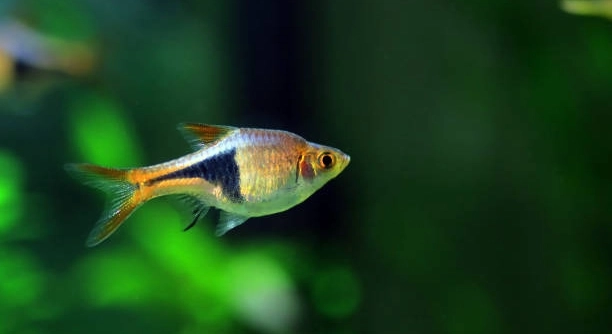
7 Rasbora Actions That Indicate Curiosity
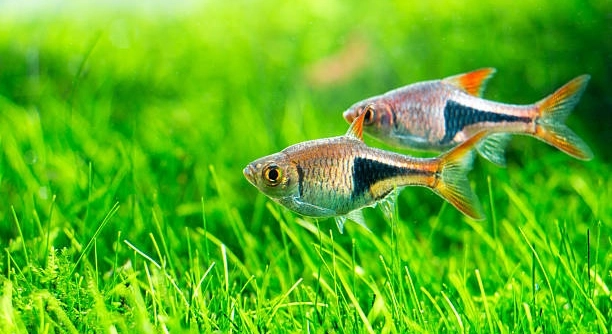
Rasboras are small, active fish often kept in home aquariums. They show interesting behaviors that reveal their interest in the environment around them. Watching these actions helps us understand their curious nature better. Rasboras display curiosity through actions like exploring new objects, following movement, changing swimming patterns, and inspecting their surroundings. These behaviors indicate their … Read more
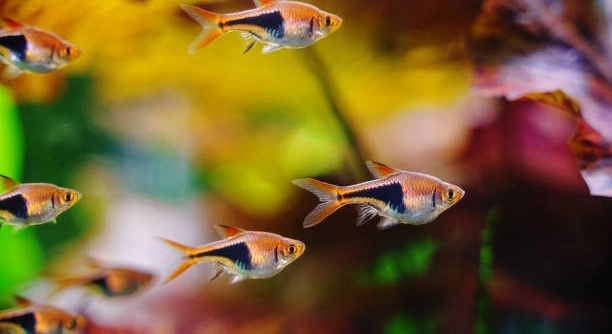
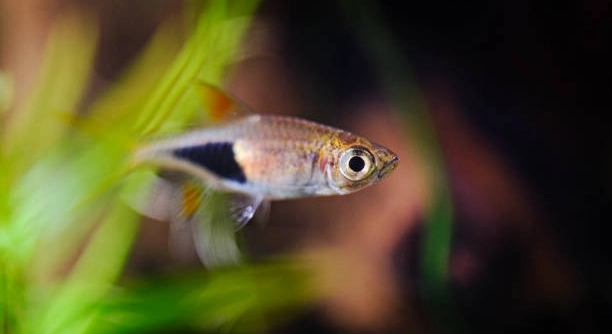
7 Habits Rasbora Pick Up From Each Other

Rasboras are small, social fish that often live in groups. They interact with each other in many ways, learning behaviors that help them survive and thrive. Watching these habits gives insight into their natural life. Rasboras pick up habits like schooling, synchronized swimming, and alert signaling from each other. These behaviors improve their safety, foraging … Read more

7 Factors That Impact Rasbora Trust

Rasboras are popular freshwater fish known for their peaceful nature and vibrant colors. Many aquarists enjoy keeping them in community tanks. However, their trust and comfort depend on several important factors that influence their behavior and wellbeing. The seven key factors impacting rasbora trust include water quality, tank environment, diet, social grouping, handling, lighting conditions, … Read more

Why Rasbora May Appear Startled

Rasboras are small, peaceful fish often found in home aquariums. They sometimes display sudden, quick movements that can make them look startled. Understanding why they behave this way can help fish keepers provide better care. Rasboras may appear startled primarily due to environmental stimuli such as sudden changes in light, vibrations, or nearby movements. These … Read more

Can Rasbora Sense Storms or Pressure Changes?

Many people keep rasboras as peaceful, colorful additions to their aquariums. These small fish often behave in interesting ways, which can make owners wonder about their natural abilities. Understanding how they respond to their environment is important for their care. Rasboras do have some sensitivity to changes in pressure and environmental cues, which can help … Read more

7 Reactions Rasbora Have to Floating Food

Many aquarium enthusiasts enjoy feeding their Rasboras floating food. These small fish show distinct behaviors when interacting with food at the surface. Understanding these reactions can help maintain a healthy and engaging environment for them. Rasboras exhibit seven common reactions to floating food, including quick surface darting, cautious nibbling, group feeding, and occasional hesitation. These … Read more

Why Rasbora Might Return to the Same Spot

Have you ever noticed your rasbora always returning to the same spot in the tank, almost like it’s drawn to that area? Rasboras often return to the same spot due to environmental comfort, territorial behavior, or feeding patterns. These fish are known to form routines based on familiarity, water flow, shelter, or past positive experiences … Read more

What to Watch for During Rasbora Feeding

Feeding rasboras can be a simple yet important part of their care routine. Observing their behavior during feeding helps ensure they remain healthy and active. Knowing what to watch for can improve their well-being and your enjoyment as an owner. Key signs to monitor during rasbora feeding include their appetite, swimming patterns, and interactions with … Read more

7 Tank Scenarios That Confuse Rasbora

Many aquarium enthusiasts enjoy keeping rasboras for their peaceful nature and vibrant colors. Sometimes, though, certain tank setups can confuse these small fish. Understanding which conditions work best helps maintain their well-being and behavior. Seven specific tank scenarios have been identified that tend to confuse rasboras. These situations often involve changes in water parameters, tank … Read more

7 Moments Rasbora Might Freeze in Place

Rasboras are small, lively fish often found in home aquariums. Sometimes, they suddenly freeze in place, catching the attention of their caretakers. Understanding why this happens can help ensure their health and well-being. Rasboras may freeze in place due to various reasons including stress, changes in water temperature, presence of predators, illness, breeding behavior, sudden … Read more