
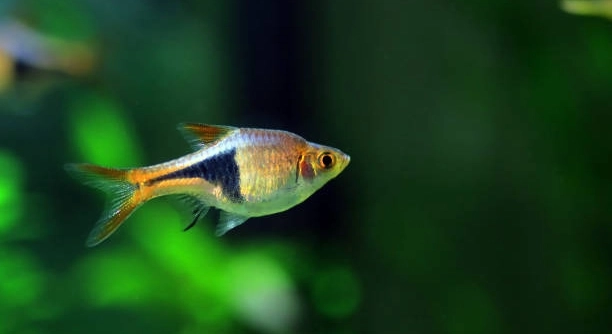
Many aquarium enthusiasts enjoy feeding their Rasboras floating food. These small fish show distinct behaviors when interacting with food at the surface. Understanding these reactions can help maintain a healthy and engaging environment for them.
Rasboras exhibit seven common reactions to floating food, including quick surface darting, cautious nibbling, group feeding, and occasional hesitation. These behaviors reflect their natural instincts and social tendencies when sourcing food in their habitat.
Recognizing these reactions provides insight into their feeding habits and overall well-being. This knowledge can improve how you care for your Rasboras daily.
Quick Surface Darting
Rasboras often dart quickly to the water’s surface as soon as floating food is introduced. This behavior shows their eagerness and alertness toward feeding. They rely on swift movements to grab the food before other fish do. This reaction also reflects their schooling instincts, where they move as a group but compete individually for bites. You may notice them zigzagging above the food, testing for the best moment to take a piece. Quick darting helps them secure food efficiently, especially in a community tank where multiple species feed simultaneously. Observing this can indicate your Rasboras are healthy and active, responding naturally to the presence of food. However, if darting turns aggressive or frantic, it may suggest stress or overcrowding, which should be addressed to maintain a balanced tank environment.
This quick movement is essential for their survival instincts and shows their adaptability in feeding situations.
Understanding darting helps improve feeding times and reduces stress among your fish.
Cautious Nibbling
Some Rasboras approach floating food with caution, nibbling at it slowly instead of striking immediately. This behavior usually happens when they are unsure about the food’s safety or when the tank environment feels less secure. They test the food’s texture and taste before fully committing. This nibbling can be observed more often in newly introduced fish or those adjusting to new food types. The slow approach reduces the risk of swallowing harmful items or upsetting their stomachs. Watching your Rasboras nibble gently allows you to gauge their comfort level and the suitability of the food you offer. Adjusting feeding habits to provide familiar, trusted food can encourage more confident eating.
Cautious nibbling reflects their natural wariness and helps them avoid potential risks in the tank.
Encouraging safe feeding practices supports their health and builds a calm tank atmosphere over time.
Group Feeding
Rasboras often feed in groups, moving together toward floating food. This collective behavior shows their social nature and helps reduce individual stress during feeding times.
Group feeding allows Rasboras to feel secure while eating, as they rely on safety in numbers. When food appears, they swim close to one another, quickly snapping up bits of floating flakes or pellets. This synchronized movement reduces competition and aggression among tank mates, creating a calm feeding environment. You might notice them circling the food or hovering just above it, sharing space without conflict. This behavior also encourages weaker or shy fish to join in, improving overall food intake.
Feeding as a group reflects their schooling instincts, which are important for maintaining their natural behavior in captivity. It also helps keep the tank peaceful during meals, preventing fights over food.
Occasional Hesitation
Rasboras sometimes hesitate before eating floating food, especially when adjusting to new environments or unfamiliar food types.
This hesitation is a cautious response to changes or stress. When food first appears, some Rasboras may hang back, watching others before approaching. This delay can result from uncertainty about the food’s safety or unfamiliarity with the feeding routine. Hesitation decreases as they grow more confident and comfortable with the tank’s conditions and feeding schedule. Sometimes, hesitation may also indicate health issues or water quality problems, so monitoring this behavior closely is important.
Understanding hesitation helps you identify when your Rasboras need time to adapt or when adjustments in care are necessary. Providing consistent feeding times and familiar foods can reduce hesitation and encourage more active feeding behaviors.
Surface Skimming
Rasboras often skim the water surface, quickly picking up small food particles. This behavior helps them find food efficiently.
Surface skimming allows Rasboras to grab floating flakes before they sink. It’s a natural way to feed, keeping them active and alert during meal times.
Food Inspection
Rasboras may inspect floating food closely before eating. They use their mouths and sometimes fins to test texture and taste.
This inspection ensures the food is safe and palatable. It prevents eating harmful substances and helps them choose preferred items from mixed feed.
Spitting Food Out
Sometimes Rasboras spit out food after tasting it. This action helps avoid swallowing something undesirable or too large.
Why do Rasboras sometimes hesitate before eating floating food?
Hesitation in Rasboras before eating is usually a sign of caution. They may be unsure about the food’s safety, especially if it is a new type or if the tank environment has recently changed. This careful behavior protects them from swallowing something harmful. It also happens when Rasboras are stressed or not fully comfortable in their surroundings. The hesitation tends to lessen once they recognize the food and feel secure. Consistent feeding schedules and familiar food types help reduce this behavior over time.
How can I tell if my Rasboras are getting enough food from floating flakes?
Watch their feeding behavior closely. If your Rasboras are actively darting and nibbling at the flakes and not showing signs of prolonged hunger or aggression, they are likely getting enough food. Also, monitor their body condition; healthy, well-fed Rasboras will have a smooth, well-rounded appearance. Overfeeding can cause uneaten flakes to sink and pollute the tank, so feed small amounts that they can consume within a few minutes. If some fish consistently miss out, consider feeding smaller portions more frequently.
Do Rasboras prefer certain types of floating food?
Rasboras generally favor small, lightweight flakes or pellets that float steadily on the surface. They prefer food that is easy to nibble and dissolves slowly to allow time for feeding. Some Rasboras also enjoy live or frozen foods like brine shrimp or daphnia, but floating flakes are usually the most convenient. Different species of Rasboras may have slight preferences, but sticking to high-quality tropical fish flakes designed for surface feeding works well in most cases.
Is it normal for Rasboras to spit out food after tasting it?
Yes, it is quite common. Spitting out food is a natural way for Rasboras to avoid eating something they find unappealing or too large. This helps protect their digestive system from potential harm. If you notice frequent spitting, try offering smaller food pieces or switching to a different type of food. Ensuring the food is fresh and suitable for their size will encourage better acceptance.
What causes Rasboras to dart quickly at floating food?
Quick darting is an instinctive response to food appearing at the surface. It helps Rasboras grab food quickly before others do, especially in a tank with multiple fish. This behavior also shows their alertness and good health. While fast movements are normal, excessive frantic darting might indicate stress or overcrowding, which should be addressed.
How does group feeding benefit Rasboras?
Feeding in groups provides Rasboras with a sense of safety and reduces stress. When they eat together, they feel less vulnerable to threats, encouraging more natural and calm feeding behavior. Group feeding also lowers aggression during meals, as fish focus on the food rather than competing aggressively. This social behavior helps maintain harmony in the tank.
Can floating food affect water quality?
Yes, uneaten floating food can break down and pollute the water if not removed promptly. This can lead to increased ammonia and nitrite levels, harming Rasboras and other tank inhabitants. Feeding small amounts and removing leftovers quickly helps maintain good water quality. Using a feeding ring can also help concentrate food and reduce waste.
What should I do if my Rasboras avoid floating food?
If Rasboras consistently avoid floating food, they may prefer sinking food or live alternatives. Try offering small sinking pellets or frozen foods near the bottom. Also, check water conditions and tank mates, as stress or bullying may reduce their appetite. Gradually introducing floating food mixed with preferred items can encourage acceptance.
How often should I feed Rasboras floating food?
Feeding Rasboras once or twice daily with small portions is ideal. Overfeeding can harm water quality and fish health, while underfeeding may cause malnutrition. Observe their behavior and body condition to adjust feeding frequency and amount as needed. Consistency helps maintain a stable feeding routine.
Are there signs that floating food is not suitable for Rasboras?
If Rasboras frequently spit out food, hesitate to eat, or show signs of digestive upset like bloating or lethargy, the floating food may not be suitable. Poor-quality food can lack nutrients or contain harmful ingredients. Switching to a higher-quality brand or different food type can improve their appetite and health.
Understanding how Rasboras react to floating food helps improve their care and feeding experience. Their behaviors, such as quick darting, cautious nibbling, or group feeding, are natural responses shaped by their instincts and environment. Observing these reactions provides insight into their health and comfort level. Recognizing normal patterns, like spitting out unfamiliar food or hesitating before eating, allows you to adjust feeding methods accordingly. This attentiveness supports their well-being and helps maintain a balanced tank environment.
Feeding Rasboras the right type and amount of floating food is important. Offering small, easy-to-eat flakes that float steadily encourages natural feeding behaviors and reduces waste. Consistency in feeding times and food type helps Rasboras feel secure and less stressed. Overfeeding or using unsuitable food can cause hesitation or refusal to eat, affecting their health. Monitoring water quality and promptly removing leftover food prevents pollution, ensuring a safe habitat. Providing a calm, stable environment contributes to better feeding responses and overall fish vitality.
Paying attention to your Rasboras’ reactions to floating food goes beyond just feeding. It strengthens your understanding of their needs and habits. This knowledge helps create a more peaceful and healthy aquarium. Small adjustments, like changing food size or feeding frequency, can make a big difference in their behavior. Keeping a close eye on these details supports the longevity and happiness of your Rasboras. Maintaining this care routine ensures they thrive and display their natural, beautiful behaviors consistently.

Hello,
If you enjoy the content that we create, please consider saying a "Thank You!" by leaving a tip.
Every little bit helps us continue crafting quality advice that supports the health, happiness, and well-being of pets around the world, for pets of all shapes, sizes, and species.
We really appreciate the kindness and support that you show us!