
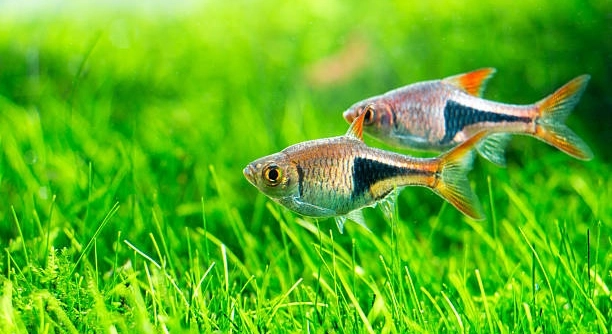
Rasboras are small, active fish often kept in home aquariums. They show interesting behaviors that reveal their interest in the environment around them. Watching these actions helps us understand their curious nature better.
Rasboras display curiosity through actions like exploring new objects, following movement, changing swimming patterns, and inspecting their surroundings. These behaviors indicate their natural instinct to learn and adapt to changes in their habitat.
Recognizing these signs can improve how you care for your rasboras and create a more engaging environment for them to thrive in.
Exploring New Objects in the Tank
Rasboras often swim up to new items introduced to their aquarium, like decorations or plants. They circle around these objects, sometimes touching them lightly with their mouths or fins. This behavior helps them gather information about their environment and assess any possible changes. It’s a natural way for them to stay aware and safe. New objects can stimulate their curiosity, keeping them active and engaged. Observing this interaction can also be rewarding for aquarium keepers. It shows that the fish feel secure enough to investigate rather than hide. Over time, rasboras become comfortable with the items, which helps reduce stress. Providing varied objects occasionally can maintain this healthy behavior.
Introducing new decorations can encourage mental stimulation and physical activity. It also strengthens their confidence in their environment, promoting better health and social behavior.
Not all fish react the same way to new items. Rasboras’ exploratory actions tend to be gentle and calm, avoiding sudden movements. This behavior contrasts with more aggressive species that might attack unfamiliar objects. Understanding this difference helps in creating a balanced tank environment. By providing safe, interesting elements, you support the natural curiosity of rasboras. This also leads to better overall welfare and can make your aquarium more enjoyable to watch.
Following Movement in the Aquarium
Rasboras often track moving objects or other fish in the tank. This behavior shows their attention and alertness to changes. They swim alongside or behind the moving subject, learning about it.
This following action helps rasboras stay connected with their surroundings. It is a sign of interest and social interaction rather than aggression. They use this behavior to navigate and understand the space better. When a fish follows other tank mates or your hand, it shows curiosity and recognition. This can be an early indication of trust. Fish that track movement often engage more with their environment and are less likely to hide. Encouraging gentle movement near the tank can stimulate this response, promoting activity and reducing boredom. It also allows owners to bond with their fish, noticing their unique personalities and reactions.
By observing how rasboras follow movement, you gain insight into their mental state. It is important to respect their pace and avoid sudden or aggressive motions that could cause stress. Instead, slow, predictable movements are ideal to maintain their interest and comfort. This behavior is a simple yet effective way to engage with your fish daily, helping to keep their environment lively and healthy.
Changing Swimming Patterns
Rasboras often change their swimming speed or direction when something new catches their attention. This shift helps them explore and understand what is happening around them.
These changes can include slowing down to inspect an area more closely or suddenly darting toward a spot that looks interesting. Sometimes, they swim in tight circles or zigzag patterns as they investigate. These behaviors show that the fish are actively gathering information, not just moving randomly. It’s a clear sign of curiosity and engagement with their environment.
Paying attention to these subtle swimming changes can help you notice when your rasboras are reacting to something new or unusual. It also indicates they feel safe enough to explore rather than hide. Such behavior can be encouraged by varying the tank environment gently, making their space more stimulating.
Inspecting Their Surroundings
Rasboras regularly scan their tank by looking around and pausing to observe different areas. This inspection keeps them aware and prepared for any changes or threats.
When inspecting, they often hover near plants, rocks, or decorations, sometimes peeking into hiding spots. This behavior helps them map out their environment and stay alert. It also shows that they are comfortable enough to spend time observing rather than hiding. The more stable and enriching the tank environment is, the more often rasboras will engage in this behavior. This routine inspection is a way for them to feel secure and connected to their habitat, reducing stress and promoting well-being.
Hovering Near the Glass
Rasboras sometimes hover close to the aquarium glass, watching what happens outside their tank. This behavior shows their interest in activity beyond their immediate environment.
They may follow movements, shadows, or light changes seen through the glass. This is another way they satisfy their curiosity and stay engaged.
Reacting to Light Changes
Rasboras respond quickly to changes in light intensity or direction. Sudden dimming or brightening often causes them to pause or swim closer to the source.
This reaction helps them adjust to their surroundings and signals alertness. Light shifts can mimic natural conditions, keeping their instincts sharp.
Inspecting Food Movements
Rasboras watch food carefully as it enters the tank. Their attention to how food moves shows they are learning and planning their approach to eat.
This behavior also helps reduce food waste by making them more precise during feeding times. It reflects their natural curiosity about new objects entering their space.
How can I tell if my rasbora is curious or stressed?
Curious rasboras show active behaviors like exploring new objects, changing swimming patterns, and following movement calmly. Stressed fish tend to hide, stay still, or show erratic swimming. If your rasbora investigates its environment and interacts with tank mates, it is likely curious and comfortable.
What are common signs of curiosity in rasboras?
Common signs include approaching new decorations, inspecting food carefully, hovering near the glass, and reacting to light changes. These behaviors indicate they are alert and interested in their surroundings rather than fearful or stressed.
Can curiosity help improve my rasbora’s health?
Yes, curiosity encourages physical activity and mental stimulation. When rasboras explore and interact with their environment, they exercise and reduce boredom. This leads to better overall health and stronger immune systems.
Is it safe to introduce new objects to stimulate my rasbora’s curiosity?
Introducing new objects can be beneficial if done carefully. Make sure new decorations are aquarium-safe and introduce them slowly. Observe how your fish react; if they explore gently without stress, the change is positive.
Why do rasboras follow my hand outside the tank?
Rasboras may follow your hand out of curiosity or recognition. They learn to associate movement outside the tank with feeding or interaction. This behavior shows they notice and respond to their environment beyond the water.
How often should I change the tank setup to keep my rasboras curious?
It’s best to make small changes every few weeks rather than drastic changes often. Frequent large changes can cause stress. Adding or moving plants, decorations, or rearranging elements slowly helps maintain their interest without overwhelming them.
What role does light play in stimulating rasbora curiosity?
Light changes mimic natural conditions, helping rasboras stay alert and active. Moderate adjustments in lighting can encourage exploration and investigation. Avoid sudden, intense flashes or very bright light, as this can frighten them.
Can curiosity behavior indicate if a rasbora is healthy?
Yes, active curiosity usually signals good health. A healthy rasbora will explore, swim actively, and respond to stimuli. Lack of curiosity can sometimes indicate illness, stress, or poor water conditions.
What should I do if my rasbora stops showing curious behavior?
If curiosity decreases, check water quality, tank conditions, and diet first. Illness or poor environment often reduce activity. Improving these factors usually helps restore normal behavior. If changes persist, consulting an aquatic veterinarian is recommended.
How does social behavior connect to curiosity in rasboras?
Rasboras are schooling fish, and their curiosity often shows in group behaviors. They explore together, follow each other, and share attention on new objects. Social interaction encourages curiosity and keeps them active and engaged.
Rasboras are small fish that show many interesting behaviors linked to curiosity. Watching how they explore their tank, follow movements, and react to changes helps us understand them better. These actions are natural ways for rasboras to learn about their surroundings and stay alert. When they investigate new objects or inspect their environment, it means they feel safe and comfortable. This curiosity is important for their well-being and overall health. It also shows they are active and engaged in their space, not just swimming without purpose. Paying attention to these behaviors can help aquarium owners provide better care and a more stimulating habitat.
Creating an environment that encourages curiosity is key to keeping rasboras happy. Adding safe decorations, changing lighting gently, and providing opportunities for exploration all help. Rasboras respond well to small changes and new items in their tank. These additions give them a chance to discover and interact, which supports their natural instincts. It’s important not to make too many changes at once, as this could cause stress. Instead, introducing new things slowly allows rasboras to adjust and remain confident. A balanced, enriched tank environment promotes not only curiosity but also good social interaction among the fish.
Understanding curiosity in rasboras also helps us notice if something might be wrong. When fish stop exploring or become less active, it could mean they are stressed or unwell. Observing their behavior regularly gives early clues about their health. Curiosity is a positive sign, so encouraging it benefits both the fish and the owner. Taking care of water quality, diet, and tank setup all play a role in supporting this behavior. In the end, noticing and respecting these small but meaningful actions helps create a better home for rasboras and enhances the experience of keeping them.

Hello,
If you enjoy the content that we create, please consider saying a "Thank You!" by leaving a tip.
Every little bit helps us continue crafting quality advice that supports the health, happiness, and well-being of pets around the world, for pets of all shapes, sizes, and species.
We really appreciate the kindness and support that you show us!