
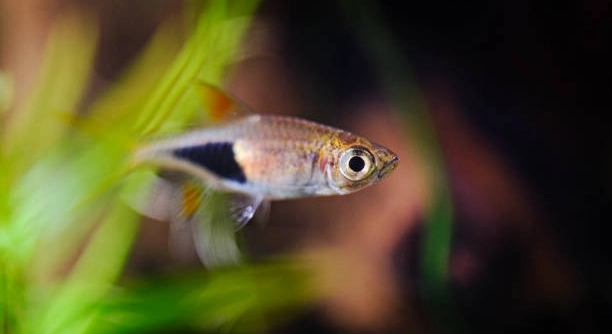
Many people keep rasboras as peaceful, colorful additions to their aquariums. These small fish often behave in interesting ways, which can make owners wonder about their natural abilities. Understanding how they respond to their environment is important for their care.
Rasboras do have some sensitivity to changes in pressure and environmental cues, which can help them react to approaching storms. Their lateral line system allows them to detect subtle vibrations and pressure shifts in the water, aiding in early response to weather changes.
Knowing how rasboras sense their surroundings can improve aquarium care and help anticipate their behavior during weather fluctuations.
How Rasboras Detect Pressure Changes
Rasboras have a special sense organ called the lateral line that runs along their sides. This line helps them pick up small vibrations and pressure changes in the water. When a storm approaches, the air pressure drops, and these changes create subtle shifts in the water around them. Rasboras can feel these shifts even before humans notice the weather change. This ability helps them prepare by altering their swimming patterns or seeking shelter. It’s a natural defense that has helped fish survive for millions of years. In an aquarium, you might see your rasboras swim more actively or hide if there’s a sudden change in the environment. This behavior shows their sensitivity and instinct to protect themselves. Understanding this helps aquarium owners provide a better habitat and reduce stress for their fish.
This lateral line system is crucial for fish to stay safe and respond quickly to their surroundings.
Rasboras’ sensitivity to pressure changes also helps them communicate. When one fish detects a disturbance, it often signals the others by moving differently. This group reaction is common in schooling fish like rasboras, giving them extra safety as a unit. Such coordinated behavior is a survival skill in natural waters. In home tanks, this means you might see all your rasboras react together when something disrupts the water, like a sudden noise or vibration near the tank. Watching these reactions can teach us a lot about their natural instincts and how they handle stress.
Effects of Weather Changes on Rasbora Behavior
Sudden weather changes can cause noticeable shifts in rasbora behavior, especially during storms or heavy rain.
When the weather shifts quickly, rasboras may become more restless or hide behind plants and decorations in the tank. This response is linked to their ability to sense pressure drops and changes in humidity. In the wild, these behaviors help them avoid predators and dangerous conditions. Inside an aquarium, these natural instincts still appear even though there’s no real threat. This can sometimes confuse owners who are unaware that their fish react to external weather. By observing these behaviors, you can better understand the needs of your rasboras during changing conditions. Ensuring stable water quality and providing plenty of hiding spaces can help reduce their stress during these times.
Their behavior is a clear sign of how deeply connected they are to their environment, even indoors.
How Aquarium Conditions Affect Rasbora Sensitivity
Stable aquarium conditions help rasboras stay calm and responsive to their environment.
Changes in water temperature, pressure, or quality can make rasboras more sensitive or stressed. Sudden shifts may cause them to react strongly, swimming erratically or hiding more than usual. Keeping the tank environment steady allows their natural pressure-sensing abilities to work without added stress. Proper filtration, regular water changes, and avoiding loud noises near the tank all support their well-being. It’s important to watch for signs of stress that might indicate issues with water or pressure inside the tank.
When the tank conditions are right, rasboras can show their natural behavior and react appropriately to environmental cues, including pressure changes related to storms.
Stress from unstable conditions may weaken their ability to respond well to pressure changes. Rasboras in a poorly maintained tank might ignore these cues or become overly stressed. Ensuring a calm, clean environment helps maintain their health and natural instincts. By caring for their habitat, you also support their ability to detect and react to subtle environmental shifts.
Tips to Help Rasboras During Storms
Provide hiding places and stable water conditions to reduce rasbora stress during storms.
Adding plants and decorations gives rasboras places to feel safe when pressure drops or weather changes. Keeping water temperature and quality steady is also important, as sudden changes can increase their stress. Avoid tapping on the tank or creating vibrations, which can make them more anxious. Observing how they behave before and during storms can help you adjust care routines to keep them comfortable. Simple changes can make a big difference in helping rasboras stay calm during unpredictable weather. These small efforts support their health and natural behavior patterns.
Recognizing Stress Signs in Rasboras
Stress in rasboras often shows through changes in swimming or appetite.
They may hide more, swim erratically, or lose interest in food. Watching for these signs helps catch problems early and improves their care.
How Lighting Affects Rasbora Behavior
Lighting plays an important role in rasbora behavior and stress levels. Bright or sudden changes in light can startle them, causing nervous or erratic swimming. Gentle, consistent lighting helps them feel safe and calm. Adjusting light cycles to mimic natural daylight supports their normal daily rhythms and overall health.
Importance of Water Quality
Clean water is essential for rasboras to stay healthy and respond well to environmental changes.
Managing Noise Around the Aquarium
Loud noises or vibrations can stress rasboras, affecting their behavior and ability to sense pressure changes.
Can rasboras really sense storms before they happen?
Yes, rasboras can detect changes in pressure and vibrations caused by approaching storms. Their lateral line system lets them pick up subtle shifts in the water, which often happen before a storm arrives. This ability helps them prepare by changing their behavior, like swimming closer to shelter or schooling tightly together. In an aquarium, these responses might look like restlessness or hiding, even if the storm is outside and the tank water stays the same. This sensitivity is a natural survival trait that many fish have developed over time.
How does the lateral line system work in rasboras?
The lateral line is a row of sensory cells running along each side of a fish’s body. It detects movement, vibrations, and pressure changes in the surrounding water. For rasboras, this means they can “feel” nearby disturbances that humans can’t sense. When water pressure changes due to weather, the lateral line picks it up and sends signals to the fish’s brain. This lets the fish react quickly to danger or environmental changes. In home tanks, the lateral line also helps them respond to taps on the glass or changes in water flow.
Do all fish have the ability to sense storms like rasboras?
Many fish have a lateral line system, but sensitivity can vary by species. Rasboras and other small schooling fish tend to be more responsive because their survival depends on early detection of threats. Larger or solitary fish may rely less on this sense. However, most fish will react to pressure changes to some extent. This sense helps them avoid predators, find food, and adapt to changing environments.
Can aquarium owners do anything to help their rasboras during storms?
Yes, there are simple steps to make rasboras more comfortable. Providing plenty of hiding spots with plants or decorations gives them places to feel safe. Keeping water conditions stable—like temperature, pH, and cleanliness—reduces added stress. Avoid sudden loud noises or vibrations near the tank during storms. Monitoring their behavior can also help you notice if they are stressed and need extra care. These small actions support their natural instincts and keep them healthier.
Why do rasboras sometimes swim erratically when a storm is near?
Erratic swimming often happens because the fish are reacting to pressure changes or electrical disturbances caused by the storm. This behavior is a natural response to perceived danger. In the wild, it helps them stay alert and avoid threats. In an aquarium, it can be a sign they sense something unusual outside. While it may look worrying, this behavior usually passes once the environment stabilizes. If it continues for a long time, it might be worth checking water quality or tank conditions.
Are there other signs that rasboras are stressed by weather changes?
Yes, besides erratic swimming, stressed rasboras may hide more often or lose interest in food. They might also appear less colorful or become less active. These signs show they are reacting to discomfort, which can be caused by pressure shifts, temperature changes, or vibrations from storms. Observing your fish regularly helps you catch these early signs and improve their environment before stress causes health problems.
How quickly do rasboras react to pressure changes?
Rasboras can react almost immediately to pressure changes detected by their lateral line. This quick response allows them to adjust their behavior quickly, which is important for survival in the wild. In aquariums, this might mean they become more active or seek shelter as soon as the air pressure begins to drop before a storm. Their sensitivity is impressive, showing how well adapted they are to sensing environmental changes.
Can pressure changes from inside the aquarium affect rasboras the same way storms do?
Yes, pressure changes inside the aquarium can also affect rasboras. Sudden changes in water temperature, adding water, or strong water currents can create pressure shifts they detect through their lateral line. These changes may stress the fish similarly to how storms do. That’s why maintaining stable tank conditions is important. Gentle water flow and slow temperature changes help keep them calm and reduce unnecessary stress.
Is it normal for rasboras to school more tightly when a storm approaches?
Yes, tighter schooling is a common response to perceived threats, including pressure changes before storms. Grouping closely helps protect individual fish by confusing predators and creating safety in numbers. In the wild, this behavior increases their chance of survival during dangerous situations. In aquariums, this natural reaction shows that rasboras are aware of environmental changes even if the threat is not directly in the tank.
Do rasboras sense other weather changes besides storms?
Rasboras primarily respond to changes in air pressure and vibrations associated with storms or heavy rain. However, they may also react to rapid temperature shifts or changes in humidity near the tank. These factors can cause subtle pressure differences or vibrations that the fish detect. Their sensitivity helps them stay alert to any sudden changes in their surroundings, which is useful for survival both in the wild and at home.
Rasboras are small, peaceful fish that have a surprising ability to sense changes in their environment. Their lateral line system allows them to detect subtle shifts in water pressure and vibrations. This helps them respond to approaching storms or other changes in the weather. Even in a home aquarium, they can react to these environmental cues, showing behaviors like increased swimming activity or seeking shelter. Understanding this ability helps aquarium owners better care for their rasboras by recognizing how sensitive these fish really are.
Keeping rasboras comfortable requires attention to the tank’s conditions. Stable water quality, gentle lighting, and quiet surroundings all support their well-being. Sudden changes in temperature, water pressure, or noise can stress them out and affect how they respond to environmental signals. Providing hiding places like plants or decorations gives them safe spots to retreat when they feel threatened. These simple steps can reduce their stress and help them display more natural behavior, especially when storms or pressure changes occur.
Recognizing the ways rasboras sense their environment gives us a better appreciation of their natural instincts. While they may be small, they are well-adapted to survive by reacting to subtle signals. Paying attention to their behavior and maintaining a calm, stable tank environment is important for their health. By doing this, aquarium owners can help rasboras thrive and better understand their needs during changing weather or pressure conditions. This knowledge can make keeping these fish a more rewarding experience.

Hello,
If you enjoy the content that we create, please consider saying a "Thank You!" by leaving a tip.
Every little bit helps us continue crafting quality advice that supports the health, happiness, and well-being of pets around the world, for pets of all shapes, sizes, and species.
We really appreciate the kindness and support that you show us!