
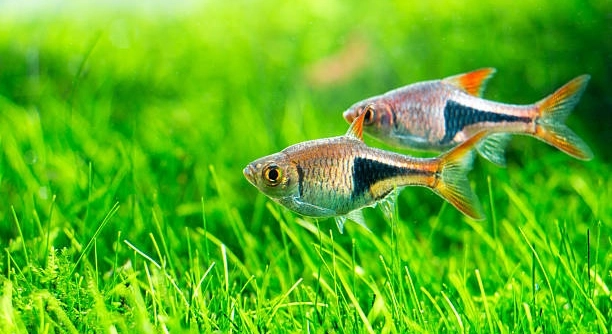
Rasboras are popular freshwater fish known for their peaceful nature and vibrant colors. Many aquarists enjoy keeping them in community tanks. However, their trust and comfort depend on several important factors that influence their behavior and wellbeing.
The seven key factors impacting rasbora trust include water quality, tank environment, diet, social grouping, handling, lighting conditions, and consistency in care. Each factor plays a crucial role in shaping their sense of safety and willingness to interact.
Knowing these elements will help you create a better environment for your rasboras. This understanding supports healthier, more confident fish and a more enjoyable aquarium experience overall.
Water Quality and Its Impact on Rasbora Trust
Maintaining clean and stable water conditions is essential for rasboras to feel secure. These fish are sensitive to sudden changes in temperature, pH, and ammonia levels. Poor water quality can stress them, making them shy or aggressive. Regular water testing and partial water changes help keep the tank environment safe. Rasboras prefer slightly acidic to neutral water with temperatures between 72°F and 79°F. A well-filtered tank that removes toxins and waste supports their health. When water parameters stay consistent, rasboras are more likely to explore their surroundings and interact with their tank mates. Avoid overcrowding to prevent waste buildup and stress. Clean water reduces the chance of disease, which can break their trust in their environment and the caretaker.
Stable water conditions allow rasboras to develop a sense of security. They show more natural behavior and build trust when their habitat is well maintained.
Understanding the importance of water quality encourages regular tank upkeep. This commitment directly influences how comfortable and confident your rasboras feel, improving their overall wellbeing and making them more approachable in the aquarium.
Tank Environment and Social Grouping
A suitable tank setup and appropriate social grouping are key to fostering trust in rasboras.
Rasboras are schooling fish and thrive in groups of six or more. Keeping them alone or in too small a group can cause stress and nervous behavior. Their natural instinct to swim together gives them confidence and a feeling of safety. The tank should provide plenty of hiding spots using plants, rocks, or decorations to mimic their natural habitat. Open swimming areas are also important for activity. Proper space reduces competition and aggression, allowing each fish to feel secure. A calm environment with minimal noise and disturbance encourages trust. Lighting should be moderate, not too bright, to avoid startling them. When the tank is well arranged to meet their social and environmental needs, rasboras become more relaxed and display friendly, trusting behaviors toward their surroundings and caretakers.
Diet and Feeding Habits
A balanced diet is crucial for rasboras to stay healthy and trust their environment. Feeding them regularly with quality food builds positive associations.
Rasboras thrive on a mix of high-quality flakes, micro pellets, and occasional live or frozen foods like brine shrimp or daphnia. Providing varied nutrition supports their immune system and brightens their colors. Overfeeding can pollute the water and cause health problems, so it is important to feed small amounts twice daily. Consistent feeding routines help rasboras feel secure and more trusting since they learn when to expect food and associate the caretaker with positive experiences.
Monitoring their eating habits also helps detect early signs of stress or illness. When rasboras accept food readily and appear active, it reflects comfort and trust in their surroundings.
Handling and Interaction
Handling rasboras should be minimal to avoid stress, as they are delicate and easily frightened.
Physical interaction or sudden movements near the tank can cause them to hide or become skittish. When necessary, use gentle methods such as a soft net for transfers. Regularly spending time near the tank without sudden noises allows them to get used to your presence. Over time, they may become less fearful and more responsive to feeding or tank maintenance.
Respecting their nature and limiting direct contact helps build their confidence. Calm, consistent interaction encourages rasboras to trust their caretaker and environment, leading to healthier and more natural behavior patterns.
Lighting Conditions
Lighting should be moderate and consistent to help rasboras feel comfortable. Too bright or constantly changing light can stress them out.
A regular day-night cycle with subdued lighting mimics their natural habitat. Avoid sudden light changes by using timers to maintain stability.
Consistency in Care
Rasboras respond well to a routine. Feeding, cleaning, and interaction at regular times reduce stress and increase trust.
Predictability in their environment reassures them, making them more relaxed and willing to interact with their surroundings and caretaker.
Tank Decorations and Hiding Spots
Providing plants, rocks, and other decorations creates safe spaces. Hiding spots allow rasboras to retreat when feeling threatened, which supports their sense of security.
Natural-style setups help reduce stress and encourage natural behavior, making the fish more confident and trusting.
Noise and Vibrations
Loud noises and strong vibrations can frighten rasboras. Keeping the tank in a quiet area helps maintain a calm environment.
FAQ
How can I tell if my rasboras trust me?
When rasboras trust their environment and caretaker, they swim actively and stay near the front of the tank during feeding times. They will not hide constantly and often show calm behavior. Trusting rasboras might even follow your movements outside the tank without panic. If they accept food directly from your hand or come close during feeding, it is a clear sign of growing trust.
What water parameters are best for rasboras to feel safe?
Rasboras prefer slightly acidic to neutral water with a pH between 6.5 and 7.5. Temperature should be stable, ideally between 72°F and 79°F (22°C to 26°C). Ammonia and nitrite levels must always be zero, with nitrate kept low through regular water changes. Consistent water quality keeps them healthy and reduces stress, which builds their trust in the tank environment.
Can too much light make rasboras anxious?
Yes, excessively bright or fluctuating lighting can cause stress in rasboras. Bright light may make them hide more and reduce their activity. Using moderate lighting and maintaining a natural day-night cycle with timers helps create a calm atmosphere, encouraging natural behavior and trust.
How often should I feed my rasboras?
Feeding twice a day with small portions is ideal. Overfeeding pollutes the water and can harm fish health. Balanced meals with varied food types like flakes, pellets, and occasional live or frozen foods improve nutrition and keep rasboras engaged and comfortable.
Is it okay to handle rasboras often?
Frequent handling is not recommended. Rasboras are delicate and can get stressed easily. Limit physical contact to necessary tank maintenance or transfers. Using gentle techniques and minimizing sudden movements helps maintain their trust and wellbeing.
Why do my rasboras hide all the time?
Hiding constantly often indicates stress. This can result from poor water quality, bright lighting, insufficient hiding spots, or improper social grouping. Ensuring stable water conditions, moderate lighting, enough plants or decorations for cover, and keeping them in groups of six or more reduces fear and promotes trust.
What is the best tank setup for promoting trust in rasboras?
A well-planted tank with natural decorations and open swimming areas is best. Provide plenty of hiding spots to reduce stress. Keep the group size large enough for schooling behavior. Maintain clean water and consistent care routines to build a stable environment where rasboras feel safe and confident.
How long does it take for rasboras to trust their caretaker?
The timeline varies but typically it takes several weeks of consistent care and gentle interaction. Rasboras need time to adjust to their environment and associate caretakers with food and safety. Patience and steady routines encourage them to become more comfortable and trusting over time.
Can stress affect rasbora colors?
Yes, stressed rasboras often lose their vibrant colors. When they feel safe and healthy, their colors brighten. Good water quality, proper diet, and a peaceful environment help maintain their natural appearance and reflect their level of comfort.
What role does social grouping play in rasbora trust?
Rasboras are schooling fish, so being in groups of six or more helps them feel secure. Isolation or small groups increase anxiety and reduce trust. Group living allows them to exhibit natural behavior, making them more confident and less likely to hide.
Are sudden changes in tank conditions harmful?
Sudden shifts in temperature, pH, or water quality can shock rasboras and cause stress. Maintaining stable conditions through gradual changes and regular monitoring supports their health and trust. Consistency helps them feel secure and more at ease in their habitat.
How can I improve my rasboras’ response to feeding?
Feeding at regular times creates positive expectations. Using varied, nutritious food and offering it calmly encourages rasboras to come forward. Avoid sudden movements during feeding to prevent scaring them away. With time, this builds trust and a stronger bond between fish and caretaker.
Final Thoughts
Trust is an important part of keeping rasboras healthy and happy in an aquarium. These small fish rely on a stable environment where their needs are consistently met. When water quality is maintained, their diet is balanced, and their tank provides enough space and hiding places, they feel safer. This security allows them to behave naturally and show less stress. Careful attention to factors like lighting, noise, and handling also helps build a calm atmosphere that rasboras can trust.
Creating trust with rasboras takes time and patience. They do not become comfortable immediately after being introduced to a new tank or caretaker. Regular routines, such as feeding at the same times each day and performing maintenance gently, allow them to learn that their surroundings are predictable and safe. Schooling behavior plays a big role in their sense of security. Keeping them in groups of six or more gives them confidence and helps reduce anxiety. When rasboras feel supported by their environment and social structure, they are more likely to explore, eat well, and show their natural colors.
Ultimately, the goal is to provide an environment where rasboras can thrive both physically and emotionally. Meeting their needs consistently promotes trust, which improves their wellbeing and lifespan. Trust encourages them to be more active and interactive, making the aquarium experience more rewarding. By focusing on the key factors that impact trust—water quality, tank setup, diet, lighting, handling, and social grouping—you create the best possible home for your rasboras. This helps them feel secure and allows their natural beauty and peaceful nature to shine through.

Hello,
If you enjoy the content that we create, please consider saying a "Thank You!" by leaving a tip.
Every little bit helps us continue crafting quality advice that supports the health, happiness, and well-being of pets around the world, for pets of all shapes, sizes, and species.
We really appreciate the kindness and support that you show us!