7 Clues That Suggest Pleco Dominance

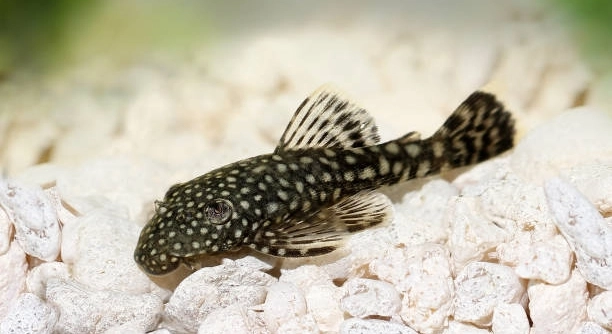
Are your plecos acting unusually aggressive or asserting themselves in your tank? Observing their behavior closely can reveal subtle signs of dominance. Even small changes in movement, feeding habits, or interactions may indicate a shift in hierarchy. Pleco dominance is typically demonstrated through territorial behavior, aggressive interactions, and prioritization during feeding. Recognizing these signs allows … Read more
Why Your Pleco Might Be Chewing the Filter

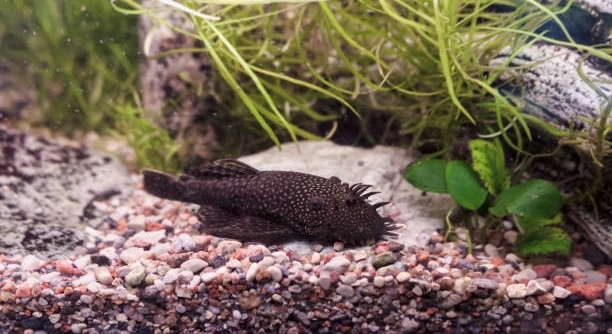
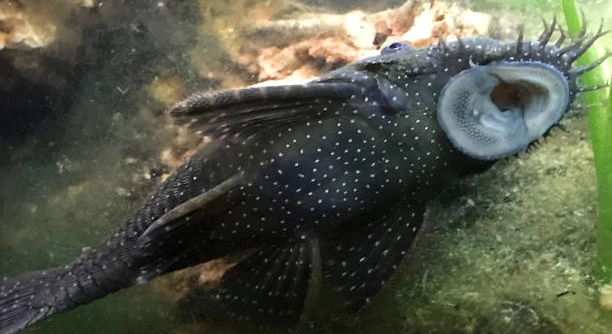
Are your plecos constantly nibbling on the filter in your aquarium? Many fish owners notice this behavior and wonder why their usually calm pleco becomes so focused on chewing plastic or other equipment. Plecos often chew on filters because they are searching for algae, exploring their environment, or satisfying their natural instinct to rasp on … Read more

7 Bristlenose Behaviors That Are Often Misread

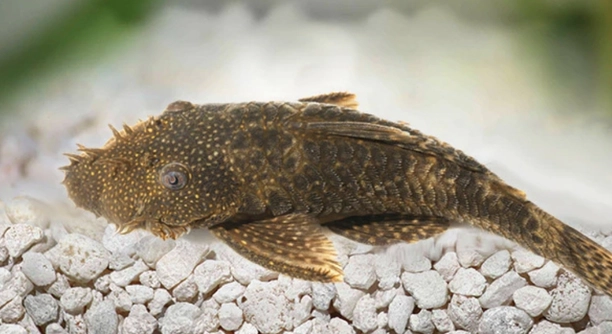
Bristlenose plecos are small, peaceful fish often kept in home aquariums. They have unique behaviors that can be confusing to new owners. Understanding their actions helps create a calm and healthy environment for these curious creatures. Many bristlenose behaviors are often misread due to human interpretation of their natural instincts. Actions such as rasping, hiding, … Read more

Can Plecos Learn a Feeding Schedule?

Have you ever noticed your pleco swimming to the same spot in the tank when it’s feeding time? Observing their behavior can be surprising, and many owners find it fascinating how attentive they can become over time. Plecos are capable of learning a feeding schedule through repetition and consistency. By providing food at the same … Read more

7 Signs You’re Overfeeding Your Bristlenose

Have you ever noticed your Bristlenose acting sluggish after feeding times? Many owners give extra food thinking it is helpful, but overfeeding can lead to hidden health and tank problems for these small, peaceful fish. Overfeeding Bristlenose plecos can cause digestive issues, water pollution, and stunted growth. Excess food leads to uneaten waste, which increases … Read more

Can Plecos Get Injured by Fast Currents?

Do you enjoy keeping aquariums but notice your plecos often swimming in areas with strong currents? Many aquarists overlook how water flow can affect fish, especially bottom-dwelling species like plecos, which rely on calmer waters. Plecos can be injured by fast currents because their bodies are not built for sustained swimming in strong flows. Prolonged … Read more

7 Clever Hiding Spots to Add for Plecos

Are your aquarium decorations feeling a bit plain and uninviting for your plecos? Many aquarists overlook the importance of hiding spots, yet these additions can greatly improve the comfort and behavior of your fish. Providing clever hiding spots for plecos is essential for their wellbeing. Incorporating caves, driftwood, and dense plant clusters creates secure spaces … Read more

7 Ways to Encourage Pleco Foraging

Do you ever notice your pleco barely touches the food in its tank despite regular feeding? Watching them ignore the algae wafers can feel discouraging, especially when you want them to stay healthy and active. Encouraging pleco foraging requires creating a stimulating and varied environment, offering diverse food types, and maintaining optimal water conditions. Regularly … Read more

7 Things Plecos Might Do Before Breeding

Have you ever noticed your plecos behaving differently in their tank and wondered what signals they give before breeding? Their subtle movements and habits can be fascinating and reveal important clues about their reproductive behavior. Plecos exhibit a variety of behaviors before breeding, including increased territoriality, searching for caves, cleaning surfaces, displaying brighter colors, showing … Read more

Why Is Your Pleco Resting During the Day?

Do you ever notice your pleco resting quietly during the day while your aquarium is active? These peaceful fish often take long naps, leaving owners unsure if something is wrong or if it is completely normal behavior. Plecos are naturally nocturnal, meaning they are most active at night and prefer resting during daylight hours. This … Read more