
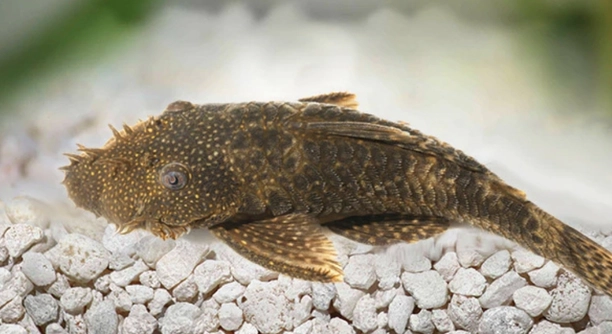
Do you enjoy keeping aquariums but notice your plecos often swimming in areas with strong currents? Many aquarists overlook how water flow can affect fish, especially bottom-dwelling species like plecos, which rely on calmer waters.
Plecos can be injured by fast currents because their bodies are not built for sustained swimming in strong flows. Prolonged exposure can lead to stress, fin damage, and exhaustion, making it crucial to provide areas with gentle water movement.
Understanding how currents affect plecos will help you create a safer, more comfortable environment for them. Proper tank setup ensures their health and reduces the risk of injury.
How Fast Currents Affect Plecos
Fast currents can be dangerous for plecos, as their bodies are adapted to cling to surfaces rather than swim against strong water flow. In strong currents, plecos often struggle to maintain their position, which can lead to physical stress and fatigue. Their fins, especially the delicate dorsal and pectoral fins, are at risk of tearing when they constantly brush against tank decorations or substrate while trying to stabilize themselves. Prolonged exposure to rapid water movement can also interfere with feeding, as plecos may not have the energy to reach their food or scrape algae effectively. Stress from strong currents can weaken their immune system, making them more prone to disease and infections. Providing calm areas with gentle flow allows plecos to rest and move freely without exhausting themselves, improving their overall health and well-being in the aquarium environment.
Strong currents can also trigger behavioral changes in plecos, making them hide more frequently.
Ensuring a balanced water flow involves adjusting filtration and tank layout. Strategically placing rocks, driftwood, or plants can create natural refuges where plecos can escape strong currents. Observing how your plecos interact with the flow helps determine if adjustments are needed. In addition, some pleco species are more tolerant of moderate currents, so research on your specific type is essential. By understanding their needs, you can prevent injuries and stress, providing a stable environment for feeding, resting, and normal activity. Proper water flow management not only protects plecos physically but also contributes to their mental well-being, allowing them to thrive in captivity and display natural behaviors.
Signs Your Pleco is Struggling
If you notice your pleco constantly hiding or clinging tightly to surfaces, it may be struggling with fast currents.
Other signs include torn fins, lethargy, or reduced feeding behavior. Plecos may avoid open areas and spend more time under decorations or behind plants. Excessive swimming against the current can also cause visible stress marks on their bodies. Monitoring these indicators early allows you to adjust the tank setup before injuries worsen. Even minor changes, like repositioning the filter or adding barriers, can significantly improve their comfort and health. Identifying and responding to these signs is essential for maintaining a safe and supportive environment.
Some plecos may tolerate faster currents temporarily, but prolonged exposure increases risk. Species like common plecos, bristlenose, and rubber lip plecos each respond differently to water movement. While some can handle moderate flow, most bottom-dwelling types prefer calm or gently flowing areas. Observing individual behavior helps determine the best placement for hiding spots and feeding zones. Regular checks of fins, body condition, and activity levels are crucial. Adjusting filter output or creating slow-flow zones allows plecos to swim naturally without exhaustion. Proper tank arrangement, including driftwood and rocks, provides stability and rest areas. Understanding their tolerance to flow ensures fewer injuries and a more comfortable habitat. Maintaining consistent conditions supports both physical health and natural behaviors, enhancing their overall life in the aquarium.
Preventing Injuries from Fast Currents
Adjusting filter output and creating gentle flow zones reduces strain on plecos. Using rocks, driftwood, and plants strategically provides resting areas.
Plecos rely on stable surfaces to anchor themselves. Fast currents can tire them quickly, leading to fin damage and stress. Adding hiding spots or adjusting water flow allows them to rest while maintaining natural behaviors. Observing how your plecos respond ensures adjustments are effective. Some species tolerate moderate flow, but most prefer calm areas. Small changes in tank layout can prevent injury and improve overall health, keeping plecos active and feeding properly.
Regular monitoring of behavior and fins is key. Plecos showing constant struggling or frayed fins may need immediate tank adjustments. Ensuring multiple calm zones allows all plecos to access safe areas regardless of tank size. Placement of decor can break strong currents into manageable paths. This not only prevents injury but reduces stress-induced illness. Maintaining consistent water parameters also helps plecos recover from occasional exposure. Small, careful modifications create a safer environment, supporting both health and natural activity patterns over time.
Choosing the Right Tank Setup
Tank size and layout impact water flow significantly. Larger tanks with proper decor reduce fast currents.
Placing filters carefully prevents strong water surges in pleco zones. Using driftwood, caves, and rocks creates protected areas while allowing moderate movement elsewhere. Proper substrate also helps plecos stabilize. Positioning plants near flow-heavy spots can slow water naturally, giving plecos resting places without disrupting circulation. Observing plecos’ preferred areas helps refine decor placement for maximum comfort and safety.
High-quality filtration that allows adjustable output is essential. Many aquarists underestimate how strong pumps can create continuous stress. Creating multiple low-flow zones ensures plecos have access to calm water at all times. Dense decorations or floating plants can diffuse water currents, preventing plecos from being forced into dangerous areas. Species-specific needs must be considered, as some plecos can tolerate moderate flow while others need very gentle currents. Regular observation and slight modifications prevent injuries and stress, maintaining a healthy and comfortable habitat. Designing the tank thoughtfully reduces physical strain and encourages natural behaviors consistently.
Adjusting Water Flow
Reducing strong currents prevents exhaustion and fin damage. Filters with adjustable output let you control flow effectively.
Adding plants, rocks, and driftwood slows water naturally. These provide plecos calm zones to rest while still allowing moderate movement elsewhere in the tank.
Monitoring Pleco Health
Regularly check fins, body condition, and activity. Torn fins, lethargy, or hiding indicate stress from strong currents. Observing feeding habits helps identify subtle signs of discomfort. Early detection allows immediate adjustments to tank setup, preventing further injury. Consistent monitoring ensures plecos stay healthy, comfortable, and active.
Species-Specific Flow Needs
Different pleco species have varying tolerance for water movement. Some handle moderate currents, while others need very calm areas. Understanding your pleco’s requirements ensures proper placement in the tank and reduces risk of injury or stress.
FAQ
Can plecos survive in fast currents for short periods?
Plecos can tolerate brief exposure to faster currents, but constant strong flow is harmful. Short periods may cause temporary fatigue but are less likely to cause lasting injury. It is important to provide calm areas where plecos can rest after swimming in stronger flow zones.
How do I know if my pleco is stressed by water movement?
Signs of stress include hiding more than usual, reduced appetite, frayed fins, or lethargy. Some plecos may cling to surfaces or hover near tank decorations instead of exploring. Regular observation allows you to detect subtle changes in behavior and adjust water flow accordingly.
Are all pleco species sensitive to fast currents?
No, tolerance varies by species. Common plecos and bristlenose plecos can handle moderate currents, while smaller or more delicate species need gentle flow. Researching the specific pleco type helps determine the safest water conditions and reduces the risk of injury.
Can adjusting filter output prevent injuries?
Yes, filters with adjustable flow are useful for creating calm zones. Reducing output in areas where plecos rest prevents stress and fin damage. Combining flow adjustments with strategically placed decor allows plecos to navigate the tank without overexertion.
What tank decorations help plecos cope with strong currents?
Driftwood, rocks, caves, and dense plants break water flow and create low-flow areas. Floating plants can diffuse currents while providing shaded hiding spots. Proper placement ensures plecos have multiple resting areas throughout the tank, reducing exhaustion and promoting natural behavior.
How often should I check my pleco for injuries?
Daily or at least several times a week. Monitoring fins, body condition, and activity helps identify early signs of stress or damage. Prompt adjustments to flow or decor prevent worsening injuries and maintain pleco health.
Is it harmful if plecos avoid open areas?
Not necessarily. Avoidance can indicate they are protecting themselves from strong currents. Ensuring calm zones and hiding spots allows plecos to feel secure while still being able to feed and explore.
Can plecos recover from minor fin tears caused by currents?
Yes, with proper care. Reducing water flow, providing hiding spots, and maintaining stable water parameters help fins heal. Avoid aggressive tankmates that might worsen injuries. Recovery time varies depending on the severity of the damage and the overall health of the pleco.
Do water parameters affect how plecos handle currents?
Absolutely. Stable temperature, pH, and oxygen levels reduce overall stress, making plecos more resilient. Fast currents combined with poor water conditions increase fatigue and the likelihood of injury, so maintaining proper parameters is essential.
Should I rearrange the tank if my pleco is struggling?
Yes. Adjusting filter output and moving decorations can create safer areas. Observing plecos’ preferred spots and flow tolerance ensures effective changes. Small, gradual modifications are better than drastic rearrangements, which can stress plecos further.
Can multiple plecos tolerate the same flow conditions?
It depends on species and size. Some plecos may compete for calm areas, so ensure multiple low-flow zones. Providing sufficient hiding spots prevents stress and allows each pleco to rest safely without constant exposure to strong currents.
Are young plecos more vulnerable to fast currents?
Yes, juveniles are weaker swimmers and more prone to exhaustion. They need additional low-flow areas and hiding spots until they grow stronger and more capable of handling moderate currents. Careful observation is especially important for young plecos.
How can I safely test water flow for plecos?
Observe how plecos move and rest in different tank areas. If they struggle to stay in one place, reduce flow or add obstacles to create calm zones. Flow tests should be gradual to avoid stressing plecos suddenly.
Do plecos behave differently in aquariums with uneven currents?
Yes. They tend to stay in calmer areas and may avoid open regions entirely. Uneven currents allow them to choose where to rest, feed, and move safely without constant exertion.
What long-term effects can fast currents have on plecos?
Continuous exposure can lead to chronic stress, fin erosion, fatigue, and increased susceptibility to disease. Proper tank design and careful observation prevent these issues, supporting a healthier and more active life for plecos.
This FAQ addresses the main concerns about plecos and fast currents, providing practical solutions and observations to keep them safe, healthy, and comfortable in the aquarium environment.
Final Thoughts
Plecos are fascinating fish that add both beauty and function to aquariums. Their unique behavior and bottom-dwelling nature make them especially sensitive to their environment. One of the most important aspects of their care is managing water flow. Fast currents can be stressful and even harmful, so creating areas with calm or moderate water movement is essential. Plecos rely on surfaces such as rocks, driftwood, and plants to anchor themselves, and without proper resting spots, they can quickly become exhausted. Ensuring the tank has multiple hiding areas and low-flow zones helps plecos maintain natural behaviors while staying safe from injury. Small changes in filter output or tank layout can make a significant difference in their health and comfort.
Observing pleco behavior is a critical part of maintaining a healthy aquarium. Watching how your pleco swims, rests, and feeds provides valuable insight into whether the tank conditions are appropriate. Signs of stress, such as frayed fins, excessive hiding, or reduced feeding, indicate that water flow may be too strong or the tank lacks sufficient calm zones. Each pleco species has different tolerance levels for current, so understanding the specific needs of your fish is important. Adjustments should be made gradually, whether that means repositioning decorations, adding driftwood or rocks, or reducing filter output. By carefully monitoring your pleco’s responses and making small, thoughtful changes, you can prevent injuries and help them thrive. Maintaining a stable and safe environment is not only about physical health but also about promoting natural behaviors and reducing stress over time.
Ultimately, creating a pleco-friendly aquarium requires attention to detail and consistency. Proper tank design, including adequate hiding spots, calm areas, and careful management of water flow, can prevent many issues caused by strong currents. Plecos that have access to safe zones are more likely to feed regularly, remain active, and recover quickly from minor injuries. Regular checks on water parameters, combined with observation of behavior, help ensure a long and healthy life for these fish. While fast currents may seem harmless, their effects accumulate over time, so taking proactive measures is key. A well-planned setup allows plecos to exhibit natural behaviors safely, reduces stress, and supports overall health. By prioritizing calm areas and monitoring responses, aquarists can provide a comfortable, stable environment that meets the unique needs of plecos, allowing them to thrive and display their natural beauty in any aquarium.

Hello,
If you enjoy the content that we create, please consider saying a "Thank You!" by leaving a tip.
Every little bit helps us continue crafting quality advice that supports the health, happiness, and well-being of pets around the world, for pets of all shapes, sizes, and species.
We really appreciate the kindness and support that you show us!