
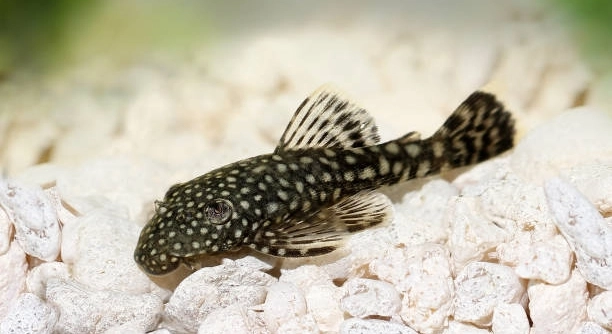
Have you ever noticed your pleco swimming to the same spot in the tank when it’s feeding time? Observing their behavior can be surprising, and many owners find it fascinating how attentive they can become over time.
Plecos are capable of learning a feeding schedule through repetition and consistency. By providing food at the same time each day, these fish can develop anticipatory behavior and adjust their activity patterns to match feeding routines.
Maintaining a consistent schedule can improve your pleco’s health and make feeding times more predictable for both you and your fish.
How Plecos Recognize Feeding Times
Plecos rely heavily on routine and environmental cues to recognize when it is time to eat. Over time, they can associate certain signals, like lights turning on or specific tank movements, with feeding. Many owners notice their plecos swimming toward the food area just before feeding time, demonstrating that these fish can learn patterns. Consistency in feeding not only helps them anticipate food but can also reduce stress, as unpredictable schedules can make them more anxious. Observing your pleco’s behavior closely can reveal subtle signs of anticipation, such as increased activity near the tank bottom or brushing against surfaces. Repetition is key. The more regular the schedule, the stronger the association becomes. Along with time cues, plecos may recognize the type of food being offered, as their senses adapt to detect familiar scents and textures. This combination of cues and repetition makes it possible to create a predictable feeding routine that suits both the fish and the owner.
Consistency is essential, and keeping to the same schedule strengthens the pleco’s natural behaviors.
A predictable feeding routine benefits plecos beyond just anticipation. Regular feeding times can improve digestion and reduce waste accumulation in the tank. By knowing when food will appear, they spend less energy searching and more energy maintaining health. Owners also gain a more enjoyable experience, watching their pleco interact calmly, showing trust and recognition. Patterns in behavior, like increased movement or active grazing near the bottom, signal that the fish are adapting well. In the long term, scheduled feedings help maintain water quality because excess food is less likely to go uneaten. This method also supports growth, especially in younger plecos, as they receive proper nutrition consistently. Over time, these fish can demonstrate remarkable reliability in their responses, swimming toward feeding spots almost like clockwork. Observing this behavior strengthens the bond between owner and fish, making tank management easier and more predictable while supporting the pleco’s overall well-being.
Tips for Establishing a Feeding Schedule
Start by choosing a consistent time each day and stick to it.
Begin gradually by feeding your pleco at the same time each day. Initially, it may take a week or two for the fish to show clear anticipation, but patience is crucial. Avoid changing feeding times frequently, as this can confuse them and disrupt the learning process. Use visual or environmental cues, such as turning on a specific light or lightly tapping near the tank, to signal feeding. Offering the same type of food during each session can also help reinforce the routine. Monitor your pleco’s reactions, noting subtle signs of anticipation like swimming to the food area or increased activity near the tank bottom. Adjusting portion sizes to match the fish’s needs prevents overfeeding and maintains water quality. Over time, these small but consistent steps can teach your pleco to follow a predictable feeding schedule, creating a calmer, healthier tank environment. The key is patience, consistency, and careful observation.
Common Challenges When Training Plecos
Plecos may ignore scheduled feedings if they are stressed or unsettled. Changes in water conditions, tank decorations, or lighting can distract them. Overcrowding can also make them hesitant to approach food. Some plecos are naturally shy, taking longer to adjust to routines.
Stress and fear can make plecos unpredictable during feeding times. Sudden changes in temperature or pH levels can disrupt their learning process. Even consistent feeding schedules may be ignored if the tank environment feels unsafe. Providing hiding spots and maintaining a stable environment helps them feel secure and more willing to respond to cues. Gradual introductions to new food types are also important, as sudden changes can discourage regular feeding behavior and slow progress.
Another challenge comes from overfeeding or inconsistent portions. If plecos receive food at varying times or in excess, they may lose interest in following a schedule. Uneaten food can further confuse them, as they may graze at random instead of anticipating mealtime. Observing their eating habits and adjusting quantities ensures they stay motivated. Patience and consistency remain essential, as some fish take longer than others to develop a strong routine, but careful monitoring can overcome these obstacles and establish predictable feeding behavior.
Environmental Factors Affecting Feeding Patterns
Tank size, decorations, and water quality influence plecos’ feeding behavior. Cluttered tanks or poor water conditions can make them hesitant to eat at expected times.
Water quality is crucial for plecos to follow a feeding schedule. High nitrate or ammonia levels can stress fish, making them less active and less likely to approach food. Even small changes, like moving rocks or plants, can alter their behavior and delay adaptation to a routine. Maintaining clean water and monitoring temperature and pH levels helps support regular feeding habits. Observing how plecos interact with their environment provides insight into adjustments needed to create a calm, predictable space.
Light cycles also play a role. Plecos often respond to consistent day and night patterns, with feeding times tied to light cues. Sudden changes in brightness or prolonged darkness can confuse them, reducing anticipatory behavior. Adjusting lighting gradually while keeping feeding times consistent encourages regular activity. Decorations that provide hiding spaces reduce stress, allowing plecos to focus on feeding rather than evading perceived threats. By controlling these environmental factors, owners can create conditions that make scheduled feeding more reliable, promoting overall health and predictable behavior.
Choosing the Right Food
Plecos respond best to a consistent diet. Providing the same type of food at scheduled times helps them recognize patterns. Algae wafers, fresh vegetables, and occasional protein supplements are ideal for reinforcing a routine.
Avoid sudden changes in diet, as this can confuse your pleco. Stick to familiar foods while gradually introducing new options.
Timing and Frequency of Feedings
Feeding once or twice a day is usually sufficient, depending on the size and species of your pleco. Smaller species may require more frequent feedings, while larger ones do well with a single daily meal. Keeping a steady routine ensures they remain healthy and active.
Observing Behavioral Cues
Plecos show clear signs when they expect food. They may swim toward the bottom, hover near hiding spots, or brush against surfaces in anticipation. Recognizing these cues helps maintain a feeding schedule and indicates when adjustments might be needed.
Adjusting to New Routines
Introduce changes slowly to avoid stressing your pleco. Gradual shifts in feeding times or food types help them adapt without disrupting their learned behaviors.
FAQ
How quickly can plecos learn a feeding schedule?
Plecos can begin showing recognition of feeding times within a few days, but developing a consistent routine often takes one to two weeks. Regular feeding at the same time each day, combined with a consistent environment, reinforces their learning. Patience and observation are key.
What if my pleco ignores scheduled feedings?
Ignoring feedings can happen if your pleco feels stressed, the water quality is poor, or the environment has changed. Check temperature, pH, and tank layout. Ensure hiding spots are available and avoid sudden disturbances. Gradually reintroduce the feeding schedule to help them adjust.
Can different types of food affect learning?
Yes. Plecos respond better to familiar foods, like algae wafers and vegetables. Introducing too many new items at once can confuse them. Consistent food choices help strengthen the association between routine and mealtime, making learning faster and more reliable.
How does tank size impact feeding behavior?
Smaller tanks can make plecos more active and responsive, while larger tanks require more effort to notice cues. Decorations and hiding places also influence their willingness to approach food. Ensure the tank allows both exploration and safe areas to reduce stress during feeding.
Is it necessary to use visual or sound cues?
While not strictly required, visual cues like turning on a light or gently tapping near the tank can speed up learning. Plecos can associate these signals with feeding, helping reinforce the schedule, especially in tanks with multiple fish or complex layouts.
How often should I feed my pleco?
Most plecos do well with one or two feedings per day. Smaller species may need more frequent, smaller meals. Consistency is more important than quantity, so feeding at the same time daily supports anticipation and proper digestion. Adjust portions to prevent overfeeding.
Can plecos learn a new feeding schedule if I change it?
Yes, but changes should be gradual. Sudden shifts can confuse or stress them. Adjust feeding times slowly over several days, allowing the pleco to adapt. Maintaining food type and environment consistency helps them accept new routines more quickly.
What signs show my pleco has learned the schedule?
Indicators include swimming toward the food area before feeding, increased activity near hiding spots, and brushing against surfaces in anticipation. Predictable behavior at specific times shows they recognize and expect feeding, confirming successful learning.
Does age affect how well plecos learn feeding routines?
Younger plecos tend to adapt more quickly, but adult fish are also capable of learning with consistent repetition. Older plecos may take longer to show anticipation but can still benefit from a steady schedule, improving both behavior and overall health.
Can multiple plecos share the same feeding schedule?
Yes, but competition may affect learning. Observe interactions and adjust portions to ensure all fish get enough food. Providing multiple feeding spots or staggering portions can help reduce stress and encourage consistent responses from each pleco.
What role does water quality play in learning?
Clean, stable water is essential. Poor conditions can stress plecos, reduce appetite, and interfere with routine recognition. Regular water changes, stable temperature, and proper filtration support both health and the ability to follow a feeding schedule.
Should I track feeding behavior?
Tracking helps identify patterns and spot issues. Noting when plecos show anticipation, how much they eat, and any changes in behavior allows for adjustments to schedules or environment. Consistent monitoring strengthens routine effectiveness and improves long-term health.
Can plecos anticipate weekends or irregular schedules?
They respond to regular daily patterns rather than specific days. Irregular schedules can confuse them, so sticking to a consistent time each day is better. Maintaining routine helps them anticipate meals reliably, even if the owner’s availability varies.
Are there risks to overfeeding when teaching a schedule?
Overfeeding can harm water quality and fish health. Plecos may graze constantly if food is excessive, reducing motivation to learn timing. Offer measured portions and remove uneaten food to keep the schedule effective and the tank clean.
Do plecos need different schedules in community tanks?
Community tanks may require adjustments. Observe interactions and feeding responses, as shy or slower fish might miss meals. Providing multiple feeding locations and maintaining consistency ensures all fish benefit from the schedule without stress.
How do I maintain the schedule long-term?
Consistency, observation, and environmental stability are key. Stick to the same feeding times, monitor water quality, and watch behavioral cues. Gradual changes in food or routine are acceptable, but sudden shifts should be avoided to preserve learned patterns and overall well-being.
Can plecos anticipate feeding even without food present?
Yes. Once a routine is established, plecos may show anticipatory behavior, like swimming to feeding areas or increased activity, even if food is delayed. This indicates they have internalized the schedule and respond to learned cues.
Does the type of tank light affect learning?
Light cycles help signal feeding times. Plecos respond better when feeding coincides with consistent day and night patterns. Sudden changes in lighting can disrupt their routine, while gradual, predictable patterns support recognition and anticipation.
Is it possible for a pleco to forget a schedule?
If feeding becomes irregular or the environment changes drastically, plecos may lose learned patterns. Reintroducing consistency with measured food, stable water conditions, and gradual reinforcement helps them relearn the routine efficiently.
How can I encourage plecos to learn faster?
Use consistency, visual cues, and familiar food. Keep the environment calm and stable, avoid sudden changes, and provide appropriate portions. Patience and careful observation allow plecos to form predictable habits more quickly, ensuring a healthier, calmer fish.
What should I do if multiple plecos compete for food?
Provide multiple feeding spots or distribute portions evenly. Observe behavior to prevent dominant fish from taking all food. Gradually teaching each fish to respond to cues individually can reduce stress and improve the overall feeding routine in the tank.
How do I know if the schedule is working?
Indicators include regular anticipation, consistent eating, and minimal stress. Fish should show activity near feeding times, approach food confidently, and maintain healthy weight. Any major deviations may require adjustments to portions, timing, or environment.
Can feeding schedules affect pleco health?
Yes. Regular, consistent feeding supports digestion, growth, and stress reduction. Proper schedules help maintain water quality by reducing leftover food and prevent irregular grazing habits, contributing to long-term health and predictable behavior.
Are some pleco species easier to train than others?
Yes. Some species, like common plecos, adapt quickly, while shy or nocturnal types may take longer. Adjusting routines, environment, and observation techniques based on species traits helps all plecos learn effectively.
Can plecos learn multiple feeding cues?
Plecos can associate more than one cue with feeding, such as light changes and food appearance. Using consistent, repeated signals strengthens learning, but too many cues at once can confuse them. Simple, steady cues work best.
How long should each feeding session last?
Feed until all food is consumed within 10–15 minutes. Prolonged sessions can lead to overeating, water pollution, and decreased response to scheduled cues. Short, consistent feeding times encourage routine recognition and proper digestion.
Do plecos remember feeding schedules after a break?
They can, but longer breaks may require a few days to readjust. Reintroduce the routine gradually, maintaining food type and timing to reinforce learned behavior and reestablish anticipation.
Is it better to feed at the same time every day?
Yes. Fixed daily times create predictable patterns, reducing stress and improving learning. Minor variations are acceptable, but keeping the schedule consistent supports anticipation, regular activity, and overall health.
How does tank temperature affect feeding patterns?
Plecos are more active at optimal temperatures. Cold or fluctuating water can reduce appetite and responsiveness, making feeding routines less effective. Maintaining stable, appropriate temperature encourages predictable behavior and consistent feeding responses.
Can plecos learn feeding schedules if there are other fish in the tank?
Yes, but competition and tank dynamics can influence learning. Observing interactions, using multiple feeding spots, and keeping portions appropriate ensures all fish can follow the routine without stress or food deprivation.
How important is patience in teaching schedules?
Extremely important. Plecos may take days or weeks to adjust. Consistency, observation, and avoiding sudden changes help them learn effectively, ensuring a calm, healthy, and predictable feeding routine over time.
What are signs the feeding schedule is too strict?
Stress, reduced appetite, and unusual behavior indicate the routine may be too rigid. Allow small flexibility, ensure adequate portions, and maintain environmental comfort to prevent negative effects while keeping the schedule effective.
How can I adjust feeding times for nocturnal plecos?
Align feedings with their active periods, often evening or night. Using consistent cues during these hours helps nocturnal species anticipate food without disrupting their natural behaviors, maintaining health and routine adherence.
Do plecos show excitement when food is near?
Yes. Increased movement, hovering near surfaces, and brushing against decorations signal anticipation. Recognizing these behaviors confirms they are learning the schedule and responding to repeated cues.
Can plecos share feeding schedules with other tank inhabitants?
Yes, but adjustments may be needed to prevent stress or competition. Separate feeding spots or staggered portions help ensure all fish respond appropriately while maintaining overall routine consistency.
Is feeding schedule learning permanent?
It can be long-lasting if consistency is maintained. Disruptions, environmental changes, or irregular feedings can weaken learned behavior. Reinforcement with stable cues and routine supports long-term recognition and anticipation.
How do I prevent plecos from overeating during scheduled feedings?
Offer measured portions and remove uneaten food promptly. Monitoring eating habits ensures they stay healthy and reinforces the schedule, preventing grazing or irregular feeding behavior.
Can visual cues replace food for learning?
Partially. Visual cues can trigger anticipation, but consistent feeding is necessary to maintain motivation. Combining signals with actual food strengthens learning and ensures plecos respond reliably.
Do plecos prefer food at certain tank locations?
Yes. They often gravitate to familiar spots, like bottom corners or near hiding places. Keeping food placement consistent reinforces routine and reduces stress, making anticipation more reliable.
Can plecos learn if I feed on weekends only?
Limited feeding disrupts pattern recognition. Daily consistency is best. Plecos rely on repeated, predictable cues rather than specific days, so irregular schedules reduce the effectiveness of learning.
What are the benefits of a learned feeding schedule?
Predictable routines reduce stress, improve digestion, encourage healthy activity, and support water quality. Fish become calmer and more interactive, while owners gain easier, more manageable feeding practices that enhance tank management and overall fish well-being.
How do I troubleshoot a pleco that refuses to follow a schedule?
Check water quality, tank layout, food type, and portion sizes. Reduce stressors and maintain consistency. Gradually reintroduce feeding times while observing behavioral cues, adjusting as needed to encourage learning and routine recognition.
Are live plants helpful in teaching feeding schedules?
Yes. Plants provide hiding spots and reduce stress, allowing plecos to focus on feeding cues. Stable environments with consistent decor help reinforce patterns and improve the learning process.
Does tank noise affect learning?
Excessive noise or vibrations can distract plecos, making them hesitant to approach food. Calm, stable conditions improve focus on cues and strengthen adherence to the feeding schedule.
Can plecos unlearn a feeding schedule?
Yes. Irregular feeding, environmental changes, or stress can weaken learned behavior. Reintroducing consistency, measured portions, and stable cues helps them relearn the routine efficiently.
Is it okay to vary food type occasionally?
Yes, but gradually. Abrupt changes can confuse plecos. Introducing new food slowly while maintaining schedule consistency ensures they continue responding to cues without disruption.
Do plecos ever show preference for feeding time?
Many adjust naturally to consistent daily routines. Some may be more active during specific periods, like early evening. Observing their behavior helps tailor schedules for optimal anticipation and health.
How can I reinforce feeding behavior if plecos forget?
Return to strict timing, familiar food, and consistent cues. Patience and gradual reinforcement allow plecos to regain recognition, reestablishing a reliable feeding schedule and predictable behavior.
Can multiple feeding cues be used at once?
Yes, but keep it simple. Too many cues may confuse plecos. Gradually combining visual or environmental signals with food appearances reinforces learning without overwhelming them.
How long does it take for new plecos to adapt?
It varies. Some adapt in a few days, others take weeks. Consistency, calm environment, and measured feedings help new plecos learn schedules while reducing stress and encouraging routine behavior.
Do plecos respond differently to commercial versus natural foods?
Yes. Many prefer familiar commercial foods like algae wafers, but some respond well to vegetables or protein. Consistent offerings strengthen routine recognition, while abrupt changes may reduce anticipation and feeding response.
How important is observation in teaching schedules?
Crucial. Watching cues, activity, and interactions allows timely adjustments to portions, environment, and timing, ensuring plecos learn effectively and maintain predictable, healthy behaviors.
Can environmental enrichment affect learning?
Yes. Proper hiding spots, decorations, and moderate complexity reduce stress, improve focus on feeding cues, and support consistent routine learning, enhancing overall well-being.
Do plecos react differently to solitary feeding?
Some adapt better when fed alone, especially shy species. Reducing competition ensures they associate cues with food consistently, improving learning and reducing stress in community tanks.
Is it necessary to adjust schedules seasonally?
Only if water temperature or activity patterns change. Maintaining consistent timing is preferred, but slight adjustments may help match natural behavior without disrupting routine.
Can plecos learn feeding routines from other fish?
Yes, observation can help. Fish may follow others’ activity patterns, reinforcing anticipation. Still, direct cues and consistency remain primary factors for reliable learning.
How to prevent feeding aggression in a learned schedule?
Provide multiple feeding spots, adequate portions, and separate shy or smaller fish if needed. Consistent cues and calm environment reduce competition and ensure predictable routine adherence.
Do plecos ever ignore the schedule deliberately?
Not deliberately. Ignoring feedings usually reflects stress, environmental changes, or overfeeding. Addressing these factors restores attention to routine.
Can plecos learn a feeding schedule without visual cues?
Yes, through repetition and environmental consistency. However, visual or gentle environmental signals can speed up learning and make routine recognition stronger.
How do I know the schedule suits my pleco?
Signs include consistent anticipation, healthy appetite, active movement at feeding times, and stable weight. Adjust timing, food type, or portion sizes if these behaviors change.
Does age impact feeding pattern consistency?
Younger plecos adapt faster, but adults can also learn schedules. Older fish may take longer to show clear anticipation, but regular repetition and stable conditions support long-term learning.
Can multiple plecos learn different schedules?
Yes, but careful observation and individualized feeding areas help reduce stress and ensure each fish maintains routine without interference from tank mates.
How does diet variety influence learning?
Consistent diet helps establish cues, while gradual introduction of new foods prevents confusion. Balance familiarity with occasional variety to maintain interest without disrupting routine.
Is it okay to feed treats outside the schedule?
Occasional treats are fine, but frequent deviations can confuse plecos. Limit unscheduled feedings to maintain predictable behavior and reinforce learned cues effectively.
Can stress reset learned feeding behavior?
Yes. Environmental changes, poor water quality, or tank disturbances can disrupt learning. Returning to stable conditions and consistent feedings helps plecos regain routine recognition.
How do I teach nocturnal plecos a schedule?
Feed during their active periods, often evening or night. Consistency, visual cues, and calm environment help them learn without altering natural behavior patterns.
Do plecos recognize feeding patterns over months?
Yes, with stable routines. Regular, consistent feedings, combined with environmental stability, allow plecos to maintain anticipation and predictable responses over long periods.
How much flexibility is allowed in a feeding schedule?
Minor shifts of 15–30 minutes are acceptable, but large variations may confuse plecos. Maintaining consistency supports learning and reduces stress, keeping routines effective.
Can feeding schedules prevent tank aggression?
Indirectly. Predictable routines reduce stress and competition by ensuring fish know when and where food will appear, supporting calmer interactions during feeding times.
Are there signs a schedule is too rigid?
Yes. Signs include stress behaviors, reduced appetite, or unusual activity. Slight adjustments and careful observation can balance consistency with the fish’s natural behavior.
Can plecos relearn a disrupted schedule?
Yes. Reestablishing consistent timing, familiar foods, and cues allows them to regain recognition and anticipate feedings, restoring predictable behavior.
How do I introduce multiple cues effectively?
Use one or two cues initially, like light and food type. Gradually combine them to reinforce learning without causing confusion, ensuring plecos respond reliably.
Do plecos prefer predictable or varied schedules?
They respond best to predictable routines. Consistency reduces stress, improves feeding response, and strengthens learned behaviors over time.
Is it necessary to monitor portion size daily?
Yes. Proper portions prevent overeating, maintain water quality, and support reliable routine recognition, making feeding schedules effective and healthy.
How does tank enrichment influence feeding learning?
Hiding spots and safe areas reduce stress, allowing plecos to focus on cues. Enriched environments support consistent behavior and predictable anticipation.
Can plecos learn to eat from my hand?
Some can, especially with calm, patient interaction. Consistency and gentle cues help them associate your presence with feeding, reinforcing the schedule.
How do I manage feeding multiple pleco species?
Observe interactions, adjust portions, and provide multiple spots. Species differences in behavior or activity times may require small adjustments while keeping overall routine consistent.
Can plecos learn to anticipate feeding during tank maintenance?
They may associate certain cues, like lights or sounds, with food if consistently paired. Avoid creating stress, and reinforce learning with actual feeding to maintain positive anticipation.
Does diet affect how quickly plecos learn?
Yes. Familiar, preferred foods strengthen cues and learning. Abrupt changes may slow recognition, while consistent offerings encourage faster adaptation to schedules.
Can plecos anticipate feeding if the tank layout changes?
Significant changes can confuse them. Gradual adjustments and maintaining feeding cues help them adapt without losing the learned routine.
Do plecos recognize human feeding patterns?
Yes. Over time, they may associate your presence with food, showing anticipatory behavior when you approach the tank, reinforcing the feeding schedule.
Are visual or sound cues more effective?
Visual cues often work better, especially consistent light patterns or gentle movements. Sound cues can help but may be less reliable for all species.
Can feeding schedules reduce pleco stress?
Yes. Predictable routines provide
Plecos are more adaptable than many people think. They can learn to recognize feeding times if the schedule is consistent and the environment is stable. Repetition is key. Offering food at the same time each day allows them to anticipate meals and adjust their activity around those times. Many owners notice their plecos swimming to the food area or becoming more active just before feeding. These behaviors show that the fish are learning and responding to cues. Observing these small changes can be rewarding and help owners understand the personality and habits of their pleco. While it may take some time, most plecos are capable of forming predictable routines if given consistent opportunities.
Consistency is not just about timing. The type of food, the amount offered, and the environment all play a role in whether a pleco can successfully follow a feeding schedule. Using familiar foods such as algae wafers or vegetables helps them recognize what to expect. Keeping water quality stable and avoiding sudden changes in tank decor or lighting reduces stress, allowing the fish to focus on learning the routine. Even small cues, like turning on a tank light at feeding time or tapping lightly near the food area, can help reinforce the association between these signals and mealtime. By paying attention to these details, owners can create an environment that supports learning and encourages predictable behavior. Over time, these efforts help improve not only feeding behavior but also overall well-being.
It is important to remember that patience is essential. Some plecos may adjust quickly, while others may take weeks to show consistent recognition of feeding times. Shy or nocturnal species may require more careful observation and a gradual introduction to the routine. Monitoring their behavior and adjusting portions, timing, or environmental factors can help overcome challenges and maintain a healthy schedule. The benefits of a learned feeding routine go beyond predictability. Regular feeding supports digestion, reduces stress, helps maintain water quality, and encourages natural activity patterns. By investing time and attention in establishing a consistent feeding schedule, owners can enjoy a calmer, healthier, and more responsive pleco. This approach not only makes caring for the fish easier but also strengthens the bond between the owner and their pet, creating a stable and satisfying aquarium environment for everyone involved.

Hello,
If you enjoy the content that we create, please consider saying a "Thank You!" by leaving a tip.
Every little bit helps us continue crafting quality advice that supports the health, happiness, and well-being of pets around the world, for pets of all shapes, sizes, and species.
We really appreciate the kindness and support that you show us!