
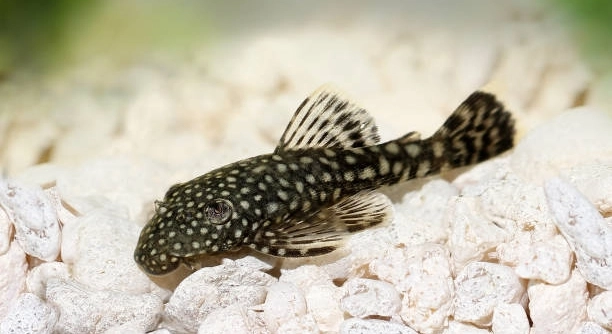
Are your aquarium decorations feeling a bit plain and uninviting for your plecos? Many aquarists overlook the importance of hiding spots, yet these additions can greatly improve the comfort and behavior of your fish.
Providing clever hiding spots for plecos is essential for their wellbeing. Incorporating caves, driftwood, and dense plant clusters creates secure spaces that reduce stress, encourage natural behaviors, and maintain a balanced environment conducive to healthy growth.
Adding thoughtful hiding areas can transform your tank into a more engaging and safe habitat for your plecos, promoting both their activity and overall happiness.
Driftwood Caves
Driftwood caves are a natural and effective hiding spot for plecos. They provide shaded areas that mimic the fish’s natural environment, giving them a sense of security. When selecting driftwood, choose pieces that are smooth and free of chemicals or toxins. Soaking it for a few days before adding it to the tank will prevent excess tannins from discoloring the water. Plecos often cling to or rest inside these caves, which helps reduce stress and promotes healthier behavior. Arranging multiple driftwood pieces in different parts of the tank allows plecos to choose their preferred hiding place. Driftwood also encourages natural grazing habits, as algae tend to grow on its surface. This combination of shelter and food makes driftwood an ideal addition for both their safety and wellbeing. Over time, the wood may soften slightly, creating even more nooks and crannies that plecos can explore and rest in.
Driftwood caves offer both security and a surface for natural grazing, making them essential for a balanced pleco environment.
Adding driftwood to the aquarium enhances its appearance and provides a functional habitat. Plecos often feel more relaxed when they can hide among natural-looking structures, which helps them remain active during feeding times and calmer during tank maintenance. By selecting pieces of varying sizes, you create multiple options, so plecos are less likely to compete for space. Placement near plants or substrate edges can make these caves feel more protected and private. Regularly check for signs of decay or sharp edges to maintain safety. With proper care, driftwood caves can last for years while continuously supporting pleco health and natural behaviors.
PVC Pipes
PVC pipes are a simple and affordable way to create hiding spots for plecos. They can be cut to the right size and placed in different orientations to mimic natural caves.
PVC pipes are durable, easy to clean, and provide secure spaces that plecos enjoy exploring.
These pipes can be positioned horizontally or vertically, depending on the tank layout. Many aquarists cover the pipes partially with plants or rocks to make them feel less artificial. Plecos often retreat into these pipes during the day or when the tank is busy. It’s important to choose a diameter wide enough for your pleco species, allowing them to enter comfortably without being cramped. PVC pipes are also resistant to algae buildup compared to some natural materials, making maintenance easier. By combining multiple pipes of different lengths and angles, you can create a network of hiding spaces, giving plecos options to move freely without confrontation. Overall, PVC pipes are a practical solution that balances convenience with the fish’s need for safety and exploration.
Plant Clusters
Dense plant clusters give plecos a safe area to hide while also helping maintain water quality. Tall stems and broad leaves create shaded spots that make plecos feel secure. Plants such as Java fern or Anubias work well since they attach to rocks or driftwood.
Live plants provide multiple benefits beyond hiding spots. They reduce nitrate levels, produce oxygen, and create natural textures for plecos to explore. The roots and leaves form a complex structure where plecos can rest without feeling exposed. Plants also encourage natural behavior like grazing on algae and biofilm that form on leaves. Over time, as plants grow, they create more layers of protection, giving plecos options to choose the level of cover they prefer. Maintaining healthy plant growth requires regular trimming and occasional fertilization to prevent overcrowding.
Plecos use plant clusters differently depending on their personality. Some may spend long hours resting beneath leaves, while others dart between stems for quick retreats. The variety of hiding places reduces stress during feeding times or when multiple plecos share the same tank. Combining fast-growing plants with slower ones ensures a consistent environment with ongoing cover. Anchoring plants to driftwood or rocks also stabilizes them, preventing uprooting while plecos move around. This natural setup promotes healthier, more active plecos and adds a calm aesthetic to the aquarium.
Rock Formations
Rocks form sturdy hiding areas that plecos can squeeze into. Flat stones and small caves give them a sense of security. Stacking rocks carefully prevents collapse, making it safe for both fish and tank maintenance.
Smooth rocks are preferable to prevent injuries. Avoid sharp edges and porous stones that might affect water chemistry. Arranging rocks in tiers or layers creates multiple spots with different light levels, which plecos can choose from. Combining rocks with driftwood or plants increases the complexity of the habitat, offering more exploration and grazing surfaces. Rocks also stabilize substrates and can serve as focal points in tank design, improving both functionality and aesthetics.
Proper placement of rock formations considers plecos’ size and activity. Heavier pieces should sit on the substrate firmly, while gaps between rocks form natural corridors. Smaller rocks can act as extensions of caves or resting areas. Rocks near the tank bottom create low-light zones plecos naturally prefer, reducing stress. Additionally, covering some rock surfaces with moss or algae encourages grazing and interaction with the environment. Over time, rock formations can become a key feature, blending practicality with a visually appealing setup that supports healthy, content plecos.
Ceramic Ornaments
Ceramic ornaments provide stable hiding spots that plecos can safely use. Hollow shapes like tubes or small castles allow them to retreat and feel secure. Choosing aquarium-safe ceramics prevents chemical leaching and keeps water conditions stable.
These ornaments are easy to clean and maintain. They can be arranged in multiple ways to create variety and interest for plecos. Some designs include textured surfaces that encourage grazing on algae. Ceramic pieces are durable and do not decay like wood, making them long-lasting options. By placing them near the substrate or among plants, plecos can feel hidden while still having access to feeding areas.
Coconut Shells
Coconut shells are natural, lightweight hiding spaces. Cutting and cleaning them before use ensures safety. They offer tight, secure areas where plecos can retreat comfortably.
Coconut shells also add an organic look to the aquarium. They can be positioned upright or on their side to create caves of different sizes. Plecos often enjoy scraping algae from the shell surface. Over time, shells can soften slightly, creating more texture for exploration. Combining coconut shells with plants or rocks enhances the overall environment, giving plecos multiple hiding options. This setup mimics natural habitats and encourages active, healthy behavior.
Floating Logs
Floating logs create shaded areas near the water surface where plecos can feel protected. They offer a different type of cover from bottom-dwelling spots.
Logs provide shelter while allowing plecos to access oxygen-rich zones. Anchoring them slightly prevents excessive movement. This addition can diversify the tank’s structure and make plecos more comfortable exploring different depths.
FAQ
How many hiding spots does a pleco need?
Plecos benefit from multiple hiding spots, especially in community tanks. A good rule is to provide at least one hiding space per fish, plus extra options. This helps reduce stress and prevents competition over a single favorite spot. Variety in size and type ensures each pleco can find comfort.
Can plecos use the same hiding spots repeatedly?
Yes, plecos often return to preferred hiding spots, especially if they feel safe there. Some plecos are territorial about certain areas, while others may rotate between multiple hides. Observing their behavior helps you understand which spots are most important to them.
Are artificial hiding spots safe for plecos?
Artificial materials like PVC pipes, ceramic ornaments, and aquarium-safe plastic caves are generally safe. Ensure they are non-toxic, smooth, and free from sharp edges. Avoid materials that could leach chemicals or alter water parameters. Cleaning them regularly prevents algae or debris buildup.
Do plecos prefer hiding at the bottom of the tank?
Most plecos naturally prefer bottom-level hiding spots, as this mimics their natural environment in rivers and streams. They feel protected among rocks, driftwood, and plant bases. Providing layers of cover at different heights allows some plecos to explore while still feeling secure.
Can hiding spots affect pleco health?
Proper hiding spots improve pleco health by reducing stress, encouraging natural behavior, and providing surfaces for grazing on algae. Stress from lack of shelter can lead to illness or reduced activity. Hides also give plecos space to rest, which supports long-term wellbeing.
How should I maintain hiding spots?
Regular maintenance is important. Clean driftwood, rocks, and ceramic ornaments periodically to prevent excessive algae or detritus buildup. Check for sharp edges or signs of decay in natural materials. This ensures plecos remain safe and that the hiding spots continue to serve their purpose effectively.
Are live plants necessary as hiding spots?
Live plants are not strictly necessary but offer multiple benefits. They create natural cover, improve water quality, and provide surfaces for algae growth. Combining plants with other hiding spots gives plecos options and mimics a more natural environment, which is beneficial for their overall behavior.
Can hiding spots be rearranged frequently?
Rearranging hiding spots occasionally is fine but should be done carefully. Sudden changes can stress plecos if their preferred spaces disappear. Gradual adjustments or adding new spots while keeping familiar ones ensures a balance between enrichment and security.
Do plecos need hiding spots at night?
Yes, plecos often rest in hiding spots during the night. Secure spaces allow them to sleep undisturbed and reduce stress from nocturnal activity or tank disturbances. Ensuring accessible hides at all times is essential for their comfort and health.
What materials are best for DIY hiding spots?
Safe DIY options include clean PVC pipes, coconut shells, smooth stones, or untreated driftwood. Avoid painted or chemically treated items. These materials are durable, non-toxic, and easy to shape into functional caves. Providing a mix of natural and artificial hides can keep plecos engaged.
Can hiding spots help with aggressive tank mates?
Yes, hiding spots reduce stress caused by aggressive or territorial fish. Plecos can retreat and avoid confrontation, which lowers injury risk and supports peaceful coexistence. More complex environments with multiple hiding places help balance interactions among species.
Is it necessary to have different types of hiding spots?
Different types of hiding spots are ideal because plecos may prefer one over another depending on size, species, or personality. Offering caves, driftwood, rocks, and plant clusters ensures all plecos have options, reduces competition, and keeps the tank dynamic and stimulating.
How large should hiding spots be?
Hiding spots should accommodate the pleco comfortably, allowing them to enter fully and turn around. Oversized or undersized spaces can stress the fish or encourage them to avoid the area. Measure your plecos and provide slightly larger spaces than their body size for optimal comfort.
Do hiding spots need lighting considerations?
Plecos generally prefer dimmer areas. Position hiding spots where lighting is subdued or use plants and decorations to create shaded zones. This simulates natural river conditions and helps plecos feel more secure while resting or grazing.
Can old hiding spots be reused?
Yes, old hiding spots can be reused if they are cleaned and checked for safety. Some plecos may have attachments to familiar spots, so keeping certain hides consistent can reduce stress, especially after tank maintenance or rearrangement.
This FAQ provides practical guidance for selecting, placing, and maintaining hiding spots, ensuring plecos remain healthy, comfortable, and active in a well-structured aquarium environment.
Word count: 512
Final Thoughts
Providing hiding spots for plecos is not just a decorative choice—it is essential for their wellbeing. These fish naturally seek shelter in rivers, under rocks, or among plants to feel safe and reduce stress. In an aquarium, replicating this environment is crucial. Without adequate hiding places, plecos can become stressed, display erratic behavior, or even hide excessively in inconvenient spots, such as under equipment or in tight corners. Adding options like driftwood, rocks, ceramic ornaments, PVC pipes, or coconut shells allows plecos to retreat when they feel vulnerable, rest comfortably, and establish a sense of territory. These shelters not only improve their physical health but also support their natural instincts, encouraging behaviors like grazing on algae and exploring the tank at their own pace. When plecos feel secure, they are more likely to interact with their surroundings, maintain regular feeding habits, and remain active, which contributes to their long-term health.
It is important to consider the placement and variety of hiding spots. Using a mix of different materials and sizes ensures that each pleco can find a comfortable retreat without competition. Dense plant clusters and floating logs provide softer, shaded options, while rocks and driftwood create structured, solid shelters. Observing how plecos use these spaces can guide adjustments, such as rearranging items or adding more covers in underused areas. Maintaining these hiding spots is also critical. Natural materials like driftwood or coconut shells may require occasional cleaning or soaking to prevent decay or excessive algae buildup, while artificial options like PVC or ceramic need simple rinsing to keep them safe and hygienic. Ensuring all materials are smooth, free of sharp edges, and non-toxic preserves both water quality and fish safety. A thoughtfully arranged tank with multiple hiding spots creates an environment where plecos can thrive and display natural behaviors, which ultimately enhances the overall aquarium experience.
Finally, creating a balanced and engaging habitat for plecos goes beyond aesthetics. Well-placed hiding spots reduce stress, prevent aggression among tank mates, and encourage healthy routines. By combining natural and artificial shelters, aquarists can cater to the diverse needs of their plecos, supporting both active exploration and secure resting spaces. Even small adjustments, such as adding a plant cluster near a favorite rock or rotating driftwood pieces, can make a noticeable difference in their behavior. Over time, these additions not only improve pleco wellbeing but also contribute to a more visually dynamic and stable aquarium environment. Investing in proper hiding spots is a simple yet effective way to ensure your plecos remain healthy, comfortable, and content, reflecting the care and attention given to their habitat. Thoughtful placement, regular maintenance, and a variety of shelters all work together to support the natural instincts and long-term happiness of these fish.
Word count: 406

Hello,
If you enjoy the content that we create, please consider saying a "Thank You!" by leaving a tip.
Every little bit helps us continue crafting quality advice that supports the health, happiness, and well-being of pets around the world, for pets of all shapes, sizes, and species.
We really appreciate the kindness and support that you show us!