
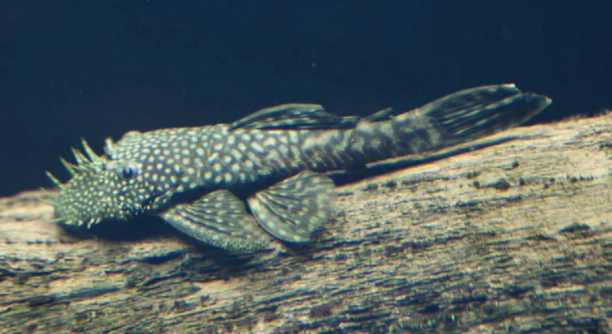
Have you ever noticed your plecos behaving differently in their tank and wondered what signals they give before breeding? Their subtle movements and habits can be fascinating and reveal important clues about their reproductive behavior.
Plecos exhibit a variety of behaviors before breeding, including increased territoriality, searching for caves, cleaning surfaces, displaying brighter colors, showing heightened activity, interacting with potential mates, and occasionally guarding specific areas within the tank.
Observing these behaviors carefully can help you better understand your plecos and create the ideal environment for successful breeding.
Increased Territorial Behavior
Before breeding, plecos often become more territorial, especially around caves or hiding spots. They may chase other tankmates away or spend more time patrolling their chosen area. This behavior is a natural instinct to protect a potential nesting site. You might notice them flaring their fins, bumping objects, or making small charges toward other fish. Territoriality helps ensure that their eggs will have a safe place to develop, reducing stress and potential threats from other fish. Some plecos even dig slightly into the substrate to mark their territory or make a space more suitable for laying eggs. Observing these signs can be quite interesting, as they show how plecos communicate and prioritize breeding needs. Understanding territorial behavior can also help you manage tank space, ensuring that plecos feel secure while reducing conflicts. Watching them claim and defend their area gives a clear signal that breeding activity may be imminent.
Territorial behavior in plecos signals readiness to breed, often involving chasing other fish, flaring fins, and guarding potential nesting sites.
Recognizing these actions early allows you to adjust tank arrangements, add hiding spots, and reduce stress for all fish. This ensures plecos have the best environment for mating and protecting eggs.
Cave Searching and Nesting
Plecos start exploring potential caves or hiding places before breeding. They may inspect multiple spots, rubbing their bodies against surfaces and checking for safety.
Plecos actively seek out caves or crevices to lay eggs, often spending more time in these locations than usual. Selecting the right spot is crucial for reproductive success.
Observing your pleco exploring caves can help you understand its preferences and needs. Providing suitable hiding spots with smooth surfaces and secure enclosures encourages natural breeding behavior. Some plecos prefer darker, narrower spaces, while others may use larger caves. Regular observation allows you to notice repeated visits to a particular spot, which usually indicates the chosen nesting area. Adding soft substrate or gentle lighting in the cave can make it more inviting and reduce stress. Ensuring the environment feels safe supports their natural instincts and increases the likelihood of successful egg-laying. Adjusting the tank based on their behavior shows attentiveness to their needs and helps maintain harmony in the aquarium.
Increased Activity Levels
Plecos often swim more frequently and move around the tank with purpose before breeding. This heightened activity is a sign that they are preparing for mating and checking their environment.
The increase in movement can include circling the tank, inspecting decorations, and patrolling their territory. You might notice them spending more time near caves or surfaces where eggs could be laid. This behavior is part of their natural reproductive rhythm. By observing these patterns, you can anticipate when they are ready to breed. Ensuring a calm environment with minimal stressors supports this activity. Some plecos may even chase tankmates occasionally as part of asserting their dominance, but it usually decreases once a nesting site is established. Providing ample space and hiding spots allows them to move freely while reducing tension. Monitoring their activity levels gives valuable insight into breeding readiness.
Heightened activity also helps strengthen their physical condition. Swimming more prepares them for the energy demands of breeding, such as guarding eggs and interacting with mates. A well-maintained tank with clean water encourages consistent activity and overall health.
Cleaning Behavior
Plecos may clean surfaces, caves, or the substrate before breeding to prepare a safe environment for eggs. This is a natural instinct to reduce risk of contamination.
They often scrape algae and debris off surfaces, making nesting areas smooth and hygienic. Cleaning is essential for successful reproduction, as eggs are vulnerable to fungus or bacteria.
Observing plecos cleaning surfaces shows how meticulous they can be when preparing for breeding. Some may focus on cave entrances, rubbing their bodies to remove particles and polish the area. Others may tidy nearby rocks or wood to create a comfortable space. This behavior not only protects eggs but also signals readiness to a mate. Encouraging this instinct involves keeping water quality high and offering suitable surfaces for cleaning. Providing caves with smooth interiors allows plecos to perform their natural cleaning behaviors effectively. Their careful preparation highlights the importance of a stress-free environment for breeding.
Color Changes
Plecos sometimes display brighter or more intense colors before breeding. These changes help signal readiness to a potential mate.
The color shift can appear on the fins, body, or head, and may fade once breeding is complete. It’s a natural part of their reproductive behavior.
Interaction with Potential Mates
Plecos engage more with other fish they consider potential mates, often swimming alongside them or performing gentle nudges. These interactions are usually subtle, including circling or rubbing lightly against each other. This behavior helps establish pair bonds and indicates that breeding may occur soon. Observing these interactions can guide adjustments in the tank, like ensuring adequate space and reducing stressors, which allows them to continue natural bonding. Providing hiding spots and calm conditions encourages positive interactions. Over time, repeated displays of this behavior typically lead to the selection of a primary mate, preparing them for egg-laying and protection of the nesting site.
Guarding Areas
Plecos may remain near caves or specific tank spots, monitoring for intruders or disturbances. This behavior ensures a safe environment for eggs.
FAQ
How can I tell if my pleco is ready to breed?
You can tell by observing changes in behavior and appearance. Increased territoriality, heightened activity, cleaning surfaces, inspecting caves, and interacting with potential mates are strong indicators. Color changes, especially brightening of fins or body, also signal readiness. Tracking these behaviors consistently helps you understand their reproductive cycle.
Do plecos need special tank conditions to breed?
Yes, stable water conditions are essential. Maintaining clean water with consistent temperature, proper filtration, and appropriate pH levels supports breeding. Providing caves or crevices for egg-laying and enough space for territorial behavior ensures plecos feel secure. Minimal stress from tankmates helps encourage natural breeding activity.
How long does pleco breeding behavior usually last?
Breeding behavior can span several days or even weeks. Plecos may show signs like cleaning, guarding, and increased activity well before egg-laying. Once a nesting site is selected, males may guard it continuously while the female prepares to lay eggs. Post-spawning, parental care may continue for days.
What type of caves or hiding spots should I provide?
Smooth-surfaced caves with narrow entrances are preferred. These reduce stress and mimic natural habitats. Some plecos favor darker or smaller caves, while others choose larger, open spaces. Providing multiple options allows them to select the best nesting site for their comfort and breeding success.
Can plecos breed with other fish in the tank present?
It depends on tank dynamics. Territorial plecos may tolerate other fish if there’s enough space and hiding spots, but aggressive interactions can occur. Separating them into a breeding-specific tank or ensuring adequate shelter reduces conflicts and increases the likelihood of successful reproduction.
Do all pleco species show the same breeding behaviors?
Most common behaviors, like guarding, cleaning, and exploring caves, are consistent across species. However, intensity and specific preferences may vary. For example, some species are more secretive or prefer particular substrates, while others are more social. Observing your specific pleco species helps tailor care for successful breeding.
How do I encourage my pleco to spawn?
Creating a stable, stress-free environment is key. Maintain clean water, provide caves and hiding spots, and ensure compatible tankmates. Feeding high-quality, protein-rich foods can stimulate reproductive behavior. Observing and adjusting the tank based on their actions encourages natural mating and increases chances of egg-laying.
What signs indicate eggs have been laid?
Once eggs are laid, males typically guard the site closely. Eggs are usually attached to cave walls or flat surfaces. You may notice reduced activity in other areas of the tank and consistent presence of the male near the nesting spot. Eggs often have a translucent appearance and are closely tended.
Do plecos require special care after breeding?
Yes, post-spawning care focuses on protection and water quality. Males often guard eggs and fry, so minimizing disturbances is important. Monitoring water parameters and removing aggressive tankmates ensures survival. Feeding appropriately sized food for fry supports healthy growth once the eggs hatch.
How can I tell if my pleco eggs are healthy?
Healthy eggs appear translucent or slightly yellow and remain attached firmly to surfaces. Unfertilized or fungus-infected eggs may turn opaque, white, or develop fuzzy growth. Maintaining clean water, proper temperature, and gentle air circulation helps prevent fungal growth and supports healthy development.
What should I do if my plecos are not breeding?
If breeding isn’t occurring, review tank conditions. Check water quality, temperature, available caves, and tankmate interactions. Ensure plecos are mature and well-fed. Observing behaviors like cleaning, cave searching, and territorial displays helps identify readiness. Making small adjustments can often trigger breeding activity naturally.
Can I move the eggs to another tank?
It is possible but should be done carefully. Removing eggs may disturb the male’s guarding behavior. If you transfer eggs, replicate water conditions and provide similar surfaces to prevent damage. Many breeders prefer leaving eggs with the male to maximize survival rates.
How long does it take for pleco eggs to hatch?
Hatching time depends on species and temperature, usually between 5 and 10 days. Warmer, stable water accelerates development, while cooler temperatures slow it down. During this period, males often continue guarding, fanning the eggs to ensure proper oxygenation and prevent fungus.
Do plecos eat their own eggs?
Some plecos may eat eggs if stressed, disturbed, or if water quality is poor. Ensuring a calm environment and proper tank setup reduces this risk. Providing enough hiding spaces and minimizing tankmate interference increases the chances of eggs surviving until hatching.
Can I breed plecos in a community tank?
Breeding in a community tank is challenging due to potential aggression and egg predation. Providing multiple caves, ample space, and monitoring interactions may work, but a dedicated breeding tank usually yields better success. Observing natural behaviors helps you decide whether a separate setup is necessary.
How often do plecos breed?
Breeding frequency depends on species, age, and environmental conditions. Some plecos may spawn several times a year, while others have longer intervals. Maintaining optimal conditions and observing behavior patterns increases the likelihood of repeated breeding events.
Are there signs of stress that affect breeding?
Stress can prevent breeding and reduce egg survival. Signs include hiding excessively, erratic swimming, loss of appetite, or fin damage. Reducing tank disturbances, providing hiding spots, and maintaining stable water conditions help minimize stress and encourage natural reproductive behavior.
How should I feed plecos before breeding?
A varied, high-quality diet rich in protein encourages reproductive readiness. Foods like sinking pellets, fresh vegetables, and occasional live or frozen foods can stimulate energy and breeding behaviors. Proper nutrition supports egg production and overall health during this critical period.
What is the male’s role after eggs are laid?
Males guard the eggs, fanning them to provide oxygen and prevent fungus. They remain near the nest until the fry hatch and may continue protecting them for a few days. Minimizing disturbances and avoiding aggressive tankmates ensures the male can care for the eggs effectively.
How do I know when fry are ready to swim?
Fry usually become free-swimming a few days after hatching. They start exploring the tank gradually while still staying near protective surfaces. Providing finely crushed food or specialized fry diets supports growth. Observing their development ensures proper care and transition into juvenile stages.
What are common mistakes to avoid during breeding?
Disturbing the nesting area, poor water quality, incompatible tankmates, and insufficient hiding spots can reduce breeding success. Overfeeding or sudden changes in temperature may stress plecos. Careful observation, stable conditions, and patience are key to supporting healthy reproduction.
Can plecos breed without a mate in the tank?
No, plecos require a compatible mate for natural reproduction. Observing interactions between males and females helps identify readiness. Without a mate, breeding behaviors may still appear, such as cleaning or guarding, but no eggs will be produced.
How long should I wait before introducing a new pleco to a breeding tank?
It’s best to wait until eggs hatch or the male no longer guards the nest. Introducing new fish too soon can stress adults, trigger aggression, or result in egg predation. Gradual introductions and adequate hiding spots help maintain harmony.
Is water temperature crucial for breeding success?
Yes, stable water temperature within the species’ preferred range is critical. Too cold or too warm water can inhibit spawning. Slight increases may trigger breeding behaviors, but extreme fluctuations cause stress and reduce egg viability. Monitoring and maintaining proper temperature supports consistent reproductive activity.
How can I tell if my plecos are compatible for breeding?
Compatible plecos display mutual interest through gentle nudges, swimming together, and shared exploration of caves. Lack of aggression and repeated interactions indicate compatibility. Observing these signs helps identify potential pairs for successful reproduction.
What should I do if eggs develop fungus?
Remove affected eggs carefully and improve water quality. Adding gentle aeration and maintaining stable temperature reduces further fungal growth. Fungus can spread quickly, so prompt action protects remaining healthy eggs. Preventive care is more effective than treatment after the fact.
Do plecos need light changes to breed?
Natural or consistent lighting can influence behavior, but drastic changes are not necessary. Maintaining a regular day-night cycle helps regulate activity and supports reproductive patterns. Avoid sudden bright light directly on nesting sites to reduce stress.
How do I care for fry after hatching?
Feed finely crushed food or specialized fry diets multiple times daily. Maintain clean water with gentle filtration. Provide hiding spaces to prevent aggression from adults. Gradually increase tank space as they grow, monitoring for health and growth patterns to ensure proper development.
Can plecos breed in small tanks?
Small tanks limit space for territory, caves, and movement, reducing breeding success. While possible for some species, larger tanks with hiding spots and stable conditions increase likelihood of natural spawning and egg survival. Careful observation and tank management are critical.
Are there signs that a pleco pair will not breed?
Signs include aggression toward each other, lack of interest in caves, minimal interaction, or persistent hiding. Even healthy plecos may refuse to mate if conditions are unsuitable. Adjusting tank environment or pairing different individuals may be necessary for successful breeding.
How can I support the male during egg-guarding?
Minimize disturbances, avoid tankmates near the nest, maintain clean water, and ensure proper temperature. Providing calm conditions allows the male to focus on fanning and guarding eggs, increasing survival rates for the developing fry.
Do plecos need special water flow for breeding?
Moderate water flow is preferred. Strong currents can stress adults or dislodge eggs, while stagnant water may reduce oxygen levels. Gentle circulation helps maintain water quality and oxygenation for eggs and fry. Monitoring flow ensures safe conditions for all stages of reproduction.
How do I know if fry are healthy?
Healthy fry are active, free-swimming, and feed regularly. They display proper coloration and growth over time. Weak, inactive, or malformed fry indicate issues with water quality, diet, or parental care. Consistent monitoring ensures timely adjustments to promote survival and development.
Can plecos breed more than once in a season?
Yes, many species breed multiple times if conditions are favorable. After one cycle, providing proper nutrition, stable water, and suitable hiding spots can encourage repeated spawning. Observing behavior helps identify readiness for subsequent breeding attempts.
What are common signs of successful breeding?
Signs include males guarding eggs, females leaving nesting areas after laying, and free-swimming fry appearing several days later. Repeated cleaning, cave inspection, and protective behavior indicate a successful reproductive cycle. Consistent observation ensures proper care throughout the process.
How do I prevent other fish from eating eggs or fry?
Provide multiple hiding spots, consider tank dividers, and limit aggressive or opportunistic species. Some breeders move eggs or fry to a separate tank to ensure safety. Monitoring interactions reduces risk and increases survival rates for offspring.
Is there a best age for plecos to breed?
Maturity varies by species, but most plecos are ready between one and three years. Breeding too early may result in fewer eggs or lower survival rates. Observing size, health, and behavior helps determine optimal timing for reproduction.
Can I use supplements to encourage breeding?
Supplements like vitamins or high-quality protein foods can support health and stimulate reproductive behavior. They should complement a balanced diet and proper tank conditions. Over-reliance on supplements cannot replace stable environmental factors.
How do I handle multiple breeding pairs in one tank?
Ensure sufficient space, caves, and hiding spots. Monitor for aggression and territorial disputes. Separating pairs into dedicated tanks is often safer. Observing interactions and adjusting resources prevents stress and increases chances of successful breeding for all pairs.
What are the most common breeding mistakes?
Common mistakes include poor water quality, insufficient hiding spots, incompatible tankmates, abrupt environmental changes, and overhandling. Patience, careful observation, and maintaining optimal conditions are essential to prevent stress and ensure successful reproduction.
How long does it take for fry to grow into juveniles?
Growth rate depends on species, diet, and water quality. Most pleco fry develop into juveniles over several weeks, gradually increasing in size. Proper feeding, clean water, and low-stress conditions support healthy growth.
Do plecos require different care after multiple breeding cycles?
Repeated breeding can stress plecos. Ensuring proper nutrition, monitoring health, and maintaining optimal tank conditions helps sustain reproductive ability. Providing recovery time between cycles improves long-term health and breeding success.
Can environmental changes trigger breeding behavior?
Slight increases in temperature, improved water quality, or seasonal adjustments can stimulate reproductive activity. Consistency is key, as sudden drastic changes may cause stress rather than encourage breeding. Monitoring responses helps determine effective environmental cues.
How do I know if my pleco pair is compatible long-term?
Consistent peaceful interactions, shared interest in caves, mutual cleaning, and absence of aggression indicate compatibility. Long-term compatibility supports repeated breeding attempts and overall tank harmony. Observing behavior over weeks provides insight into pairing success.
Can stress affect egg viability?
Yes, stress reduces egg quality and survival. Factors like poor water conditions, aggressive tankmates, or frequent disturbances compromise reproduction. Minimizing stress ensures higher viability and healthier fry.
Do plecos require seasonal cues for breeding?
Some species respond to seasonal changes, like water temperature or rainfall patterns. Simulating these conditions in captivity, such as slight temperature variations, can encourage natural breeding behaviors. Observing responses helps fine-tune conditions for success.
Is it normal for a male to guard multiple nests?
Some males may guard more than one site if space allows, but this can be stressful. Ensuring adequate territory and hiding spots helps males manage nests effectively without compromising care for eggs or fry.
What are the signs that fry are thriving?
Active swimming, regular feeding, steady growth, and vibrant coloration indicate thriving fry. They interact cautiously with surroundings but explore progressively as they develop. Consistent observation ensures early detection of any issues affecting survival.
How often should I monitor the breeding tank?
Daily observation is recommended, focusing on adult behavior, water parameters, and nest condition. Minimal interference is best, allowing plecos to maintain natural guarding and cleaning behaviors while ensuring eggs and fry remain safe.
Can plecos breed without caves?
Some species may lay eggs on flat surfaces, but caves or crevices increase success and protection. Providing appropriate structures mimics natural environments and encourages breeding behaviors. Lack of suitable sites can reduce egg survival.
Do plecos require special water hardness for breeding?
Water hardness affects egg development in some species. Maintaining species-appropriate hardness ensures optimal conditions. Sudden changes can stress adults and reduce reproductive success. Testing and adjusting water helps maintain stability.
Are there signs that eggs will not hatch?
Eggs turning white, opaque, or developing fungus are likely non-viable. Removing affected eggs and maintaining clean, stable conditions improves survival for remaining healthy eggs. Prompt action prevents spread of fungal infections.
How do I support a pair after unsuccessful spawning?
Maintain calm, stable tank conditions, ensure proper nutrition, and monitor behavior. Allow recovery time before attempting another cycle. Adjusting environmental factors and providing adequate resources increases the likelihood of successful breeding in the future.
Can plecos breed in a tank with strong water currents?
Strong currents may dislodge eggs or stress adults. Moderate, gentle flow supports oxygenation without disrupting nests. Adjusting filter output or adding obstacles to reduce flow near caves helps protect eggs and supports breeding behavior.
How do I prevent aggression during breeding?
Provide ample space, multiple hiding spots, and observe territorial behaviors. Separating incompatible fish or using a dedicated breeding tank reduces conflicts. Ensuring calm conditions supports natural breeding without unnecessary stress.
What are signs of successful egg fertilization?
Fertilized eggs are translucent or slightly yellow and remain attached firmly. Males guard and fan them consistently. Unfertilized eggs turn opaque or develop fungus. Observing the nest provides insight into reproductive success and potential hatching outcomes.
Do plecos need to be well-fed to breed?
Proper nutrition is essential. High-quality, protein-rich foods support energy, reproductive readiness, and egg production. A balanced diet helps ensure healthy fry and sustained breeding behavior in adults.
Can temperature changes trigger egg-laying?
Slight increases in temperature often stimulate breeding behaviors. Sudden, extreme changes can cause stress instead. Monitoring and gradually adjusting temperature encourages natural reproductive cycles and improves success rates.
How do I know when fry are ready for tankmates?
Fry should be large enough to avoid predation and actively feed on standard food. Observing growth and behavior ensures they can safely join the main tank without risk from adult fish.
Is it normal for plecos to guard eggs for long periods?
Yes, males may guard eggs until hatching and a few days beyond. This behavior ensures survival and proper development, fanning eggs for oxygen and preventing fungal growth. Patience is important during this stage.
Can plecos breed in brackish water?
Most plecos prefer freshwater, but some species tolerate slightly brackish conditions. Researching your specific species’ requirements is important before attempting breeding in non-freshwater setups. Proper water parameters ensure health and reproductive success.
Do plecos need specific lighting to encourage breeding?
Regular, stable lighting supports natural activity cycles. Sudden changes may stress fish, while consistent day-night cycles help regulate behaviors associated with breeding. Avoid intense light directly on nests.
How often should I feed fry?
Fry require multiple small feedings daily. Finely crushed food or specialized fry diets support steady growth. Gradually increasing portions as they develop ensures proper nutrition without overfeeding or polluting the tank.
Can plecos breed without prior pair bonding?
Some species form temporary bonds during the breeding cycle. Observing interactions like cleaning, cave exploration, and gentle nudges helps identify readiness. Lack of initial bonding may delay or prevent spawning.
How do I know if a male is stressed while guarding?
Signs include erratic swimming, leaving the nest, or reduced fanning of eggs. Stress can compromise egg survival. Reducing disturbances, providing hiding spots, and maintaining stable water quality supports effective guarding behavior.
Is it normal for females to leave the nest after laying?
Yes, in many species, females deposit eggs and leave the male to guard. Males take on primary protection and fanning duties until fry hatch and become free-swimming.
Can plecos lay eggs on glass surfaces?
Some species will attach eggs to glass, rocks, or smooth surfaces. Providing multiple suitable locations encourages natural egg-laying behavior and increases the chances of successful spawning.
Do plecos need water changes before breeding?
Regular water changes maintain cleanliness and stability. Slightly warmer or fresher water can sometimes trigger reproductive behaviors. Clean, stable conditions reduce stress and promote natural breeding activity.
How do I prevent fungus on eggs?
Maintain clean water, stable temperature, and gentle aeration. Remove affected eggs promptly. Providing a healthy male to fan eggs also reduces
Breeding plecos can feel overwhelming at first, but observing their behaviors makes the process more understandable. They have distinct ways of preparing for reproduction, like cleaning surfaces, exploring caves, or showing changes in color. Each action serves a purpose, whether it’s guarding eggs, attracting a mate, or making the nesting area safe. Paying attention to these subtle cues allows you to anticipate their needs and make adjustments in the tank. Sometimes, the signs are very clear, like increased territorial behavior or interaction with a mate, and other times they can be quieter, like inspecting a new hiding spot. Watching these behaviors develop over time helps you understand your plecos better and supports their natural instincts. Providing a calm environment with proper hiding spots and stable water conditions encourages them to feel secure and ready to breed.
Understanding the importance of a suitable environment is essential for successful breeding. Plecos thrive when their tank mimics natural conditions, including the right caves, clean surfaces, and smooth substrates for egg-laying. Temperature and water quality are also key factors that influence their behavior. Consistent monitoring and small adjustments can make a big difference, as plecos are sensitive to sudden changes. Observing how they interact with their environment shows what works best for them. For example, a male guarding a chosen cave demonstrates that the space is acceptable, while repeated inspection of multiple spots indicates he is still selecting the safest area. Supporting these behaviors requires patience and careful attention, but the payoff is seeing a healthy breeding process unfold naturally.
Even with careful planning, breeding plecos can take time, and results may vary depending on the species and individual fish. Patience is important, as some plecos will take longer to show full breeding behaviors or may need repeated cycles before laying eggs. Stress-free conditions, adequate nutrition, and attention to water parameters all contribute to their readiness. Observing their daily habits, like cleaning, guarding, or subtle nudging between mates, helps track progress and identify when interventions are necessary. Providing the right conditions and avoiding unnecessary disturbances increases the chances of healthy eggs and successful fry. Understanding these behaviors not only improves breeding outcomes but also strengthens your overall knowledge of plecos and their needs in captivity, allowing for a more rewarding and balanced aquarium experience.

Hello,
If you enjoy the content that we create, please consider saying a "Thank You!" by leaving a tip.
Every little bit helps us continue crafting quality advice that supports the health, happiness, and well-being of pets around the world, for pets of all shapes, sizes, and species.
We really appreciate the kindness and support that you show us!