Do Plecos Need Hiding Spots to Feel Secure?
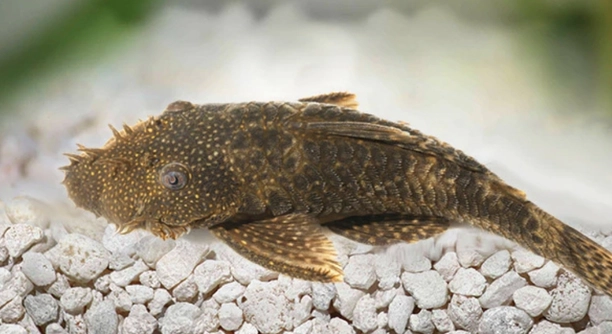
Do plecos are popular freshwater fish, known for their unique patterns and algae-eating habits. Many fishkeepers enjoy watching them glide across the tank, yet their need for comfort and security often goes unnoticed. Plecos benefit from hiding spots to feel secure, as these areas reduce stress and mimic their natural environment. Providing caves, driftwood, or … Read more
7 Feeding Mistakes That Cause Pleco Issues

Are your plecos showing signs of poor health despite your careful care? Many aquarists struggle with feeding mistakes that are easy to overlook. Small missteps in diet can lead to big problems in their overall well-being. Feeding mistakes in plecos often result from overfeeding, offering inappropriate foods, or failing to provide a balanced diet. Such … Read more

7 Things That Make Plecos Stop Exploring

Have you ever noticed your pleco hiding more than swimming around its tank? Many aquarists see their fish become less active, staying in one spot for hours instead of exploring freely. This can be worrying at first. Plecos often stop exploring due to factors such as inadequate tank size, poor water quality, lack of hiding … Read more

Do Plecos Really Need Driftwood to Survive?

Have you ever noticed plecos in your aquarium slowly gnawing on pieces of wood? These fascinating fish have unique habits and diets that make them stand out. Understanding their needs can help them live healthier, longer lives. Plecos do not strictly require driftwood to survive, but it provides important dietary fiber and supports digestive health. … Read more

Why Your Pleco Might Avoid Companionship

Are your plecos spending more time alone than you expected? Many owners assume these fish enjoy company, yet plecos are naturally solitary creatures. Their behavior often surprises aquarists who hope for a more social tank dynamic. Plecos may avoid companionship due to territorial instincts, stress from overcrowding, or incompatible tank mates. Their natural behavior favors … Read more

Why Is My Pleco Pressed to the Filter Intake?

Is your pleco constantly pressed against the filter intake in your aquarium? Many fish owners notice this behavior and feel concerned. Understanding why it happens can help you provide a healthier environment for your aquatic pets. The main reason plecos stick to the filter intake is related to oxygen flow and surface attraction. Strong water … Read more

Do Bristlenose Plecos React to Loud Noise?

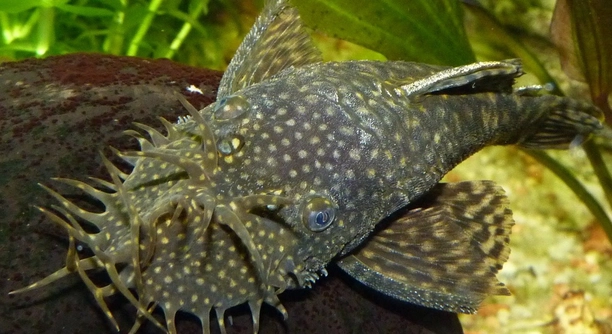
Do your Bristlenose Plecos seem calm one moment and startled the next when sounds suddenly fill the room? These popular aquarium fish have unique behaviors that sometimes catch owners off guard, especially when it comes to environmental changes. Observing them closely can reveal how sensitive they are to various stimuli, including sounds that might seem … Read more

7 Weird Pleco Habits That Are Totally Normal

Do you ever notice your pleco acting in ways that seem strange or even a little silly? Many of these behaviors can be confusing for new fish owners but are actually perfectly normal. Watching them can be oddly entertaining. Plecos display a variety of unusual behaviors that are completely natural. From clinging upside down on … Read more

7 Ways to Prepare Plecos for Breeding

Plecos are fascinating fish that many aquarium enthusiasts enjoy keeping. Preparing them for breeding requires careful attention to their environment, diet, and overall health. Proper preparation can help increase the chances of successful spawning in captivity. To prepare plecos for breeding, it is essential to create optimal water conditions, provide a varied and nutrient-rich diet, … Read more

7 Causes of Fin Damage in Bristlenose Plecos

Are your bristlenose plecos showing signs of fin damage, leaving their tails ragged or frayed? Fin issues are common in home aquariums and can stem from multiple environmental and behavioral factors affecting your fish’s health. Fin damage in bristlenose plecos typically arises from poor water quality, aggressive tank mates, nutritional deficiencies, infections, fin-nipping behaviors, stress, … Read more