
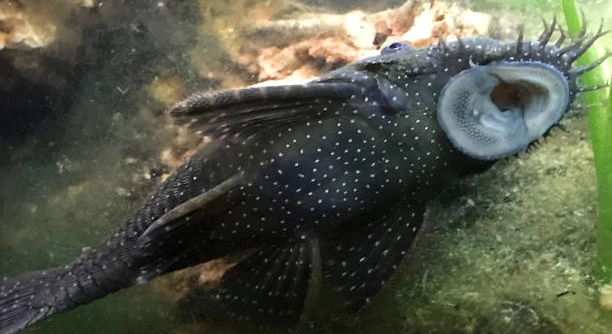
Are your plecos showing signs of poor health despite your careful care? Many aquarists struggle with feeding mistakes that are easy to overlook. Small missteps in diet can lead to big problems in their overall well-being.
Feeding mistakes in plecos often result from overfeeding, offering inappropriate foods, or failing to provide a balanced diet. Such errors can cause digestive issues, poor growth, and stress, ultimately compromising the health and longevity of these freshwater fish.
Understanding the common feeding pitfalls will help you correct these habits and ensure your plecos thrive in their aquatic environment. Proper diet management is key to their long-term health.
Overfeeding Your Pleco
Overfeeding plecos is a common mistake that can quickly affect their health. Even though they seem to eat constantly, giving them too much food can lead to obesity, digestive problems, and water quality issues. Excess uneaten food breaks down in the tank, producing harmful ammonia and nitrite spikes. Plecos require a controlled diet of vegetables, algae wafers, and occasional protein treats, but the key is moderation. Observing your fish’s eating habits helps prevent overfeeding, ensuring they consume what they need without leftover waste. A tank with multiple fish increases the risk of overfeeding since it’s easy to misjudge portions. Adjusting the feeding schedule according to your pleco’s size and activity level promotes healthy digestion. Over time, careful feeding encourages proper growth, reduces illness, and keeps the aquarium cleaner. Even small adjustments in portion size can have a significant impact on overall fish health and water conditions. Consistency in portion control is essential for thriving plecos.
Overfeeding can quickly lead to bloating and lethargy in plecos, affecting their natural behavior and health.
Monitoring your pleco’s daily intake and reducing excess food helps maintain a stable tank environment. Providing the right amount encourages natural grazing patterns while preventing digestive stress. Pairing vegetable matter with occasional protein treats in moderation ensures balanced nutrition. Adjust feeding based on water test results, tank population, and fish size to minimize uneaten food. Observing plecos after feeding allows you to track appetite changes that may indicate health issues. Correcting overfeeding early avoids long-term organ strain and digestive complications.
Feeding Inappropriate Foods
Many pleco owners mistakenly feed foods that are not suitable for their species. Some tropical fish foods lack the fiber plecos need, leading to digestive blockages. High-protein flakes or pellets intended for carnivorous fish may cause liver and kidney strain when fed regularly. Vegetables such as zucchini, cucumber, and spinach are safer staples, providing essential fiber and nutrients. Algae wafers help supplement their diet, but quantity and frequency matter. Avoid feeding processed human food, bread, or heavy starchy items, as these can cause bloating and long-term organ damage. Some fruits, though occasionally offered, may upset the stomach due to sugar content. Observing how plecos react to new foods helps identify digestive tolerance. Rotating safe vegetables and wafers ensures variety while maintaining health. By sticking to species-appropriate foods, plecos stay active, their growth remains steady, and their digestive system functions efficiently, reducing stress and susceptibility to disease.
Providing balanced, species-appropriate foods is essential for digestive health and growth.
Choosing the right foods for plecos is critical. Vegetables should be fresh, washed, and lightly blanched to soften them. Algae wafers supplement their grazing behavior, offering carbohydrates and fiber. High-protein diets should be limited, only for occasional supplementation. Avoid sugary or processed foods that upset digestion. Monitoring how quickly food is eaten and whether leftovers remain in the tank helps adjust feeding portions. Rotating different vegetables introduces variety without causing imbalance. Proper food preparation prevents contamination and water quality issues. Maintaining a consistent, suitable diet supports growth, coloration, and immune system strength. Avoid sudden changes, as plecos respond best to gradual dietary adjustments. Observing behavior and physical condition informs dietary improvements. Keeping a feeding log can track what works best, ensuring long-term health and vitality. With careful planning, plecos thrive while avoiding common diet-related problems.
Feeding Only Algae
Relying solely on algae in a pleco’s diet is a mistake. While plecos graze naturally on algae, it does not provide all essential nutrients. Lack of variety can cause malnutrition, slow growth, and weakened immune systems. A balanced diet is necessary for overall health.
Plecos require more than just algae to thrive. Supplementing with vegetables like zucchini, spinach, and cucumber ensures adequate fiber and vitamins. Algae wafers provide additional nutrients, but feeding them exclusively leaves gaps in nutrition. Occasional protein treats, such as bloodworms, support growth and vitality. Consistently offering a variety of foods helps maintain digestive health, strong immune function, and proper coloration. Observing your pleco’s response to different foods allows adjustments to meet dietary needs effectively.
A diet limited to algae may seem convenient but creates long-term problems. Plecos will appear sluggish, show stunted growth, or develop deformities over time. Combining fresh vegetables, algae wafers, and protein sources ensures proper nutrition. Balancing food types supports digestion and reduces risk of disease, while encouraging natural feeding behaviors. A thoughtful feeding plan keeps plecos active, healthy, and colorful, preventing the negative consequences of an incomplete diet.
Uneven Feeding Schedules
Inconsistent feeding schedules stress plecos and can affect their growth. Irregular meals lead to competition, overeating, or missed nutrition, particularly in tanks with multiple fish. Maintaining a steady routine promotes predictable feeding behavior and overall well-being.
Plecos benefit from a consistent feeding routine that aligns with their natural grazing habits. Feeding at the same times daily helps regulate metabolism and digestion. Skipping meals or varying schedules confuses fish, leading to excessive scavenging or aggression. Even small adjustments in timing can impact their energy levels and stress response. Observing how your pleco eats during these scheduled times ensures it receives adequate nutrition while avoiding leftover food buildup in the tank. Routine feeding also simplifies portion control, keeping water quality stable and fish healthy.
Establishing a proper feeding schedule reduces stress and ensures steady growth. Regular, timed meals encourage natural grazing and prevent digestive problems caused by irregular intake. In tanks with multiple plecos or other species, consistency helps reduce competition and keeps all fish properly nourished. Combining scheduled feeding with a balanced diet of vegetables, algae wafers, and occasional protein treats maximizes health benefits. Tracking feeding times and amounts helps maintain water quality and prevent overfeeding. Adhering to a routine strengthens plecos’ immune system, supports digestion, and keeps their energy levels stable, promoting longevity and vibrant coloration in the aquarium.
Feeding Too Much Protein
Excess protein can harm plecos, as their digestive systems are not built for heavy meat-based diets. Too many protein-rich foods can cause liver and kidney strain, bloating, and reduced lifespan. Balance is essential for long-term health.
High-protein foods should only be offered occasionally, not as the main diet. Bloodworms, shrimp, or fish flakes are fine in small amounts, but plecos thrive best on vegetables and algae. Overfeeding protein disrupts digestion and can lead to fatty deposits, making fish sluggish and prone to disease.
Ignoring Vegetables
Vegetables are critical for fiber intake, aiding digestion and nutrient absorption. Skipping them can cause digestive blockages and poor growth in plecos.
Feeding Large Portions
Providing oversized portions encourages overeating and waste accumulation. Plecos eat slowly, so large amounts are often left uneaten, decaying in the tank.
Sudden Diet Changes
Abrupt changes in diet can stress plecos, leading to digestive upset, refusal to eat, or loss of color. Gradual transitions help them adjust.
FAQ
What is the best diet for plecos?
A balanced diet for plecos includes a mix of vegetables, algae wafers, and occasional protein treats. Vegetables like zucchini, cucumber, spinach, and peas provide fiber and essential vitamins. Algae wafers supplement their grazing habits, and occasional protein, such as bloodworms or shrimp, supports growth. Avoid feeding only algae or high-protein foods. Consistency and moderation are key.
How often should I feed my pleco?
Plecos do best with a consistent feeding schedule. Small meals once or twice daily are ideal. Observing their grazing habits helps adjust portions to prevent overfeeding. Uneaten food should be removed promptly to maintain water quality. Feeding at the same times daily also reduces stress and promotes predictable behavior.
Can plecos eat human food?
Human food is generally unsafe for plecos. Items like bread, pasta, or sugary fruits can cause digestive issues and long-term organ damage. Only species-appropriate vegetables, algae wafers, and occasional protein treats should be fed. Prepared foods must be clean, unseasoned, and free from oils or preservatives.
How do I know if I am overfeeding my pleco?
Signs of overfeeding include bloating, lethargy, and leftover food in the tank. Water quality may also decline due to uneaten food decomposing. Observing your pleco after meals and tracking portion sizes helps prevent these issues. Adjusting feeding amounts based on size and activity level ensures healthy growth and proper digestion.
Are there vegetables plecos should avoid?
Some vegetables are too tough or starchy for plecos. Avoid raw potatoes, corn, or cabbage in large amounts. Stick to softer options like zucchini, spinach, cucumber, and peas. Lightly blanching vegetables can make them easier to digest. Observing how your pleco responds to new foods ensures dietary tolerance.
Is it okay to feed only algae wafers?
Feeding only algae wafers is not recommended. While convenient, wafers lack some essential nutrients and fiber provided by fresh vegetables. A mixed diet of algae wafers, vegetables, and occasional protein ensures proper growth, digestion, and immune support. Variety prevents nutrient deficiencies and supports long-term health.
How do I transition my pleco to new foods?
Introduce new foods gradually over a week or two. Start by offering small amounts alongside their regular diet. Observe how the pleco responds and adjust accordingly. Sudden changes can cause stress, digestive upset, or food refusal. Patience and consistency help them adapt successfully.
Can plecos survive without vegetables?
Vegetables are essential for plecos’ fiber intake and overall nutrition. A diet without vegetables can cause constipation, poor growth, and weakened immunity. Algae and protein alone are insufficient. Providing a variety of safe vegetables ensures digestive health and proper development.
What should I do if my pleco refuses food?
If a pleco refuses food, check water quality, temperature, and diet variety. Stress or illness may be the cause. Offering a variety of safe vegetables and algae wafers, adjusting feeding times, and observing behavior can help. Persistent refusal may require veterinary attention.
Can feeding mistakes affect tank conditions?
Yes, overfeeding or providing unsuitable foods can pollute the tank. Uneaten food decays, increasing ammonia and nitrite levels, which harms fish. Balanced feeding and prompt removal of leftovers maintain water quality, supporting both plecos and other tank inhabitants.
How do I know my pleco is getting enough nutrients?
Signs of proper nutrition include steady growth, bright coloration, active behavior, and regular grazing. Observing their appetite and digestion helps track their health. A balanced mix of vegetables, algae wafers, and occasional protein ensures all nutrient requirements are met.
Are frozen or dried foods safe for plecos?
Frozen or dried foods like bloodworms or shrimp can be fed occasionally. These supplements provide protein but should not replace vegetables or algae. Always rinse frozen foods before feeding to reduce contaminants, and avoid excessive protein to prevent digestive issues.
How can I prevent common feeding mistakes?
To avoid feeding mistakes, monitor portions, provide a varied diet, maintain a regular feeding schedule, and observe your pleco’s behavior. Removing uneaten food promptly and rotating vegetables and wafers ensures proper nutrition, digestion, and a healthy tank environment.
What happens if a pleco’s diet is poor for too long?
Long-term poor diet can lead to malnutrition, stunted growth, weakened immunity, digestive blockages, and organ strain. Fish may become lethargic, lose color, and become more prone to disease. Correcting diet issues early is critical to prevent permanent health problems.
How important is water quality in relation to feeding?
Water quality is directly affected by feeding habits. Excess food increases waste, raising ammonia and nitrite levels. Proper feeding reduces leftover food, supporting stable water conditions. Healthy water improves digestion, immunity, and overall fish behavior. Monitoring both diet and water quality is essential for thriving plecos.
Can feeding errors affect tank mates?
Yes, uneaten food and overfeeding can harm other tank inhabitants. Decaying food can elevate toxins, causing stress and illness for all fish. Balanced feeding, portion control, and timely removal of leftovers protect the entire aquarium ecosystem. Proper care ensures both plecos and tank mates remain healthy.
What are safe treats for plecos?
Occasional treats like bloodworms, shrimp, or blanched peas provide protein and variety. Treats should be small and infrequent to avoid digestive strain. Always combine with a staple diet of vegetables and algae wafers for complete nutrition. Monitoring intake ensures treats remain a healthy supplement, not a primary food source.
How do I adjust feeding for multiple plecos?
In tanks with multiple plecos, portion sizes must account for all fish without overfeeding. Observe each pleco’s eating habits, separate food if necessary, and ensure all receive proper nutrition. Consistency and monitoring prevent competition, stress, and leftover waste that can harm water quality.
Are feeding mistakes reversible?
Most feeding mistakes can be corrected with careful monitoring and dietary adjustments. Gradual changes, portion control, and introduction of balanced foods restore health. Observing behavior, digestion, and tank conditions ensures the plecos recover and thrive after previous errors.
What is the simplest way to prevent diet-related issues?
The simplest approach is consistent feeding with a balanced, species-appropriate diet. Vegetables, algae wafers, occasional protein, portion control, and scheduled meals maintain health. Regular observation of appetite, behavior, and water quality reinforces proper care and prevents diet-related complications.
How do I know if my pleco is overfed or underfed?
Overfed plecos appear bloated, lethargic, and leave uneaten food behind. Underfed plecos are thin, inactive, or compete aggressively for food. Observing feeding behavior and adjusting portions based on size, activity, and appetite ensures balanced nutrition and optimal growth.
Can poor feeding affect pleco lifespan?
Yes, improper diet reduces longevity. Overfeeding, lack of vegetables, or excessive protein can cause disease, organ strain, or digestive issues. A balanced, controlled diet supports growth, immunity, and long-term survival, helping plecos reach their full lifespan potential.
How can I track my pleco’s feeding habits?
Keeping a log of meal times, portion sizes, and foods offered helps identify patterns or issues. Noting leftovers and behavior after feeding ensures adjustments can be made. Consistent tracking improves diet management and overall fish health.
Are all algae wafers the same?
No, algae wafers vary in ingredients and nutrient content. Choose high-quality wafers with fiber and vitamins. Avoid wafers high in fillers or artificial additives. Rotating different wafers and supplementing with vegetables ensures balanced nutrition.
How can I make vegetables more appealing to plecos?
Blanching vegetables softens them, making them easier to eat. Slightly freezing or lightly cooking can release nutrients and aroma. Placing vegetables in the tank with clips or weights keeps them accessible. Mixing textures encourages consistent grazing and prevents selective feeding.
What is the role of fiber in a pleco’s diet?
Fiber aids digestion, prevents constipation, and supports nutrient absorption. Vegetables are the primary source of fiber. Lack of fiber leads to blockages, slow metabolism, and health decline. Including fibrous vegetables ensures proper digestive function and overall well-being.
Can I feed my pleco the same vegetables every day?
Variety is important. Feeding the same vegetables daily may lead to nutrient gaps. Rotating options like zucchini, spinach, cucumber, and peas provides balanced nutrition. Variety also encourages consistent grazing behavior and reduces the risk of selective eating.
Is it necessary to remove uneaten food immediately?
Yes, uneaten food decomposes, affecting water quality and fish health. Removing leftovers prevents ammonia spikes, reduces stress, and maintains clean tank conditions. Proper monitoring of portion sizes minimizes waste and keeps both plecos and other tank inhabitants healthy.
How do I know if my pleco is healthy?
A healthy pleco is active, has steady growth, bright coloration, regular grazing habits, and normal digestion. Observing behavior, appetite, and body condition alongside water quality ensures the diet supports overall health and longevity.
What mistakes should I avoid when introducing new foods?
Avoid sudden diet changes, large portions, or inappropriate foods. Introduce new vegetables or protein gradually, monitor digestion, and observe response. Sudden shifts can cause stress, refusal to eat, or digestive upset. Patience ensures successful adaptation to dietary improvements.
Can supplements improve a pleco’s diet?
Supplements like trace minerals or vitamins are usually unnecessary if the diet is balanced. Vegetables, algae wafers, and occasional protein provide sufficient nutrition. Over-supplementation may cause imbalances. Observing growth and health is a better indicator of nutritional adequacy.
How do I balance protein and vegetables?
Vegetables should make up the majority of the diet, with protein offered occasionally. Fiber from vegetables aids digestion and nutrient absorption, while protein supports growth. Consistency in portioning prevents digestive strain and promotes healthy metabolism. Monitoring intake ensures the correct balance is maintained.
Can feeding mistakes be harmful long-term?
Yes, prolonged mistakes like overfeeding, lack of vegetables, or excessive protein lead to organ strain, disease, stunted growth, and reduced lifespan. Early corrections and consistent monitoring prevent permanent damage and support long-term health.
How important is observation in feeding?
Observation is critical. Watching how plecos eat, respond to foods, and digest helps identify problems early. Adjusting diet based on behavior ensures proper nutrition, minimizes waste, and maintains a stable tank environment. Regular attention prevents common feeding mistakes.
What is the most common feeding mistake?
Overfeeding and lack of dietary variety are the most frequent errors. Both cause digestive issues, malnutrition, water pollution, and health decline. Careful portioning, consistent schedules, and a balanced diet are the simplest ways to prevent these problems and keep plecos healthy.
Can feeding errors be completely avoided?
While mistakes can happen, careful planning, observation, and consistency minimize risks. Balanced diet, regular schedules, portion control, and water monitoring ensure plecos remain healthy and thriving despite minor errors. Prompt adjustments correct small issues before they become serious.
What is the easiest way to maintain a healthy pleco diet?
Provide a mix of vegetables, algae wafers, and occasional protein in measured portions. Feed on a consistent schedule, remove leftovers, and observe behavior. Simple routines prevent overfeeding, nutrient gaps, and stress, ensuring long-term health and vitality.
How do I adjust diet for growing plecos?
Young plecos require slightly more frequent feeding and balanced portions for growth. Gradually adjust portions as they mature, maintaining vegetables as the main diet. Occasional protein supplements support development without overloading digestion or water quality. Observing growth ensures proper nutrition.
Can feeding mistakes cause disease?
Yes, poor diet can weaken immunity, slow digestion, and increase susceptibility to infections. Balanced feeding, portion control, and variety reduce disease risk and improve overall resilience. Proper care maintains both health and tank stability.
How do I keep plecos interested in their food?
Rotate vegetables, offer fresh algae wafers, and occasionally provide protein treats. Preparing vegetables by blanching or clipping in the tank encourages consistent grazing. Variety and presentation maintain appetite and prevent selective eating, supporting health and activity levels.
What is the role of observation in preventing issues?
Watching plecos during feeding helps identify appetite changes, digestive issues, or stress. Adjusting diet and portions accordingly prevents problems and maintains water quality. Regular observation ensures consistent nutrition and overall well-being.
Are frozen vegetables safe for plecos?
Yes, frozen vegetables are safe if properly thawed and rinsed. Blanching before freezing preserves nutrients and softens texture. They provide convenience while maintaining fiber and vitamins. Always monitor portion sizes and avoid overfeeding to protect digestion and water quality.
How do I manage plecos in a community tank?
Ensure all plecos receive adequate food without overfeeding. Monitor behavior and feeding success, separating food if necessary. Balanced portions and observation prevent competition, stress, and leftover food, maintaining water quality and overall tank health.
Can improper feeding affect reproduction?
Yes, malnutrition or nutrient deficiencies reduce fertility, egg quality, and overall reproductive success. Providing a balanced diet with sufficient fiber, vitamins, and occasional protein supports reproductive health and natural behaviors in plecos.
How important is variety in a pleco’s diet?
Variety prevents nutrient deficiencies, encourages natural grazing, and supports digestive health. Rotating vegetables and supplementing with algae wafers and occasional protein ensures complete nutrition. Limited diets lead to malnutrition, stunted growth, and long-term health issues.
Are there any signs of nutrient deficiency?
Pale coloration, slow growth, lethargy, digestive issues, and unusual behavior indicate nutrient deficiencies. Adjusting diet with vegetables, algae wafers, and occasional protein helps restore health. Monitoring regularly prevents long-term damage and supports vibrant, active plecos.
How do I know if feeding portions are correct?
Portions are correct when food is eaten within a few hours with minimal leftovers. Fish maintain healthy body condition, active behavior, and steady growth. Adjust portions based on size, activity, and number of tank mates to prevent overfeeding or underfeeding.
Can plecos survive on a protein-heavy diet?
No, excessive protein can cause organ strain, digestive issues, and long-term health decline. Vegetables and fiber remain the primary dietary requirement. Protein should only supplement a balanced diet, not replace essential plant-based foods.
How do I introduce algae wafers effectively?
Place wafers in an accessible spot, observing how plecos interact. Rotate types to provide variety, and pair with vegetables to ensure balanced nutrition. Avoid overfeeding and remove uneaten wafers to maintain water quality and proper digestion.
Is it necessary to measure food portions?
Yes, measuring prevents overfeeding, reduces waste, and maintains water quality. Observing how much your pleco consumes guides adjustments for size, activity, and tank population. Controlled portions support digestion and overall health.
Can feeding mistakes be costly?
Yes, poor feeding habits can lead to illness, reduced lifespan, and higher maintenance due to water quality issues. Correcting mistakes early reduces risk, protects health, and ensures a thriving aquarium environment.
How do I track improvement after correcting feeding errors?
Monitor behavior, growth, coloration, digestion, and water quality after dietary adjustments. Consistent observation over weeks ensures corrections are effective. Healthy appetite, active behavior, and minimal leftovers indicate successful improvements in feeding practices.
Can frozen protein substitutes replace fresh vegetables?
No, protein substitutes cannot replace vegetables. Fiber and vitamins from fresh vegetables are essential. Protein should only supplement the main diet to avoid digestive issues and nutrient imbalance.
What is the impact of feeding too frequently?
Feeding too often increases waste, water pollution, and digestive strain. Plecos benefit from controlled meals that match their grazing behavior. Overfeeding leads to obesity, lethargy, and higher maintenance requirements in the tank.
Are homemade foods safe for plecos?
Homemade foods must be plain, free from oils, seasonings, or preservatives. Only vegetables and occasional protein can be safely prepared. Proper preparation ensures nutrition and prevents digestive or water quality problems.
How do I maintain consistency in a shared tank?
Feed measured portions, observe each pleco, and remove uneaten food. Consistent schedules and balanced diets prevent competition, stress, and nutrient gaps. Monitoring all tank inhabitants ensures everyone receives proper nutrition.
Can feeding mistakes affect behavior?
Yes, poor feeding can cause aggression, lethargy, or over-scavenging. Consistent diet, appropriate portions, and variety support normal behavior and reduce stress, ensuring a stable and healthy aquarium environment.
How can I tell if my pleco is underfed?
Underfed plecos appear thin, inactive, or may fight for food. Growth may slow, and coloration may fade. Adjust portions and ensure a balanced diet to restore health and prevent long-term issues.
What tools help manage pleco feeding?
Measuring spoons, feeding clips, and timers assist in controlling portions and schedules. Keeping a log tracks diet, leftovers, and behavior, making adjustments easier and supporting consistent feeding practices.
How often should I rotate vegetables?
Rotating vegetables every few days provides variety and balanced nutrients. This prevents selective eating, encourages grazing, and ensures proper fiber and vitamin intake, supporting digestion and overall health.
Are commercial diets sufficient alone?
Commercial diets like algae wafers supplement plecos but cannot replace fresh vegetables entirely. Combining prepared foods with plant matter ensures balanced nutrition, proper digestion, and long-term health.
Can feeding mistakes cause stress?
Yes, improper diet, overfeeding, or inconsistent schedules can stress plecos, weakening immunity and increasing disease risk. Balanced portions, variety, and routine reduce stress and promote natural behavior.
How do I gradually reduce overfeeding?
Cut portions slightly each week while monitoring behavior and growth. Remove uneaten food promptly and maintain feeding schedules. Gradual reduction prevents stress and encourages healthy eating habits without digestive upset.
What is the ideal portion size for a pleco?
Portions should match the pleco’s size and activity level, usually small enough to be eaten within a few hours. Adjust based on observation to prevent leftovers and overfeeding, supporting health and water quality.
How important is fiber compared to protein?
Fiber from vegetables is more critical than protein for plecos. It ensures proper digestion, nutrient absorption, and gut health. Protein should supplement the diet occasionally, not replace plant-based foods.
Can poor feeding habits shorten lifespan?
Yes, long-term mistakes like overfeeding, lack of fiber, or excessive protein reduce immunity, increase disease risk, and stress organs, ultimately shortening lifespan. Correct diet management supports longevity and well-being.
How do I balance treats with daily diet?
Treats should be small, infrequent, and complement a diet rich in vegetables and algae. Overdoing protein or sugary foods disrupts digestion and nutrition. Observing intake ensures treats remain supplementary, not primary food sources.
Final Thoughts
Feeding plecos properly is essential for their health, growth, and longevity. Small mistakes in diet can lead to significant problems over time, including digestive issues, stunted growth, and weakened immunity. Understanding the nutritional needs of plecos is the first step in preventing these problems. Vegetables, algae wafers, and occasional protein supplements form the basis of a balanced diet. Fresh vegetables such as zucchini, spinach, cucumber, and peas provide the fiber and vitamins necessary for digestion and overall health. Algae wafers offer additional nutrients that plecos need, while protein treats should be given sparingly to avoid strain on their digestive systems and organs. Maintaining this balance ensures that plecos remain active, healthy, and display proper coloration, reflecting their overall well-being. Overfeeding or providing inappropriate foods can quickly disrupt this balance, leading to health issues and water quality problems in the tank.
Consistency is also a key factor in keeping plecos healthy. Regular feeding schedules allow them to establish predictable eating patterns, reducing stress and preventing overeating or competition among tank mates. Observing how plecos eat, digest, and respond to different foods is equally important. Adjusting portion sizes based on the size and activity level of the fish ensures they receive the right amount of nutrition without leaving excess food in the tank. Uneaten food can decompose and release harmful substances, affecting water quality and stressing all tank inhabitants. Gradual dietary changes help plecos adapt to new foods without causing digestive upset, while monitoring behavior and physical condition helps identify any early signs of dietary problems. Proper feeding practices, combined with regular water testing and tank maintenance, create a stable and healthy environment that supports their long-term survival and overall quality of life.
Finally, patience and attention are essential when managing a pleco’s diet. Plecos are slow eaters and may require time to adjust to new foods, but offering a variety of vegetables, algae wafers, and occasional protein treats encourages natural grazing behavior. Tracking what works best for your pleco, noting preferences, and observing physical and behavioral changes ensures that their nutritional needs are consistently met. Small adjustments in portion control, food type, and feeding frequency can have a significant impact on overall health. By prioritizing a balanced diet and monitoring feeding habits, you prevent common mistakes that could harm their well-being. Feeding plecos is not just about filling their stomachs; it is about supporting their digestive health, growth, coloration, and immune system. Attentive care, combined with a consistent and varied diet, allows plecos to thrive, live longer, and remain vibrant in the aquarium environment, giving you the satisfaction of a healthy, well-cared-for aquatic pet.

Hello,
If you enjoy the content that we create, please consider saying a "Thank You!" by leaving a tip.
Every little bit helps us continue crafting quality advice that supports the health, happiness, and well-being of pets around the world, for pets of all shapes, sizes, and species.
We really appreciate the kindness and support that you show us!