
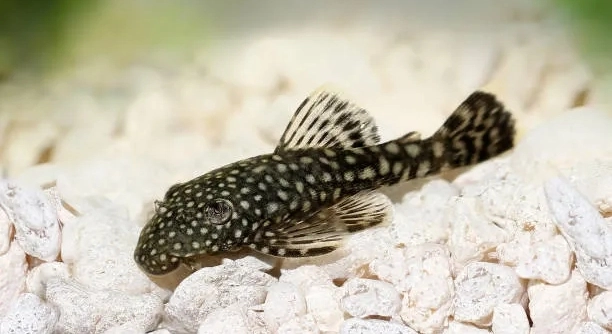
Have you ever noticed your pleco hiding more than swimming around its tank? Many aquarists see their fish become less active, staying in one spot for hours instead of exploring freely. This can be worrying at first.
Plecos often stop exploring due to factors such as inadequate tank size, poor water quality, lack of hiding spots, insufficient diet, stress from tank mates, incorrect lighting, or sudden environmental changes. Each factor directly affects their comfort and natural behavior.
Knowing what discourages activity is helpful for maintaining a healthy tank. Identifying these issues early can improve your pleco’s well-being and liveliness.
Tank Size Too Small
A small tank can make plecos feel trapped and limit their natural roaming instincts. When plecos do not have enough space to swim or explore, they may spend more time hiding or staying in one corner. A minimum of 30 gallons is recommended for smaller species, while larger plecos need much more. Crowded tanks can also increase stress, which further reduces their activity. Decorations, rocks, and plants add enrichment, but if the tank itself is cramped, these features cannot compensate. Observing your pleco’s movement is a good way to know if the space is sufficient. If your pleco seems restless or always pressed against one side, it might be time to upgrade the tank. Regular cleaning and maintenance also make a smaller space feel less confining. Ensuring ample swimming room is a simple yet highly effective way to encourage exploration and maintain overall health for your pleco.
Proper tank size allows plecos to explore naturally and maintain physical health, reducing stress-related behaviors in confined spaces.
Upgrading the tank or rearranging the current setup can instantly improve your pleco’s activity. Adding hiding spots and varying the layout gives the fish stimulation. Observing changes in movement after adjustments confirms your pleco benefits from more room.
Water Quality Issues
Poor water quality can quickly make plecos inactive.
Dirty water increases stress and weakens their immune system, causing them to stay in one spot. Regular water changes and testing for ammonia, nitrite, and nitrate levels are crucial.
Keeping water clean is vital for your pleco’s health. Use a reliable filter and perform partial water changes weekly. Avoid overfeeding, which can pollute the tank, and remove leftover food promptly. Sudden changes in water temperature or pH can also discourage exploration. Plecos are sensitive to their environment, so maintaining stable conditions is key. Observing your pleco for sluggish behavior or faded coloration can help identify water-related problems. By prioritizing consistent maintenance, you encourage natural activity and support long-term health. Clean, well-oxygenated water makes plecos more willing to explore, interact with tank features, and feed actively.
Lack of Hiding Spots
Plecos need places to hide to feel secure. Without caves, driftwood, or dense plants, they may remain motionless or cling to surfaces instead of exploring freely.
Providing multiple hiding spots helps plecos feel safe and reduces stress. Natural decorations like driftwood, rocks, and PVC tubes are ideal. Dense plants can also give cover while allowing them to move around. Rotate or rearrange these features occasionally to create new areas for exploration. A tank without adequate hiding spaces can leave plecos anxious, limiting their activity and willingness to feed. Security in their environment is directly linked to curiosity and movement, so investing in varied hiding spots is essential for promoting healthy behavior.
Even simple additions, like a small cave or a piece of driftwood, can make a big difference. Plecos respond quickly to environmental improvements, often becoming more active within days.
Poor Diet
A diet lacking variety can lead to lethargy and reduced exploration. Plecos need a mix of vegetables, algae, and protein-based foods to stay active.
Feeding only one type of food, like algae wafers, can make plecos less energetic. They require leafy greens such as zucchini, spinach, or cucumber, along with occasional protein sources like shrimp pellets or bloodworms. Nutritional deficiencies affect their behavior, causing them to remain hidden or cling to tank surfaces. Rotating food types and including fresh produce encourages natural foraging behavior and stimulates movement. Monitoring eating habits can also help spot health issues early. Proper feeding supports their metabolism and promotes consistent exploration.
Plecos often show more curiosity and activity when they are well-fed with balanced meals. Offering different textures and colors can also motivate them to interact with their environment. Observing their reaction to new foods helps ensure they are receiving proper nutrition and enjoying a stimulating feeding routine.
Stress from Tank Mates
Aggressive or overly active tank mates can make plecos retreat. They may hide constantly or avoid open areas to escape harassment.
Even smaller fish can stress plecos if they nip fins or chase them. Choosing compatible species is key to maintaining calm behavior.
Incorrect Lighting
Too much bright light can make plecos feel exposed and anxious. Plecos prefer dim or diffused lighting, which mimics natural hiding conditions. A gentle light schedule encourages exploration while giving them enough darkness to rest.
Sudden Environmental Changes
Rapid changes in water temperature, pH, or tank layout can unsettle plecos. Stability is crucial for their activity and comfort.
FAQ
Why is my pleco always hiding?
Plecos hide when they feel stressed, unsafe, or uncomfortable. Lack of hiding spots, poor water quality, or aggressive tank mates can all contribute. Providing caves, plants, or driftwood, along with clean, stable water, usually encourages them to explore more frequently.
How can I tell if my pleco is stressed?
Signs of stress include staying in one spot for long periods, refusing food, clinging to surfaces constantly, or showing faded coloration. Sudden changes in water conditions or tank setup can trigger these behaviors. Observing patterns in movement and appetite helps identify stress early.
What foods keep plecos active?
Plecos need a mix of algae-based foods, leafy greens, and occasional protein sources. Zucchini, cucumber, spinach, and algae wafers are good staples, while shrimp pellets or bloodworms can be added a few times a week. Variety encourages natural foraging behavior.
How often should I clean my pleco’s tank?
Partial water changes of 20–30% weekly are ideal. This prevents ammonia or nitrite buildup and keeps the water clear. Filters should be cleaned regularly but not over-sterilized, as beneficial bacteria are crucial for healthy water conditions.
Can tank size affect exploration?
Yes. Crowded tanks limit movement and can increase stress. Smaller species need at least 30 gallons, while larger plecos require 50 gallons or more. Adding hiding spots and decorations helps, but sufficient swimming space is essential for active behavior.
Do plecos need a specific water temperature?
Most plecos prefer water between 72–78°F. Sudden changes or extreme temperatures can make them lethargic. Using a reliable heater and monitoring temperature with a thermometer helps maintain consistent conditions. Stability encourages natural swimming and exploration.
Will plecos become active at night?
Plecos are mostly nocturnal, so they explore more during dim lighting or at night. Adjusting light schedules to mimic natural day and night cycles can increase visibility of their activity while still respecting their resting patterns.
Can adding decorations help activity?
Yes. Driftwood, rocks, caves, and dense plants provide stimulation and security. Rearranging these elements occasionally creates new areas to explore. Plecos respond quickly to changes, often becoming more curious and active within days.
Is overfeeding a problem?
Yes. Excess food can foul water, increase stress, and make plecos less active. Feed appropriate amounts and remove leftovers promptly. Balanced feeding supports metabolism and encourages natural movement and foraging.
How long does it take for plecos to adjust to a new tank?
Adjustment can take a few days to a couple of weeks. Providing hiding spots, stable water conditions, and a quiet environment helps them feel safe. Observing behavior and feeding patterns during this period ensures they adapt well.
Do plecos need companions?
Plecos can be solitary but generally tolerate other peaceful fish. Aggressive or overly active species can stress them. Choosing compatible tank mates helps maintain calm and encourages exploration without constant hiding.
Why is my pleco inactive during the day?
Daytime inactivity is normal for nocturnal plecos. They may rest during bright hours and become active at night or in dim lighting. Providing shaded areas and hiding spots aligns with their natural behavior patterns.
How do I encourage my pleco to explore more?
Ensure proper tank size, clean water, adequate hiding spots, and a varied diet. Stable temperature and gentle lighting also help. Observing their behavior after changes confirms which adjustments work best. Small environmental tweaks often produce noticeable results quickly.
Can water pH affect activity?
Yes. Plecos prefer a stable pH, generally between 6.5 and 7.5, depending on species. Sudden shifts can stress them and reduce movement. Regular testing and careful adjustments help maintain comfort and encourage exploration.
What signs show a pleco is healthy and active?
A healthy pleco moves around the tank, explores hiding spots, feeds regularly, and displays vibrant coloration. Smooth swimming, curiosity, and interaction with decorations are good indicators of well-being. Monitoring these behaviors ensures long-term health.
Are plecos sensitive to noise or vibrations?
Yes. Loud noises, vibrations, or frequent tapping on the tank can stress plecos, making them hide more. A quiet, stable environment helps them feel safe and encourages natural exploration patterns.
How can I tell if my pleco is bored?
Bored plecos may cling to surfaces, show repetitive movements, or ignore food. Introducing new decorations, rearranging hiding spots, or providing varied food can stimulate activity and reduce boredom.
Can lighting changes affect their behavior?
Yes. Sudden bright lights can make plecos hide. Dim lighting or shaded areas encourage exploration while respecting their natural nocturnal tendencies. Gradual adjustments in light schedules are best for comfort.
Is it normal for plecos to cling to surfaces often?
Yes, especially if they feel stressed or are nocturnal. Frequent clinging can indicate comfort seeking or reduced activity due to environmental factors. Adjusting water quality, tank layout, and lighting usually increases movement.
How do I know if my pleco is stressed by other fish?
Signs include constant hiding, refusal to feed, or chasing by tank mates. Observing interactions and separating aggressive fish if needed helps reduce stress and encourages normal behavior.
Can temperature fluctuations make plecos less active?
Yes. Rapid changes in temperature can cause lethargy. Using a stable heater and monitoring conditions ensures comfort and encourages consistent movement. Gradual changes are less disruptive and help maintain exploration habits.
Do plecos explore more when they feel safe?
Absolutely. A stable, well-maintained tank with proper hiding spots, compatible tank mates, and balanced diet promotes confidence and natural curiosity, leading to more frequent and consistent exploration.
How often should I rearrange decorations for stimulation?
Occasionally, every few weeks is enough. Minor changes provide new exploration opportunities without causing stress. Plecos respond well to environmental variation when safety and stability are maintained.
Can introducing new food encourage activity?
Yes. Offering new vegetables, algae options, or occasional protein treats motivates plecos to leave hiding spots and forage. Variety in diet supports both health and natural behavior patterns.
Are plecos affected by water hardness?
Yes. Extreme hardness or sudden changes can stress them. Monitoring GH and KH levels and maintaining consistent water conditions ensures comfort and encourages natural activity.
What’s the best way to monitor pleco behavior?
Observe movement, feeding, interaction with decorations, and hiding frequency. Notes over days or weeks help identify trends, stressors, and areas needing adjustment. Regular observation supports long-term health and exploration habits.
How do I prevent inactivity from becoming a habit?
Address environmental, dietary, and social factors promptly. Consistent care, stable conditions, and proper stimulation prevent lethargy from becoming long-term, helping plecos stay active and healthy.
Can plecos adapt to a new tank quickly?
Adaptation varies by species and personality. Providing stability, hiding spots, proper diet, and compatible tank mates helps reduce stress and encourages quicker exploration. Observing them during the first weeks is key to ensuring comfort.
Is it normal for plecos to explore less in winter?
Temperature drops can reduce activity, especially in species accustomed to warmer water. Maintaining consistent aquarium conditions helps offset seasonal lethargy, keeping plecos more active year-round.
How much do lighting and hiding spots interact?
Dim lighting combined with adequate hiding areas encourages natural behavior. Bright, open spaces without cover increase stress and reduce exploration. Balanced lighting and safe areas optimize activity.
Should I use a timer for lights?
Yes. Timed lights create consistent day and night cycles, helping plecos adjust and become more active during appropriate hours. Predictable schedules reduce stress and encourage exploration.
Do plecos respond to human presence?
Some do. They may watch or react when people approach, but sudden movements or tapping can startle them. Calm observation supports their comfort and activity.
Can poor water circulation reduce exploration?
Yes. Stagnant water can limit oxygen and reduce motivation to move. Proper filtration and gentle currents support a healthier, more active environment.
Is hiding during the day always bad?
Not always. Many plecos are naturally nocturnal. Hiding during bright hours can be normal, but excessive hiding or refusal to eat may indicate underlying issues.
How can I combine feeding, lighting, and hiding spots to promote activity?
Offer food in multiple areas, keep lighting moderate, and provide safe hiding spots. This encourages natural foraging and movement while maintaining comfort and security.
Do plecos explore more when comfortable with tank mates?
Yes. Calm, compatible tank mates reduce stress and encourage plecos to leave hiding spots, interact with the environment, and feed actively.
What’s the most common reason for inactivity in plecos?
Environmental stressors such as poor water quality, lack of hiding spots, incompatible tank mates, or insufficient space are the primary causes. Addressing these factors usually restores normal activity patterns.
How can I make plecos more visible without stressing them?
Use dim, diffused lighting, add decorations for comfort, and feed in visible areas. Gentle adjustments encourage exploration while maintaining safety and reducing stress.
Is frequent hiding a sign of illness?
It can be. Lethargy, faded coloration, or reduced appetite may indicate health issues. Check water conditions, diet, and observe for physical symptoms. Veterinary consultation is recommended if problems persist.
Can plecos get bored with the same tank setup?
Yes. Rearranging decorations or adding new hiding spots occasionally stimulates exploration. Small changes prevent monotony and encourage natural activity patterns.
Does pleco species affect exploration behavior?
Absolutely. Some species are more active, while others are naturally reserved. Understanding species-specific tendencies helps set realistic expectations for movement and interaction.
Can water flow encourage activity?
Yes. Gentle currents stimulate swimming and exploration. Too strong a flow may stress them, but moderate circulation enhances engagement with the tank environment.
Are nocturnal feeding times beneficial?
Yes. Feeding during dim lighting or nighttime aligns with natural habits, encouraging active foraging and exploration. It reduces stress from bright lights while supporting proper nutrition.
How long should a pleco rest each day?
Plecos need long rest periods, often during the day. Respecting their natural cycles supports health and encourages activity during their preferred active hours.
Can environmental enrichment reduce stress?
Yes. Multiple hiding spots, varied decor, and occasional rearrangement keep plecos engaged, reducing stress and encouraging exploration and interaction.
How can I monitor long-term behavior changes?
Keep notes on movement patterns, feeding habits, hiding frequency, and coloration. Tracking over weeks helps identify trends, stressors, and improvements after adjustments.
What adjustments have the biggest impact on activity?
Tank size, hiding spots, water quality, diet, and compatible tank mates usually have the most noticeable effect. Implementing these changes often leads to more confident, active behavior.
Is occasional inactivity a concern?
Short periods of hiding or inactivity are normal. Persistent or extreme inactivity paired with other warning signs may indicate health or environmental issues requiring attention.
Can plecos recognize their environment over time?
Yes. Familiarity with tank layout and hiding spots increases confidence, encourages exploration, and reduces stress. Stability and consistent care reinforce natural behaviors.
Do plecos prefer natural or artificial hiding spots?
Natural items like driftwood, rocks, and dense plants are preferred, but safe artificial caves or tubes can work. Variety and security are more important than the material itself.
Are plecos affected by frequent tapping on the tank?
Yes. Sudden tapping or vibrations startle plecos, making them hide more. Minimizing disturbances creates a calmer environment and encourages natural exploration.
How do I balance activity and rest for plecos?
Provide safe hiding spots, moderate lighting, and a stable environment. Feed and observe during active hours, allowing adequate rest periods during the day or bright light periods.
Can a new pleco take longer to explore?
Yes. Adjusting to new water, tank mates, and layout can take days to weeks. Providing stability, hiding spots, and proper feeding supports a smoother transition.
Does the type of substrate matter?
Yes. Soft sand or smooth gravel reduces stress and encourages natural movement. Rough or sharp substrate can limit exploration and cause injuries, reducing activity.
Are plecos more active in planted tanks?
Planted tanks provide hiding, foraging, and stimulation, increasing activity. Dense plants mimic natural environments, helping plecos feel secure and encouraging exploration.
How often should I check water parameters?
Weekly testing for ammonia, nitrite, nitrate, pH, and temperature ensures stable conditions. Regular monitoring prevents stress and supports consistent activity levels.
Can plecos interact with decorations without stress?
Yes. Safe and appropriately sized decorations provide stimulation and exploration opportunities. Avoid sharp or unstable items that could injure or scare them.
Does tank location affect activity?
Yes. Frequent vibrations, noise, or exposure to high-traffic areas can stress plecos. Placing the tank in a quiet, stable spot encourages natural behavior and movement.
Can plecos explore more with company of the same species?
Some species enjoy the presence of others, increasing curiosity and activity. Overcrowding or aggression, however, can reduce exploration, so monitoring interactions is essential.
What’s the best overall strategy to encourage exploration?
Maintain stable water quality, provide hiding spots, ensure proper tank size, offer a balanced diet, choose compatible tank mates, and create gentle lighting cycles. These combined factors create a comfortable environment where plecos naturally explore more.
How quickly can changes impact activity?
Behavior often improves within days of environmental, dietary, or social adjustments. Patience and consistent care ensure lasting effects and a healthier, more active pleco.
Are plecos active only at night?
Mostly, yes. Their nocturnal nature means peak activity occurs during dim or dark periods. Respecting their cycles allows them to explore safely without stress.
Do plecos explore more when fed at night?
Yes. Nighttime feeding aligns with natural behavior, encouraging movement, foraging, and interaction with their environment.
Can poor water circulation reduce activity?
Yes. Proper filtration and gentle water flow improve oxygen levels and stimulate movement, while stagnant water can lead to lethargy and less exploration.
Are plecos sensitive to human interaction?
Some notice people approaching, but sudden movements or tapping startle them. Calm observation allows them to remain active without stress.
How important is tank stability for activity?
Consistent temperature, pH, lighting, and layout are crucial. Sudden changes cause stress and reduce exploration, while stability encourages confident movement and natural behavior.
Can plecos become inactive due to illness?
Yes. Lethargy, refusal to eat, faded color, or unusual hiding may indicate health problems. Checking water, diet, and consulting a vet is important for recovery.
How can I tell if environmental changes are effective?
Observe movement, feeding habits, and interaction with tank features. Increased exploration, curiosity, and confidence indicate successful adjustments.
Should I worry if my pleco hides most of the day?
Not necessarily. Many plecos are nocturnal. Persistent hiding with other symptoms may indicate stress or health issues, which should be addressed promptly.
How do I create a low-stress tank for plecos?
Use a spacious tank, maintain water quality, provide hiding spots, compatible tank mates, gentle lighting, and balanced diet. This combination encourages exploration and reduces stress naturally.
Can plecos adapt to new tank layouts easily?
Gradual changes and stability in water conditions help plecos adapt. They explore more confidently once familiar with the environment, often within days or weeks.
Are plecos sensitive to water hardness changes?
Yes. Sudden shifts in GH or KH can stress them. Maintaining consistent hardness helps prevent inactivity and promotes natural exploration.
Do plecos explore more with varied food?
Yes. Rotating vegetables, algae, and occasional protein treats encourages foraging and active movement. Variety keeps them engaged and healthy.
Can lighting duration affect activity?
Yes. Too long or bright lighting can cause hiding and stress. Moderate, consistent lighting cycles encourage natural exploration and comfort.
How can I combine hiding spots, food, and lighting for best results?
Provide secure hiding areas, feed in multiple locations, and maintain gentle lighting. This setup supports comfort, natural foraging, and consistent activity.
Are plecos more active in planted or bare tanks?
Planted tanks increase security and stimulation, promoting exploration. Bare tanks may leave them feeling exposed, reducing movement.
Can overfeeding reduce exploration?
Yes. Uneaten food pollutes water and decreases motivation to move. Proper feeding amounts and prompt removal of leftovers encourage activity.
Is occasional inactivity normal?
Yes. Short periods of hiding are natural, especially for nocturnal plecos. Persistent lethargy or refusal to eat requires attention.
Do plecos prefer driftwood over rocks?
Driftwood offers grazing surfaces and hiding, which plecos enjoy. Both provide security, but driftwood also supports natural feeding behaviors.
How do I balance activity and rest?
Provide hiding spots, maintain moderate lighting, and feed during active hours. This supports rest while promoting natural exploration cycles.
Can plecos get bored without stimulation?
Yes. Repetitive movements or refusal to explore may indicate boredom. Rearranging decorations and offering varied food can improve activity.
Do plecos explore more when comfortable with tank mates?
Yes. Peaceful, compatible species reduce stress, allowing plecos to leave hiding spots and interact with their environment naturally.
Are nocturnal feeding times better?
Yes. Aligning feeding with dim lighting encourages foraging and exploration while respecting natural activity cycles.
Can temperature fluctuations reduce activity?
Yes. Sudden drops or rises in temperature cause lethargy. Maintaining stable conditions supports consistent movement and comfort.
Is tank size the most important factor for activity?
It’s critical. Adequate swimming space prevents stress and promotes exploration. Combined with hiding spots and proper care, it ensures active behavior.
How can I encourage activity without stressing plecos?
Provide secure hiding, maintain stable water quality, offer a varied diet, moderate lighting, and compatible tank mates. Gradual, gentle changes stimulate exploration safely.
Do plecos respond to environmental enrichment?
Yes. New hiding spots, rearranged decorations, and varied food motivate natural behaviors, increasing movement and curiosity.
Can plecos adapt to different light intensities?
Gradually. Sudden bright lighting causes hiding, while moderate dim light encourages exploration. Adjusting slowly allows safe adaptation.
Are plecos more active in community tanks?
Only with peaceful tank mates. Aggressive species reduce movement, while calm companions allow normal exploration and interaction with the environment.
Can stress from water quality lead to inactivity?
Plecos are fascinating fish that show unique behaviors, especially when it comes to exploring their tanks. Observing them can be rewarding, but it also requires understanding what influences their activity. Many factors, such as tank size, water quality, diet, lighting, and hiding spots, play a role in whether plecos feel comfortable enough to explore. These fish are naturally curious, but they also prioritize safety. If their environment feels stressful or unfamiliar, they will retreat and spend most of their time hiding. Understanding their needs helps create a more inviting and engaging space, encouraging them to display their natural behaviors.
Taking care of plecos involves more than just feeding them regularly. Clean, stable water is essential, as poor water conditions can quickly reduce their activity and affect overall health. Checking water parameters like temperature, pH, and ammonia levels ensures the tank is safe. Along with water quality, tank setup matters a great deal. Plecos benefit from hiding spots like caves, driftwood, or plants, which make them feel secure. Adding decorations or rearranging elements occasionally can stimulate curiosity, encouraging movement and interaction with the tank. A balanced diet, combining vegetables, algae, and occasional protein, also supports their energy levels and natural exploration habits.
Patience and observation are key when keeping plecos. These fish adjust gradually to changes in their environment, so sudden shifts in water conditions, tank layout, or lighting can cause stress and reduce activity. Monitoring their behavior allows you to notice signs of stress, illness, or discomfort early. By providing a stable, enriched environment and addressing potential stressors, plecos become more confident and active. Over time, they may spend more time swimming, interacting with decorations, and foraging for food, which reflects their well-being. Focusing on these small but important adjustments ensures that plecos are not only healthy but also engaged and curious, making them enjoyable and rewarding fish to keep in an aquarium.

Hello,
If you enjoy the content that we create, please consider saying a "Thank You!" by leaving a tip.
Every little bit helps us continue crafting quality advice that supports the health, happiness, and well-being of pets around the world, for pets of all shapes, sizes, and species.
We really appreciate the kindness and support that you show us!