How Long Can Plecos Survive Without Algae?
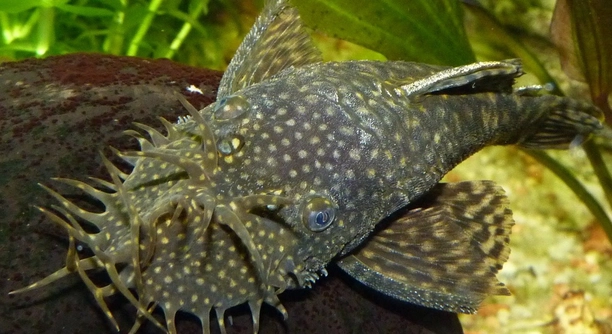
Do you ever find yourself wondering how long your plecos can survive without the algae that usually lines the surfaces of your aquarium? These fish are well-known for their algae-eating habits and unique care requirements. Plecos can typically survive without algae for one to two weeks, provided they are supplemented with alternative food sources such … Read more
7 Surprising Things Plecos Might Try to Eat

Many aquarists enjoy keeping plecos for their algae-eating habits and unique appearance. These fish are generally easy to care for, but their eating habits can sometimes surprise even the most experienced owners. Plecos may attempt to eat a variety of items beyond algae, including vegetables, driftwood, aquarium plants, and even small pieces of fish food. … Read more

How to Tell If Plecos Are Ready to Spawn

Are your plecos showing changes in behavior that make you wonder if they are ready to spawn? Many fish owners notice subtle signs but are unsure how to interpret them accurately in a home aquarium setting. Plecos exhibit specific physical and behavioral indicators when preparing to spawn. These include increased territorial behavior, changes in coloration, … Read more

Can Plecos Recognize Tank Patterns Over Time?

Do you ever notice your plecos moving differently depending on where you place decorations or plants in your tank? Over time, these fish may adjust their behavior in subtle ways that reflect their surroundings. Plecos are capable of recognizing tank patterns over time through repeated exposure and spatial memory. This allows them to navigate more … Read more

Why Plecos Might Dislike Your Lighting Setup

Do you ever notice your plecos hiding more than usual, spending hours in corners or under decorations instead of swimming freely in the tank? Lighting conditions can subtly affect their comfort and daily behavior without obvious signs. Plecos are highly sensitive to light intensity and duration. Excessive brightness can stress them, disrupt their circadian rhythms, … Read more

7 Temperature Ranges That Suit Pleco Fry

Have you ever noticed your pleco fry behaving differently in your aquarium and wondered if the water temperature might be the reason? Many aquarists struggle to find the right temperature range for healthy fry growth. Pleco fry thrive best in temperatures ranging from 75°F to 82°F. Maintaining water within this range supports proper metabolism, encourages … Read more

7 Things That Help Plecos Settle Quickly

Many aquarists enjoy keeping plecos but notice that these fish sometimes struggle to adapt to new tanks. Their unique behaviors and sensitivity to water conditions can make the first few days particularly challenging for both owner and pet. Providing the right environment is essential for plecos to settle quickly. Ensuring stable water parameters, adequate hiding … Read more

7 Ways to Make Feeding Plecos More Efficient

Do you ever find yourself struggling to keep your plecos properly fed without wasting food or clouding their tank water? Making feeding plecos more efficient involves understanding their dietary habits, feeding schedules, and food types. Providing balanced portions, using sinking pellets, and maintaining consistent feeding times ensures optimal nutrition, reduces waste, and supports healthier, more … Read more

7 Ways to Help Your Pleco Settle In Faster

Have you ever brought home a new pleco only to find it hiding away, refusing food, or seeming uncomfortable in its new tank? Helping your pleco settle in faster requires careful attention to water conditions, tank setup, and diet. Maintaining stable water parameters, providing adequate hiding spots, and offering a balanced diet will significantly reduce … Read more

7 Reasons Plecos Avoid Their Favorite Cave

Do your plecos often ignore the cave they usually love? Many aquarium owners notice their fish suddenly avoiding familiar hiding spots. These changes can be subtle, but they reveal important insights into your plecos’ behavior and environment. Plecos may avoid their favorite cave due to factors such as water quality fluctuations, inadequate hiding space, aggressive … Read more