
Are your plecos showing changes in behavior that make you wonder if they are ready to spawn? Many fish owners notice subtle signs but are unsure how to interpret them accurately in a home aquarium setting.
Plecos exhibit specific physical and behavioral indicators when preparing to spawn. These include increased territorial behavior, changes in coloration, development of breeding tubes in females, and males actively cleaning or defending cave-like structures suitable for egg laying.
Observing these signs closely will help you support your plecos’ natural breeding process and ensure the health of both adults and fry in your tank.
Recognizing Physical Signs of Spawning Readiness
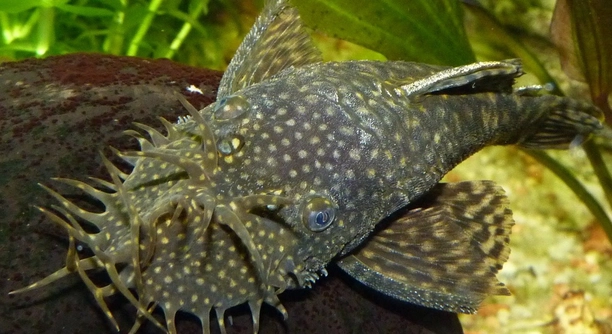
When plecos are ready to spawn, their appearance and activity shift noticeably. Males often become more vibrant in color, with stronger body definition and more pronounced odontodes (tiny bristles) on their heads and pectoral fins. Females, on the other hand, appear fuller and rounder in the abdomen due to the development of eggs. These physical differences become easier to notice as the spawning period approaches. Observing these changes closely helps in determining when your plecos are at their most fertile stage, allowing you to adjust water conditions, feeding, and tank setup accordingly. A healthy pleco displaying these traits is likely nearing the start of spawning behavior.
Plecos in spawning condition also tend to spend more time near potential breeding spots, like caves or tubes, where they feel secure enough to lay eggs. Males especially remain close to these areas, inspecting and cleaning them frequently.
A clear sign of readiness appears when males guard a selected site persistently while females linger nearby. During this time, reducing tank stress and maintaining stable water parameters will help promote successful breeding. Providing high-quality food and ensuring calm surroundings can also improve the likelihood of healthy egg development and eventual fry hatching.
Understanding Behavioral Changes
Behavioral changes are among the earliest indicators that plecos are preparing to spawn. Males grow more territorial, chasing away other fish that approach their chosen area. They also begin cleaning flat or cave-like surfaces, ensuring a safe, clean space for eggs.
Increased activity between males and females becomes apparent during this phase. The male’s protective behavior and the female’s repeated visits to the same area signal that breeding is near. Plecos may become more active during certain times of the day, especially at dusk or nighttime. Consistent monitoring during these hours helps you observe subtle but important behavioral cues. To support their spawning efforts, provide dim lighting, maintain slightly warmer water temperatures, and ensure the presence of smooth, secluded spaces for egg-laying. Recognizing and responding to these behaviors in time encourages successful spawning and a healthier, more natural breeding experience for your plecos.
Preparing the Tank for Spawning
Proper tank preparation is essential for successful pleco breeding. Clean water, stable temperature, and the right hiding spaces encourage natural spawning behavior. Caves, tubes, and driftwood structures provide secure areas for egg-laying and protection.
Begin by maintaining optimal water conditions—slightly warmer temperatures around 78–82°F, with gentle water flow to mimic natural streams. Frequent but small water changes help keep nitrate levels low. Include multiple caves or PVC tubes of different sizes so males can choose their preferred space. Dim lighting creates a calm atmosphere that encourages breeding activity. Adding driftwood not only offers security but also supports natural feeding habits. Maintaining good filtration without strong currents ensures oxygenated water without disturbing the nesting areas, providing a safe and balanced environment for both parents and developing eggs.
Ensuring a nutritious diet is equally important during preparation. Offer a mix of sinking wafers, blanched vegetables, and protein-rich foods like bloodworms or brine shrimp. Strong nutrition promotes egg development in females and supports the male’s stamina during nest guarding. Avoid overfeeding to prevent waste buildup, which can stress breeding fish. Consistency in feeding and tank maintenance helps plecos feel secure, reducing stress and promoting healthy spawning behavior. Regular observation ensures all conditions remain stable throughout this sensitive period.
Observing Spawning and Egg Care
Once the plecos begin spawning, males take charge of the process by guarding and cleaning the eggs. They fan the eggs constantly to keep them oxygenated and free of debris. Females typically retreat after laying.
During this stage, avoid disturbing the breeding area, as stress can cause the male to abandon or eat the eggs. The eggs usually hatch within five to seven days, depending on water temperature. It’s best to maintain consistent conditions and avoid sudden changes. If other tankmates are present, consider a breeding tank to protect the eggs and fry. Once hatched, the fry remain close to the male for a short period before starting to feed on their own. Offer crushed algae wafers or freshly hatched brine shrimp to support early growth and ensure strong, healthy juveniles ready for gradual independence.
Caring for Fry After Hatching
After hatching, pleco fry remain near the nest, feeding on their yolk sacs for the first few days. Keep the water clean and stable to prevent infections. Avoid strong filtration that might pull the fry away from their safe area.
Once the yolk sacs are absorbed, begin feeding them finely crushed algae wafers, blanched vegetables, or baby brine shrimp. Small, frequent feedings help with steady growth. Maintain gentle aeration to ensure oxygen circulation, and continue regular water changes to keep the environment clean and balanced.
Monitoring Growth and Health
Healthy pleco fry grow quickly when conditions are stable and food is consistent. Observe them daily for signs of active feeding and even growth. Separate any weaker fry into a smaller tank if necessary to reduce competition and ensure all receive proper nutrition.
Common Spawning Challenges
Some plecos may fail to spawn due to stress, poor water quality, or unsuitable caves. Ensuring proper tank setup and reducing disturbances greatly increases success. Patience is essential, as some pairs take multiple attempts before successful spawning occurs.
FAQ
How old do plecos need to be before they can spawn?
Most plecos reach sexual maturity between 12 to 18 months, depending on their species and size. Smaller varieties, such as bristlenose plecos, often mature earlier, while larger species like common plecos may take up to two years. You can usually tell they are ready when males develop visible odontodes and females appear rounder in the abdomen. Providing proper nutrition and stable water conditions during this growth stage helps prepare them for healthy and successful spawning once maturity is reached.
What are the best water conditions for spawning plecos?
Plecos prefer slightly warmer water during breeding—typically between 78°F and 82°F. A pH of around 6.5 to 7.0 and moderate water hardness create an ideal environment for spawning activity. Keeping the water clean through small, regular changes prevents stress and supports egg survival. A gentle flow helps mimic the natural stream conditions they experience in the wild, encouraging natural spawning behaviors. Avoid sudden temperature or chemical changes, as plecos are sensitive during this period and can abandon breeding if stressed.
Do plecos need caves to spawn successfully?
Yes, caves are essential for pleco breeding. Males use caves to attract females and later guard the eggs. Suitable caves can be made from clay pots, PVC pipes, or specialized breeding caves. Each should be just large enough for the male to enter and defend easily. Placing multiple caves in different spots allows the fish to choose the most comfortable location. Males typically clean and prepare the interior before spawning, so keeping these areas clean and secure helps ensure the best outcome for egg development.
How can I tell if my plecos are pairing up for spawning?
When plecos are ready to breed, the male becomes territorial, often chasing other fish away from his chosen spot. The female will show more interest in that area, visiting it frequently and resting nearby. This interaction continues until she decides to enter the cave to lay eggs. The male then fertilizes and guards them. Observing this consistent pattern over several days usually indicates that spawning is either happening or about to begin.
How many eggs do plecos lay at once?
The number of eggs depends on the species and size of the pleco. Smaller plecos, such as bristlenose types, may lay between 30 and 100 eggs per spawn, while larger species can produce several hundred. The eggs are typically bright orange and are laid in clusters inside the cave. The male guards them until hatching, which usually occurs within five to seven days. Ensuring stable water temperature and oxygenation during this time increases hatch success.
Should I remove the female after spawning?
Yes, it’s generally best to remove the female once spawning is complete. After laying eggs, the male takes full responsibility for guarding and caring for them. Leaving the female in the tank may cause stress or aggression from the male, who becomes highly territorial during this period. Moving her to a separate tank helps prevent injury and allows her to recover. Providing nutritious food after spawning supports her health and prepares her for future breeding cycles.
What should I feed pleco fry after they hatch?
Once fry begin swimming and have absorbed their yolk sacs, start feeding them small amounts of finely crushed algae wafers, blanched zucchini, cucumber, or spinach. Freshly hatched brine shrimp are also excellent for protein and growth. Feed small portions multiple times daily to avoid water fouling. Maintaining good filtration and performing light water changes keeps the environment safe for developing fry. Gradually introduce larger foods as they grow, ensuring they always have access to soft vegetables and sinking foods.
How long does it take for pleco fry to grow?
Growth rates vary depending on species, diet, and environment, but most pleco fry reach about one inch within two to three months. Maintaining warm, clean water and providing a balanced diet of vegetables and protein-rich foods promotes steady development. Avoid overcrowding, as it can slow growth and lead to deformities. Consistent monitoring ensures all fry grow evenly and remain healthy throughout their early stages.
Why did my plecos stop spawning?
Spawning may stop due to stress, unstable water parameters, or lack of conditioning food. Overcrowded tanks or too much light can also discourage breeding behavior. Restoring optimal water conditions, maintaining regular feeding with high-quality foods, and minimizing disturbances often encourage plecos to resume spawning. Breeding cycles may also naturally pause between spawns as females recover energy and replenish their eggs. Patience, combined with stable care routines, usually helps them return to breeding activity within a few weeks.
Can plecos breed in community tanks?
Plecos can spawn in community tanks, but success rates are usually lower. Other fish may eat the eggs or disturb the guarding male. A dedicated breeding tank gives the best results, allowing the pair to spawn undisturbed. If you keep them in a community tank, provide multiple hiding spots and monitor closely to ensure the male can protect his chosen cave. Reducing tank activity during breeding can also help prevent stress and improve egg survival rates.
Final Thoughts
Understanding when plecos are ready to spawn requires patience, close observation, and consistent care. These peaceful yet protective fish rely on stable conditions and subtle environmental cues to begin breeding. Watching their physical and behavioral changes can help you recognize readiness and respond appropriately. The male’s territorial actions, increased cleaning behavior, and the female’s rounder body are signs that spawning is near. Once these signs appear, maintaining the right temperature, providing clean water, and preparing safe spaces become essential. Breeding plecos successfully is not only rewarding but also a reflection of how well their natural needs are met in captivity.
Once spawning begins, the male pleco’s dedication to guarding the eggs showcases the unique nature of their breeding behavior. Unlike many other fish, pleco males take on a protective role, ensuring each egg remains clean and oxygenated. This process highlights the importance of creating a calm, undisturbed environment. Even small disruptions, such as bright lighting or excessive tank activity, can interfere with breeding success. Paying attention to details like water quality, nutrition, and space helps reduce stress and increases the chances of a successful hatch. Providing caves, driftwood, and proper food not only supports breeding but also contributes to their overall health and well-being.
Caring for the fry after hatching is a delicate but fulfilling stage. Their survival depends on stable water, gentle filtration, and proper feeding. Starting with soft foods and gradually introducing more variety ensures steady growth. It’s important to remember that each spawn may have different results, and not all eggs or fry will survive. Consistency, observation, and patience are key to improving outcomes over time. As the fry mature and develop their own markings, they become an active part of the tank’s ecosystem. Watching them grow into healthy adults is a satisfying reward for careful preparation and attention. Breeding plecos offers more than just the joy of new life—it deepens understanding of their natural habits and strengthens the connection between aquarist and fish. With thoughtful care, you can create an environment where your plecos thrive, reproduce naturally, and maintain a healthy, balanced tank for years to come.

Hello,
If you enjoy the content that we create, please consider saying a "Thank You!" by leaving a tip.
Every little bit helps us continue crafting quality advice that supports the health, happiness, and well-being of pets around the world, for pets of all shapes, sizes, and species.
We really appreciate the kindness and support that you show us!