
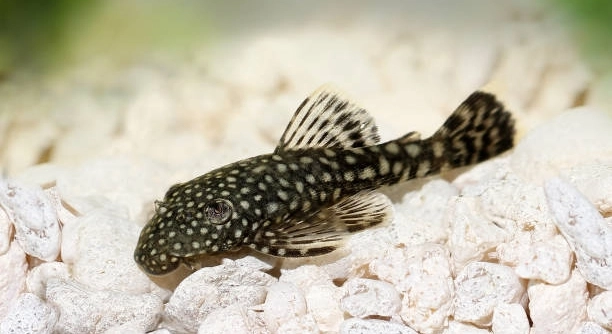
Have you ever noticed your pleco fry behaving differently in your aquarium and wondered if the water temperature might be the reason? Many aquarists struggle to find the right temperature range for healthy fry growth.
Pleco fry thrive best in temperatures ranging from 75°F to 82°F. Maintaining water within this range supports proper metabolism, encourages feeding, and reduces stress, promoting steady growth and overall health during their critical early stages of development.
Keeping a consistent temperature is essential for your fry’s wellbeing, and understanding these ranges will help ensure they grow strong and healthy.
Ideal Temperature for Newly Hatched Pleco Fry
Newly hatched pleco fry are very sensitive to water conditions, and temperature plays a crucial role in their survival. At this stage, maintaining a stable temperature between 78°F and 80°F encourages proper development and reduces stress. Sudden fluctuations can slow growth and increase vulnerability to disease. Fry at this age are tiny and rely on yolk sacs for initial nutrition, so their metabolism is low but delicate. Keeping the water warm but not too hot ensures they can absorb nutrients efficiently. Aquarists often notice that fry in cooler water tend to be less active, eat less, and may develop deformities. In contrast, water that is slightly too warm can cause oxygen depletion, which is dangerous for small fry. Monitoring the tank daily with a reliable thermometer helps maintain consistency. Gentle aeration and minimal disturbance further protect the fry during this critical stage.
Stable temperatures improve survival and growth for the tiny fry during their early development.
Even slight temperature swings can cause lethargy or stunt growth. Maintaining a steady warm environment ensures your fry remain active and healthy, giving them the best start possible in their tank.
Gradual Temperature Increase for Growing Fry
Once pleco fry begin swimming freely, they can tolerate slightly higher temperatures.
Raising the water gradually to around 80°F–82°F supports faster growth and improves digestion. This range boosts metabolic rates without causing stress. Active fry need more energy, and slightly warmer water allows them to feed efficiently. Be careful not to increase the temperature too quickly, as sudden changes can shock the fry and increase mortality. Observing behavior is important: healthy fry will swim actively and seek food. Using a heater with a thermostat helps maintain stable conditions, avoiding dangerous spikes or drops. Water quality also interacts with temperature; regular changes and gentle filtration prevent ammonia or nitrite spikes, which are more harmful at higher temperatures. As fry grow, they begin to tolerate minor fluctuations, but consistency is still key. Adjusting the temperature in small increments over several days provides a safe environment and supports strong, steady development of the fry into juvenile plecos.
A gradual increase helps fry adapt to higher activity levels and supports their growth efficiently.
Maintaining Consistent Temperature
Consistency is crucial for pleco fry. Sudden changes can stress them, slow growth, and increase susceptibility to disease. A stable tank helps fry remain active and feed regularly, promoting healthy development.
Using a reliable heater with a thermostat ensures the water stays within the recommended 78°F–82°F range. Regularly checking the thermometer prevents unnoticed fluctuations, and small adjustments over time are safer than abrupt changes. Even minor temperature swings can affect oxygen levels and metabolism, so careful monitoring is essential. Maintaining consistent conditions also reduces the likelihood of infections, as stressed fry are more vulnerable to bacteria and parasites. Observing fry behavior can indicate if the temperature is ideal—active swimming and regular feeding suggest the environment is stable.
Aquarists often combine gentle aeration with steady heating to maintain uniform conditions throughout the tank. This approach ensures that all fry, even those in less active corners, experience the same safe environment. Temperature consistency directly impacts growth, activity, and overall survival rates, making it one of the most important aspects of raising healthy pleco fry.
Effects of Slightly Cooler Water
Slightly cooler water can slow fry metabolism and reduce appetite, but it does not necessarily cause permanent harm if monitored.
Water in the lower range of 75°F–77°F may make fry less active, causing them to feed less frequently. Slower metabolism reduces energy usage but also limits growth. At these temperatures, fry may take longer to reach juvenile stages, and development can appear delayed. While occasional dips in temperature can be tolerated, prolonged exposure to cooler conditions increases the risk of fungal or bacterial infections. Maintaining a steady environment and avoiding sudden drops prevents unnecessary stress. Some aquarists notice that fry in cooler water appear paler and less vibrant. Regular water testing, gentle filtration, and careful feeding can offset minor negative effects, supporting healthier growth despite the lower temperature.
If cooler water is unavoidable, small adjustments and observation are key. Gradual warming and monitoring behavior ensure that fry remain strong, feeding adequately, and developing steadily, even if growth is slightly slower than in optimal conditions.
Optimal Temperature During Feeding
Pleco fry are more active and feed efficiently when water is around 80°F–82°F. Maintaining this range encourages regular eating habits and supports proper growth, ensuring fry gain the energy needed for development.
Temperatures below this range may reduce appetite, while higher temperatures can stress fry. Keeping water stable during feeding times ensures that all fry remain active and healthy, allowing them to take full advantage of the food provided.
Temperature Effects on Growth Rate
Water temperature directly influences pleco fry growth. Fry in slightly warmer water develop faster due to higher metabolic activity, which helps them digest food and build body mass efficiently. Rapid growth requires careful monitoring of water quality, as waste and ammonia levels can rise quickly in warmer conditions. Balancing temperature with proper filtration and regular water changes is essential. Consistent warm water encourages healthy skeletal development, proper coloration, and strong activity levels. Fry exposed to stable conditions grow more uniformly, reducing size disparities. Observing behavior alongside temperature ensures the environment supports steady development without stressing the fry or compromising their long-term health.
Avoiding Temperature Shock
Sudden temperature changes can be harmful to pleco fry, causing stress and reduced immunity.
FAQ
What is the best temperature range for pleco fry?
The ideal temperature for pleco fry is generally between 75°F and 82°F. Newly hatched fry do best closer to 78°F–80°F, which supports proper metabolism and nutrient absorption. Slight variations are tolerable, but consistent temperatures reduce stress and support healthy growth. Maintaining this range helps fry remain active, feed regularly, and develop strong bodies.
Can pleco fry survive in cooler water?
Fry can survive in slightly cooler water, around 75°F, but growth will slow. Cooler water reduces metabolism, making fry less active and decreasing feeding frequency. While short periods in cooler conditions are usually fine, prolonged exposure can increase susceptibility to disease. Monitoring behavior and gradually adjusting temperature helps fry stay healthy.
What happens if the water is too warm?
Temperatures above 82°F can stress pleco fry. Warmer water reduces dissolved oxygen, making it harder for fry to breathe. Stress from high temperatures can slow growth, reduce appetite, and increase the risk of bacterial infections. Gentle aeration and stable temperatures are essential to avoid these issues.
How do I prevent temperature fluctuations in the tank?
Using a reliable heater with a thermostat helps maintain stable water conditions. Checking the thermometer daily ensures you catch any small changes early. Avoid placing the tank near windows, vents, or areas with frequent temperature swings. Gradual adjustments are safer than sudden changes, keeping fry safe and active.
Is it okay to adjust temperature for faster growth?
Slightly warmer water can increase metabolic rates, encouraging faster growth, but it must be done carefully. Raising temperatures too quickly can shock fry. Gradual increases, combined with monitoring water quality and behavior, ensure fry develop properly without stress or health risks.
How often should I monitor water temperature?
Daily checks are recommended, especially during early development stages. Fry are very sensitive, and even small changes can impact feeding and growth. Consistent monitoring allows early intervention if the water drifts outside the recommended range, preventing health issues and maintaining active, thriving fry.
Does water temperature affect feeding behavior?
Yes, fry feed more actively in the optimal range of 78°F–82°F. Cooler temperatures slow metabolism and reduce appetite, while water that is too warm can stress fry and limit feeding. Keeping water stable ensures regular feeding habits, supporting proper nutrition and growth.
What signs indicate temperature stress?
Signs include lethargy, pale coloration, reduced feeding, or erratic swimming. Fry exposed to fluctuating or extreme temperatures may also develop physical deformities or weakened immunity. Observing behavior daily and maintaining a stable environment helps prevent these problems and ensures healthy development.
Can small temperature adjustments help acclimate fry?
Yes, gradual adjustments help fry adapt to new conditions safely. Sudden shifts can shock fry, causing stress or mortality. Adjusting in increments of 1–2°F per day allows fry to maintain regular feeding and activity levels, supporting steady growth and overall health.
How does temperature interact with water quality?
Higher temperatures accelerate metabolism, which increases waste production. Poor water quality combined with warmer water can quickly become harmful. Regular water changes, gentle filtration, and temperature monitoring together create a safe environment that supports healthy growth and minimizes disease risk.
Are there differences between pleco species in temperature needs?
Yes, some species tolerate slightly different ranges. For example, common plecos are more adaptable, while bristlenose fry are more sensitive and prefer narrower ranges. Understanding your specific species’ needs ensures the water conditions support proper growth and reduce stress, helping fry thrive.
Can temperature changes affect long-term health?
Prolonged exposure to inappropriate temperatures can stunt growth, weaken immunity, and increase susceptibility to disease. Maintaining consistent, species-appropriate water conditions from hatching through juvenile stages helps ensure strong, healthy adult plecos. Observing fry behavior alongside temperature is key to preventing long-term issues.
How do I combine aeration with temperature control?
Gentle aeration increases oxygen levels without creating strong currents that stress fry. This is especially important in warmer water, where oxygen levels naturally drop. Using an air stone or low-flow filter helps maintain oxygen and temperature stability, supporting growth and health for the fry.
Is it necessary to adjust temperature seasonally?
If the tank is indoors and heated consistently, seasonal adjustments are rarely needed. Outdoor tanks or tanks near windows may require minor seasonal tweaks to maintain the optimal range. Monitoring water daily ensures seasonal changes don’t affect fry growth or health.
How long should I maintain these temperatures for fry?
Maintaining optimal temperatures is important until fry reach juvenile stages, generally a few months depending on species and growth rate. Consistent conditions during this time support proper development, active feeding, and strong immunity, helping fry transition successfully into adulthood.
What tools are best for monitoring temperature?
A digital thermometer with a probe or a high-quality glass thermometer is recommended. Pairing this with a reliable heater and thermostat ensures precise control. Checking multiple spots in the tank occasionally helps ensure uniform temperatures throughout, keeping all fry safe and healthy.
How important is patience when managing temperature?
Patience is essential. Fry develop slowly, and small, gradual adjustments are much safer than rapid changes. Careful observation, slow temperature adjustments, and consistent conditions create a supportive environment that allows pleco fry to grow healthy and strong.
Can I rely on visual signs alone for temperature management?
Visual cues like activity level and feeding behavior help, but they are not enough. Combining observation with regular thermometer checks ensures accurate temperature management and prevents stress or slow growth caused by unnoticed fluctuations.
What is the relationship between temperature and disease prevention?
Stable, species-appropriate temperatures reduce stress, which is a major factor in disease susceptibility. Fry in consistent, optimal conditions maintain stronger immune systems, feed regularly, and are less prone to fungal or bacterial infections. Monitoring both temperature and water quality supports overall health.
Do pleco fry need different temperatures than adult plecos?
Yes, fry are more sensitive and require a narrower, slightly warmer range than adults. Adults tolerate wider fluctuations, but fry benefit from consistent, controlled conditions to support metabolism, growth, and immunity during early development stages.
How can I safely correct temperature mistakes?
Gradually bring the tank back to the proper range in small increments. Sudden shifts can shock fry. Monitoring behavior and adjusting filtration or aeration may help mitigate stress while the water stabilizes. Careful observation ensures fry remain active and healthy during recovery.
Are there any signs that the temperature is perfect?
Healthy fry swim actively, feed regularly, show vibrant coloration, and grow steadily. Consistent behavior and uniform development are good indicators that the water temperature is appropriate, creating a safe, supportive environment for all fry in the tank.
What additional precautions help maintain temperature stability?
Avoid placing tanks near windows, vents, or drafts. Use a reliable heater, monitor with a thermometer, and ensure proper insulation during colder months. Gentle aeration and regular water changes complement temperature control, providing a consistent environment for fry growth.
How does temperature affect fry behavior?
Optimal temperatures encourage regular swimming, exploration, and feeding. Cooler water slows activity, while overly warm water can cause erratic movements or stress. Maintaining stability allows natural behavior, promoting proper development and reducing stress-related issues.
Can temperature management reduce mortality rates?
Yes, consistent and appropriate temperatures greatly reduce fry mortality. Stable conditions support feeding, metabolism, and immunity, helping fry survive the vulnerable early stages and reach juvenile development safely. Proper monitoring and adjustments are essential for minimizing losses.
How should I combine feeding and temperature control?
Provide food when water is at stable, optimal temperatures. Fry are more likely to feed actively, digest efficiently, and grow properly under stable conditions. Avoid feeding during sudden temperature changes or stress, as this can reduce intake and affect growth.
Are there temperature differences between tanks with different setups?
Yes, smaller tanks may experience quicker fluctuations, while larger tanks maintain more stable temperatures. Placement, equipment, and tank size all influence how temperature should be managed. Monitoring and adjustments should reflect the specific conditions of your tank to protect fry health.
What is the most important takeaway about pleco fry temperature?
Maintaining a stable, species-appropriate temperature is essential for survival, growth, and health. Careful observation, gradual adjustments, and consistent monitoring ensure fry develop into strong, healthy adult plecos. Temperature control is one of the most impactful factors in successful fry care.
Final Thoughts
Taking care of pleco fry requires patience, attention, and careful monitoring, especially when it comes to temperature. These tiny fish are very sensitive during their early development, and even small changes in water temperature can affect their growth and overall health. Maintaining a stable temperature in the tank ensures that fry remain active, feed properly, and develop strong bodies. Using a reliable heater with a thermostat is essential, as it helps prevent sudden changes that could stress the fry. Regularly checking the water temperature, observing the fry’s behavior, and making gradual adjustments when necessary are practical steps that make a significant difference in their wellbeing. Consistency in temperature is not just about comfort for the fry; it directly influences their metabolism, immunity, and survival rate. Fry kept in a stable environment grow more uniformly, develop proper coloration, and are better prepared for life as juveniles and adults.
Understanding the optimal temperature ranges for pleco fry is also important for managing other aspects of tank care. Warmer water within the safe range increases metabolic activity, helping fry digest food efficiently and grow faster. Cooler water slows metabolism, which can reduce activity and feeding frequency but is usually not harmful if monitored. It is also important to remember that temperature interacts with water quality. Warmer water can increase ammonia and nitrite production, so combining temperature management with regular water changes and gentle filtration is necessary. Observing the fry closely provides insight into whether the temperature is suitable. Active swimming, regular feeding, and steady growth are all indicators that the environment is appropriate. Conversely, lethargy, pale coloration, or uneven growth can signal that adjustments are needed. By paying attention to these signs and maintaining a steady temperature, you can prevent many common problems that affect pleco fry during their delicate early stages.
Long-term success in raising pleco fry comes from a combination of knowledge, observation, and careful management. Providing a stable environment with the correct temperature gives the fry the best start in life and reduces the risk of stress-related issues. Gradual changes, patience, and consistency are key—rushing adjustments or ignoring fluctuations can have negative consequences. Over time, keeping the temperature within the recommended ranges will help your fry develop into healthy juveniles and eventually strong adult plecos. Additionally, maintaining good water quality, proper feeding schedules, and a calm environment complements temperature control, ensuring overall tank stability. By focusing on these factors, you create a safe, supportive environment that allows pleco fry to thrive, grow steadily, and reach their full potential. Attention to detail and daily care make the difference between fry that struggle and fry that flourish, and managing temperature effectively is one of the most important aspects of this process.

Hello,
If you enjoy the content that we create, please consider saying a "Thank You!" by leaving a tip.
Every little bit helps us continue crafting quality advice that supports the health, happiness, and well-being of pets around the world, for pets of all shapes, sizes, and species.
We really appreciate the kindness and support that you show us!