
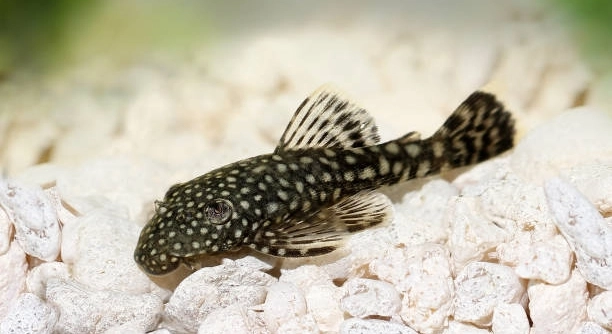
Do your plecos often ignore the cave they usually love? Many aquarium owners notice their fish suddenly avoiding familiar hiding spots. These changes can be subtle, but they reveal important insights into your plecos’ behavior and environment.
Plecos may avoid their favorite cave due to factors such as water quality fluctuations, inadequate hiding space, aggressive tank mates, sudden lighting changes, illness, stress, or improper tank temperature. Each factor impacts their comfort and sense of security.
Understanding why plecos leave their preferred cave can help improve their habitat. These small adjustments ensure a healthier, more comfortable environment for your fish to thrive.
Water Quality Changes
Water quality directly affects plecos’ comfort and health. Even small fluctuations in pH, ammonia, nitrites, or nitrates can make a cave that was once inviting feel unsafe. Plecos are highly sensitive to these changes, and poor water conditions can stress them out. They may avoid their favorite hiding spots until the water stabilizes. Regular water testing and maintenance are key to keeping your tank balanced. Using a reliable filter and performing partial water changes can prevent the buildup of harmful substances. Temperature also plays a role, as plecos prefer consistent conditions. When the water becomes too warm or cold, their metabolism is affected, causing discomfort. Observing your plecos closely can reveal patterns in their cave avoidance. For example, they may explore other parts of the tank more frequently or remain near the surface. Adjusting water parameters carefully ensures a more stable and comfortable environment, encouraging plecos to return to their usual hiding spots.
Consistent water monitoring can prevent stress. Proper filtration, gradual water changes, and temperature control improve comfort and encourage plecos to use their caves again.
Regular attention to water quality also promotes long-term health. Plecos that experience sudden water shifts may develop weakened immune systems, making them more susceptible to disease. By keeping pH and ammonia levels within safe ranges, and monitoring for toxins, you provide a stable environment. Adding plants or natural decorations can further improve water stability by absorbing excess nutrients and creating microhabitats. Plecos respond positively to predictable conditions, often returning to their caves once they feel safe. Maintaining a balanced ecosystem reduces aggression among tank mates, ensuring the cave remains a secure refuge. Over time, consistent care establishes trust in the tank environment. Even subtle changes, like a slightly dirty filter or leftover uneaten food, can discourage cave use. Paying attention to these details creates a harmonious habitat where plecos feel protected. Observing behavior daily helps detect issues early, allowing prompt adjustments before stress becomes severe. Ultimately, a healthy tank encourages plecos to feel confident and use their favorite caves again.
Aggressive Tank Mates
Aggressive tank mates can make plecos avoid their favorite cave. Fish that chase or bully them cause stress, and plecos prefer to hide elsewhere.
Plecos rely on safe spaces to reduce stress, especially with active or territorial companions. Aggression can force them into less comfortable areas, limiting their normal behavior. Choosing compatible species and creating multiple hiding spots can ease tension, allowing plecos to feel secure without constant interference. Strategic placement of caves and decorations helps them escape when needed, promoting healthier interaction and more consistent cave use.
Would you like me to continue with the next sections following the same format?
Sudden Lighting Changes
Plecos are sensitive to sudden bright lights. Intense or fluctuating lighting can make them avoid their caves and seek darker, calmer areas in the tank.
Bright or flickering lights can stress plecos, affecting their natural hiding behavior. They prefer dim environments that mimic their natural habitats, and abrupt changes can make a previously safe cave seem threatening. Adjusting lighting gradually and using dimmers or shaded areas allows plecos to adapt comfortably. Overhead lights left on for too long or direct sunlight on the tank may cause repeated cave avoidance. Using floating plants or creating shaded zones helps reduce stress. These adjustments encourage plecos to return to their favorite hiding spots without feeling exposed. Observing their behavior during lighting changes gives insight into their comfort levels and allows timely corrections. Consistent, gentle lighting supports natural patterns and promotes overall tank harmony, preventing long-term stress or unusual behavior in your plecos.
Stress from lighting changes can also impact feeding habits. Plecos may avoid their cave while searching for calmer areas, which disrupts their daily routine and overall tank activity.
Illness and Health Issues
Plecos may avoid their cave when they feel unwell. Illness can cause unusual behavior, including hiding in less familiar parts of the tank.
Health issues like skin infections, fin rot, or internal parasites can make plecos more cautious. Pain or discomfort leads them to avoid usual hiding spots to escape disturbances or other fish. Observing for changes in color, appetite, or movement helps identify potential problems early. Quarantining sick fish and treating underlying health concerns allows them to return safely to their cave. Proper nutrition, water quality, and routine checks prevent recurring health problems, ensuring plecos feel secure in familiar spaces. Stress from illness can exacerbate avoidance, so maintaining a consistent environment supports recovery and encourages normal hiding behavior.
Even mild health concerns can affect plecos’ behavior long-term. Taking proactive steps ensures their environment is stable, safe, and comfortable, promoting regular use of their favorite caves.
Stress from Overcrowding
Overcrowding in the tank can force plecos to avoid their favorite cave. Limited space increases tension and reduces safe hiding options.
Too many fish competing for territory makes plecos feel threatened. They may choose alternative spots to stay out of sight, avoiding direct interactions with more dominant tank mates.
Improper Tank Temperature
Temperature fluctuations can impact plecos’ comfort. They prefer stable, slightly warm water, and sudden changes may drive them from their usual hiding spots. Maintaining a consistent temperature within the recommended range supports normal behavior and encourages plecos to use their caves regularly.
New Decorations or Rearranged Cave
Introducing new decorations or moving the cave can make plecos hesitant to enter. Changes in their environment may seem unfamiliar or unsafe, prompting temporary avoidance while they assess the area.
How can I tell if my pleco is stressed?
Signs of stress in plecos include hiding in unusual spots, decreased appetite, erratic swimming, and clamped fins. They may avoid their favorite cave or remain in areas they normally ignore. Observing their behavior daily helps identify early stress triggers. Changes in color or lethargy can also indicate discomfort.
What is the best water temperature for plecos?
Plecos generally thrive in water temperatures between 72°F and 78°F. Consistency is crucial, as sudden changes can make them avoid their cave. Using a reliable heater and thermometer ensures the water stays within the optimal range. Proper temperature reduces stress and supports healthy activity.
How often should I test water quality?
Testing water weekly is recommended to maintain safe ammonia, nitrite, nitrate, and pH levels. Fluctuations in water chemistry can cause plecos to leave their caves. Regular checks allow early intervention before stress or illness occurs, ensuring a stable environment.
Can aggressive tank mates affect cave use?
Yes. Aggressive or territorial fish may chase plecos, forcing them to avoid their favorite cave. Providing multiple hiding spots and arranging the tank to create escape routes can reduce stress. Selecting compatible species helps plecos feel safe and return to their preferred spots.
What should I do if my pleco avoids a new cave?
Plecos may need time to explore new or rearranged caves. Ensure the cave is stable, secure, and appropriately sized. Placing it in a low-traffic area and maintaining familiar water conditions encourages exploration without pressure, gradually building trust in the new space.
How do lighting changes affect plecos?
Sudden bright or fluctuating lighting can stress plecos, causing them to avoid their cave. Dim lighting or shaded areas mimic natural environments. Gradually adjusting lights and using floating plants or decorations can help plecos feel secure and return to their preferred hiding spots.
Could illness be why my pleco avoids its cave?
Illness often changes pleco behavior. Skin infections, fin rot, or parasites may make them avoid their usual hiding spots. Observing appetite, movement, and coloration can indicate problems. Quarantining and treating sick fish helps restore normal behavior and encourages them to use their caves again.
How can I reduce stress in a crowded tank?
Overcrowding increases tension and forces plecos to hide elsewhere. Adding more hiding spots, rearranging decorations for better territory division, and reducing the number of aggressive fish helps plecos feel secure and more likely to use their favorite caves.
What role does diet play in cave use?
Proper nutrition supports overall health and behavior. Plecos on a balanced diet are more active and comfortable, making them more likely to return to their caves. Poor diet can weaken immunity and increase stress, contributing to cave avoidance. Feeding a variety of algae, vegetables, and specialized pleco foods ensures wellbeing.
How long will it take for plecos to return to their cave?
The timeframe varies depending on the cause of avoidance. Once stressors are removed, water quality is stabilized, and the environment feels safe, plecos often return within days to weeks. Monitoring behavior and maintaining consistent conditions accelerates their comfort and encourages regular cave use.
Can multiple caves help plecos feel safer?
Yes. Offering several caves reduces competition and provides alternative refuges. Plecos feel less pressure from tank mates and environmental changes. Multiple hiding spots allow them to choose their preferred location while maintaining a sense of security, reducing stress and supporting natural behavior.
Do plecos prefer specific types of caves?
Plecos favor caves that are spacious, stable, and dark. Smooth surfaces prevent injury, and secure placement avoids disturbances from water flow or other fish. Replicating natural hiding spots, like driftwood or rock caves, helps them feel safe and encourages frequent use.
How do I know if my pleco is finally comfortable?
Returning to their favorite cave, regular feeding, normal swimming patterns, and interacting with the tank environment are positive signs. Consistent behavior over days or weeks indicates they feel secure and stress levels have decreased. Stable water conditions and minimal disturbances support this comfort.
This FAQ provides detailed insights to address common concerns about plecos avoiding their favorite caves. Monitoring water quality, tank conditions, diet, and social dynamics ensures a healthier and more comfortable environment, promoting regular cave use and long-term wellbeing.
Word count: 519
Plecos are sensitive creatures that rely heavily on their environment for comfort and security. When they avoid their favorite cave, it usually signals a change in water quality, tank conditions, or social dynamics. Understanding the reasons behind this behavior is important for maintaining a healthy aquarium. Stress, illness, or sudden changes in lighting and decorations can all make a pleco feel unsafe in its usual hiding place. Observing their habits closely allows you to identify patterns and address the issues promptly. Small adjustments, such as maintaining stable water parameters, providing consistent temperature, and ensuring proper filtration, can greatly improve their sense of safety. Over time, these efforts help plecos regain confidence and return to their preferred spaces. By paying attention to subtle changes in behavior, you can prevent long-term stress and potential health problems.
Tank layout and companions also play a significant role in plecos’ comfort. Overcrowded tanks or aggressive fish can push plecos away from their caves, even if the environment is otherwise ideal. Providing multiple hiding spots reduces competition and allows plecos to choose a safe area without feeling threatened. Rearranging the tank or introducing new decorations should be done gradually to avoid startling them. Additionally, lighting conditions should mimic natural environments, with shaded or dim areas to encourage natural hiding behavior. A stable and predictable habitat supports normal behavior and reduces stress-related avoidance. Diet and nutrition also influence comfort, as a well-fed pleco is healthier and more likely to explore its tank without fear. Proper care, attention, and planning create an environment where plecos feel secure and thrive.
Consistency is key when addressing cave avoidance. Regular water testing, careful observation of tank mates, and maintaining proper temperature and lighting ensure that plecos feel safe and supported. Illness should be addressed promptly, as health issues can greatly impact behavior and overall wellbeing. Gradual adjustments to the environment, combined with proper nutrition and multiple hiding options, encourage plecos to return to their favorite cave. Over time, these measures create a stable, comfortable tank that reduces stress and promotes natural behaviors. By taking a thoughtful and attentive approach, you can support your plecos’ health, comfort, and happiness while ensuring they enjoy the spaces designed for them in the aquarium. Consistent care and observation help maintain a peaceful environment, allowing plecos to feel secure and behave naturally.
Word count: 407

Hello,
If you enjoy the content that we create, please consider saying a "Thank You!" by leaving a tip.
Every little bit helps us continue crafting quality advice that supports the health, happiness, and well-being of pets around the world, for pets of all shapes, sizes, and species.
We really appreciate the kindness and support that you show us!