
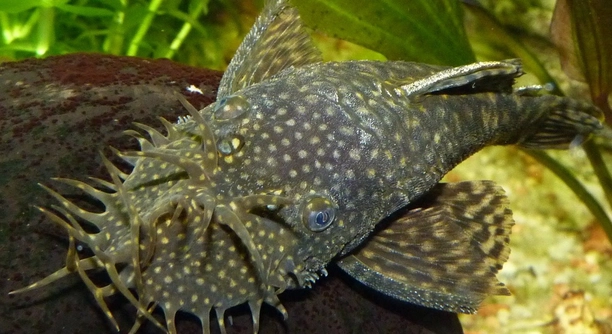
Many aquarists enjoy keeping plecos for their algae-eating habits and unique appearance. These fish are generally easy to care for, but their eating habits can sometimes surprise even the most experienced owners.
Plecos may attempt to eat a variety of items beyond algae, including vegetables, driftwood, aquarium plants, and even small pieces of fish food. Understanding their dietary tendencies helps maintain a healthy aquarium environment.
Knowing what plecos might try to eat can prevent unexpected issues in your tank. Their unusual snacking choices can impact both water quality and plant health if left unmanaged.
Driftwood and Its Appeal
Plecos naturally enjoy gnawing on driftwood. This behavior is part of their digestive process, as the wood helps break down plant matter and provides fiber. In home aquariums, driftwood can also satisfy their need to chew, reducing boredom. Over time, you may notice bite marks or slight erosion on the wood, which is completely normal. Selecting the right type of driftwood is important—avoid pieces treated with chemicals or finishes, as these can harm your fish. Smooth, untreated hardwood varieties are best. Providing multiple wood pieces in different areas encourages natural behavior and gives plecos more space to explore. Some plecos may even hide inside hollow sections, which can reduce stress. Regular cleaning of driftwood is essential to prevent mold or algae build-up, but avoid harsh scrubbing that removes the natural biofilm plecos enjoy. Observing them interact with wood can be surprisingly calming, and it supports their overall health and well-being in the tank.
Driftwood not only entertains plecos but also promotes better digestion and natural behavior. It’s a beneficial addition to most aquariums.
Including driftwood in your tank helps maintain a natural environment. Plecos use it for both grazing and resting. Over time, this simple addition can reduce stress, improve gut health, and encourage activity. Proper placement ensures multiple hiding spots and grazing areas, creating a comfortable habitat that meets their instincts and supports long-term health.
Vegetables Plecos Might Try
Plecos often enjoy vegetables like zucchini, cucumber, and spinach. These provide essential nutrients and mimic the plant matter they would encounter in the wild.
Offering vegetables can balance their diet and reduce damage to aquarium plants. Regularly providing a variety ensures they get sufficient fiber and vitamins.
To feed vegetables, lightly blanch them to soften the texture without removing nutrients. Attach slices to a clip or weight to keep them submerged, as plecos prefer grazing off a stable surface. Rotate vegetables to prevent boredom, and remove leftovers before they decay to maintain water quality. Leafy greens such as spinach and romaine are popular, while denser vegetables like squash may require longer soaking. Observe how your pleco responds; some individuals prefer specific vegetables, while others are more adventurous. A varied diet also supports healthy growth, vibrant coloration, and overall energy. Including vegetables alongside algae wafers or sinking pellets ensures a balanced approach. Overfeeding can cause water issues, so monitor portions and frequency carefully. Adjusting diet according to your pleco’s size and species will help maintain a thriving, active fish.
Aquarium Plants
Some plecos will nibble on soft aquarium plants, especially when other food is limited. Fast-growing plants like Java fern or Anubias are less likely to be harmed, while delicate plants may show bite marks quickly.
Even hardy plants can experience some grazing. Plecos are not strictly herbivores, but their natural curiosity can lead them to sample leaves or stems. Over time, repeated nibbling can affect plant growth and appearance. Monitoring which plants are preferred allows you to adjust placement or protect vulnerable species. Using driftwood or vegetables nearby can distract plecos from damaging prized plants. Observation is key, as each pleco has different tendencies and preferences. Protecting plant health while supporting natural behaviors requires balancing available food sources and providing enough grazing options.
Removing overly soft or fragile plants can prevent damage, but offering a mix of tougher and edible plants keeps the tank lively. Plecos benefit from accessible greenery while their environment remains attractive and healthy.
Sinking Pellets and Prepared Foods
Plecos will readily eat sinking pellets or other prepared foods designed for bottom feeders. These foods provide balanced nutrition, including protein, fiber, and essential vitamins, supporting overall health.
Prepared foods are convenient and ensure plecos receive necessary nutrients. Pellets should sink slowly to give fish time to consume them. Overfeeding can lead to water quality issues, so portion control is important. Observing feeding habits allows adjustments to diet frequency and quantity. Some plecos may ignore pellets initially, preferring natural foods, but persistence and variety usually encourage acceptance. Combining pellets with fresh vegetables or occasional protein supplements creates a balanced diet. This approach reduces the likelihood of them searching for unsuitable alternatives in the tank.
Consistent feeding schedules help plecos remain active and healthy. Varying pellet types and occasional treats keeps them interested, supports growth, and ensures they maintain energy without damaging plants or disturbing the aquarium ecosystem. Proper preparation and observation of behavior are essential for a thriving tank.
Algae Wafers
Algae wafers are a staple for plecos, providing essential nutrients while mimicking natural grazing. They sink slowly, allowing bottom-dwelling fish to feed comfortably without competing with other tank inhabitants.
Regular use of algae wafers can help prevent plecos from nibbling on live plants. They also support healthy growth, strong coloration, and consistent energy levels.
Fruits
Plecos may occasionally try fruits like melon or apple. These should be given sparingly, as excessive sugar can harm their digestive system. Cutting small, manageable pieces and removing leftovers prevents water quality issues. Fruits can supplement a varied diet but should never replace vegetables or pellets.
Small Protein Supplements
Plecos benefit from small protein supplements such as shrimp pellets or bloodworms. These items provide extra protein, particularly for growing or breeding fish, supporting muscle development and overall vitality. Including protein sources a few times a week enhances a balanced diet.
Fallen Leaves
Some plecos enjoy grazing on dried or fresh leaves, like Indian almond leaves. These leaves can soften water slightly, offer natural tannins, and provide an additional grazing option that complements other foods in the tank.
FAQ
What are the safest foods for plecos to eat?
Plecos do best with a combination of algae wafers, vegetables like zucchini or spinach, and driftwood for grazing. Occasional protein supplements, such as bloodworms or shrimp pellets, can be added a few times a week. These foods provide balanced nutrition and support growth, color, and energy levels.
Can plecos eat live plants?
Yes, some plecos may nibble on live plants, especially softer species. Fast-growing plants like Anubias or Java fern are less likely to be damaged, while delicate plants may develop bite marks. Monitoring plant health and offering vegetables or driftwood nearby can reduce unwanted grazing.
Are fruits safe for plecos?
Fruits can be offered occasionally but should never replace vegetables or prepared foods. Small pieces of melon or apple are usually fine, but overfeeding fruits may cause digestive problems and impact water quality if leftovers decay in the tank.
How often should I feed plecos?
Feeding frequency depends on age and size. Young plecos benefit from daily feeding, while adults can be fed every other day. Vegetables should be provided a few times a week, and protein supplements can be offered 1–2 times weekly. Observing your fish ensures they receive the right portions.
Why do plecos chew on driftwood?
Chewing on driftwood supports digestion and mimics natural behavior. Driftwood provides fiber, helps break down plant matter, and satisfies their need to gnaw. Smooth, untreated hardwood is best, and multiple pieces give them room to explore and reduce boredom.
Can plecos overeat?
Yes, overfeeding can lead to poor water quality, obesity, and digestive issues. Watch how much they consume during feeding, remove uneaten food, and rotate between vegetables, pellets, and supplements to maintain a healthy balance.
Do plecos eat algae naturally?
Algae is a natural food source, and most plecos will graze on it regularly. It provides fiber and essential nutrients but should be supplemented with vegetables and pellets to ensure a well-rounded diet. Tanks without enough algae may require more prepared foods.
How do I know if my pleco is getting enough nutrients?
A healthy pleco is active, has vibrant coloration, and shows steady growth. If it avoids food, shows dull color, or becomes lethargic, dietary adjustments may be needed. Offering a variety of vegetables, algae wafers, and occasional protein supplements usually ensures proper nutrition.
Are there foods plecos should never eat?
Avoid processed human foods, citrus, or anything treated with chemicals. Foods high in sugar, salt, or preservatives can harm plecos, disrupt digestion, and lower water quality. Stick to vegetables, algae wafers, driftwood, and occasional protein supplements for safe feeding.
Can plecos survive on just algae?
While plecos may graze on algae, it is not enough for optimal health. A varied diet including vegetables, prepared pellets, and occasional protein ensures they grow properly, maintain energy, and avoid deficiencies over time.
What is the best way to introduce new foods?
Introduce new foods gradually, starting with small amounts to see if the pleco accepts them. Combine new items with familiar foods like pellets or vegetables. Observation is key—some plecos are more adventurous than others, while some need repeated exposure to accept change.
How do I prevent water issues from uneaten food?
Remove leftover vegetables, fruits, and supplements within a few hours. Sinking pellets and wafers should be monitored, and excess should be taken out after feeding. Regular water changes and proper filtration help maintain clean water and prevent harmful buildup from uneaten foods.
Can plecos eat other fish food?
Plecos may try flake or pellet foods intended for other fish, but these usually lack the fiber and nutrients they need. It’s better to provide sinking pellets or wafers formulated specifically for plecos, alongside vegetables and occasional protein supplements.
How important is variety in a pleco’s diet?
Variety ensures they get all necessary nutrients, reduces boredom, and supports natural grazing behavior. A mix of vegetables, driftwood, algae wafers, and protein supplements keeps plecos healthy and encourages normal activity in the tank. Consistency with rotation prevents dietary deficiencies.
What signs indicate a pleco dislikes certain foods?
If a pleco ignores certain vegetables, fruits, or pellets, it may refuse that food repeatedly. They may also push it aside or leave it untouched for hours. Offering a different option or preparing the food differently, such as blanching vegetables, can encourage acceptance.
Can juvenile and adult plecos eat the same foods?
Yes, but portion sizes and frequency differ. Juveniles need more frequent feedings and smaller amounts to support rapid growth. Adults require less frequent feeding but still benefit from variety, including vegetables, pellets, and occasional protein supplements to maintain health and energy.
How do I store pleco food properly?
Keep pellets, wafers, and dried vegetables in a cool, dry place, sealed tightly to prevent moisture and mold. Fresh vegetables and fruits should be refrigerated and used quickly. Proper storage ensures freshness and reduces the risk of feeding spoiled or contaminated food.
Is it safe to feed plecos table scraps?
No, table scraps often contain salt, sugar, and additives that can harm plecos. Stick to vegetables, algae wafers, driftwood, and safe protein supplements. Providing consistent, appropriate foods maintains water quality and prevents digestive or health issues.
What are some signs of dietary deficiency?
Pale coloration, slow growth, lethargy, or loss of appetite can indicate nutritional deficiencies. Adjusting the diet to include vegetables, prepared foods, and occasional protein supplements typically resolves these issues and restores energy, activity, and color.
How much protein is ideal for plecos?
Protein should be given in moderation, usually 1–2 times per week. Excess protein can lead to water quality problems and digestive issues. Small amounts of shrimp pellets or bloodworms supplement their mostly herbivorous diet without causing harm.
Can plecos eat frozen foods?
Yes, frozen bloodworms or shrimp are safe if thawed properly. Offer small portions to avoid overfeeding. Frozen foods provide protein and variety without the risks associated with live feeders or processed human foods.
What vegetables are plecos most likely to enjoy?
Zucchini, cucumber, spinach, and romaine are commonly accepted. Blanching vegetables slightly softens them, making them easier to eat while preserving nutrients. Rotating vegetables keeps the diet varied and supports healthy growth, color, and energy.
How often should fruits be offered?
Fruits should only be given occasionally, once or twice a month. Small pieces are enough to provide a treat without overloading sugar or impacting water quality. Focus on vegetables, pellets, and driftwood for regular feeding.
Are there any foods that help plecos’ digestive health?
Driftwood and fibrous vegetables support digestion naturally. Including algae wafers with fiber content helps maintain gut health. Occasional protein supplements should be balanced with these fibrous foods to ensure proper digestion and nutrient absorption.
How do I monitor if a pleco is eating enough?
Check their activity, color, and overall appearance. Healthy plecos are active and grow steadily. Observe feeding times and make sure they consume offered foods. Adjust portions or variety if they show disinterest or slow growth.
What is the best method to feed plecos in a community tank?
Use sinking pellets, wafers, or vegetables placed near the bottom, away from more aggressive fish. Observing during feeding ensures the pleco gets enough food. Multiple feeding points can reduce competition and stress, keeping all fish healthy.
How can I make vegetables more appealing?
Blanching vegetables slightly softens them and releases aroma, attracting plecos. Using a clip or weight keeps them submerged, making grazing easier. Rotating different types encourages variety and ensures they receive balanced nutrition while reducing boredom.
Do plecos eat algae naturally enough to skip supplements?
Algae alone rarely provides complete nutrition. Supplements like vegetables, pellets, and occasional protein ensure they receive fiber, vitamins, and minerals necessary for growth, coloration, and overall health. Algae should complement a balanced diet rather than replace it.
How do I handle picky plecos?
Introduce new foods gradually, combine with familiar options, and try different preparation methods like blanching vegetables. Observing individual preferences and rotating items helps encourage a balanced diet, even for the pickiest individuals, ensuring proper nutrition and activity.
Are some pleco species more selective with food?
Yes, species vary in preferences. Some favor vegetables, others prefer algae or protein supplements. Researching your pleco species helps tailor diet choices and ensures they receive appropriate nutrition while minimizing unwanted nibbling on plants or other tank items.
Can plecos eat frozen vegetables?
Yes, but thaw and rinse them before feeding to remove excess water. Blanching may improve texture and palatability. Frozen vegetables can be convenient, nutritious, and safe when offered in moderation alongside pellets and algae wafers.
How do I prevent plecos from overeating high-protein foods?
Offer protein supplements only 1–2 times per week in small portions. Pair with fibrous vegetables and pellets to balance the diet. Monitoring feeding ensures water quality remains stable and reduces the risk of digestive or health issues.
Is it necessary to rotate foods daily?
Daily rotation isn’t required, but offering variety across the week ensures balanced nutrition. Alternating vegetables, pellets, wafers, and protein supplements supports growth, energy, and health while reducing boredom and preventing reliance on a single food source.
How important is fiber in a pleco’s diet?
Fiber supports digestion and gut health. Driftwood, vegetables, and algae wafers provide necessary fiber. A diet lacking fiber can cause digestive problems, so including fibrous foods consistently is essential for long-term health.
Can plecos eat live foods safely?
Yes, live foods like bloodworms or small crustaceans can be given occasionally. Ensure they are from a safe source to avoid disease. Live food provides enrichment and protein but should complement the regular diet rather than replace it.
What is the best way to introduce vegetables?
Blanch, cut into small slices, and place near the bottom or clip them to a surface. Observe if the pleco grazes. Rotate vegetables over time to maintain interest and ensure proper intake of nutrients for overall health.
Are there any quick indicators that a food is unsafe?
Mold, chemical residue, or unusual smells indicate the food may be unsafe. Avoid feeding spoiled or processed items. Fresh, untreated vegetables, pellets, driftwood, and approved protein supplements are safest to maintain health and water quality.
How long can plecos go without food?
Adult plecos can survive several days without food, but prolonged fasting can affect health and growth. Regular feeding with vegetables, algae wafers, and occasional protein supplements ensures energy, proper digestion, and overall well-being.
Can plecos eat frozen shrimp?
Yes, thaw small pieces and offer occasionally as a protein supplement. Frozen shrimp provides nutrients without introducing parasites. Portion control is essential to prevent overfeeding and water quality issues in the tank.
What are the best feeding practices for a mixed-species tank?
Use sinking foods and place them away from aggressive fish. Offer vegetables and algae wafers at multiple locations to reduce competition. Observing each species ensures everyone receives sufficient food without stress or imbalance.
Can plecos eat cucumbers daily?
Daily feeding of cucumbers is safe in moderation, but variety is key. Pair cucumbers with other vegetables and pellets to maintain balanced nutrition and prevent dietary monotony. Remove uneaten slices promptly to protect water quality.
How does temperature affect feeding?
Plecos eat more actively in warmer water. Cooler temperatures slow metabolism, reducing appetite. Adjust feeding frequency and portion sizes according to tank temperature to maintain healthy growth and prevent overfeeding.
Are there foods that improve plecos’ coloration?
Vegetables, algae wafers, and protein supplements with natural carotenoids help maintain vibrant coloration. A balanced diet rich in nutrients and fiber supports both health and appearance over time.
Can plecos eat lettuce?
Yes, romaine lettuce is safe and commonly accepted. Blanching improves texture and palatability. Lettuce provides fiber and hydration but should be paired with other vegetables and prepared foods for a complete diet.
What precautions should I take with new foods?
Introduce in small amounts, monitor consumption, and remove leftovers promptly. Ensure foods are safe, untreated, and free from chemicals. Gradual introduction reduces stress and encourages acceptance of a varied, balanced diet.
Is it okay to feed plecos peas?
Yes, shelled peas are safe when blanched. They provide fiber and nutrients, aiding digestion. Offer in moderation alongside other vegetables, algae wafers, and protein supplements to maintain balanced nutrition and prevent boredom.
How do I handle plecos that refuse certain foods?
Rotate items, try different preparations like blanching, and combine with familiar foods. Patience and observation help identify preferences, ensuring a balanced diet while keeping the pleco active and healthy.
Do plecos require supplements like calcium or vitamins?
If fed a varied diet of vegetables, algae wafers, and occasional protein, additional supplements are usually unnecessary. Calcium-rich vegetables and driftwood help maintain healthy bones and teeth naturally.
Can plecos eat carrots?
Yes, carrots are safe when softened by blanching. They provide fiber and nutrients. Cut into small pieces and remove uneaten portions promptly. Combine with other foods for a well-rounded diet.
How do I prevent overfeeding in a community tank?
Offer measured portions, use multiple feeding spots, and remove leftovers promptly. Monitor individual species to ensure each gets sufficient food without compromising water quality or health of other fish.
Can plecos eat kale?
Yes, kale is safe and nutritious. Lightly blanching enhances palatability and maintains nutrients. Rotate with other vegetables to provide balanced nutrition, fiber, and enrichment for natural grazing behavior.
Are there signs of food intolerance?
Bloating, unusual feces, or lethargy may indicate intolerance. Adjust diet by reducing problem foods, offer small portions, and monitor responses. Balanced variety usually prevents digestive issues and maintains overall health.
How important is portion control?
Portion control prevents overfeeding, water quality problems, and obesity. Observe consumption, remove leftovers, and rotate foods to ensure a balanced diet while maintaining a clean, healthy aquarium environment.
Can plecos eat spinach?
Yes, spinach is a safe vegetable option. Blanching improves texture and makes it easier to consume. Rotate with other vegetables and provide prepared foods for complete nutrition.
Do plecos need fruit supplements?
Fruits are optional treats. Small amounts occasionally are safe, but they should not replace vegetables, pellets, or protein. Proper rotation ensures balanced nutrition and reduces water quality issues.
How do I introduce protein supplements safely?
Offer small portions 1–2 times weekly alongside regular vegetables and pellets. Observe feeding, remove uneaten pieces, and ensure variety to prevent digestive or water quality problems.
Can plecos eat cucumbers and zucchini together?
Yes, combining soft vegetables provides fiber, hydration, and variety. Blanch slices for easier consumption and rotate other foods to maintain a balanced diet supporting growth, energy, and health.
What foods help reduce algae in tanks?
Algae wafers, vegetables, and driftwood grazing encourage plecos to eat natural algae. Providing sufficient alternatives prevents overgrazing on plants while keeping the tank clean and supporting pleco nutrition.
Are plecos picky eaters?
Some are selective, while others accept most vegetables and prepared foods. Patience, rotation, and observation help accommodate preferences and ensure a balanced diet for long-term health.
Can plecos eat apple slices?
Yes, small apple pieces are fine occasionally. Remove uneaten portions promptly to avoid water issues. Fruits supplement the diet but should remain an occasional treat alongside vegetables and prepared foods.
How do I balance protein and fiber?
Offer protein supplements sparingly and combine with fibrous vegetables, driftwood, and algae wafers. This ensures proper digestion, prevents water issues, and supports growth, energy, and overall pleco health.
Can plecos eat squash?
Yes, softened squash is safe and nutritious. Blanching improves texture and makes it easier to consume. Rotate with other vegetables, prepared foods, and occasional protein for a complete diet.
How do I prevent food waste?
Offer small portions, remove leftovers promptly, and observe feeding behavior. Proper preparation, rotation, and monitoring help reduce waste and maintain water quality while ensuring plecos receive balanced nutrition.
Do plecos eat cabbage?
Yes, cabbage is safe when softened. Small portions, blanched if necessary, provide fiber and nutrients. Rotate with other vegetables and prepared foods to maintain balanced nutrition and support digestive health.
Can plecos eat grapes?
Occasionally, small grape pieces are safe. Remove uneaten portions to protect water quality. Fruits should supplement the diet sparingly, with vegetables, algae wafers, and protein forming the main nutrition.
Are there foods to avoid completely?
Avoid processed human foods, citrus, salted items, and anything chemically treated. These can harm plecos, disrupt digestion, and degrade water quality. Stick to safe vegetables, algae wafers, driftwood, and approved protein supplements for consistent health.
How do I rotate foods effectively?
Offer different vegetables, pellets, algae wafers, and protein supplements across the week. Rotate textures, flavors, and types to maintain interest, provide balanced nutrients, and support natural grazing behavior without overfeeding.
Can plecos eat sweet potato?
Yes, softened or blanched sweet potato is safe. Cut into small pieces and remove leftovers. Rotate with other vegetables and prepared foods to maintain a balanced diet that supports growth and health.
How do I monitor water quality during feeding?
Check for uneaten food, remove promptly, and perform regular water changes. Balanced feeding, portion control, and safe food choices prevent spikes in ammonia or nitrate levels, ensuring a healthy tank environment.
Can plecos eat bell peppers?
Yes, small blanched pieces of bell pepper are safe. They provide fiber and nutrients. Rotate with other vegetables, pellets, and protein supplements for a balanced diet.
How important is observation during feeding?
Observation ensures each pleco receives enough food, avoids overfeeding, and maintains water quality. It helps identify preferences, monitor health, and adjust portion sizes or types of food as needed.
Are algae wafers necessary if vegetables are provided?
Yes, they supplement fiber, vitamins, and minerals. Algae wafers ensure a balanced diet, particularly if natural algae is limited or vegetables alone cannot meet nutritional needs.
Can plecos eat mango?
Occasionally, small pieces are safe as a treat. Remove leftovers to maintain water quality. Fruits should remain supplemental, with vegetables and prepared foods forming the main diet.
How do I handle picky eaters in a community tank?
Provide multiple feeding spots, rotate vegetables
Plecos are fascinating fish with unique eating habits that can surprise even the most experienced aquarium keepers. While many people assume plecos only eat algae, their diet is much more varied. They enjoy vegetables, prepared sinking foods, driftwood, and even occasional protein supplements. Understanding what plecos are likely to eat helps you provide a balanced diet that supports growth, color, and overall health. Each pleco has individual preferences, so paying attention to their behavior during feeding times is important. Some may nibble on aquarium plants, while others focus primarily on prepared foods and vegetables. Providing a variety of options ensures they get all necessary nutrients without damaging their habitat. Observing which foods your pleco prefers can help you plan feedings and avoid problems such as overfeeding or water quality issues. Consistency in diet, combined with careful monitoring, allows plecos to thrive in a home aquarium environment.
Maintaining a proper feeding routine is essential for keeping plecos healthy. Vegetables like zucchini, cucumber, spinach, and romaine provide fiber and vitamins, while algae wafers and sinking pellets supply protein and other nutrients they may not get from vegetables alone. Occasional protein supplements, such as bloodworms or shrimp pellets, can support growth, particularly for younger or breeding fish. Driftwood also plays an important role in their diet, helping with digestion and mimicking natural grazing behavior. While fruits can be offered, they should only be a rare treat because high sugar content can affect their digestive system and water quality. Keeping the tank clean by removing uneaten food and monitoring portions helps prevent issues such as ammonia spikes or algae overgrowth. Feeding schedules should be adjusted based on age, size, and activity level, as juvenile plecos require more frequent feedings than adults. Understanding their natural instincts and dietary needs allows aquarists to provide a safe and supportive environment where plecos can grow and remain active.
Plecos may seem simple to care for, but their eating habits show they have distinct preferences and nutritional needs. By providing a balanced combination of vegetables, prepared foods, protein supplements, and driftwood, you ensure they receive the nutrients needed to thrive. Monitoring their behavior and adjusting their diet when necessary helps maintain both the fish’s health and the overall quality of the aquarium. Variety in foods prevents boredom and encourages natural grazing, while portion control prevents overfeeding and keeps water conditions stable. Each pleco will respond differently to specific foods, so patience and observation are key to identifying the right combination. Over time, you may notice their preferences change, and offering new foods gradually can help them adapt. Taking the time to understand their dietary habits contributes to a healthier, more vibrant aquarium. Providing appropriate foods and maintaining careful feeding practices ensures that plecos live long, active, and healthy lives, making them a rewarding addition to any tank.

Hello,
If you enjoy the content that we create, please consider saying a "Thank You!" by leaving a tip.
Every little bit helps us continue crafting quality advice that supports the health, happiness, and well-being of pets around the world, for pets of all shapes, sizes, and species.
We really appreciate the kindness and support that you show us!