7 Subtle Ways Plecos Communicate Mood

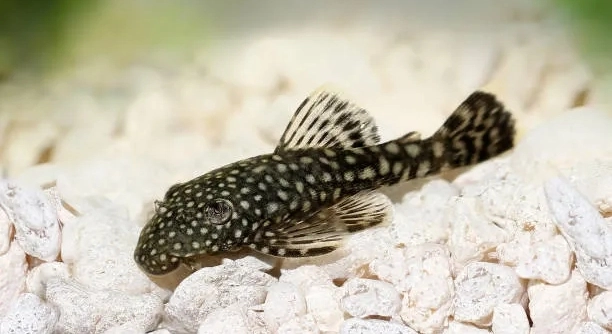
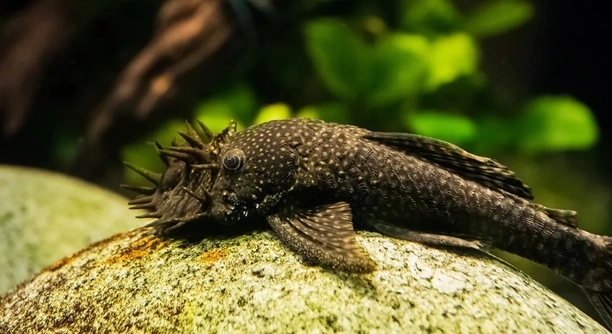
Plecos are fascinating fish with quiet, mysterious behaviors that often go unnoticed. Observing them carefully can reveal subtle signs of their mood and well-being. Many aquarists miss these gentle cues in everyday tank interactions. Plecos communicate their mood through body movements, fin displays, color changes, and interaction with their environment. Each subtle behavior provides insight … Read more
How Long Does It Take Plecos to Mature?

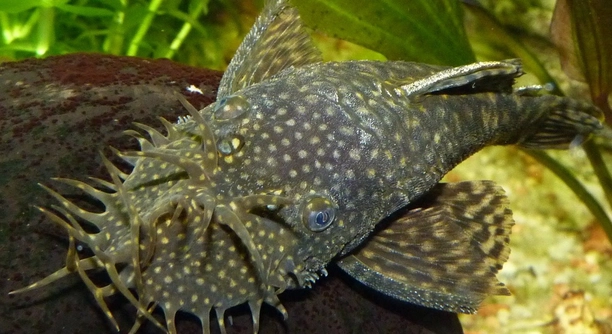
Do you enjoy keeping aquariums but find yourself wondering how long it takes for plecos to reach full maturity? These fascinating fish grow steadily over time and require proper care to thrive in a home tank. Plecos generally reach maturity between 1.5 to 3 years, depending on the species, diet, and environmental conditions. Factors such … Read more

7 Tips to Help Plecos Regrow Lost Bristles

Do your plecos seem to have lost their bristles, leaving them looking uneven or worn? This common issue can worry aquarium owners who want their fish to stay healthy and maintain their natural appearance. Plecos can regrow lost bristles through proper care, a balanced diet, and maintaining optimal water conditions. Providing stress-free environments, adequate nutrition, … Read more

Can Bristlenose Plecos Smell Their Food?

Bristlenose plecos are popular freshwater fish admired for their calm nature and algae-eating habits. Many aquarists enjoy observing their behaviors while feeding and caring for them in home aquariums with peaceful companions. Bristlenose plecos possess a highly developed sense of smell, which allows them to locate and identify food efficiently. They rely on chemoreception in … Read more

7 Signs Your Pleco Isn’t Getting Enough Algae

Have you ever noticed your pleco spending more time searching than grazing in the tank? Watching them can make you wonder if they are truly getting enough algae to stay healthy and active. A pleco that does not receive sufficient algae may exhibit poor growth, weakened immunity, and abnormal behavior. Limited access to natural food … Read more

Why Your Pleco Avoids the Same Food Daily

Your pleco may seem picky, avoiding the same food day after day. This behavior is normal and part of their natural feeding instincts, which are shaped by their environment and biological needs, ensuring they get a varied diet. Plecos avoid eating the same food daily because their digestive systems and nutritional requirements demand variety. Offering … Read more

7 Cues Plecos Use to Claim a Territory

Plecos are fascinating fish, often admired for their calm presence and interesting behavior. They are naturally territorial and develop specific habits to establish their space in aquariums and natural habitats. Observing these behaviors can be insightful. Plecos use a combination of visual displays, fin flaring, body posturing, substrate marking, chemical signals, movement patterns, and vocalizations … Read more

7 Tank Setup Mistakes for New Pleco Owners

Are you new to keeping plecos and finding your tank setup a bit confusing? Many new owners face challenges when trying to create the right environment for these unique freshwater fish to thrive. The most frequent mistakes pleco owners make include inadequate tank size, improper water conditions, insufficient hiding spots, lack of suitable diet, and … Read more

7 Clues Your Pleco Tank Needs Redecorating

Are your pleco tank decorations starting to look worn or outdated? Over time, aquariums can lose their visual appeal, and your fish may become less stimulated. Keeping the environment fresh helps maintain a healthy and engaging space for them. A pleco tank may require redecoration if hiding spots are insufficient, algae growth is excessive, substrate … Read more

Do Bristlenose Plecos Bond With Each Other?

Do your aquariums feel a little quiet despite having multiple Bristlenose Plecos? These small catfish are known for their unique appearance and gentle behavior, often keeping to themselves while exploring their surroundings calmly. Bristlenose Plecos do exhibit social interactions, but they generally do not form strong bonds with each other. Observations indicate they may tolerate … Read more