
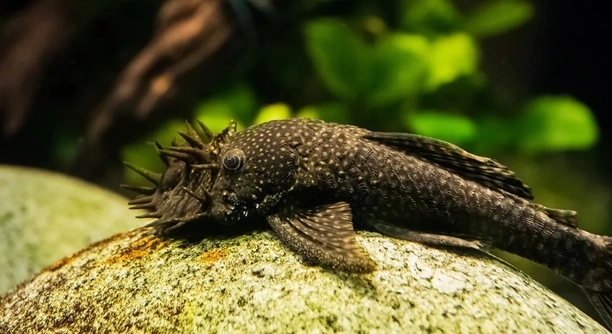
Are you new to keeping plecos and finding your tank setup a bit confusing? Many new owners face challenges when trying to create the right environment for these unique freshwater fish to thrive.
The most frequent mistakes pleco owners make include inadequate tank size, improper water conditions, insufficient hiding spots, lack of suitable diet, and neglecting regular maintenance. Addressing these issues early ensures a healthier, more stable habitat for plecos to grow and flourish.
By understanding these common pitfalls, you can prevent problems and provide a comfortable home for your pleco from the start.
Choosing the Wrong Tank Size
Many new pleco owners underestimate how much space these fish need. Plecos can grow quite large, depending on the species, and small tanks can stunt their growth and lead to health issues. A 30-gallon tank may be enough for some smaller species, but most common plecos require at least 50 gallons. Crowded conditions increase stress and make it difficult to maintain clean water. Stress can weaken their immune system, making them more susceptible to disease. Beyond size, consider the tank’s shape; long and wide tanks provide better swimming space than tall, narrow tanks. Adding decorations and hiding spots is important, but they should not take up too much swimming area. Proper planning at the start helps avoid frequent tank upgrades and prevents early mortality. Observing your pleco’s behavior and growth can guide adjustments. Investing in the correct tank size is one of the simplest ways to keep plecos healthy and comfortable over time.
Smaller tanks make maintenance harder and water quality harder to control, which can quickly harm plecos’ health.
A proper tank allows plecos to explore, graze on algae, and feel secure. Providing enough swimming space supports their physical health, encourages natural behaviors, and reduces aggression. Planning for adult size prevents overcrowding and future tank upgrades, making your setup stable and easier to maintain.
Ignoring Water Quality
Poor water quality is one of the main reasons plecos struggle in captivity. Plecos are sensitive to ammonia, nitrite, and nitrate levels, which can rise quickly in tanks without regular maintenance. Frequent water testing and partial water changes keep the water safe. Temperature and pH are also crucial; most plecos thrive in slightly warm, neutral to slightly acidic water. Using a reliable filter and cleaning it regularly helps remove debris and maintains oxygen levels. Overfeeding can worsen water conditions, as leftover food decomposes and pollutes the tank. Adding live plants or driftwood can improve water quality and create natural hiding spots. Monitoring water parameters ensures your pleco stays healthy, reduces stress, and minimizes the risk of disease.
Neglecting water quality can lead to sickness, slow growth, and shortened lifespans for plecos.
Maintaining proper water conditions requires consistent care. Testing weekly for ammonia, nitrites, nitrates, and pH allows for quick corrections. Regular partial water changes remove toxins and replenish minerals essential for pleco health. Filters should be cleaned to avoid clogging, but never fully scrub media, as beneficial bacteria help process waste. Temperature stability is equally important; sudden changes can shock your fish. Plecos also benefit from water treatments to remove chlorine or heavy metals. Overfeeding not only causes water issues but can lead to obesity and digestive problems. Keeping track of water parameters ensures the tank stays balanced, reduces stress, and promotes natural behavior. Proper water care is a small investment of time that greatly improves your pleco’s quality of life.
Overfeeding Your Pleco
Overfeeding is a common issue for new pleco owners. Plecos eat slowly and can’t consume large amounts at once. Excess food decays, pollutes the tank, and increases stress. Feeding small portions regularly is safer and promotes better health.
Plecos primarily graze on algae, but they also need supplemental foods like vegetables and sinking pellets. Offering too much can lead to obesity and digestive problems. Uneaten food contributes to poor water quality, increasing ammonia and nitrate levels that harm your fish. Feeding controlled portions ensures your pleco eats properly without overwhelming the tank’s filtration system.
It’s important to observe your pleco during feeding. Remove leftovers within a few hours to prevent decay. Rotate vegetables like zucchini or cucumber to provide nutrients. Sinking pellets and algae wafers are convenient, but avoid overreliance on them. A balanced feeding routine keeps your pleco healthy, active, and reduces maintenance stress.
Neglecting Hiding Spots
Plecos need hiding places to feel secure and reduce stress. Without adequate shelter, they may hide constantly or become aggressive toward other fish. Providing caves, driftwood, or dense plants helps them feel comfortable.
Hiding spots are not just decorative—they play a role in health and behavior. Plecos are nocturnal and often retreat during the day. Proper shelters allow natural resting behavior and reduce stress, which improves immunity. Using driftwood also supports digestion, as some species consume it. Avoid overcrowding the tank with decorations, as plecos still need swimming space. Multiple hiding spots allow for multiple plecos or tank mates, reducing territorial conflicts.
When arranging hiding areas, vary sizes and types to suit your pleco’s needs. Smooth caves, hollow logs, and thick plants offer protection and comfort. Driftwood placement should allow grazing space and maintain open swimming paths. Over time, your pleco will claim preferred spots, so providing choices encourages natural exploration. A well-thought-out layout balances security, activity, and interaction with other fish, helping plecos feel at home while reducing stress and promoting overall health.
Using Inappropriate Substrate
Plecos interact with the tank bottom constantly, so choosing the right substrate is crucial. Sharp gravel can injure their delicate undersides and fins, while smooth sand or fine gravel is safer. A soft substrate supports natural foraging behavior without risk of damage.
Avoid overly coarse or jagged materials that may trap waste. Smooth sand or rounded gravel minimizes abrasions and allows plecos to sift through it safely. The right substrate also simplifies cleaning, reducing leftover food buildup. Proper substrate choice creates a safer, more comfortable environment for your pleco to explore and graze naturally.
Ignoring Proper Filtration
A strong, reliable filter is essential for pleco health. These fish produce significant waste, and poor filtration quickly degrades water quality. Filters should match the tank size and be cleaned regularly to maintain efficiency.
Forgetting Driftwood
Driftwood is more than decoration; many pleco species require it for grazing and digestion. Including it in the tank supports natural feeding habits.
FAQ
How often should I feed my pleco?
Plecos should be fed once daily, ideally in the evening when they are most active. Small portions prevent uneaten food from polluting the tank. Supplement their diet with vegetables like zucchini, cucumber, or spinach a few times a week. Sinking pellets or algae wafers can be included, but avoid overfeeding.
What size tank does my pleco need?
Tank size depends on the species, but most common plecos require at least 50 gallons as adults. A larger tank allows them to swim freely, reduces territorial aggression, and helps maintain stable water parameters. Avoid small tanks, as overcrowding leads to stress and stunted growth.
Do plecos need hiding spots?
Yes, plecos need hiding places to feel secure. Caves, hollow logs, and dense plants provide shelter during the day, as plecos are mostly nocturnal. Multiple hiding spots reduce stress, encourage natural behavior, and minimize conflicts if you have more than one pleco or tank mates.
How important is water quality?
Water quality is critical. Plecos are sensitive to ammonia, nitrites, and nitrates. Test water weekly and perform regular partial water changes to maintain safe levels. Proper filtration, stable temperature, and pH balance keep plecos healthy. Overfeeding and leftover food can worsen water conditions, so monitor feeding carefully.
Can plecos live with other fish?
Plecos can coexist with many tank mates, but they may become territorial with other bottom dwellers. Avoid keeping multiple large plecos in a small tank. Observing behavior is key. If aggression occurs, add more hiding spots or consider separating aggressive individuals.
Do plecos need driftwood?
Many pleco species benefit from driftwood, which provides grazing material and aids digestion. Hardwoods like oak or Malaysian driftwood are preferred. Ensure it is clean and aquarium-safe. Driftwood also offers shelter and can enhance the natural feel of the tank.
What should I do if my pleco stops eating?
Loss of appetite can indicate stress, poor water quality, or illness. Check water parameters, inspect the tank for overcrowding, and ensure there are sufficient hiding spots. Offer fresh vegetables and sinking pellets, but avoid overfeeding. Monitor your pleco closely and consult a vet if the issue persists.
How do I prevent algae overgrowth?
Plecos eat algae, but they alone can’t control excessive growth. Maintain proper lighting, avoid overfeeding, and perform regular water changes. Adding fast-growing plants can compete with algae for nutrients, helping keep the tank cleaner and more balanced.
Is it necessary to clean the tank often?
Yes, regular maintenance is essential. Partial water changes, substrate vacuuming, and filter cleaning keep water quality high. Removing uneaten food prevents toxin buildup. Cleaning should be consistent, but avoid completely scrubbing beneficial bacteria in the filter to maintain biological balance.
How fast do plecos grow?
Growth depends on species, tank size, diet, and water conditions. Some plecos grow slowly, while others can reach over a foot in a few years. Providing sufficient space, proper nutrition, and clean water ensures healthy development. Monitor growth to adjust tank size and diet accordingly.
Can plecos be kept in planted tanks?
Yes, plecos can live with live plants, but choose hardy species. Some plecos may nibble on softer plants. Using driftwood and rocks can protect delicate plants and create natural hiding spots. Proper planting layout allows plecos to explore without damaging vegetation.
What is the best temperature for plecos?
Most plecos thrive in slightly warm water, typically 72–78°F (22–26°C). Sudden temperature changes can stress them. Use a reliable heater and thermometer to maintain stable conditions. Keeping water within the right range supports metabolism, digestion, and overall health.
How long do plecos live?
Plecos can live 10–15 years on average, depending on species and care. Proper tank size, diet, water quality, and stress management are crucial for longevity. Monitoring health and providing a stable environment helps them reach their full lifespan potential.
What are signs of a healthy pleco?
A healthy pleco is active at night, grazes on algae, and has smooth, intact fins. Bright coloration, clear eyes, and steady breathing indicate good health. Regular observation helps catch early signs of illness or stress, allowing prompt intervention.
Can I keep multiple plecos together?
Some species tolerate tank mates, but overcrowding or same-species aggression can occur. Provide ample space and multiple hiding spots to reduce stress. Observe interactions, and if conflicts arise, separate individuals or provide more territories.
Do plecos need supplements or special diets?
While they primarily eat algae and vegetables, supplements like algae wafers, sinking pellets, or occasional protein sources support growth. Ensure variety to prevent nutrient deficiencies. Avoid feeding human food or processed items, as these can harm their digestive system.
Are plecos suitable for beginners?
Plecos can be kept by beginners if proper care is followed. Understanding tank size, water quality, diet, and hiding needs is essential. With consistent maintenance, plecos are hardy, long-lived fish that adapt well to aquarium life.
How do I acclimate a new pleco?
Acclimate slowly to prevent shock. Float the bag in the tank for 15–20 minutes, gradually mix tank water into the bag, and then release the fish. Monitor behavior for stress or illness after introduction. A slow process reduces mortality and helps your pleco adjust safely.
What should I do during a power outage?
Maintain oxygen levels by gently stirring water or using a battery-operated air pump. Avoid feeding during extended outages, as waste may accumulate without filtration. Once power returns, check water parameters and ensure the filter is functioning properly.
How do I treat common pleco illnesses?
Treatment depends on the illness. Signs like white spots, fin rot, or lethargy require water quality checks first. Medications may be needed, but always follow instructions. Quarantining sick fish prevents spread, and early intervention increases recovery chances.
Can plecos survive in cold water?
Most plecos are tropical and cannot tolerate cold temperatures. Water below 70°F (21°C) may slow metabolism, reduce appetite, and increase susceptibility to disease. Maintaining stable, warm conditions is essential for their health and growth.
How do I tell the sex of my pleco?
Sexing plecos varies by species. Males often have broader heads, longer pectoral fins, and more pronounced odontodes (bony bristles) on the body. Females tend to have rounder bellies and shorter fins. Observing these traits can help differentiate males from females for breeding purposes.
Can plecos damage aquarium equipment?
Plecos are generally peaceful but may occasionally move lightweight decorations or nibble on soft tubing. Ensure equipment is secure and driftwood or rocks are properly anchored. Their grazing activity rarely damages filters or heaters but may rearrange small objects in the tank.
How often should I check water parameters?
Testing water weekly is recommended. Regular checks for ammonia, nitrites, nitrates, pH, and temperature help catch issues early. Maintaining stable conditions supports pleco health and reduces the likelihood of stress or disease. Frequent monitoring is a simple habit that improves long-term tank stability.
What do I do if my pleco stops hiding?
If a pleco suddenly stops using hiding spots, it may feel stressed or unwell. Check water quality, tank mates, and diet. A sudden behavioral change often signals environmental issues. Adjustments or observation can restore normal behavior and ensure comfort.
Can plecos jump out of the tank?
Plecos rarely jump, but it can happen if water quality is poor or the tank lacks hiding spots. Always keep a secure lid to prevent escapes and maintain a safe, stress-free environment. Proper care reduces the chance of such behavior.
Is it okay to keep plecos with aggressive fish?
Aggressive tank mates can stress plecos. They may hide excessively or stop eating. If keeping with semi-aggressive fish, ensure plenty of hiding spaces and monitor interactions closely. Separating incompatible species is often necessary to protect your pleco.
How do I clean driftwood?
Boil or soak driftwood before adding it to remove tannins and pests. Over time, rinse it in tank water to prevent debris buildup. Driftwood maintenance supports water quality and ensures it remains a safe, functional part of your pleco’s habitat.
Are plecos noisy at night?
Plecos are mostly nocturnal and quiet. You may hear some scraping as they graze on algae or driftwood. This is normal behavior and indicates active feeding. Minimal noise makes them suitable for most community tanks.
Can plecos reproduce in home aquariums?
Some species can breed in captivity if conditions are ideal. Males need caves for spawning, and water quality must be stable. Temperature and diet also influence breeding. Observing signs of readiness, like nest-building, helps identify potential spawning behavior.
What should I do if my pleco becomes lethargic?
Lethargy often signals stress, poor water quality, or illness. Check water parameters, tank temperature, diet, and tank mates. Early action prevents serious health problems. Providing proper care, hiding spots, and clean water encourages recovery.
How do I introduce a new pleco to an existing tank?
Acclimate slowly using the float-and-mix method. Ensure sufficient space and hiding spots for all fish. Monitor interactions for aggression and adjust if necessary. A careful introduction prevents stress, reduces territorial disputes, and helps your pleco settle comfortably.
Can plecos survive without algae in the tank?
Algae is part of their diet, but plecos also need supplemental foods like vegetables and sinking pellets. Without algae, ensure sufficient alternative nutrition. A balanced diet supports growth, health, and natural grazing behavior, even in low-algae tanks.
Do plecos need a night light?
Plecos are nocturnal and don’t require a night light. Normal room lighting or a dim tank light at night is sufficient. Excessive lighting can stress them, while darkness encourages natural activity.
Can plecos adapt to different water types?
Plecos can adapt within limits, but sudden changes in pH, hardness, or temperature can stress them. Gradual adjustments and monitoring help them acclimate safely. Stable water conditions are key for long-term health and growth.
How do I prevent fin damage in plecos?
Provide smooth substrate, avoid sharp decorations, and monitor tank mates. Proper diet and water quality also maintain strong, healthy fins. Reducing stress and overcrowding prevents fights that may cause injury.
Is it normal for plecos to hide all day?
Yes, plecos are nocturnal and typically remain hidden during daylight hours. Providing ample hiding spots and a comfortable environment allows them to rest safely. Nighttime activity is when they feed and explore the tank.
What are common signs of disease in plecos?
Symptoms include loss of appetite, lethargy, white spots, torn fins, labored breathing, and abnormal swimming. Early detection and action, such as water checks and treatment, improve recovery chances and prevent disease spread.
How can I keep my pleco entertained?
Providing driftwood, hiding spots, and a varied diet encourages natural foraging behavior. Rearranging decorations occasionally and including different textures and surfaces stimulates activity and reduces boredom.
Can plecos live with shrimp or snails?
Most plecos are compatible with snails and larger shrimp, but smaller species may be eaten. Providing hiding spaces and monitoring interactions ensures coexistence. Consider the pleco’s size relative to other invertebrates when planning the tank.
Do plecos require lighting?
Plecos do not need intense lighting. Moderate lighting supports plant growth if present, but plecos prefer dim areas and will use hiding spots during bright periods. Balance lighting to support tank health without stressing your fish.
How long can plecos go without food?
Healthy adult plecos can survive several days without food, but prolonged fasting is stressful. Always ensure they have access to grazing surfaces and supplemental food to maintain energy and health.
Can plecos eat frozen or live foods?
Yes, plecos can eat frozen or live foods occasionally, such as bloodworms or brine shrimp. These should supplement their diet, not replace vegetables and algae. Variety supports growth, digestion, and overall health.
What is the best way to quarantine a new pleco?
Use a separate tank with proper filtration, hiding spots, and water parameters matching the main tank. Quarantine for at least two weeks to monitor for disease or stress before introducing to the main aquarium.
How do I tell if my pleco is stressed?
Signs include hiding excessively, refusing food, rapid breathing, clamped fins, or unusual swimming. Stress often results from poor water quality, overcrowding, or aggressive tank mates. Addressing the cause restores normal behavior.
Can plecos coexist with goldfish?
Plecos can live with goldfish if the tank is large enough and water temperature suits both species. Goldfish produce more waste, so filtration and water changes are critical. Monitor behavior to ensure peaceful coexistence.
How do I handle a pleco safely?
Use a soft net or your hands carefully, supporting the body. Avoid touching sharp spines on some species. Minimize handling to reduce stress and prevent injury.
Do plecos need oxygenation besides the filter?
Adequate oxygen is usually provided by a good filter and water movement. Additional aeration may be needed in crowded tanks or during high temperatures. Proper oxygen levels support metabolism and overall health.
How can I prevent overgrowth of driftwood fungi?
Rinse driftwood regularly and remove visible fungi. Boiling or soaking before placement can reduce initial growth. Driftwood fungi are harmless but can affect appearance.
Can plecos live with bettas?
Plecos can live with bettas if the tank is spacious and there are hiding spots. Avoid aggressive interactions. Monitor both species, as some bettas may nip fins of long-finned plecos.
What type of water conditioner should I use?
Use conditioners that remove chlorine, chloramine, and heavy metals. Follow instructions for dosage and frequency. Proper water treatment prevents stress and supports healthy gill function.
How often should I feed vegetables to my pleco?
Vegetables should be offered 3–5 times per week. Rotate types to provide balanced nutrition. Remove uneaten portions to maintain water quality.
Can plecos live in brackish water?
Most common plecos are freshwater and cannot tolerate brackish conditions. Some specialized species may adapt, but freshwater setups are recommended for typical aquarium plecos.
Is it normal for plecos to scrape glass?
Yes, scraping algae from glass is natural grazing behavior. It helps them feed and keep surfaces clean. Occasional scraping is harmless and indicates activity.
How do I maintain a healthy pleco tank long-term?
Regular water testing, partial water changes, proper feeding, cleaning, hiding spots, and monitoring behavior are essential. A balanced, well-maintained environment supports growth, reduces stress, and ensures your pleco remains healthy for years.
Final Thoughts
Owning a pleco can be rewarding, but it requires careful planning and attention to detail. These fish are larger and more active than many new owners expect, and providing the right environment is essential. Choosing the correct tank size from the beginning prevents overcrowding and allows the pleco to swim and explore naturally. Proper substrate, decorations, and hiding spots create a safe, comfortable space that reduces stress and encourages natural behavior. Driftwood is not just decorative but supports digestion and provides a surface for grazing. Small mistakes early on, such as overfeeding or neglecting water quality, can quickly lead to health problems, so it’s important to stay consistent with maintenance. Observing your pleco regularly helps identify potential issues before they become serious, allowing you to make adjustments quickly.
Water quality plays a central role in pleco care. These fish are sensitive to high levels of ammonia, nitrites, and nitrates, and poor conditions can weaken their immune systems. Using a reliable filter, performing regular partial water changes, and testing parameters weekly ensures the tank remains stable. Temperature and pH must also be monitored carefully, as sudden changes can stress your pleco and affect its appetite. Overfeeding or leaving uneaten food in the tank contributes to water pollution, so feeding small portions and removing leftovers is critical. Proper filtration, along with a clean substrate, reduces waste buildup and promotes a healthy environment. Taking these steps may seem time-consuming, but the benefits for your pleco’s health and longevity are significant.
Diet and behavior are equally important for keeping a pleco healthy. While plecos graze on algae, they also require supplemental foods such as vegetables and sinking pellets to meet their nutritional needs. Rotating vegetables like zucchini, cucumber, and spinach provides variety and essential nutrients. Providing multiple hiding spots supports natural nocturnal behavior and reduces stress, especially in tanks with other fish. Plecos are generally peaceful, but they can be territorial with other bottom dwellers, so careful observation is necessary. Maintaining a balanced diet, proper tank conditions, and regular monitoring ensures your pleco thrives, grows steadily, and remains active. By paying attention to these key factors, you can create a stable, healthy, and enjoyable environment for your pleco for many years.

Hello,
If you enjoy the content that we create, please consider saying a "Thank You!" by leaving a tip.
Every little bit helps us continue crafting quality advice that supports the health, happiness, and well-being of pets around the world, for pets of all shapes, sizes, and species.
We really appreciate the kindness and support that you show us!