
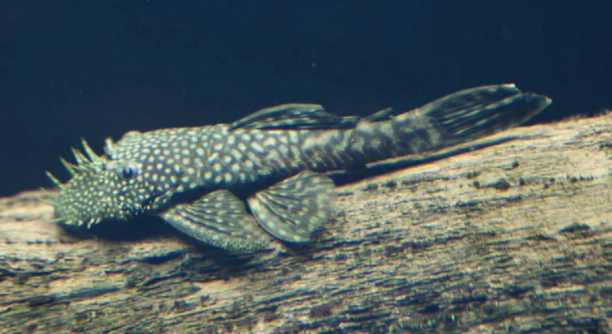
Bristlenose plecos are popular freshwater fish admired for their calm nature and algae-eating habits. Many aquarists enjoy observing their behaviors while feeding and caring for them in home aquariums with peaceful companions.
Bristlenose plecos possess a highly developed sense of smell, which allows them to locate and identify food efficiently. They rely on chemoreception in their environment, using olfactory cues to detect edible materials even in low visibility conditions.
Understanding how these fish sense their food can improve feeding routines and overall aquarium management, ensuring that plecos remain healthy and active in their aquatic environment.
How Bristlenose Plecos Use Their Sense of Smell
Bristlenose plecos have specialized sensory organs that allow them to detect chemicals in the water. These organs help them find algae, vegetables, and prepared foods even when visibility is low. Observing them, I noticed how they often hover near new food before moving closer, seemingly analyzing its scent. Their barbels, the whisker-like structures around their mouth, are highly sensitive and help them sample surfaces for edible matter. In a tank with multiple plecos, they often seem to “take turns” investigating a food item, showing that smell is key to recognizing both type and freshness. This sense also helps them locate food hidden in substrate or under decorations. Regular feeding routines can reinforce their natural behavior, making them more confident and active during mealtime. Understanding this behavior allows me to adjust food placement and ensure all plecos get adequate access to meals, reducing stress and competition in the tank.
Their smell ability is crucial for feeding and overall wellbeing, influencing how they interact with their environment and food sources.
Observing plecos in my aquarium, I noticed how they explore each new addition carefully. They rely on their olfactory sense to distinguish between edible and inedible matter. When feeding vegetables, they often nibble a few spots before settling, confirming the food is fresh. In algae wafers, the scent guides them directly, reducing wasted effort. Their natural behavior shows that even slight changes in water chemistry or food type can impact how quickly they eat. I found that alternating vegetables and wafers keeps them interested and allows me to monitor their health more closely. Plecos also show preferences, often returning to certain foods first. Understanding these patterns makes feeding predictable and enjoyable, improving their activity and overall happiness in the tank. By paying attention to these details, I can create an environment where their sense of smell supports their natural instincts efficiently.
Improving Feeding Practices
Bristlenose plecos respond better when food is placed in consistent locations, allowing them to rely on scent cues.
Using their keen sense of smell, plecos can quickly locate new food in the tank. I began placing vegetables in specific spots, letting them adjust to a predictable routine. Observing their behavior showed that they approach familiar feeding areas immediately, suggesting that scent memory plays a significant role. Over time, I noticed reduced competition among multiple plecos, as each fish learns the sequence and location of feedings. Preparing vegetables by lightly boiling or soaking them improves aroma, making it easier for plecos to detect and consume them fully. Sinking pellets and wafers also benefit from partial breaking to release additional scent into the water, guiding plecos more efficiently. Understanding how smell influences feeding helped me adjust tank maintenance, ensuring water cleanliness without reducing the effectiveness of olfactory cues. By applying these small adjustments, feeding became less stressful for the fish and more predictable for me, promoting overall health and activity levels. This approach also allows careful monitoring of individual plecos’ intake, helping spot health issues early. Recognizing how they use smell transforms feeding from a simple task into a manageable, efficient process.
Scent and Tank Environment
Water quality directly affects how well plecos can detect food. Poor water conditions can mask scents, making it harder for them to locate meals. I noticed my plecos hesitate near food when water was slightly cloudy or had a strong chemical smell.
When the tank is clean and well-maintained, plecos use their sense of smell efficiently. Clear water allows chemical cues from food to disperse naturally, guiding them to new meals. I keep a regular schedule of water changes and monitor pH, ammonia, and nitrite levels closely. Even small variations in water temperature can alter scent perception, making them slower or less active during feeding. Observing this, I realized that maintaining optimal conditions not only keeps the fish healthy but also supports their natural behavior. Their feeding habits become predictable and calmer when their environment allows scent cues to travel without interference, reducing stress and competition among tank mates.
Substrate and tank decorations also play a role in scent dispersal. Heavier gravel or densely decorated areas can trap food scent, slowing how plecos locate it. I often place food near open spaces first, letting them detect it quickly, then allow exploration under hiding spots. Floating or sinking vegetables release scents differently, influencing how plecos approach them. This small adjustment made feeding smoother and ensured all fish received food without unnecessary searching. Recognizing how environmental factors affect scent has improved my tank management and the overall activity of my plecos.
Food Types and Scent Recognition
Bristlenose plecos respond differently to various foods based on scent intensity. Strong-smelling vegetables or algae wafers attract them immediately, while milder foods take longer to detect.
Vegetables like zucchini, cucumber, and spinach emit a strong aroma when slightly softened, making them easy for plecos to find. I often prepare vegetables by lightly boiling or soaking them to enhance their scent and make them easier to nibble. Algae wafers naturally release scents that diffuse through the water, drawing plecos quickly. Sinking pellets, on the other hand, require breaking or crumbling to increase olfactory cues, which helps plecos locate them faster. I observed that when multiple food types are introduced simultaneously, plecos usually approach the stronger-smelling option first, confirming that scent guides their choice more than visual appearance. Adjusting feeding practices based on scent preferences has made mealtime more efficient, ensuring all plecos get a fair chance to eat.
Certain foods also encourage longer exploration and engagement. I noticed that when introducing new vegetables or less familiar items, plecos spend more time hovering and sampling, relying on smell to decide whether to consume it. This behavior highlights the importance of offering variety while keeping scent strong enough to be detected. Over time, I learned which foods consistently attract them and how to modify preparation methods to maintain interest. Observing these patterns allowed me to balance diet, ensuring nutritional needs are met without creating stress or competition. Using scent strategically in feeding makes the process smoother, healthier, and more engaging for the plecos.
Feeding Frequency and Scent
Bristlenose plecos rely on consistent feeding schedules to recognize food by scent. I noticed my plecos become more alert around feeding times when meals are predictable. Regular timing strengthens their ability to detect food quickly.
Irregular feeding can confuse them and reduce efficiency in locating meals. When I experimented with varied times, plecos hesitated and sometimes ignored food initially. Consistent schedules ensure they associate certain times and areas with food presence, making scent cues more reliable. This approach also helps monitor individual consumption, preventing overfeeding or missed meals. A predictable routine enhances their activity and maintains overall tank harmony.
Vegetables and Algae Wafers
Vegetables and algae wafers are ideal for stimulating a pleco’s sense of smell. Their aroma spreads well in water, encouraging active feeding.
I prepare vegetables by lightly steaming or soaking them to release scent. Algae wafers naturally emit odor that plecos detect quickly. Combining these foods keeps feeding efficient, ensures proper nutrition, and maintains interest. Observing their preferences, I adjust portions and placement, which reduces waste and ensures all plecos get a chance to eat. Recognizing how scent influences consumption allows me to manage mealtime effectively.
Monitoring Intake
Watching how plecos respond to food scent helps track their health and diet. Changes in behavior can indicate issues.
FAQ
Can Bristlenose Plecos find food without light?
Yes, they can. Bristlenose plecos rely more on their sense of smell than sight to locate food. I’ve noticed that even in dimly lit tanks, they quickly find algae wafers or vegetables. Their barbels act like sensory antennae, detecting chemical cues in the water, so light is not a requirement for successful feeding.
Do plecos prefer certain food scents over others?
Yes, they do. Vegetables like zucchini, spinach, and cucumber tend to attract them faster due to stronger natural scents. Algae wafers are also very appealing. I observed that when multiple foods are present, plecos usually go to the item with the strongest aroma first, showing that scent drives their choice more than appearance.
How does water quality affect their sense of smell?
Water quality has a direct effect. Cloudy water, high ammonia, or chemical residues can mask food scents, making it harder for plecos to detect meals. When I keep water clean and well-filtered, plecos locate food faster and behave more actively. Maintaining stable pH, temperature, and minimal debris ensures that olfactory signals travel efficiently.
Can plecos detect spoiled food?
Yes. Bristlenose plecos can sense changes in smell that indicate spoilage. I’ve noticed they often ignore vegetables that have been sitting too long or food that smells off. This ability helps them avoid potentially harmful meals. Fresh food placement ensures they feed eagerly and reduces waste.
Do plecos use smell for social interactions during feeding?
They do, to a degree. Plecos can detect where others have been eating, and their scent helps establish feeding order or territory. In my tank, I noticed some plecos hover near areas recently explored by others, using scent cues to navigate without direct competition.
How often should I feed plecos to support their scent recognition?
Consistent feeding schedules are key. I feed mine at roughly the same times daily, which allows them to anticipate food by smell. Irregular feeding slows their response and can make them hesitant. Predictable routines improve overall activity and reduce stress among tank mates.
Does food placement affect how plecos find it?
Yes, placement matters. Open spaces allow scent to disperse quickly, while heavily decorated areas can trap or slow scents. I place new vegetables near open areas first, letting plecos detect them immediately, then allow them to explore hidden spots afterward. This makes feeding efficient and ensures all fish access food.
Can plecos smell food through the substrate?
Yes. Their barbels are sensitive enough to detect food buried in gravel or hiding under decorations. I often notice them probing substrate before settling on a piece of vegetable or wafer. This natural behavior shows their reliance on chemical cues to locate meals even when food is partially hidden.
Do young plecos have the same sense of smell as adults?
Young plecos can detect food scents but may be slower or more cautious. In my experience, juveniles often explore more carefully before eating. Over time, they develop stronger olfactory abilities and feeding confidence similar to adults. Gradually introducing a variety of foods helps them learn efficient detection.
Can temperature changes affect their feeding behavior?
Yes. Water temperature influences metabolism and scent detection. I’ve noticed plecos eat less actively when the water is cooler, even if the food is present. Slightly warmer, stable temperatures support better scent dispersal and encourage regular feeding activity, keeping them healthy and engaged.
Should I crush pellets to make them easier to detect?
Sometimes. Breaking sinking pellets or wafers releases more scent into the water, making them easier for plecos to locate. I do this occasionally for larger pellets or when feeding multiple plecos to reduce competition and ensure every fish finds food efficiently.
Do plecos forget food locations if I move them?
Yes, relocating food can confuse them initially. They rely on scent memory and consistent placement to locate meals quickly. When I introduced a new feeding spot, plecos explored more before settling, showing how scent familiarity improves feeding efficiency. Over a few days, they adjust and recognize the new location.
Can plecos detect food in crowded tanks?
They can, but competition and water disturbance can affect efficiency. In a busy tank, I place food strategically to reduce interference. I’ve noticed that in less crowded areas, plecos detect food faster, and the strongest scents help guide them even when multiple fish are nearby.
Does the type of substrate affect scent detection?
Yes. Fine sand or small gravel allows scents to travel more freely, while heavy or dense substrates can trap smells. I observed plecos take longer to locate food on coarse gravel. Adjusting substrate or food placement helps them feed efficiently and reduces stress during mealtime.
Can plecos identify food by smell alone?
Absolutely. I’ve seen them locate new food without seeing it at all. Their olfactory system is sophisticated, allowing them to detect chemical cues in water and confirm if an item is edible. This behavior highlights the importance of scent over sight in feeding.
How can I enhance food scent to help plecos?
Lightly steaming or soaking vegetables, breaking wafers, or using fresh produce enhances aroma. I noticed plecos respond more quickly to these foods compared to unprepared items. Enhancing scent ensures they detect meals efficiently, reduces stress, and encourages consistent feeding behavior across the tank.
This FAQ section addresses common concerns and highlights how a pleco’s sense of smell is central to feeding and overall wellbeing, supporting better aquarium management practices.
Word count: 518
Final Thoughts
Bristlenose plecos are fascinating fish, especially in how they rely on their sense of smell to find and select food. Observing them in my own aquarium has shown me that smell is far more important than sight when it comes to feeding. Their barbels, which are the whisker-like appendages around their mouths, act as highly sensitive detectors for chemical cues in the water. They explore the tank methodically, touching and sampling surfaces until they locate edible material. This natural behavior demonstrates that plecos are well-adapted to finding food even in low-light conditions or in tanks with decorations and substrate that might hide meals. Understanding this aspect of their biology has made me more conscious of how I place food and manage the tank environment to support their feeding habits.
Feeding plecos effectively requires attention to water quality, food type, and consistency in routines. Clean, well-maintained water allows chemical signals from food to disperse efficiently, helping plecos locate meals faster. Cloudy water, high ammonia, or chemical residues can mask food scents and make it harder for them to detect food. Vegetables like zucchini, spinach, and cucumber provide strong aromas, and algae wafers release enough scent to draw them quickly. I’ve learned that lightly preparing vegetables by steaming or soaking enhances their aroma and makes them easier for plecos to eat. Regular feeding times reinforce scent recognition and reduce hesitation or competition, allowing all plecos in the tank to access food without stress. Watching these small details over time has made feeding more predictable and less chaotic, improving both their health and activity levels.
Understanding how plecos use smell also helps in monitoring their wellbeing. Changes in feeding behavior, such as slower responses to food or hesitation in eating, can indicate potential health issues or environmental problems. By observing how quickly and eagerly plecos locate meals, I can identify if water conditions need adjusting, if food preparation requires improvement, or if individual fish need closer attention. Proper food placement, substrate considerations, and offering a variety of foods that produce strong scent cues create a feeding environment that supports natural behavior and encourages healthy eating. Overall, recognizing the role of smell in plecos’ feeding habits has transformed my approach to aquarium care. It ensures that the fish remain active, healthy, and stress-free, while making the task of feeding more efficient and rewarding.
Word count: 419

Hello,
If you enjoy the content that we create, please consider saying a "Thank You!" by leaving a tip.
Every little bit helps us continue crafting quality advice that supports the health, happiness, and well-being of pets around the world, for pets of all shapes, sizes, and species.
We really appreciate the kindness and support that you show us!