
Do you enjoy keeping aquariums but find yourself wondering how long it takes for plecos to reach full maturity? These fascinating fish grow steadily over time and require proper care to thrive in a home tank.
Plecos generally reach maturity between 1.5 to 3 years, depending on the species, diet, and environmental conditions. Factors such as water quality, tank size, and nutrition directly influence their growth rate and overall development.
Understanding pleco growth patterns can help you maintain a healthy tank. Knowing when they mature ensures they receive the proper care throughout their life stages.
Understanding Pleco Growth Stages
Plecos develop in several stages, each with unique needs. Baby plecos are tiny and delicate, requiring clean water, gentle filtration, and small, frequent feedings. As they grow into juveniles, their activity increases, and their dietary needs expand to include vegetables and sinking pellets. During this stage, tank size becomes more critical, as plecos need room to explore and grow. Environmental stability is also essential; sudden changes in temperature or water chemistry can slow growth or cause stress. By the time they reach adolescence, plecos have stronger immune systems and more defined markings. Monitoring water parameters regularly ensures that the fish remain healthy and continue growing at an appropriate rate. Proper care at each stage directly impacts lifespan and overall well-being. Observing changes in behavior and physical development helps anticipate needs before problems arise, making the process more manageable and rewarding.
Regular observation and adjustment of diet support healthy growth. Juveniles especially benefit from varied nutrition.
Consistency in care and monitoring ensures plecos mature properly. Growth rates vary, but attention to these details promotes longevity and vibrant health.
Factors Affecting Maturity
Water quality plays a major role in pleco development.
Diet, tank size, and species differences all contribute to how quickly plecos reach maturity. Balanced nutrition and adequate space reduce stress and encourage healthy growth.
Environmental stability and consistent feeding routines are vital for pleco health. Temperature fluctuations, poor water quality, or overcrowding can slow development and increase susceptibility to disease. Each pleco species has specific requirements for optimal growth, including hiding spaces and appropriate substrate. Monitoring behavior and adjusting feeding as the fish grows helps maintain proper nutrition. By understanding and addressing these factors, owners can create a supportive environment that fosters steady, healthy development. Growth can be gradual, and patience is necessary, but attention to these elements ensures plecos reach full size and display vibrant coloration. Knowing the influence of these conditions allows for informed decisions about tank setup, feeding strategies, and long-term care, helping plecos thrive for years.
Common Signs of Maturity
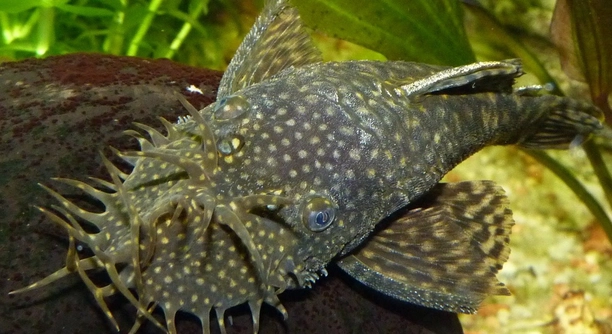
Plecos show maturity through size, coloration, and behavior. Adult plecos often develop more defined patterns and markings. Males may display broader pectoral fins or small bristles on their faces. Their activity levels stabilize, and territorial behavior becomes more apparent in some species.
Growth slows as plecos near adulthood. Fully matured plecos often have a sturdier body shape and spend more time hiding or resting compared to juveniles. Observing their interactions with tank mates can also indicate maturity, as territorial disputes or dominance behaviors appear more frequently. Size alone is not always enough to determine maturity; behavioral cues and physical traits together provide a clearer picture.
Diet can influence how quickly plecos display these signs. Proper nutrition ensures their bodies develop fully and coloration becomes more vivid. Providing varied food sources, including algae wafers, vegetables, and occasional protein, supports overall health. Monitoring these changes over time helps confirm that plecos are reaching their adult stage successfully.
Impact of Tank Conditions
Water temperature and quality directly affect pleco growth and maturity.
Stable water conditions with appropriate pH and hardness support healthy development. Overcrowded tanks or poor filtration can slow growth and stress the fish. Tank decorations like caves and hiding spots encourage natural behavior.
Tank size significantly impacts pleco health. Larger tanks allow more room for swimming and reduce competition among tank mates. Consistent water changes remove waste buildup and prevent disease. Lighting and substrate type also influence behavior and feeding habits. Observing plecos’ responses to their environment helps ensure they are comfortable and developing correctly. Small adjustments, like adding hiding spaces or adjusting flow rates, can improve growth and overall well-being, supporting a smooth transition to adulthood.
Feeding and Nutrition
Plecos require a varied diet to grow properly. Algae wafers, fresh vegetables, and occasional protein provide essential nutrients. Consistent feeding routines support steady growth and overall health, preventing malnutrition and stress.
Overfeeding can cause water quality issues and obesity. Monitoring portions and removing uneaten food helps maintain a clean tank and healthy fish.
Lifespan and Maturity
Plecos typically reach full maturity between 1.5 and 3 years, depending on species, diet, and tank conditions. Larger species often take longer to mature. Proper care, stable water conditions, and balanced nutrition are crucial for supporting healthy development and ensuring a long lifespan in captivity.
Breeding Considerations
Mature plecos may show territorial behavior during breeding. Providing caves and hiding spots encourages natural reproduction. Observing these behaviors ensures breeding occurs safely and successfully.
FAQ
How can I tell when my pleco is fully grown?
You can identify a mature pleco by observing its size, coloration, and behavior. Fully grown plecos have more defined patterns, stable activity levels, and stronger body shapes. Males may develop bristles on their faces, and territorial behavior becomes more noticeable. Size alone is not enough; physical traits and behavior together give the clearest indication.
Do all pleco species grow at the same rate?
No, growth rates vary significantly depending on species. Smaller species like Bristlenose plecos mature faster, often within 1.5 years, while larger species such as Common plecos may take up to three years. Diet, water conditions, and tank size also influence growth speed. Proper care ensures each species reaches maturity at a healthy rate.
How does diet affect pleco growth?
A balanced diet is essential for healthy growth and development. Plecos need a mix of algae wafers, fresh vegetables like zucchini or cucumber, and occasional protein sources. Consistent feeding prevents malnutrition and promotes vibrant coloration. Overfeeding should be avoided to maintain water quality and prevent obesity, which can slow maturity.
What tank conditions are best for growing plecos?
Stable water parameters, including temperature, pH, and hardness, are critical. Proper filtration prevents waste buildup and reduces stress. Tank size should allow ample swimming space, and decorations such as caves or driftwood provide hiding spots. Observing how plecos interact with their environment helps ensure they are comfortable and developing correctly.
Can plecos grow faster with better care?
While proper care supports healthy growth, plecos have natural growth limits based on species. Providing a consistent diet, clean water, and a spacious tank can help them reach their full potential on time. Attempting to rush growth through excessive feeding or artificial conditions can harm their health.
When do plecos start showing breeding behavior?
Mature plecos exhibit territorial behavior and seek hiding spots when ready to breed. Males often guard caves while females lay eggs inside. Observing these behaviors helps determine if plecos have reached reproductive maturity. Ensuring adequate hiding spots and maintaining stable water conditions encourages safe breeding.
How long do plecos live after reaching maturity?
With proper care, plecos can live for 10–15 years or longer, depending on species. Adult plecos require consistent maintenance, a balanced diet, and a clean, stable environment to maintain health throughout their lifespan. Lifespan can be shortened by poor water quality, overcrowding, or improper nutrition.
Are there differences in male and female maturity signs?
Yes. Males often develop facial bristles, larger pectoral fins, and more territorial behavior. Females tend to be rounder and less aggressive. Observing these traits alongside size and behavior helps determine sexual maturity. Proper care ensures both sexes reach maturity safely.
Does water temperature impact pleco maturity?
Yes, temperature affects metabolism and growth rates. Stable temperatures within the species’ preferred range promote steady development. Sudden changes or extreme conditions can stress plecos, slow growth, and affect overall health. Consistent monitoring ensures optimal conditions for maturation.
How important is tank space for pleco growth?
Adequate space is essential. Overcrowded tanks limit movement, increase stress, and can slow development. Larger tanks allow plecos to explore, establish territories, and grow at a natural pace. Providing sufficient space supports healthy behavior, feeding, and overall well-being, leading to proper maturity.
Can plecos continue growing after reaching maturity?
Once plecos reach sexual and physical maturity, growth slows significantly. They may gain minor weight or color intensity changes, but size remains mostly stable. Maintaining a balanced diet and healthy environment supports long-term health even after full growth is achieved.
What are the signs of stunted growth in plecos?
Stunted growth can result from poor diet, inadequate tank size, or unstable water conditions. Signs include smaller than expected size, dull coloration, and weak or lethargic behavior. Addressing these factors early helps plecos reach proper maturity without long-term health issues.
How can I ensure my pleco matures healthily?
Provide stable water conditions, a balanced diet, sufficient space, and appropriate hiding spots. Monitor behavior and physical changes regularly, and adjust care as needed. Patience and consistency are key to supporting healthy growth and ensuring plecos reach their full potential.
This FAQ addresses the most common concerns about pleco growth and maturity, providing practical guidance for healthy development, proper care, and long-term well-being of these fascinating fish.
Plecos are fascinating fish that require patience and careful attention to thrive. Understanding their growth patterns and the time it takes for them to reach maturity is essential for anyone keeping them in a home aquarium. These fish develop gradually, and their growth depends on several factors including species, diet, tank size, and water conditions. Observing their size, behavior, and physical traits gives the best indication of when they are fully grown. Unlike some smaller aquarium fish, plecos take time to mature, so it is important to provide consistent care and not rush their development. Many hobbyists are surprised at how long it can take for larger species to reach their adult size, sometimes up to three years. Smaller species like Bristlenose plecos often mature more quickly, usually within one to two years, making them a good option for those seeking a shorter growth period. Regardless of species, offering a balanced diet and maintaining stable tank conditions supports healthy growth and helps plecos reach their full potential.
A well-maintained environment is crucial for plecos to grow properly. Clean water, proper filtration, and adequate tank size all play a significant role in their development. Plecos are sensitive to changes in water quality, and even small fluctuations can slow their growth or stress them. Providing hiding spots, caves, and driftwood not only helps reduce stress but also encourages natural behaviors, which are important for their overall health. Nutrition also has a direct impact on how quickly they reach maturity. A mix of algae wafers, fresh vegetables, and occasional protein ensures that they get all the nutrients they need. Overfeeding, on the other hand, can lead to water quality issues and obesity, which may hinder their growth. Monitoring their diet and tank conditions carefully can prevent problems and allow plecos to develop steadily over time. By paying attention to these details, you can create an environment that supports their health, encourages natural behavior, and promotes proper maturation.
Patience is key when caring for plecos, as their development is gradual and cannot be rushed. Watching them grow and change over time is rewarding, and understanding their needs at each stage helps prevent potential health issues. Fully matured plecos often display distinct coloration, defined markings, and more stable behavior. Males may show bristles and increased territorial tendencies, while females often have rounder body shapes. Recognizing these signs allows for better care and ensures that they reach adulthood safely. Taking the time to understand their growth patterns, feeding requirements, and environmental needs creates a more enjoyable experience for both the fish and the owner. Consistent maintenance, proper nutrition, and a comfortable tank setup make it possible to support plecos throughout their life. Ultimately, knowing what to expect during their development helps hobbyists provide the best care, promoting healthy, thriving fish that can live for many years in a well-maintained aquarium.

Hello,
If you enjoy the content that we create, please consider saying a "Thank You!" by leaving a tip.
Every little bit helps us continue crafting quality advice that supports the health, happiness, and well-being of pets around the world, for pets of all shapes, sizes, and species.
We really appreciate the kindness and support that you show us!