
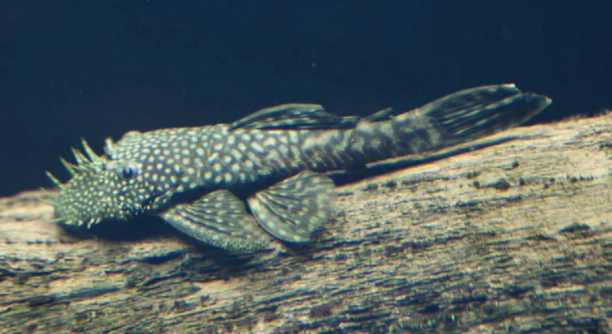
Are your pleco tank decorations starting to look worn or outdated? Over time, aquariums can lose their visual appeal, and your fish may become less stimulated. Keeping the environment fresh helps maintain a healthy and engaging space for them.
A pleco tank may require redecoration if hiding spots are insufficient, algae growth is excessive, substrate is deteriorating, or decorations no longer provide enrichment. Regularly assessing the tank ensures the fish’s physical and behavioral needs are consistently met.
Maintaining a well-designed tank supports your pleco’s well-being and keeps the aquarium visually appealing for years to come. Simple updates can make a significant difference.
Signs Your Pleco Is Hiding Too Much
Plecos are naturally shy, but if your fish spends most of its time out of sight, it may indicate that the tank setup is no longer suitable. Overcrowded decorations or a lack of proper hiding spots can stress them. Providing caves, driftwood, or dense plants helps them feel secure. Sometimes, decorations that have shifted or decayed make hiding places uncomfortable or inaccessible. Observing your pleco’s behavior daily allows you to notice changes quickly. A stressed pleco may stop eating or become lethargic, signaling that the environment needs adjustment. Ensuring that water quality remains stable while updating the tank is equally important, as sudden changes can further stress your fish. A clean, well-arranged tank encourages natural activity, such as grazing and exploring. Rotating decorations occasionally keeps the environment stimulating without disrupting the fish. Small adjustments can create a more comfortable and engaging habitat for your pleco, improving both health and appearance of the aquarium.
Frequent hiding may indicate the tank needs more visual variety and secure spaces to encourage natural behavior.
Rearranging decorations or adding new structures can reduce stress and make the tank feel fresh. Even minor changes like repositioning driftwood or adding a smooth cave can motivate the pleco to explore and feed more actively. Attention to substrate type, texture, and spacing between items also matters, as plecos like to graze and scrape surfaces. Combining hiding spots with open swimming areas ensures the fish can move freely while feeling safe. A properly balanced layout improves oxygen circulation and prevents dead zones where debris accumulates. Watching how your pleco responds to modifications helps determine which decorations work best. Regular updates prevent the tank from becoming monotonous, supporting long-term health and activity. Taking the time to observe, adjust, and enrich the tank environment makes caring for a pleco more rewarding, fostering both a healthier fish and a visually pleasing aquarium.
Algae Overgrowth and Tank Cleanliness
Excessive algae on decorations and glass can indicate the tank is due for a makeover.
Algae buildup reduces oxygen efficiency and can suffocate plants while limiting space for the pleco.
Maintaining cleanliness includes removing debris, scrubbing decorations, and controlling light exposure. Overfeeding often contributes to algae growth, so monitoring food intake is essential. Introducing algae-eating species alongside plecos can help, but balancing numbers prevents overcrowding. Regular water changes support a clean environment and prevent harmful nutrient spikes that promote algae proliferation. Replacing or cleaning decorations that have become too coated ensures surfaces remain usable for grazing. Driftwood or rocks may need to be removed temporarily for thorough cleaning. Choosing decorations resistant to algae helps reduce maintenance while keeping the tank attractive. Observing which areas accumulate algae fastest can guide adjustments in light, filtration, and plant placement. Clean, well-maintained decorations encourage healthy grazing habits and allow the pleco to display natural behaviors without stress.
Decorations Are Deteriorating
Worn or crumbling decorations can harm your pleco. Rough surfaces may injure fins or skin. Regularly inspecting driftwood, rocks, and artificial ornaments prevents damage and maintains a safe environment for your fish.
Substrate and decorations break down over time, especially natural items like driftwood or certain rocks. Softening wood can release tannins, which may slightly alter water chemistry but generally remain safe in moderation. Sharp edges on deteriorating decorations can scratch your pleco’s delicate fins, increasing the risk of infections. Plastic ornaments may fade or crack, creating rough spots. Even minor wear can affect the tank’s overall aesthetics and your fish’s comfort. Replacing or sanding damaged items ensures a smooth, safe environment while keeping the tank visually appealing. Tracking which decorations degrade faster helps plan maintenance and avoid sudden replacements that could stress your pleco.
Replacing older decorations not only prevents injury but also refreshes the tank visually. Selecting smooth, durable materials ensures long-term stability and reduces maintenance frequency. Proper care of decorations supports your pleco’s natural behavior, like grazing and exploring, while maintaining a healthy habitat. Keeping an eye on wear patterns helps avoid repeated problems and keeps the tank safe. Small adjustments, such as rotating decorations or introducing new textures, maintain interest and improve the fish’s environment without major changes. This approach balances safety, enrichment, and aesthetics, making the tank both practical and enjoyable.
Plants Are Dying or Overgrown
Neglected plants can disrupt tank balance, reduce hiding spaces, and stress plecos. Overgrown or decaying plants require trimming or replacement to maintain a healthy habitat.
Dead leaves and decaying roots release excess nutrients, encouraging algae growth and reducing water quality. Overcrowded plants block swimming areas and hide plecos from view, potentially increasing stress. Regular pruning and replacing unhealthy plants keep the tank clean and balanced. Live plants also provide oxygenation, improve filtration, and offer grazing surfaces for plecos. Choosing hardy species that thrive in your water conditions reduces frequent maintenance. Rotating plants or adding new species creates variety and prevents stagnation, making the tank more stimulating.
Managing plants carefully ensures plecos can graze, hide, and explore without interference. Combining healthy plants with open areas creates a balanced, attractive environment. Proper plant care, including trimming, replanting, and monitoring growth, maintains water quality while supporting the pleco’s natural behavior. Integrating low-maintenance, robust species minimizes upkeep while preserving aesthetic appeal. Observing how plecos interact with plants can guide placement for optimal hiding and grazing. Healthy plants also contribute to oxygen levels and filtration, reducing stress for the fish. Keeping plant density balanced ensures both visual appeal and functional habitat for your pleco.
Uneven Substrate
Uneven or compacted substrate can make grazing difficult for plecos. Small mounds or bare patches reduce usable space and may trap waste. Maintaining a smooth, level substrate supports healthy feeding habits and prevents stress.
Substrate that shifts or becomes too deep in some areas can also affect water flow and filtration efficiency. Regularly redistributing gravel or sand ensures a more stable surface. Soft, fine substrates allow plecos to scrape and forage comfortably while reducing the risk of injury. Adjusting substrate gradually prevents sudden disruption to the tank environment.
Decorations Blocking Filtration
Poorly placed decorations can obstruct filters, limiting water circulation. Blocked flow decreases oxygen levels and can accumulate debris. Adjusting layout ensures better filtration efficiency and maintains water quality, benefiting both plecos and plants.
Signs of Stressed Pleco
Stress in plecos often shows as erratic swimming, reduced appetite, or constant hiding. Monitoring behavior helps detect environmental issues early.
FAQ
How often should I redecorate my pleco tank?
Redecorating frequency depends on the tank’s condition and your pleco’s behavior. Typically, small adjustments like rearranging decorations or adding fresh hiding spots every few months can keep the environment stimulating. Major changes, such as replacing worn decorations or adding new plants, may be needed once or twice a year. Regular observation is key. If your pleco hides constantly, grazes less, or seems stressed, it may be time for adjustments. Monitoring water quality alongside decoration updates ensures changes do not cause additional stress. Incremental updates are better than complete overhauls.
What types of decorations are safest for plecos?
Natural driftwood and smooth rocks are generally safe. They provide surfaces for grazing and areas for hiding without sharp edges. Live plants support oxygenation and enrichment, while artificial decorations should be free of harmful chemicals and rough surfaces. Avoid porous or brittle materials that can break easily. Decorations with crevices and tunnels encourage natural exploration. Choosing sturdy, non-toxic items reduces maintenance while preventing injuries. Observing how your pleco interacts with each decoration helps identify which items are most suitable. Rotating decorations occasionally keeps the tank engaging.
Can changing decorations harm my pleco?
Sudden, drastic changes can stress plecos. They rely on familiar hiding spots for security. Minor rearrangements are usually safe if done gradually. Removing a decoration completely may leave the fish exposed, causing anxiety. Introducing new items slowly, with partial changes at a time, reduces risk. Monitor behavior closely after any adjustment. If the pleco avoids swimming or refuses to eat, consider reverting to the previous layout temporarily. Combining new and existing decorations allows adaptation without overwhelming the fish. Maintaining consistent water conditions during changes is also important.
How do I prevent algae when redecorating?
Algae growth can increase when decorations are moved or new surfaces are added. Limiting direct light exposure, cleaning surfaces before placement, and controlling feeding reduces nutrient buildup. Introducing hardy plants or algae-eating species can help. Frequent water changes and proper filtration prevent algae from taking over. Avoid placing decorations too close to lights or stagnant areas. Observing which surfaces accumulate algae fastest informs future layout adjustments. Keeping decorations clean while allowing grazing surfaces maintains a healthy balance. Regular tank maintenance alongside redecoration prevents algae problems from worsening.
How can I make the tank more stimulating for my pleco?
Adding varied textures, tunnels, and hiding spots encourages natural behaviors like grazing and exploring. Combining open swimming areas with caves or driftwood creates balance. Rotating decorations occasionally provides novelty without fully disrupting the environment. Different substrates and plant arrangements keep the pleco engaged. Smooth surfaces allow safe scraping, while small crevices provide shelter. Observing your pleco helps determine which elements are most used and appreciated. Even minor adjustments, such as repositioning rocks or adding a small plant, can improve stimulation. A well-balanced setup supports both physical and mental health.
When should I replace decorations entirely?
Replace decorations when they are cracked, sharp, or decomposing. Worn driftwood or artificial ornaments can injure your pleco. Plants that die or overgrow may need replacement to maintain balance. Decorations that no longer provide hiding or grazing surfaces lose their purpose. Observing daily behavior helps determine whether items are still functional. Regular checks prevent accidents and ensure the tank remains visually appealing. Durable materials reduce the frequency of replacement. Ensuring replacement items are safe and non-toxic protects both fish and water quality. Incremental replacement is preferable to complete overhauls, minimizing stress.
Is it necessary to adjust substrate during redecoration?
Yes, adjusting substrate can improve grazing and tank flow. Uneven or compacted substrate makes it harder for plecos to forage. Leveling gravel or sand prevents waste buildup and promotes water circulation. Soft substrates protect delicate fins while allowing natural scraping. Introducing new substrate should be done gradually to avoid disturbing the ecosystem. Observing how plecos interact with the surface indicates whether adjustments are effective. Maintaining substrate alongside decorations ensures the tank remains safe, functional, and visually appealing. Proper substrate management supports both the pleco’s health and the aquarium’s overall balance.
Can multiple plecos share the same redecorated tank?
Yes, if space and hiding spots are sufficient. Crowding increases stress and aggression. Ensure enough caves, driftwood, and plant coverage for each fish. Avoid overlapping territories by spreading decorations evenly. Monitoring interactions helps prevent conflicts. Gradual redecoration is important in multi-pleco tanks to maintain established boundaries. Rotating decorations slowly allows all fish to adapt without losing preferred hiding spots. Proper layout planning reduces stress while supporting natural behaviors like grazing, resting, and exploring. Adequate space, combined with safe and stimulating decorations, allows multiple plecos to thrive together.
How do I know if my pleco likes the new decorations?
Plecos that explore, graze, and use hiding spots frequently are responding well. Reduced hiding or lethargy may indicate stress or dissatisfaction. Observe movement patterns and feeding habits after changes. Positive interaction with new surfaces shows comfort and engagement. Gradual introduction of items allows adaptation and reduces anxiety. Frequent monitoring helps identify which decorations are functional and enjoyable. Adjusting placement based on behavior ensures a supportive environment. A content pleco maintains normal swimming, grazing, and resting patterns, reflecting successful redecoration. Behavior is the most reliable indicator of the tank’s suitability.
What are the most common mistakes during pleco tank redecoration?
Moving everything at once, using sharp or toxic decorations, overcrowding the tank, and neglecting substrate adjustments are common errors. Ignoring plant health or water quality during changes can stress fish. Gradual, well-planned updates minimize risks. Observing pleco behavior and ensuring functional hiding spots prevents mistakes. Rotating items slowly and monitoring interactions ensures safety and comfort. Avoiding excessive algae accumulation, sharp edges, and blocked filtration supports a healthy environment. Proper planning and attention to detail during redecoration reduce stress and encourage natural behaviors, leading to a safer and more visually appealing tank.
Final Thoughts
Maintaining a pleco tank requires attention to both the fish and its environment. Over time, decorations can wear down, plants may die or overgrow, and algae can accumulate, making the tank less comfortable for your pleco. Regular observation is key to noticing when the tank needs updating. Watching how your fish behaves around its surroundings can provide clear signs of discomfort or stress. If your pleco hides constantly, grazes less, or avoids certain areas, it may indicate that the tank layout or decorations are no longer suitable. Small adjustments, like repositioning driftwood, adding a smooth cave, or trimming plants, can make a significant difference. Gradual changes are preferable to large-scale overhauls, as sudden modifications can be stressful for the fish. By keeping the environment stimulating, safe, and clean, you support both your pleco’s physical health and its natural behavior patterns.
A well-maintained tank balances aesthetics with functionality. Decorations should provide hiding spots, grazing surfaces, and areas for exploration without overcrowding the tank. Substrate needs to be even and comfortable for grazing, while decorations should be smooth, non-toxic, and durable to prevent injuries. Live plants offer oxygenation, improve filtration, and create a more natural habitat. Regular cleaning and proper placement of decorations prevent algae buildup and maintain water quality. Observing how your pleco interacts with its environment helps identify which decorations work best and which may need adjustment or replacement. Introducing new elements gradually keeps the tank engaging while minimizing stress. Even small changes, like moving a plant slightly or adding a small rock formation, can refresh the tank visually and enrich your pleco’s daily activity. These updates encourage natural behavior, such as exploring, hiding, and grazing, which are essential for the fish’s well-being.
Redecorating is not just about appearance; it directly impacts your pleco’s comfort and health. Worn or damaged decorations, dying plants, or excessive algae can reduce usable space and create unsafe conditions. Proper maintenance ensures that your pleco has enough hiding spots, sufficient grazing surfaces, and open swimming areas. Monitoring behavior, feeding habits, and overall activity provides insight into whether the tank adjustments are effective. A balanced approach that combines careful observation, regular cleaning, and thoughtful updates creates a safe, stimulating, and visually appealing environment. Over time, maintaining a well-designed tank reduces stress for your pleco, promotes healthy activity, and ensures a longer, more comfortable life. By paying attention to these details, you create a tank that is both practical and enjoyable for both the fish and yourself, making care simpler and more rewarding.

Hello,
If you enjoy the content that we create, please consider saying a "Thank You!" by leaving a tip.
Every little bit helps us continue crafting quality advice that supports the health, happiness, and well-being of pets around the world, for pets of all shapes, sizes, and species.
We really appreciate the kindness and support that you show us!