How to Spot a Sick Tetra Early (7 Clues)

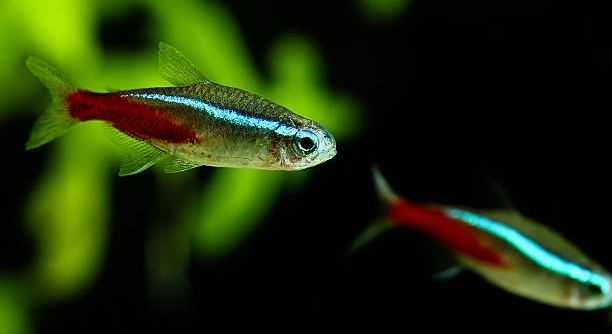
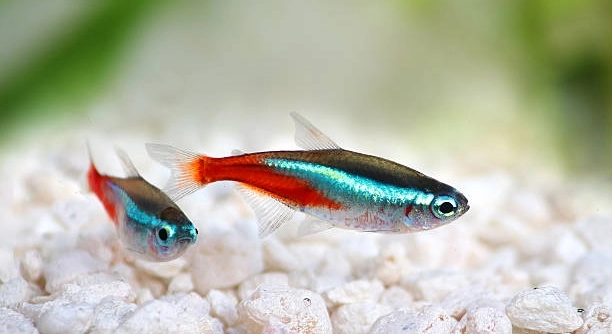
Tetras are popular aquarium fish known for their bright colors and peaceful nature. Keeping them healthy is important to enjoy their beauty and activity. Early signs of illness can help prevent serious problems before they worsen. Recognizing a sick tetra early involves observing changes in behavior, appearance, and appetite. Common indicators include faded colors, clamped … Read more
7 Simple Ways to Make a Peaceful Tetra Tank

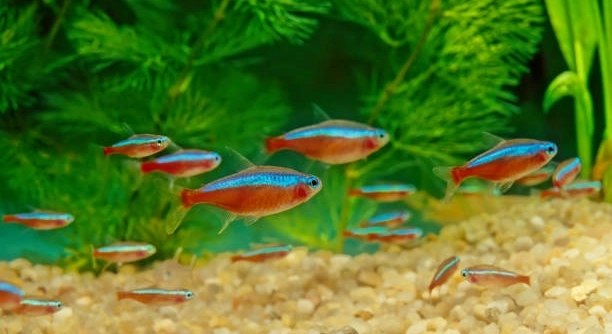
Creating a peaceful environment in a tetra tank can greatly improve the health and happiness of your fish. Small changes in tank setup and care routines make a big difference for maintaining calm water conditions. This article outlines simple, practical tips to help. Maintaining a peaceful tetra tank involves controlling water quality, providing adequate space, … Read more

How to Help Tetra Through Tank Cycling (7 Tips)

Many fishkeepers want their tetra fish to thrive in a healthy environment. Setting up a new aquarium involves careful preparation. Tank cycling is a key step to create safe water conditions before adding your fish. Tank cycling establishes beneficial bacteria that break down harmful ammonia and nitrites in the aquarium. This process helps maintain water … Read more

Do Tetra Like Mirrors? (7 Things to Know)

Tetras are popular freshwater fish often kept in home aquariums for their vibrant colors and peaceful nature. Many aquarium owners look for ways to enrich their environment and keep these fish comfortable. Mirrors are sometimes suggested as a tool for this purpose. Tetras may react to mirrors with curiosity or stress depending on the species … Read more

7 Best Water Parameters for Tetra Health

Are your tetras showing signs of stress or fading color? Maintaining the right water conditions is essential for their health and longevity. Proper care starts with understanding the ideal water parameters that support their well-being. The seven best water parameters for tetra health include temperature, pH, hardness, ammonia, nitrite, nitrate levels, and oxygen concentration. Each … Read more

How to Tell If Tetra Are Fighting or Playing (7 Clues)

Tetras are small, colorful fish that many people enjoy keeping in home aquariums. Sometimes, their behavior can look aggressive or playful, making it hard to tell what’s really going on. Understanding their actions helps create a peaceful tank environment. Distinguishing whether tetras are fighting or playing involves observing their movements, interactions, and body language closely. … Read more

7 Breeding Triggers for Tetra You Can Use

Have you ever found yourself struggling to get your tetras to breed, despite creating what seems like the perfect tank setup? The most effective way to trigger tetra breeding is by mimicking their natural habitat. Factors like water temperature, pH balance, lighting, and diet play essential roles in encouraging reproductive behavior and successful spawning. These … Read more

How to Make Tap Water Safer for Tetra (7 Steps)

Making tap water safe for tetra fish is important for their health and well-being. Many people keep tetras as pets and want to ensure their water is clean and free from harmful substances. This article explains simple steps to improve tap water quality for tetras. To make tap water safer for tetras, it is essential … Read more

Why Are My Tetra Swimming in Circles? (7 Causes)

Tetras are popular aquarium fish known for their vibrant colors and peaceful nature. Sometimes, owners notice their tetras swimming in circles, which can be worrying. Understanding why this happens is important to keep your fish healthy and happy. Tetras swimming in circles is often caused by stress, poor water quality, illness, swim bladder issues, or … Read more

Why Are My Tetra Acting Sluggish After Lights Turn On?

Are your tetras moving slowly right after the aquarium lights turn on? This common observation can be worrying for many fishkeepers. Understanding the reasons behind this sluggish behavior can help improve their care and comfort. Tetras often appear lethargic after lights are switched on due to stress from sudden brightness, natural resting cycles, or water … Read more