
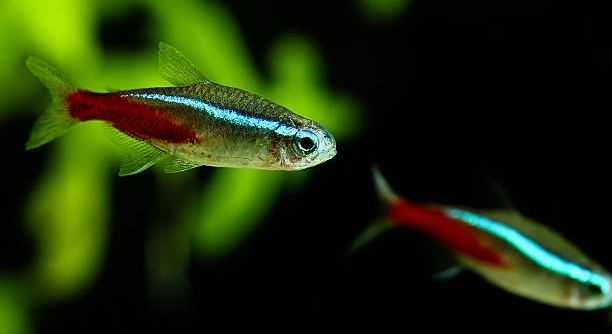
Are your tetras showing signs of stress or fading color? Maintaining the right water conditions is essential for their health and longevity. Proper care starts with understanding the ideal water parameters that support their well-being.
The seven best water parameters for tetra health include temperature, pH, hardness, ammonia, nitrite, nitrate levels, and oxygen concentration. Each of these factors plays a critical role in creating a stable and safe environment, promoting optimal fish vitality and preventing disease.
Knowing these key water parameters will help you create the best habitat for your tetras. This article will guide you through each factor to keep your fish healthy and thriving.
Ideal Temperature for Tetras
Tetras thrive in water temperatures between 72°F and 80°F (22°C to 27°C). Keeping the temperature steady within this range helps their metabolism and immune system work properly. Sudden temperature changes can stress them, making them vulnerable to illness. Use a reliable aquarium heater and thermometer to monitor the water consistently. Avoid placing the tank near windows or vents where temperature can fluctuate easily. A stable environment supports healthy growth and activity levels for your tetras.
Maintaining this temperature range is crucial for tetra health and comfort.
Keeping the temperature steady also encourages proper feeding behavior and breeding. If the water is too cold, tetras may become sluggish, while too warm can shorten their lifespan. Regular checks prevent any unwanted shifts. This simple step goes a long way in creating a safe home for your fish.
Understanding pH Levels
The ideal pH range for tetras is between 6.0 and 7.5. This range suits most common tetra species and keeps their biological processes balanced.
pH affects fish health by influencing bodily functions and water chemistry. When pH drifts outside this range, tetras can experience stress and disease. Regular testing with a pH kit is necessary. Use natural methods like driftwood or peat moss to adjust pH gently if needed. Avoid harsh chemicals that can harm fish or beneficial bacteria. Stable pH helps maintain a healthy tank ecosystem and promotes the well-being of your tetras over time.
Water Hardness for Tetras
Water hardness should be between 4 and 8 dGH for most tetras. This soft to moderately soft water mimics their natural habitat and supports healthy bodily functions. Hard water can cause stress and health issues over time.
Water hardness influences the balance of minerals like calcium and magnesium in the water. Tetras evolved in soft water environments, so excessive hardness can affect their scales and overall health. Soft to moderately soft water helps maintain proper osmoregulation, allowing fish to regulate internal fluids efficiently. Testing water hardness regularly is important, especially if your tap water is hard. You can use water conditioners or mix in reverse osmosis water to adjust hardness levels safely.
Proper water hardness keeps tetras comfortable and less prone to illness. Maintaining this balance also supports beneficial bacteria growth, which helps keep the tank clean and stable. Managing hardness correctly will contribute to the long-term success of your aquarium.
Ammonia Levels and Safety
Ammonia must always be at 0 ppm in a tetra tank. Even small amounts can harm fish by damaging their gills and weakening their immune system. Regular water testing is essential to detect any buildup.
Ammonia comes from fish waste, uneaten food, and decaying plants. A well-established nitrogen cycle breaks ammonia down into less harmful substances. If ammonia spikes, immediate water changes are necessary to protect your fish. Using biological filters helps maintain a healthy balance by encouraging beneficial bacteria growth. Keep the tank clean by avoiding overfeeding and removing waste promptly. Monitoring ammonia levels closely ensures a safer, healthier environment where tetras can thrive without stress or risk of poisoning.
Nitrite Levels in Tetra Tanks
Nitrite should always be kept at 0 ppm. Even low nitrite levels can be toxic to tetras, affecting their ability to carry oxygen. Regular testing is essential to avoid health risks.
Nitrite is a byproduct of ammonia breakdown but must be converted quickly to nitrate by beneficial bacteria. Proper filtration and a well-established nitrogen cycle keep nitrite levels safe for your fish.
Nitrate Management for Tetras
Nitrate levels should stay below 20 ppm to prevent stress and health problems. While less toxic than ammonia or nitrite, high nitrate weakens the immune system over time. Regular partial water changes help keep nitrates low. Avoid overfeeding and remove excess debris to reduce nitrate buildup. A balanced environment with plants can also absorb nitrates naturally. Keeping nitrate under control promotes vibrant colors and long-term health for your tetras.
Oxygen Levels for Healthy Fish
Adequate oxygen is vital for tetra survival. Ensure good water circulation and surface agitation to maintain proper oxygen levels.
FAQ
What is the best temperature range for tetras?
The ideal temperature for tetras is between 72°F and 80°F (22°C to 27°C). This range keeps their metabolism balanced and helps prevent stress. Sudden changes outside this range can make them sick, so using a stable heater and monitoring the temperature regularly is important.
How often should I test the water parameters?
Testing water parameters weekly is a good practice, especially for ammonia, nitrite, nitrate, pH, and temperature. Frequent checks help catch any issues early before they harm your fish. During new tank setups, daily testing is recommended until the tank stabilizes.
What causes pH fluctuations in a tetra tank?
pH can change due to many factors like tap water inconsistencies, decaying organic matter, or added chemicals. Poor filtration and overfeeding also impact pH stability. Using natural materials like driftwood can slightly lower pH, while some rocks may increase it. Keeping a regular maintenance routine helps maintain stable pH.
Can tetras live in hard water?
Most tetras prefer soft to moderately soft water (4-8 dGH). Hard water can stress them, affecting their scales and health. If your tap water is hard, you may need to soften it with water conditioners or by mixing it with purified water to create a better environment for your tetras.
Why is ammonia dangerous to my fish?
Ammonia is toxic even at low levels because it damages fish gills and weakens their immune system. It builds up from fish waste, leftover food, and decaying plants. A properly cycled tank with biological filtration converts ammonia into less harmful substances. Regular water changes prevent dangerous spikes.
How can I reduce nitrate levels in my tank?
Nitrates build up over time from fish waste and decaying matter. To reduce nitrates, do regular partial water changes (about 25% weekly). Avoid overfeeding and clean the substrate to remove debris. Adding live plants can help absorb nitrates naturally and improve water quality.
What should I do if nitrite levels rise?
Nitrite is toxic and should be at 0 ppm. If levels rise, perform immediate water changes to dilute it. Check your filter to ensure beneficial bacteria are active. Avoid adding more fish until the nitrogen cycle is fully established. Proper filtration and tank maintenance will prevent nitrite spikes.
How important is oxygen in a tetra tank?
Oxygen is essential for fish to breathe and stay healthy. Good water circulation, an air pump, or surface agitation increase oxygen levels. Overcrowding or warm water can reduce oxygen, so avoid these conditions. Keeping oxygen levels stable supports active and vibrant tetras.
Can I keep different tetra species together?
Yes, many tetra species can live peacefully together if water conditions suit all. Ensure the tank is large enough and water parameters meet the needs of each species. Avoid aggressive or much larger fish that may stress or harm tetras.
What signs show my tetras are stressed by water conditions?
Signs include faded colors, sluggishness, loss of appetite, gasping at the surface, and clamped fins. Stress can lead to disease, so test water parameters immediately and correct any imbalances. Maintaining stable, clean water reduces stress and keeps tetras healthy.
Final Thoughts
Keeping tetras healthy depends largely on maintaining the right water parameters. Each factor, from temperature to nitrate levels, plays a key role in creating a stable and safe environment for these fish. When water conditions are balanced, tetras are more active, show brighter colors, and live longer. Ignoring these important details can lead to stress, illness, or even death. Paying attention to water quality is a simple way to support your fish’s well-being and enjoy a beautiful, thriving aquarium.
Regular testing and careful monitoring are essential parts of caring for tetras. This means checking temperature, pH, hardness, ammonia, nitrite, nitrate, and oxygen levels often. Using reliable test kits helps catch problems early before they cause harm. Making adjustments when needed, like doing water changes or adjusting the heater, keeps the environment consistent. These small actions can make a big difference in preventing health issues and ensuring your tetras feel comfortable in their home.
Overall, maintaining good water conditions is a commitment but a rewarding one. Watching your tetras swim actively and display their natural colors is satisfying when you know you’ve created the right environment. By understanding and managing the best water parameters, you provide your fish with the foundation they need to thrive. This knowledge helps you become a more confident fish keeper and enjoy the calming beauty that healthy tetras bring to any aquarium.

Hello,
If you enjoy the content that we create, please consider saying a "Thank You!" by leaving a tip.
Every little bit helps us continue crafting quality advice that supports the health, happiness, and well-being of pets around the world, for pets of all shapes, sizes, and species.
We really appreciate the kindness and support that you show us!