
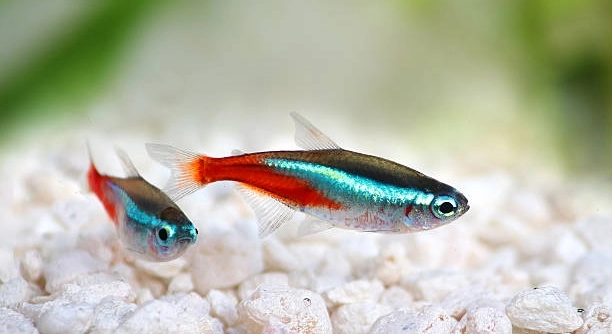
Tetras are small, colorful fish that many people enjoy keeping in home aquariums. Sometimes, their behavior can look aggressive or playful, making it hard to tell what’s really going on. Understanding their actions helps create a peaceful tank environment.
Distinguishing whether tetras are fighting or playing involves observing their movements, interactions, and body language closely. Playful behavior is typically gentle, with quick, light chasing and no injury, while fighting includes biting, chasing with intent to harm, and visible damage to the fish.
Knowing these signs can help you better care for your fish and maintain harmony in your aquarium tank.
Understanding Tetra Body Language
Tetras use their body movements to communicate. When playing, their swimming is smooth and quick, often darting around without making contact. Their fins are usually relaxed, and colors remain vibrant. You might see them chasing each other gently, almost like a game. In contrast, fighting tetras show stiff fins and aggressive postures. They often flare their gill covers and swim directly at one another with force. Biting is common during fights, and the fish may appear stressed or injured afterward. Watching these subtle cues closely can help you figure out if they are just playing or if there’s a real problem that needs attention. This knowledge is important for keeping your aquarium a calm and healthy space for your fish to thrive.
Aggressive behavior in tetras usually lasts longer and is more intense than playful chasing.
When tetras are playing, their interactions are brief and non-damaging. Play involves quick but gentle chasing, without biting or injury. Fighting causes visible harm, with fish showing signs of stress or wounds, so careful observation is key to distinguishing the two behaviors.
Common Triggers for Tetra Fighting
Tetras may fight due to overcrowding or insufficient space in the tank. When the environment feels cramped, territorial disputes arise more often. Poor water quality can also increase stress, leading to aggression among fish. Lack of hiding spots or decorations prevents fish from escaping conflicts, making fights more frequent. Sometimes, mixing incompatible species causes tension, as some tetras are more territorial by nature. Ensuring the tank is well-maintained with proper filtration and adequate space reduces stress. Adding plants or decorations gives fish places to hide and rest. Keeping an eye on the tank’s setup and maintaining good water conditions helps prevent fighting and keeps tetras calmer. A balanced environment supports natural social behavior without unnecessary aggression.
How to Observe Tetra Behavior
Observing tetras requires patience and a quiet environment. Avoid sudden movements around the tank that may stress the fish or disrupt their natural behavior. Spend time watching them during feeding or resting periods to notice patterns.
Focus on their swimming speed and fin position. Playful tetras swim smoothly, while fighting ones dart aggressively with stiff fins. Notice if chasing is gentle or if biting occurs. Look for color changes that may indicate stress or dominance. Also, observe how long the interactions last — play is brief, while fights tend to be prolonged. Taking notes on these details over several days helps identify consistent behavior and distinguish play from aggression clearly.
Regular observation builds understanding of your tetras’ social dynamics. It also allows early detection of problems, so you can intervene if aggression worsens. Adjusting tank conditions based on these observations improves your fish’s overall well-being and harmony.
Signs Tetras Are Playing
Playing tetras often chase each other but don’t bite or cause harm. Their movements are quick but controlled, showing no signs of distress. Fins remain relaxed, and colors look bright.
You might notice them swim in circles or follow each other for short periods, then quickly swim apart. Play does not cause visible injuries, and fish return to normal behavior afterward. Playful chasing helps tetras exercise and interact socially. It is a natural, healthy part of their behavior that should not be interrupted unless it escalates to aggression.
Recognizing these signs helps avoid unnecessary worry and supports a peaceful tank environment where tetras can thrive emotionally and physically.
When Tetras Start Fighting
Fighting tetras chase aggressively and often bite each other. Their fins become rigid, and they may show torn or damaged scales. This behavior is usually loud and intense.
You might also notice hiding behavior from less dominant fish. Injuries and stress signs are clear indicators that fighting is occurring and action is needed to prevent harm.
Reducing Aggression in Your Tank
Keeping the tank clean and spacious reduces stress and aggression among tetras. Providing hiding spots helps fish escape conflicts. Regular water changes and proper filtration maintain a healthy environment. Overcrowding should be avoided, as it increases territorial disputes. Monitoring fish interactions closely allows early intervention if fighting starts. Sometimes separating aggressive individuals temporarily can restore peace in the tank. Maintaining balance is key to minimizing aggression and promoting natural social behavior in tetras.
How to Separate Fighting Tetras
Use a divider or a separate tank to isolate aggressive fish. This prevents injury and helps calm the group.
FAQ
How can I tell if my tetras are playing or fighting?
Playing tetras swim smoothly with relaxed fins, chasing each other briefly without biting. Fighting tetras show stiff fins, dart aggressively, and often bite or nip, causing visible injuries. Play is short and gentle, while fights last longer and are intense. Watching closely over time helps distinguish the two behaviors.
What should I do if my tetras start fighting?
First, check tank conditions: make sure there’s enough space, clean water, and hiding spots. Reduce overcrowding and improve filtration. If fighting continues, separate aggressive fish using a divider or another tank to avoid injury. Observe the group after separation and gradually reintroduce them if they calm down.
Can tank size affect tetra aggression?
Yes, small tanks increase stress and territorial disputes. Tetras need enough room to swim freely and establish their space. A cramped environment leads to more frequent fighting. A larger tank with proper decorations reduces aggression by offering hiding places and breaking sight lines.
Is it normal for tetras to chase each other?
Yes, chasing can be part of normal play and social interaction. The key difference is that playful chasing is gentle and brief, while aggressive chasing is fast, persistent, and usually involves biting. Playful behavior helps tetras stay active and mentally stimulated.
How often should I observe my tetras for signs of aggression?
Regular daily observation, especially during feeding times and active periods, is best. Spending a few minutes each day lets you notice changes in behavior early, helping you address any problems before they escalate. Quiet observation without disturbing the tank yields the most natural behavior.
Will adding more tetras reduce fighting?
Adding more fish can sometimes dilute aggression because no single fish dominates easily. However, overcrowding must be avoided, as it increases stress and fights. Maintaining the right number of tetras based on tank size is essential for balanced social behavior.
Do tetras fight more during breeding?
Yes, breeding periods can increase aggression due to territorial and protective instincts. Males may compete for females or space. Providing extra hiding spots and plants during breeding seasons helps reduce conflicts.
Can diet affect tetra aggression?
A balanced, nutritious diet supports fish health and reduces stress, which can lower aggression. Underfeeding or poor nutrition may increase irritability and fights. Feeding small, frequent meals tailored to tetra needs promotes calm behavior.
Are some tetra species more aggressive than others?
Yes, some species like the Serpae tetra are naturally more territorial and prone to aggression, while others like Neon tetras are generally peaceful. Researching species traits before mixing them helps avoid conflicts.
How can I calm aggressive tetras quickly?
Improving water quality, adding plants or decorations for cover, and temporarily separating aggressive fish can quickly calm tensions. Maintaining stable water parameters and avoiding sudden changes reduces stress and aggression over time.
Is it safe to keep different fish species with tetras?
Many peaceful species coexist well with tetras, but mixing very aggressive or territorial fish can cause fights. Choosing compatible species and monitoring their interactions carefully helps maintain peace in a community tank.
What signs show a tetra is stressed due to fighting?
Signs include faded colors, clamped fins, hiding more than usual, reduced appetite, and visible wounds. Stress weakens the immune system, making fish prone to illness, so quick action is needed to reduce aggression.
How long does it take for fighting to stop once the environment is improved?
Behavior may improve within days after changes, but full harmony can take weeks. Patience is important as fish adjust to better conditions. Continued monitoring ensures lasting peace and health.
Final Thoughts
Understanding the behavior of tetras is important for anyone who keeps them in an aquarium. Their playful and aggressive actions can sometimes look very similar, but knowing the differences helps in caring for them properly. Watching their swimming patterns, fin positions, and interactions closely can give clear clues about whether they are playing or fighting. Playful tetras tend to be gentle, with brief chasing and no injuries, while fighting involves stiff fins, biting, and visible harm. Paying attention to these signs allows you to respond appropriately to keep your fish safe and comfortable.
Creating the right environment for tetras is key to reducing aggression. A clean, spacious tank with plenty of hiding spots helps the fish feel secure and less stressed. Overcrowding often leads to fights because the fish have limited space to establish their territory. Good water quality and a balanced diet also support healthy behavior by keeping stress levels low. When aggression does happen, separating the fighting fish temporarily can prevent injury and give the group a chance to settle down. Regular observation and proper tank maintenance go hand in hand in keeping your tetras calm and happy.
Overall, caring for tetras involves more than just feeding and cleaning. It requires understanding their social behavior and creating a peaceful environment. Being patient and attentive to their needs helps avoid many problems before they start. By noticing the difference between play and fighting and adjusting the tank conditions when needed, you can enjoy watching your tetras thrive together. This approach not only benefits the fish but also makes your aquarium a more enjoyable and peaceful place.

Hello,
If you enjoy the content that we create, please consider saying a "Thank You!" by leaving a tip.
Every little bit helps us continue crafting quality advice that supports the health, happiness, and well-being of pets around the world, for pets of all shapes, sizes, and species.
We really appreciate the kindness and support that you show us!