
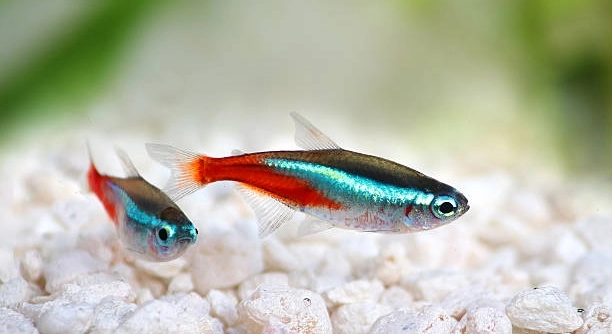
Are your tetras moving slowly right after the aquarium lights turn on? This common observation can be worrying for many fishkeepers. Understanding the reasons behind this sluggish behavior can help improve their care and comfort.
Tetras often appear lethargic after lights are switched on due to stress from sudden brightness, natural resting cycles, or water quality changes. These factors can temporarily affect their activity levels, making them less responsive immediately following lighting changes.
Learning what causes this behavior helps ensure your tetras stay healthy and active throughout the day. The following information will guide you through common reasons and practical solutions for their sluggishness.
Why Do Tetras Get Sluggish After Lights Turn On?
When aquarium lights switch on suddenly, tetras can react by slowing down or hiding. This is often because the bright light is a shock after the dark period. Tetras are used to dim or low light during their rest time, so the sudden change can stress them out. Stress makes fish less active as they adjust. Another factor is their natural resting cycle. Like many fish, tetras have times when they are less active, especially early in the day after lights come on. Water conditions can also play a role. If water quality is not ideal, it can weaken fish and reduce their energy. Keeping the tank stable helps prevent this sluggish behavior. Gradually increasing light intensity using a dimmer or a timer can ease the transition from dark to light. This simple step often helps tetras become more comfortable and active sooner after lights come on.
Bright lights right after dark often cause stress and slow response in tetras. Gradual lighting helps ease their adjustment period.
Understanding how light affects fish behavior allows you to create a better environment. This keeps tetras healthier and more active throughout the day.
The Impact of Water Quality on Tetra Activity
Water quality directly affects your tetras’ health and behavior. Poor conditions can make them weak and slow, especially when lights come on.
Low oxygen levels, high ammonia, or fluctuating temperatures reduce energy. Fish need clean, stable water to stay active. Regular testing and water changes keep conditions safe. Proper filtration is also important to remove waste and maintain oxygen. Overfeeding or overcrowding leads to poor water quality and stress. It’s essential to keep tank size appropriate and feed in moderation. Changes in water parameters often cause sluggish behavior after lights turn on, as fish react to stress. Healthy water conditions support natural activity and reduce stress responses. Checking water daily and maintaining proper cleaning routines prevent issues that affect fish energy levels. Keeping a consistent environment helps tetras adapt smoothly to light changes and stay lively. Good water care is key to avoiding sluggish behavior and promoting long-term health in your aquarium.
Light Intensity and Tetra Behavior
Sudden bright light can overwhelm tetras, causing them to slow down or hide. They prefer gradual changes to avoid stress.
Using a timer or dimmable lighting helps simulate natural dawn and dusk cycles. This gentle transition allows tetras to adjust without shock. Tetras’ eyes are sensitive, so harsh lighting can cause discomfort, making them less active. Adjusting light intensity over 15 to 30 minutes supports their well-being and encourages normal behavior. Bright, constant light can also increase algae growth, affecting tank conditions and fish health. Managing light carefully keeps your tetras comfortable and lively throughout the day.
In some tanks, reflections or light angles may startle fish, leading to sudden sluggishness. Repositioning the light source or adding plants can reduce glare and create a more natural environment for tetras.
Feeding and Activity Levels
Feeding schedules influence how active tetras appear, especially after lights come on. Hungry or overfed fish may behave sluggishly.
Feeding immediately after lights turn on may cause tetras to be less active as they digest food. Overfeeding leads to poor water quality, further reducing energy levels. Keeping a consistent feeding routine helps balance activity and health. It’s best to feed small amounts two to three times daily, avoiding leftover food. Healthy feeding supports steady energy, making tetras more responsive to light changes. A varied diet with quality flakes, frozen, or live food ensures proper nutrition. Nutrition directly impacts their energy and how quickly they adjust to environmental changes.
When tetras receive proper feeding and consistent light conditions, they maintain better activity levels and recover quickly from sluggish periods.
Temperature Fluctuations and Tetra Activity
Sudden changes in water temperature can cause tetras to slow down or become less active. They thrive in stable, moderate temperatures.
Keeping the tank temperature consistent between 72°F and 80°F helps maintain their energy levels. Fluctuations stress fish and disrupt normal behavior.
Tank Environment and Hiding Spots
A well-decorated tank with plants and hiding places helps tetras feel secure. When lights turn on, they are less likely to act sluggish if they have safe spots to retreat to.
Providing plenty of cover reduces stress and encourages natural movement. Without hiding spots, tetras may freeze or stay inactive longer after light changes.
Monitoring Behavior for Health Issues
If sluggishness persists despite good care, it may indicate illness or parasites. Watch for other signs like faded colors, clamped fins, or erratic swimming.
Regular observation and prompt action help catch problems early. Maintaining water quality, stable lighting, and proper feeding all support healthy, active tetras.
Why are my tetras sluggish only after the lights turn on?
Tetras are sensitive to sudden changes in light. When the aquarium lights switch on quickly, it can startle or stress them. Their eyes adjust slowly, and the sudden brightness can make them pause or hide temporarily. This behavior is a natural response to feeling exposed or overwhelmed. Gradual light changes can help reduce this sluggishness.
How can I help my tetras adjust better to lighting changes?
Using a timer or dimmer to gradually increase light intensity is very effective. Instead of turning lights on full brightness immediately, slowly raise the light over 15 to 30 minutes. This mimics sunrise in nature and gives your fish time to acclimate. Adding plants or decorations also provides shaded areas where tetras can retreat if the light feels too harsh.
Can poor water quality cause sluggish behavior after lights turn on?
Yes, poor water conditions often reduce fish energy levels. High ammonia, nitrites, or low oxygen can make tetras weak and less active. When lights turn on, these stressors can become more noticeable, showing as sluggishness. Regular water tests and cleaning help maintain a healthy environment and keep tetras active.
Is the temperature in my tank affecting my tetras’ activity?
Temperature changes do affect fish metabolism. If the water is too cold or fluctuates often, tetras can become sluggish. Keeping the tank stable between 72°F and 80°F supports normal behavior. Sudden temperature drops or rises add stress, especially during light transitions, causing tetras to slow down.
Does feeding time influence my tetras’ activity after lights turn on?
Feeding timing and quantity impact energy levels. Feeding right when lights come on might make tetras less active as they focus on eating or digesting. Overfeeding can pollute the tank, causing sluggishness. Keeping a consistent feeding schedule with small, balanced portions encourages steady activity and better overall health.
Why do some tetras hide more after lights turn on?
Hiding is a natural response to bright light or perceived threats. If the tank lacks enough plants or decorations, tetras feel exposed and seek cover. Providing adequate hiding spots reduces stress and helps fish feel safe, encouraging more movement and less sluggishness after lighting changes.
Could illness be the reason my tetras are sluggish after lights turn on?
Persistent sluggishness combined with other symptoms like faded colors, clamped fins, or unusual swimming may indicate illness or parasites. If water quality and lighting are optimal but sluggishness continues, it’s wise to examine your fish closely and consider treatment. Early intervention improves recovery chances.
Are certain tetra species more sensitive to light changes than others?
Yes, some tetra species are more sensitive to light than others. For example, neon tetras tend to be more skittish with bright light compared to larger or hardier species. Knowing the specific needs of your tetra species helps tailor lighting and tank setup to reduce stress and sluggish behavior.
How long does it usually take for tetras to become active after lights come on?
Most tetras adjust within 10 to 30 minutes of the lights turning on if the conditions are good. This adjustment period allows their eyes and behavior to normalize. If sluggishness lasts longer, it could indicate environmental stress or health issues that need attention.
Can tank size affect tetra activity levels?
A cramped tank can stress tetras and limit their movement, making them seem sluggish. Larger tanks with plenty of swimming space and plants encourage natural behavior and activity. Overcrowding raises waste and lowers water quality, further reducing energy.
Is it normal for tetras to rest or be less active at certain times?
Yes, tetras have natural rest periods, often during low light or nighttime. They may appear less active just after lights turn on as part of their waking process. This is normal if it doesn’t last too long and if they behave normally the rest of the day.
What lighting schedule is best for keeping tetras active and healthy?
A consistent lighting schedule of about 8 to 12 hours per day is ideal. Using a timer to simulate natural light patterns helps tetras maintain regular behavior. Sudden or irregular lighting can cause stress and sluggishness. Consistency supports their internal rhythms and activity levels.
How do reflections or external light sources impact tetra behavior?
Reflections inside the tank or strong external light can startle or confuse tetras. They might freeze or hide more often. Positioning the tank away from direct sunlight or bright room lights and minimizing reflections reduces stress and supports normal activity.
Are there any supplements or additives that help improve tetra energy?
Some aquarists use vitamins or electrolytes to support fish health, especially after stress. However, the best way to improve energy is through good water quality, proper feeding, and stable lighting. Supplements should be used carefully and only when necessary.
What signs show that sluggishness is serious and needs immediate action?
If sluggishness comes with rapid breathing, loss of appetite, white spots, or strange swimming patterns, it may be serious. These signs point to infections or poor water conditions. Testing water and isolating sick fish can prevent problems from spreading.
Can changing tank decorations or plants improve tetra activity?
Yes, rearranging plants and decorations can create more hiding spots and swimming areas, reducing stress. Natural-looking setups mimic the tetra’s environment and encourage movement. Avoid overcrowding with too many decorations, which can limit space.
How important is consistent maintenance for preventing sluggish behavior?
Regular tank maintenance, including water changes, filter cleaning, and monitoring water parameters, is essential. Consistency prevents stress factors that cause sluggishness. A well-maintained tank keeps tetras healthy and responsive to light changes.
This FAQ covers many common reasons behind tetra sluggishness after lights come on and provides practical solutions to help your fish stay active and healthy.
Tetras showing sluggish behavior after the aquarium lights turn on is a common issue many fishkeepers notice. This response is often tied to how sensitive these fish are to changes in their environment. Sudden brightness can cause stress or discomfort, making them less active for a short time. However, this behavior usually improves when the lighting changes more gradually or when the tank conditions support their needs. Understanding these factors can help create a more comfortable space for your tetras, encouraging healthier and more natural activity levels throughout the day.
Maintaining stable water quality and temperature is just as important as managing light. Poor water conditions and temperature swings can weaken tetras, reducing their energy and making sluggishness more noticeable after lights come on. Regular tank maintenance, including water testing and cleaning, ensures a safe environment for your fish. Proper feeding habits also play a role, as overfeeding or irregular schedules can affect their health and behavior. By paying attention to these details, you support your tetras’ overall well-being and help them adjust smoothly to changes in their surroundings.
Creating a tank environment that mimics natural conditions is key to reducing stress and promoting activity. This includes providing enough plants and hiding places for your tetras to feel secure when the lights are bright. Gradual light changes, consistent feeding routines, and stable water parameters all contribute to a balanced habitat. Observing your fish regularly for any signs of illness or prolonged sluggishness allows you to take early action if needed. These steps help ensure that your tetras remain lively, healthy, and responsive to their environment every day.

Hello,
If you enjoy the content that we create, please consider saying a "Thank You!" by leaving a tip.
Every little bit helps us continue crafting quality advice that supports the health, happiness, and well-being of pets around the world, for pets of all shapes, sizes, and species.
We really appreciate the kindness and support that you show us!