
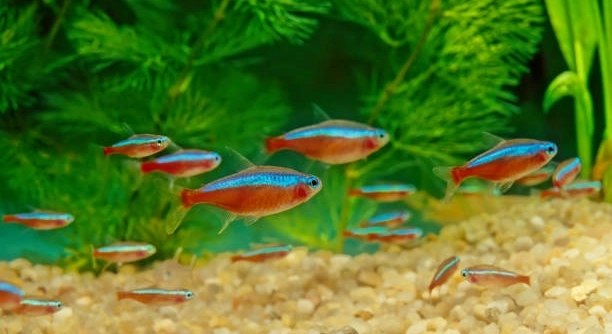
Creating a peaceful environment in a tetra tank can greatly improve the health and happiness of your fish. Small changes in tank setup and care routines make a big difference for maintaining calm water conditions. This article outlines simple, practical tips to help.
Maintaining a peaceful tetra tank involves controlling water quality, providing adequate space, and selecting compatible tank mates. Proper filtration and regular water changes reduce stress, while a balanced environment prevents aggression among the fish, promoting overall tank harmony.
These straightforward steps will guide you to create a calm and thriving home for your tetras. Implementing them ensures your aquarium stays peaceful and enjoyable.
Choose Compatible Tank Mates
Selecting the right tank mates is essential for a peaceful tetra tank. Tetras are generally small and peaceful fish, so choosing aggressive or much larger species can cause stress and conflict. Avoid mixing tetras with territorial or fin-nipping fish. Ideal companions include other small, non-aggressive fish such as guppies, rasboras, or peaceful bottom dwellers like corydoras. Keeping compatible species together reduces competition for food and space, which lowers aggression. It’s also important to consider the number of fish in the tank, as overcrowding increases stress and can lead to fights. Providing enough hiding spots with plants or decorations also helps fish feel secure and reduces tension. By carefully selecting tank mates that share similar temperaments and environmental needs, the aquarium becomes a more stable and peaceful habitat for all its residents.
Keeping compatible fish together ensures your tetra tank stays calm and balanced. Peaceful interactions improve the health and longevity of your fish.
Tetras thrive best when stress is minimized. Compatibility affects their behavior and overall well-being significantly. Choose species that fit the peaceful nature of tetras to maintain a harmonious tank environment.
Maintain Stable Water Conditions
Stable water parameters are crucial for a peaceful tetra tank. Sudden changes in temperature, pH, or ammonia levels cause stress and may trigger aggression or illness. Tetras prefer slightly acidic to neutral pH, around 6.5 to 7.5, and temperatures between 72°F and 78°F. Regular water testing helps you catch changes early. Use a reliable filter to keep the water clean and perform partial water changes of about 20-25% weekly to maintain water quality. Avoid overfeeding, which can pollute the water and harm fish health. A steady environment reduces stress and supports natural, calm behavior. Adding live plants can also help stabilize water chemistry while providing shelter. Monitoring and maintaining these factors creates a comfortable and peaceful habitat for your tetras to flourish.
Consistent water quality promotes a stress-free environment. Fluctuations increase the risk of conflict and health problems in your tank.
Water stability is the foundation of a healthy tetra tank. Paying attention to parameters like temperature, pH, and cleanliness ensures your fish remain calm and vibrant. Simple, regular maintenance keeps the tank peaceful and thriving.
Provide Plenty of Hiding Spots
Tetras feel more secure when they have places to hide. Plants, rocks, and decorations create safe spaces and reduce stress. These hiding spots prevent aggressive encounters by allowing shy fish to retreat and avoid conflict.
Live plants not only offer hiding spaces but also improve water quality by absorbing nitrates. Dense vegetation mimics the tetras’ natural environment, making them feel more at home. Artificial caves and smooth rocks add variety and further shelter. Proper arrangement ensures fish can easily find refuge when needed. Avoid overcrowding decorations, as open swimming areas are also important for activity and health. Balancing hiding spots and open space helps maintain a peaceful tank environment where tetras thrive.
A well-planted and decorated tank encourages natural behavior and lowers stress levels. Creating secure zones lets timid fish feel protected and reduces chasing or fighting. This setup fosters calmness throughout the aquarium.
Maintain Proper Tank Size
A larger tank offers more space for tetras to swim and reduces territorial disputes. Small tanks limit movement and increase stress. A minimum of 20 gallons is recommended for a small group.
Providing enough space allows fish to establish personal territories without constant confrontation. Overcrowding can lead to aggression, weakened immunity, and poor water quality. With more room, fish distribute evenly and display natural schooling behavior. Proper tank size also simplifies maintenance by diluting waste, keeping water parameters stable. Investing in an adequately sized aquarium creates a better environment for peaceful coexistence and healthier fish. It supports long-term happiness and reduces the chance of aggression due to limited space.
Choosing the right tank size is crucial for peaceful interactions. Sufficient room encourages natural behavior and helps avoid stress-related conflicts that harm fish well-being.
Keep a Consistent Feeding Schedule
Regular feeding helps reduce competition and aggression among tetras. Feeding at the same time each day keeps them calm and prevents stress from hunger or overfeeding.
Offering small portions avoids leftover food that pollutes the tank. Balanced nutrition supports their health and behavior.
Use Gentle Filtration
Strong water currents can stress tetras and disrupt their natural swimming patterns. A gentle filter ensures water stays clean without causing turbulence.
Choosing a filter with adjustable flow helps maintain calm water. Proper filtration supports a peaceful environment by keeping water quality high and minimizing stress on fish.
Avoid Sudden Changes
Tetras react poorly to abrupt changes in their environment. Keeping temperature and lighting steady reduces stress and aggressive behavior.
Maintaining a routine in tank maintenance and feeding stabilizes their environment. This consistency supports a peaceful atmosphere and healthier fish overall.
FAQ
How many tetras should I keep in one tank?
Tetras are schooling fish and do best in groups of at least six. Keeping fewer can cause stress and shy behavior. Larger groups of 10 or more help them feel secure and display natural social patterns. Overcrowding, however, should be avoided as it leads to poor water quality and aggression.
What water temperature is best for tetras?
Tetras thrive in temperatures between 72°F and 78°F (22°C–26°C). Maintaining a stable temperature within this range helps reduce stress and supports their immune system. Sudden fluctuations can cause illness and increase aggressive behavior, so a reliable heater and thermometer are important for a peaceful tank.
Can tetras live with other fish?
Yes, but compatibility is key. Peaceful fish with similar size and temperament are good tank mates. Avoid aggressive or large fish that might bully or eat tetras. Suitable companions include guppies, rasboras, and peaceful bottom dwellers like corydoras catfish. Proper selection promotes harmony and reduces stress.
How often should I change the water?
Perform partial water changes of about 20-25% weekly. This keeps the water clean by removing waste and excess nutrients, preventing spikes in harmful substances like ammonia and nitrates. Regular water changes help maintain stable water chemistry and a healthy environment for your tetras.
What should I feed my tetras?
Feed tetras a balanced diet consisting of high-quality flakes, micro pellets, and occasional live or frozen foods like brine shrimp or bloodworms. Offer small amounts twice a day to prevent leftover food, which can pollute the tank. Proper nutrition supports their health and vibrant colors.
Why are my tetras fighting?
Fighting often occurs due to overcrowding, incompatible tank mates, or poor water conditions. Stress from unstable parameters or lack of hiding places can also trigger aggression. Addressing these factors by improving tank size, water quality, and adding plants or decorations helps reduce conflict.
Is a planted tank better for tetras?
Yes, live plants create a natural environment that helps tetras feel secure. Plants improve water quality by absorbing nitrates and provide hiding spots, reducing stress and aggression. A planted tank mimics their natural habitat, encouraging calm behavior and healthier fish.
Can tetras tolerate varying pH levels?
Tetras prefer slightly acidic to neutral water with a pH between 6.5 and 7.5. Sudden or extreme pH changes can stress them and weaken their immune system. Regular testing and gradual adjustments ensure the pH stays within this range, supporting peaceful tank conditions.
How do I introduce new fish to my tetra tank?
Quarantine new fish for at least two weeks to prevent disease spread. When adding them to the tank, float the bag in the aquarium to equalize temperature, then slowly mix tank water into the bag before release. This reduces shock and helps fish acclimate smoothly, minimizing stress and aggression.
What signs indicate stress in tetras?
Stress can show as erratic swimming, hiding, loss of appetite, faded colors, or aggression. These symptoms often result from poor water quality, overcrowding, or incompatible tank mates. Monitoring behavior and maintaining stable conditions help prevent stress and promote a peaceful tank environment.
How important is lighting for a tetra tank?
Moderate lighting supports plant growth and maintains a natural day-night cycle, which is important for fish health. Avoid overly bright or constant light, as it can cause stress. Using a timer ensures consistent light periods, helping tetras feel secure and reducing aggressive behavior.
Creating and maintaining a peaceful tetra tank requires attention to several key factors. The selection of compatible tank mates, stable water conditions, and proper tank size all play important roles in ensuring your tetras live in harmony. By focusing on these basics, you create an environment that supports the natural behavior and well-being of your fish. Peaceful tanks are less stressful for fish, which helps reduce health issues and increases their lifespan. Simple actions such as regular water changes, balanced feeding, and providing hiding spots go a long way toward keeping the tank calm.
Consistency in care is also essential for a peaceful aquarium. Sudden changes in temperature, water chemistry, or lighting can upset tetras and lead to aggression or illness. Maintaining a steady routine with regular monitoring of water parameters helps prevent these problems. Filtration that produces gentle water flow, combined with proper aquarium decorations and plants, provides a comfortable and safe space for your fish. This balance between environmental stability and thoughtful tank setup encourages peaceful interactions and keeps your tetra group thriving.
Taking time to understand the needs of your tetras makes a noticeable difference in tank harmony. Small details such as feeding schedule, tank size, and compatible companions add up to a stress-free environment. Creating this calm space benefits not only the fish but also makes the aquarium more enjoyable to watch and care for. With patience and regular maintenance, a peaceful tetra tank is achievable and rewarding, providing a healthy home for these beautiful fish.

Hello,
If you enjoy the content that we create, please consider saying a "Thank You!" by leaving a tip.
Every little bit helps us continue crafting quality advice that supports the health, happiness, and well-being of pets around the world, for pets of all shapes, sizes, and species.
We really appreciate the kindness and support that you show us!