
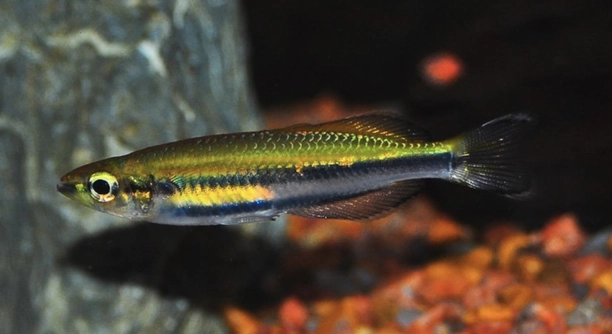
Have you ever found yourself caring for fish and worrying about their health as you try to maintain a clean tank that prevents common issues that can affect their well being in aquariums everyday care.
Preventing fungal infections in fish relies on maintaining stable water conditions, reducing organic waste, quarantining new arrivals, and supporting overall immunity through proper nutrition. Consistent monitoring and timely intervention lower pathogen risks and help sustain a healthy aquatic environment overall.
Learning how simple routines shape aquatic health offers guidance that supports stronger fish and a more stable home aquarium environment.
Maintain Clean Water Quality
Keeping water clean is essential for preventing fungal infections in fish, and I rely on simple routines that support steady conditions. I start by testing the water often to detect changes before they harm the fish. Weekly partial water changes help remove materials that can disturb balance. I clean filters on schedule, because proper flow keeps debris from settling and affecting the tank. After feeding, I remove leftover food to reduce waste that encourages unwanted growth. I also wipe the glass and lightly vacuum the substrate to limit buildup over time. These steps may seem small, but together they create a stable environment that supports strong immunity. When the water remains consistent, fish stay calmer and respond better to normal care. A clean tank sets the stage for better health and fewer issues, allowing fish to thrive and move with ease in their home each day in their daily routine.
A steady cleaning plan keeps harmful materials low and supports healthier fish. These steps reduce stress, encourage strong immune responses, and limit conditions that allow fungal organisms to grow. With consistent care, the aquarium stays balanced and your fish remain more comfortable throughout their regular activities in their daily routine.
Clean water supports every other part of fish care, making it easier to prevent issues before they begin. When conditions stay stable, fish maintain stronger defenses and respond well to small changes in feeding or maintenance. I find that consistent habits lead to fewer surprises and a calmer tank overall. Good water quality also reduces the need for harsh treatments, keeping the environment gentle for delicate species. Even small adjustments, like rinsing equipment properly or checking temperature more often, help maintain balance. With steady attention, the aquarium becomes a healthier space that naturally discourages unwanted microorganisms from developing each day.
Quarantine and Observation Practices
Separating new fish before adding them to the main tank helps reduce risks linked to hidden infections. Quarantine offers time to observe behavior and appearance, allowing early detection of fungal issues. This simple step protects established fish and stabilizes the aquarium environment by preventing sudden exposure to harmful organisms overall.
Quarantining new fish is one of the most effective steps for reducing fungal infections, because it limits the spread of organisms that may already be present on incoming fish. I use a separate tank with stable conditions that match the main aquarium, allowing the fish to adjust without affecting others. During this period, I watch for changes in skin, fins, breathing, or swimming patterns, since early signs often appear before major problems develop. Maintaining clean water in the quarantine tank is important, and I avoid adding decorations that trap debris. Feeding lightly helps keep waste low and reduces stress on the fish. I also clean equipment used in the quarantine tank before using it elsewhere, preventing unwanted transfer of microorganisms. This controlled space gives fish time to regain strength after transport, making them more resilient. After the observation period, only healthy fish move to the main tank, which keeps the environment more stable. These careful steps lower infection risks and support long term health.
Provide Balanced Nutrition
Feeding fish a balanced diet supports stronger immunity and lowers the chance of fungal infections forming in the tank. I use high quality food that matches species needs, and I avoid excess feeding to keep water cleaner and reduce stress that affects overall health each day in their regular routine.
A balanced diet strengthens natural defenses by giving fish the nutrients they need to maintain healthy skin and fins. I rotate foods to prevent deficiencies and choose items that support digestion. Frozen and live options can add variety while providing important nutrients that dry foods sometimes lack. I also soak certain foods when needed to improve absorption and reduce digestive stress. Consistent feeding at the right intervals helps stabilize energy levels and keeps fish active without overwhelming the filtration system. These habits create a healthier environment that discourages fungal organisms and supports steady growth in their daily aquarium care routine.
Feeding practices also affect water quality, which plays a major role in preventing fungal issues. I remove any leftover food after feeding to stop it from decomposing and increasing waste levels. Smaller portions help fish digest food better and limit uneaten pieces that settle in the substrate. When feeding species with specific needs, I adjust foods to prevent nutritional gaps that weaken immunity. Observing how fish respond to certain foods helps me refine their diet and avoid ingredients that cause stress. Good nutrition supports stronger resistance to fungal organisms and helps maintain healthier conditions throughout the aquarium each day consistently.
Reduce Stress Factors
Reducing stress in fish lowers the chance of fungal infections, so I focus on keeping their environment calm and predictable. Stable temperature and gentle lighting help fish stay comfortable. Avoiding sudden changes during cleaning or feeding makes the tank feel safer. I also choose compatible species that interact peacefully, which prevents constant chasing or hiding. These small adjustments support stronger immunity and help fish stay healthy in their normal daily aquarium care and overall routine.
Lowering stress begins with providing an environment that stays stable from day to day, because sudden shifts weaken natural defenses and encourage fungal growth. I monitor temperature closely and prevent fluctuations that make fish uncomfortable. Consistent lighting that follows a simple schedule keeps their internal rhythm steady. Hiding spots give shy species places to rest without feeling overwhelmed. Avoiding overcrowding keeps interactions calmer and reduces territorial behavior that causes injury. Injuries create small openings that allow fungal organisms to develop, so reducing aggression is important. I also handle equipment gently to prevent loud disturbances that startle fish. When fish feel secure, they maintain stronger immunity, show healthier behavior, and respond better to regular care. These steps create stable conditions that lower fungal risks for fish.
Maintain Stable Tank Temperature
Keeping temperature steady helps reduce fungal risks by protecting fish from stress that affects their immunity. I check the heater regularly and use a thermometer to confirm accuracy. Sudden drops or spikes can weaken fish quickly, so stability becomes an essential part of their overall care.
A reliable heater, proper placement, and routine monitoring keep temperature changes minimal throughout the day. I also avoid placing the tank near windows or vents, since these areas fluctuate more. When the water stays consistent, fish remain calmer and respond better to daily care that supports long term health.
Monitor Fish Health Daily
Observing fish each day helps detect early signs of fungal concerns before they become severe. I watch for changes in swimming, appetite, spots, or discoloration that may signal stress. Catching subtle signs early makes treatment easier and reduces the impact on the tank’s overall balance.
Avoid Cross Contamination
Separating equipment for different tanks helps prevent fungal organisms from spreading. I keep nets, buckets, and cleaning tools assigned to specific aquariums to avoid accidental transfer. Simple habits like rinsing tools after use add another layer of protection for every fish in my care.
FAQ
What are the earliest signs of fungal infections in fish?
Early signs usually appear on the skin or fins, and I watch for small white or gray patches that look cottonlike. These patches can stay in one area or spread slowly. Sometimes fish show frayed fins or mild discoloration around affected spots. Changes in behavior, such as staying near the bottom or avoiding movement, may also appear when infection begins. Breathing might become heavier if stress increases. Spotting these symptoms early helps prevent the infection from worsening. I always monitor closely because fungal patches can blend in with natural colors when they first appear.
How often should I clean the tank to prevent fungal growth?
I follow a weekly cleaning routine that includes partial water changes, light substrate vacuuming, and filter maintenance as needed. Cleaning too rarely allows organic materials to collect, creating conditions that support fungal organisms. Overcleaning can also create stress, so steady habits keep everything balanced. Removing uneaten food and wiping the glass help maintain clarity and reduce unwanted buildup. When the tank stays clean, fish remain more comfortable and less vulnerable to infections linked to stress and poor water quality. A predictable cleaning plan keeps the aquarium healthier and easier to manage over time.
Can overfeeding increase the risk of fungal infections?
Yes, overfeeding raises fungus risks by increasing waste and leftover food that break down in the tank. This process encourages unwanted growth and stresses fish by reducing overall water quality. I use smaller portions and feed only what the fish can finish in a few minutes. Watching their eating habits helps me adjust as needed. When waste stays low, fungal organisms have fewer opportunities to develop, and fish stay healthier. A careful feeding approach also lowers filter strain and keeps conditions more stable. Balanced nutrition supports immunity, while proper feeding habits protect the entire aquarium environment.
Do fungal infections spread to other fish quickly?
Fungal infections can spread if water conditions are poor or if injuries are present. Healthy fish with strong immunity resist fungal organisms better, but stress or overcrowding makes them more vulnerable. I isolate affected fish when possible to prevent unnecessary exposure. Maintaining clean equipment and reducing contamination between tanks also lowers the chances of fungal transfer. While fungi do not always spread as quickly as some parasites, they thrive in unstable conditions. Prompt action, clean water, and observation keep infections controlled. Supporting the tank environment is the main way to limit spread and protect all fish.
Is medication always necessary for treating fungal infections?
Medication is helpful when fungal patches are advanced or widespread, but mild cases sometimes improve when water quality and stress levels are corrected. I focus first on stabilizing temperature, removing debris, and improving filtration. If symptoms persist or spread, I use antifungal treatments designed for aquarium use. Following instructions carefully prevents harm to sensitive species. Some medications affect beneficial bacteria, so I monitor water conditions closely after treatment. Combining medication with cleaner conditions creates better results. While medication can resolve stubborn infections, prevention and stable water quality remain the most reliable long term approach.
Final Thoughts
Caring for fish becomes easier when simple habits guide each part of the routine. I have learned that steady attention to water quality, nutrition, and temperature plays a major role in keeping fungal issues away. When the tank stays clean and consistent, fish respond with healthier behavior and fewer signs of stress. These small steps create a stable environment that supports natural defenses and reduces problems before they begin. Even minor adjustments, like removing leftover food or checking equipment more often, make a noticeable difference. With time, these habits become second nature and help the aquarium feel like a calm space where fish can thrive without constant worry over infections or unexpected changes that affect their well being.
Following reliable practices does not need to feel complicated. Monitoring fish daily, supporting a balanced diet, and keeping equipment clean all work together to protect the tank. I find that being observant makes it easier to notice early signs of trouble, especially when conditions shift or fish behave differently. Early detection gives more control over treatment and helps keep mild concerns from turning into larger problems. Prevention remains the strongest approach, and small improvements applied consistently bring long term benefits. When fish live in a steady environment, they experience fewer stressors, and this stability helps keep fungal organisms from taking hold. It also encourages fish to stay active, eat well, and move comfortably within the space you create for them.
A thoughtful approach to fish care builds confidence over time, and this makes maintaining the aquarium feel more personal and manageable. Understanding how each part of the environment affects fish health helps guide better choices and prevents unnecessary treatments. Stable water, balanced feeding, clean equipment, and careful observation work together to build a healthier ecosystem. These habits not only reduce fungal risks but also improve overall well being for every fish in the tank. When I stay consistent, I see clearer water, calmer behavior, and stronger responses from the fish I care for. Each routine, even if small, supports a healthier environment that protects against infections and keeps the tank running smoothly. With ongoing care and steady habits, the aquarium remains a safe and comfortable place where fish can flourish without struggling against preventable issues.

Hello,
If you enjoy the content that we create, please consider saying a "Thank You!" by leaving a tip.
Every little bit helps us continue crafting quality advice that supports the health, happiness, and well-being of pets around the world, for pets of all shapes, sizes, and species.
We really appreciate the kindness and support that you show us!