
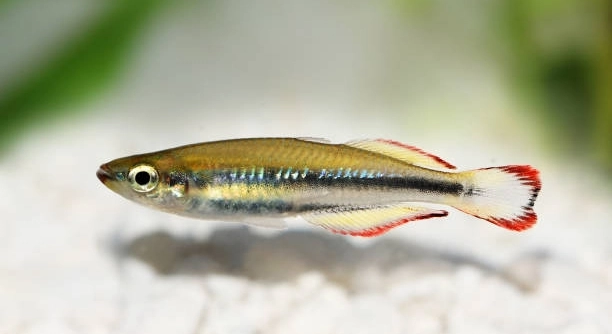
Have you ever noticed your rainbowfish swimming in circles, creating a gentle pattern that feels unusual but consistent in the aquarium environment, especially during calm moments when lighting, water flow, and daily routines remain unchanged?
Rainbowfish commonly swim in circles due to environmental stress, neurological responses, or spatial disorientation. Factors such as inconsistent water parameters, poor tank layout, strong currents, or underlying health conditions can disrupt normal swimming behavior and lead to repetitive circular movement.
Recognizing these patterns helps aquarists improve tank conditions, support fish wellbeing, and better understand subtle behavioral changes over time overall.
Environmental Stress and Tank Conditions
I have learned that environmental stress plays a major role in circular swimming behavior among rainbowfish kept in home aquariums. Sudden changes in water temperature, unstable pH levels, and poor filtration can disrupt their sense of balance. Strong water currents may also push fish into repetitive paths as they struggle to maintain position. Overcrowded tanks increase competition and anxiety, limiting natural movement. Inadequate hiding spaces remove opportunities for rest, which adds further strain. Lighting that is too bright or inconsistent can overstimulate rainbowfish, causing restless swimming patterns. Even routine maintenance, when done too aggressively, may temporarily confuse them. When these factors combine, circular swimming becomes a visible sign that the environment is not fully supportive of their needs, requiring careful observation, gradual adjustments, and consistent care from the aquarist. This behavior often appears subtle at first but grows more obvious when conditions remain unresolved over time in confined aquariums settings.
Circular swimming linked to stress rarely resolves without intervention. I have noticed improvement only after stabilizing water quality, softening flow, and allowing the tank to settle. Small changes, introduced slowly, reduce pressure on rainbowfish and help restore steady, purposeful movement. Consistency remains essential for lasting behavioral improvement over time overall.
From my experience, monitoring environmental details daily makes a clear difference. Testing water parameters on a regular schedule prevents unnoticed fluctuations. Observing how rainbowfish respond after changes provides valuable feedback. Healthy fish display varied swimming patterns and interact calmly with tank mates. When circling decreases, it often signals reduced stress. Creating a stable routine benefits both the fish and the keeper. This approach encourages confidence, patience, and a deeper understanding of aquarium balance without relying on quick fixes. Over time, these habits support long-term health and reduce recurring behavioral issues in controlled aquatic environments for sensitive species like rainbowfish specifically.
Health Factors and Neurological Influences
Not all circular swimming relates to tank conditions alone. I have learned that internal health issues can also affect movement. Infections, injuries, or developmental abnormalities may interfere with coordination, leading to repetitive swimming that persists despite environmental improvements. Such cases require closer observation and timely action to prevent further decline.
When health is involved, behavior tends to appear consistent and disconnected from external changes. Rainbowfish may circle slowly or rapidly, sometimes favoring one direction. Appetite changes often follow, along with reduced interaction. I have found that these signs should never be ignored. Parasitic infections can affect the inner ear, disturbing balance. Bacterial conditions may cause inflammation that alters swimming control. Physical injuries, even minor ones, can heal poorly if unnoticed. Age also plays a role, as older fish may lose coordination gradually. Early intervention improves outcomes significantly. Isolating affected fish allows for observation and treatment without added stress. Consulting reliable aquatic care resources supports accurate identification of symptoms. Medication should be used carefully and only when truly necessary. Maintaining excellent water quality remains essential during recovery. While not every case can be resolved, informed care improves comfort and stability. Paying attention to subtle shifts has helped me respond sooner, reducing prolonged discomfort and preventing further complications within the aquarium. This approach supports responsible fishkeeping and encourages patience during treatment periods, even when progress feels slow and uncertain at times. Clear records, steady routines, and calm observation make long-term management more effective for sensitive aquatic species under human care environments consistently.
Tank Layout and Visual Stimulation
Tank layout directly influences how rainbowfish move throughout the aquarium. Sparse decoration, reflective glass, and repetitive backgrounds can encourage circular swimming. Without visual breaks, fish may follow the same path repeatedly, especially along tank walls where reflections and open space create confusing visual signals for them over extended periods daily.
I noticed improvement after rearranging decor to create varied sightlines and resting zones. Plants, driftwood, and rocks break up reflections and provide reference points. This helps rainbowfish orient themselves and swim with purpose. Long tanks benefit from staggered decorations rather than symmetrical placement. Backgrounds with muted colors reduce mirror-like effects. Even adjusting lighting angles can limit glare. These changes do not overwhelm the fish but guide movement naturally. A thoughtfully arranged tank encourages exploration instead of repetition, supporting calmer behavior and reducing unnecessary stress caused by visual monotony over time within confined aquarium spaces that lack natural cues and depth.
Consistent layout matters as much as design itself. Frequent rearranging can disorient rainbowfish and restart circular habits. I prefer making small adjustments and allowing several days for observation. Fish learn their surroundings through repetition. When the environment remains stable, movement becomes smoother and more varied. Wall-following decreases as confidence grows. Providing shaded areas also helps reduce overstimulation. This balance between structure and openness supports natural swimming patterns. Over time, the tank feels less confining and more predictable, which benefits overall wellbeing and behavior stability for sensitive species kept in enclosed glass environments with limited spatial variation and constant boundaries visible.
Behavioral Patterns and Social Dynamics
Social structure influences swimming behavior more than expected. Rainbowfish rely on group cues for direction and safety. In small or uneven groups, individuals may repeat movements without feedback. I have observed circling increase when dominant fish limit space access. Lack of compatible tank mates can also reduce interactive swimming. This often results in pacing patterns rather than relaxed group movement over time within confined aquariums lacking social balance and stable hierarchy cues for individuals involved.
Balanced group size supports natural swimming flow. I aim for enough rainbowfish to spread attention evenly, reducing pressure on single individuals. Schooling behavior becomes smoother when fish feel secure among similar sizes and temperaments. Introducing new fish slowly prevents sudden dominance shifts. Observation during feeding helps reveal social tension early. When circling links to social stress, adjusting population or rearranging territory boundaries can help. Removing aggressive individuals may be necessary in some cases. Social stability encourages exploration, varied movement, and healthier interaction. Over time, consistent grouping reduces repetitive swimming and supports a calmer, more predictable aquarium environment that allows fish to express instinctive behaviors without constant spatial conflict between tank mates sharing limited territory zones under artificial housing conditions managed carefully by aquarists over years.
Water Flow and Current Strength
Strong water flow can force rainbowfish into repetitive paths along the glass. I have seen circling increase when filters push uneven currents. Fish expend energy correcting position, leading to habitual loops rather than relaxed swimming throughout the tank during extended exposure over time without relief or proper adjustment settings applied.
Reducing flow often resolves this behavior quickly. I prefer spreading output with spray bars or deflectors. Positioning intakes carefully prevents dead zones. Balanced circulation supports oxygenation while allowing rainbowfish to swim freely, pause, and change direction without constant resistance from water movement during daily activity periods within confined tanks environments.
Feeding Habits and Anticipation
Feeding routines can unintentionally reinforce circular swimming. I have noticed rainbowfish looping near feeding areas when meals arrive at the same time and place daily. This anticipation behavior strengthens with hand feeding and surface-focused diets. Spreading food across the tank encourages wider movement. Varying feeding locations breaks rigid patterns. Using sinking and floating options engages different swimming levels. Small, frequent feedings reduce frantic motion. When feeding feels predictable, circling increases. Introducing mild variation keeps fish alert without causing stress. This approach supports natural foraging behavior and reduces repetitive movement linked to anticipation over long-term captive care conditions in aquariums settings.
Lighting Consistency and Reflections
Inconsistent lighting can confuse rainbowfish and encourage wall-following behavior. I have seen circling increase when lights switch abruptly or reflect strongly off glass. Sudden brightness changes disrupt orientation. Stable lighting schedules and soft transitions help fish maintain calm, purposeful movement throughout the aquarium during daily activity cycles and rest periods.
FAQ
Why does my rainbowfish swim in circles even when water quality is stable?
I have seen circular swimming continue even with stable parameters. This often points to factors beyond basic water quality. Tank layout, lighting reflections, or ingrained habits can maintain the behavior. Fish may repeat movements learned during earlier stress periods. In these cases, patience matters. Small environmental refinements, combined with time, often reduce the behavior gradually rather than immediately.
Can circular swimming be a normal behavior in rainbowfish?
In short periods, yes. Rainbowfish are active swimmers and may circle during play, feeding anticipation, or social interaction. I usually look at duration and consistency. Normal behavior appears varied and stops naturally. When circling becomes repetitive and isolated, it often signals an underlying issue that deserves closer attention and observation.
How long should I wait before intervening when I notice circling?
I prefer observing for several days while checking for obvious stressors. Sudden intervention can sometimes worsen confusion. If the behavior persists beyond a week or intensifies, action becomes necessary. Gradual changes allow fish to adjust without added stress. Observation provides valuable clues about whether the issue is environmental, social, or health related.
Does tank size influence circular swimming behavior?
Yes, tank size plays a significant role. In smaller tanks, rainbowfish have limited swimming paths, which can reinforce looping patterns. I have found that longer tanks reduce wall-following behavior. Horizontal space matters more than depth. Adequate room allows fish to change direction naturally and explore without repeating tight turns.
Can stress from tank mates cause this behavior?
Absolutely. Social stress often leads to repetitive movement. Aggressive or overly active tank mates can restrict access to space. I watch for chasing or blocking behavior. Even subtle dominance can influence swimming patterns. Adjusting group size or separating incompatible fish often leads to noticeable improvement within days.
Is circular swimming linked to illness even if the fish looks healthy?
Yes, early health issues may not show obvious physical symptoms. Balance disturbances can appear before appetite loss or visible signs. I take note if circling favors one direction consistently. This pattern can indicate internal issues. Early isolation and observation increase the chance of identifying problems before they worsen.
Does feeding time really affect swimming behavior that much?
From my experience, feeding routines have a strong impact. Fish quickly associate locations and timing with food. This anticipation can look like pacing or circling. Varying feeding spots and methods helps break rigid movement patterns. It also encourages natural foraging behavior instead of repetitive waiting.
Can lighting alone cause rainbowfish to swim in circles?
Lighting can be a major factor. Reflections along glass panels confuse fish, especially in bright setups. I have reduced circling by adding backgrounds and adjusting light angles. Consistent schedules also matter. Sudden changes can disrupt orientation, leading to repetitive movement along tank edges.
Will rearranging the tank stop circular swimming immediately?
Not always. Rearranging helps, but fish need time to relearn their surroundings. I avoid frequent changes. One thoughtful adjustment followed by observation works better. Improvement often appears gradually as confidence increases. Stability allows fish to settle into new movement patterns without repeated confusion.
Should I be concerned if only one rainbowfish swims in circles?
Yes, isolated behavior deserves attention. When only one fish circles, I consider health and social position first. That fish may be stressed, injured, or excluded. Watching interactions closely helps clarify the cause. Early response improves comfort and prevents long-term behavioral or physical decline.
Final Thoughts
Circular swimming in rainbowfish is rarely random, and over time I have learned it is usually a response rather than a habit formed without cause. This behavior reflects how closely fish respond to their surroundings, routines, and physical condition. Small details such as lighting angles, water flow, and tank layout can influence movement more than expected. When these details remain unnoticed, repetitive swimming becomes a visible signal. Paying attention to patterns rather than isolated moments helps clarify whether the behavior is temporary or persistent. Observation builds awareness, and awareness leads to better decisions. Rainbowfish communicate discomfort quietly, and their movement often speaks before other signs appear. Understanding this connection allows for calmer responses and more thoughtful care choices without rushing to unnecessary changes.
I have found that improvement often comes from consistency rather than drastic action. Stable routines, steady water conditions, and balanced social groupings support natural swimming behavior over time. When adjustments are needed, gradual changes reduce confusion and stress. Each aquarium develops its own rhythm, and fish adapt best when that rhythm remains predictable. Circular swimming may decrease slowly, but subtle progress matters. Watching fish regain varied movement is rewarding and confirms that thoughtful care makes a difference. It also reinforces patience. Not every issue resolves quickly, and that does not mean effort has failed. Sometimes fish simply need time to relearn safety within their environment after periods of instability.
Keeping rainbowfish healthy involves more than meeting basic care requirements. It requires attention, reflection, and a willingness to observe behavior without assumption. Circular swimming should be seen as useful information rather than an immediate problem. It highlights areas that may benefit from refinement and encourages deeper engagement with aquarium management. Over time, this awareness strengthens confidence and improves long-term outcomes. Fish respond positively when their environment supports both physical and behavioral needs. By focusing on stability, gentle adjustments, and consistent observation, it becomes easier to support calm, purposeful movement. This approach benefits not only rainbowfish, but also the overall balance and enjoyment of the aquarium as a whole.

Hello,
If you enjoy the content that we create, please consider saying a "Thank You!" by leaving a tip.
Every little bit helps us continue crafting quality advice that supports the health, happiness, and well-being of pets around the world, for pets of all shapes, sizes, and species.
We really appreciate the kindness and support that you show us!