
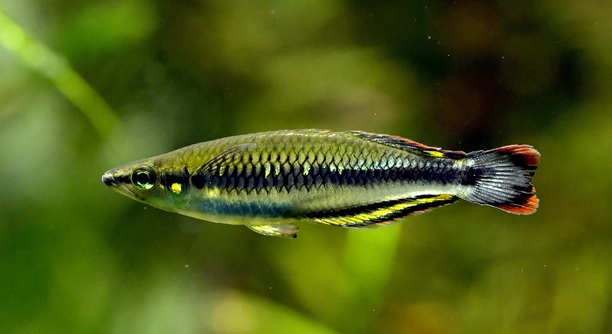
Have you ever watched your rainbowfish after a meal and noticed how their behavior shifts in subtle ways that catch your attention, offering a glimpse into their natural rhythms within the setting of your aquarium.
Rainbowfish typically become more active after feeding as the energy boost supports increased movement. This rise in activity reflects their natural foraging patterns and generally signals proper digestion, balanced water conditions and appropriate nutritional intake in a well maintained aquarium.
These early moments after feeding offer helpful insights into their daily behavior, creating a foundation for understanding their energetic habits.
Factors Influencing Post Feeding Activity
Understanding how rainbowfish behave after meals helps you support a comfortable environment that matches their natural needs. Their behavior is shaped by several factors, including the type of food you offer and the overall health of their tank. When they receive balanced nutrition, their bodies respond with a steady burst of energy that shows in their movement. Clean water, stable temperature and gentle filtration also play important roles in how they act after eating. If any of these conditions shift, even slightly, their activity may appear different. Watching these patterns can feel rewarding because it lets you connect with their routines in a simple and calm way. You start to notice how they glide with more purpose, how they explore open areas and how they interact with each other when they feel secure. These observations help you adjust feeding habits and tank care to keep them comfortable and active day.
By paying attention to these details, you maintain a stable routine that supports their natural behavior. Small adjustments in feeding amounts, timing and tank care help them stay active and comfortable, creating a calm setting that encourages steady movement after meals throughout their daily activities and helps you feel connected.
As you continue observing them, you gain a clearer sense of what feels normal for your tank. Their post feeding activity becomes an easy indicator of how well they are adjusting to their space. When their movement looks steady and confident, it often reflects balanced care. If they appear slower, the cause may be simple, such as needing a slight feeding adjustment or checking basic water parameters. Taking time to notice these signs supports a calm aquarium and gives you a gentle rhythm to follow while caring for them each day in a way that feels steady and keeps them.
Understanding Feeding Patterns
Rainbowfish show clear patterns after meals, and these patterns help you understand how their energy shifts throughout the day. Their behavior is influenced by nutrition, tank conditions and feeding timing, making it useful to watch how they respond during these early moments after eating in a calm and steady manner.
Feeding habits play a significant role in shaping how rainbowfish behave, and understanding these habits helps you create a stable routine that supports their well being. When they receive balanced meals, their bodies respond with a natural boost of energy that becomes visible through purposeful movement. They often explore open areas more confidently, glide through plants with ease and interact with each other in a pattern. These behaviors reflect comfort, proper nutrition and a healthy environment. If their activity seems different, the reason is often linked to simple factors such as portion size, feeding frequency or the condition of the water. Even slight changes in temperature, filtration strength or lighting can influence how they respond after eating. Paying attention to these details helps you maintain a consistent setting that keeps them comfortable. You can fine tune their schedule by offering small amounts of food, avoiding overfeeding and keeping the tank clean. Routine checks on water quality support their overall behavior and prevent unnecessary stress. Over time, you begin to recognize their normal pace, making it easier to adjust care when needed. This steady awareness helps you support their natural patterns and encourages a peaceful aquarium where they remain active.
Environmental Conditions That Affect Activity
Stable environmental conditions help rainbowfish maintain consistent activity after meals. Clean water, steady temperature and gentle filtration encourage natural movement. When these elements stay balanced, their behavior becomes predictable and calm, giving you a clear sense of how they respond to feeding throughout the day.
Maintaining the right conditions supports a comfortable tank where rainbowfish can settle into their natural patterns. Slight shifts in temperature or water quality often influence their energy levels, so routine monitoring helps prevent unnecessary stress. When the filtration is gentle and lighting remains stable, they move through the tank with smooth, confident motions. Feeding becomes easier to manage because their responses stay consistent, letting you understand what works best for them.
Small improvements in tank care also play a role in shaping their behavior. Regular water changes, proper aeration and avoiding overcrowding help maintain a balanced space. When oxygen levels remain steady and the environment feels secure, their activity after meals becomes easier to read. These details create a reliable foundation that supports their comfort and lets you adjust feeding or care as needed while keeping their routines steady.
Recognizing Healthy and Unhealthy Activity
Healthy activity becomes noticeable when rainbowfish move with purpose and interact peacefully after meals. Their energy stays steady, and their movements appear smooth, reflecting balanced nutrition and proper tank care. When behavior shifts suddenly, it can signal discomfort, making it important to pay attention to even small changes.
Watching for unusual signs helps you act early. If they seem sluggish, hide more often or show uneven swimming, these shifts may indicate stress from water changes, poor nutrition or inconsistent feeding. Sudden changes in lighting or filtration can also influence their behavior. Monitoring these signs helps you stay aware of their needs and support them with timely adjustments. Regular checks on water parameters offer reassurance and prevent issues from developing. When they return to their normal activity level, it indicates that the environment suits them well and that their routine aligns with their natural patterns.
xxxxxxxxxxxxxxxxxxx
Post feeding interaction often shows how comfortable rainbowfish feel in their environment. When they glide through open areas and maintain steady movement, it reflects balanced nutrition and proper care. Their reactions become easier to understand when the tank remains stable, allowing you to notice healthy patterns in their behavior daily.
Changes in their movement after meals can signal small shifts in tank conditions. When activity seems lower, simple adjustments in feeding or water care often help. Paying attention to these details gives you a clear sense of what supports them best and keeps their routine steady each day at home.
xxxxxxxxxxxxxxxxxxx
Feeding schedules play an important role in how rainbowfish behave after meals because their bodies rely on consistent routines to process food comfortably. Offering small portions helps prevent overeating and keeps their energy steady throughout the day. When feeding occurs at the same time, they develop predictable patterns that make their activity easier to understand. Regular timing also supports healthy digestion and reduces stress caused by inconsistent care. These details help you maintain a calm tank where their behavior remains stable, allowing you to recognize when something shifts and adjust their routine to support their natural patterns each and always.
xxxxxxxxxxxxxxxxxxx
Early signs of stress become noticeable when rainbowfish show uneven movement, reduced interaction or sudden hiding after meals. These shifts often reflect simple issues in water quality or feeding routines, allowing you to make quick adjustments that help restore their normal activity and keep their environment calm and balanced daily.
FAQ
Why are my rainbowfish more active right after feeding?
Rainbowfish often become more active after eating because the food provides an immediate energy boost. This energy allows them to swim more actively, explore open areas, and interact with tank mates. Proper nutrition combined with a comfortable environment encourages this natural post-feeding behavior, signaling healthy digestion.
Is it normal for rainbowfish to slow down after a while?
Yes, after an initial burst of activity, rainbowfish may slow down as they digest their food. This gradual decrease in movement is normal and reflects how their energy is used efficiently. It is also a sign that the tank conditions support their natural rhythms.
How much should I feed my rainbowfish at one time?
Feed only what they can consume in a few minutes. Overfeeding can lead to leftover food, which affects water quality and reduces oxygen levels. Smaller, controlled portions keep them energetic while maintaining a clean and healthy tank.
Can water temperature affect post-feeding activity?
Absolutely. Rainbowfish are sensitive to temperature changes. Cooler water slows their metabolism, making them less active after feeding, while warmer water encourages movement. Maintaining stable water conditions helps them digest food comfortably and keeps activity consistent.
Does the type of food matter for activity levels?
Yes, the nutritional content affects how energetic rainbowfish feel. High-protein foods often increase activity quickly, while foods lower in protein may result in slower movement. A balanced diet with variety ensures steady energy without stress on digestion.
Why do some rainbowfish hide after eating?
Hiding can occur if the tank feels stressful or if they overeat. It may also happen if water parameters fluctuate. Ensuring proper temperature, pH, and minimal disturbances can help rainbowfish feel safe and remain visible after feeding.
How can I tell if post-feeding inactivity is a problem?
If your rainbowfish remain inactive for extended periods, stop eating, or show unusual behavior like erratic swimming, it could indicate illness or poor water conditions. Regular monitoring of water parameters and health helps identify problems early.
Do rainbowfish prefer feeding at specific times?
Rainbowfish respond well to consistent feeding schedules. Feeding at the same times daily creates predictable patterns, encouraging activity after meals. Inconsistent timing may cause stress and unpredictable energy levels, affecting their normal behavior.
Can tank mates affect post-feeding behavior?
Yes, other fish in the tank can influence how rainbowfish move after eating. Aggressive or overly fast eaters may cause them to retreat or compete for food, reducing visible activity. Observing interactions helps maintain a harmonious feeding environment.
What signs indicate my rainbowfish are healthy post-feeding?
Healthy rainbowfish show smooth swimming, explore open areas, interact with other fish, and display vibrant colors after meals. Consistent activity patterns and steady energy are good indicators of proper nutrition and balanced tank conditions.
Should I change their diet if they seem less active?
If rainbowfish are consistently sluggish after meals, evaluate their diet. Small adjustments, such as offering higher-quality food or incorporating live or frozen options, can improve energy. Ensure any changes are gradual to avoid digestive issues.
How does tank size influence activity after feeding?
Larger tanks allow more space for movement, promoting visible activity after meals. Crowded tanks may reduce swimming space, limiting activity. Ensuring adequate space supports natural behavior, reduces stress, and allows rainbowfish to digest food comfortably.
Can lighting affect post-feeding behavior?
Yes, lighting impacts their sense of security and activity levels. Bright or inconsistent light can stress them, causing hiding. Consistent and moderate lighting helps rainbowfish feel safe, encouraging normal movement after feeding.
How often should I monitor their behavior?
Daily observation after feeding is ideal. Noting changes in movement, appetite, or interaction helps catch early signs of stress or illness. Consistent monitoring ensures timely adjustments to feeding routines or tank care.
Are there seasonal changes in activity after feeding?
Activity may vary slightly with seasonal temperature changes, especially in unheated tanks. Slightly cooler water can slow post-feeding movement, while warmer conditions encourage energy. Maintaining stable conditions reduces these fluctuations and supports consistent behavior.
What role does stress play in post-feeding activity?
Stress can reduce post-feeding movement significantly. Factors like sudden water changes, loud noises, or aggressive tank mates may cause rainbowfish to hide or stay inactive. Minimizing stress helps maintain normal energy levels and supports digestion.
How can I encourage more activity after feeding?
Providing a well-planted tank with open swimming spaces encourages movement. Feeding small portions at consistent times, maintaining stable water conditions, and reducing stressors allow rainbowfish to explore actively and engage with their environment naturally.
Is post-feeding activity linked to growth?
Yes, active rainbowfish are generally healthy and growing normally. Regular movement after meals indicates proper digestion and energy utilization, supporting physical development and overall well-being in a balanced aquarium environment.
What should I do if post-feeding activity suddenly decreases?
Check water quality, feeding habits, and tank conditions immediately. Look for illness signs or stress factors, and adjust as needed. Quick intervention often restores normal behavior and ensures that your rainbowfish remain comfortable and active.
Can age affect post-feeding activity?
Younger rainbowfish tend to be more energetic after feeding, while older fish may show slower, steadier movements. Adjusting feeding routines and tank care according to age helps maintain healthy activity and digestion throughout their life span.
How long does the increased activity last after feeding?
Typically, rainbowfish remain noticeably active for 10 to 30 minutes post-feeding, depending on meal size, food type, and tank conditions. After this period, they gradually slow down as energy is used and digestion progresses. Monitoring this helps gauge their overall health.
Does exercise in the tank improve post-feeding behavior?
Yes, providing ample swimming space and environmental enrichment allows rainbowfish to move freely. Regular activity keeps muscles healthy, encourages digestion, and supports normal behavior after feeding, contributing to overall vitality and a balanced routine.
Final Thoughts
Observing rainbowfish after feeding provides valuable insight into their health and behavior. Their movement patterns reflect how well they are digesting food, their comfort in the tank, and whether their nutritional needs are being met. When rainbowfish become active immediately after eating, it usually indicates that the food provided is appropriate and that the tank conditions are suitable for their well-being. Clean water, stable temperature, and a properly maintained environment all contribute to this healthy response. Even small details, such as gentle filtration and adequate swimming space, influence how energetic they appear. Paying attention to these behaviors allows you to make small adjustments that support their comfort and daily routines, ensuring that they remain active and healthy over time.
Monitoring their activity consistently also helps in identifying early signs of potential problems. Sluggishness, unusual hiding, or erratic swimming after meals can indicate stress, water quality issues, or improper feeding practices. By observing these patterns closely, adjustments can be made quickly, whether it’s modifying the feeding amount, checking water parameters, or rearranging the tank environment to reduce stress. Routine observation fosters a more predictable and comfortable environment for rainbowfish, supporting their natural rhythms and behavior. Over time, familiarity with these patterns allows you to anticipate their needs more effectively, keeping the tank balanced and reducing the risk of sudden behavioral changes. The simplicity of noticing their post-feeding energy provides an easy way to gauge their overall health without relying on complex testing or equipment.
Creating a stable and supportive environment for rainbowfish ultimately encourages consistent, healthy activity. Consistent feeding schedules, balanced diets, and attention to water quality ensure that energy levels remain steady and predictable. Their post-feeding activity becomes a reliable indicator of proper care, allowing you to make informed decisions about tank maintenance and feeding practices. Supporting these behaviors helps maintain their natural movement and promotes a stress-free environment, where fish can thrive physically and emotionally. Observing, learning, and adjusting to their responses not only improves their quality of life but also makes caring for them a more rewarding experience. By keeping routines steady and making thoughtful choices in tank management, you ensure that rainbowfish remain active, comfortable, and healthy throughout their daily lives.

Hello,
If you enjoy the content that we create, please consider saying a "Thank You!" by leaving a tip.
Every little bit helps us continue crafting quality advice that supports the health, happiness, and well-being of pets around the world, for pets of all shapes, sizes, and species.
We really appreciate the kindness and support that you show us!