Do Rainbowfish Prefer Specific Tank Zones?
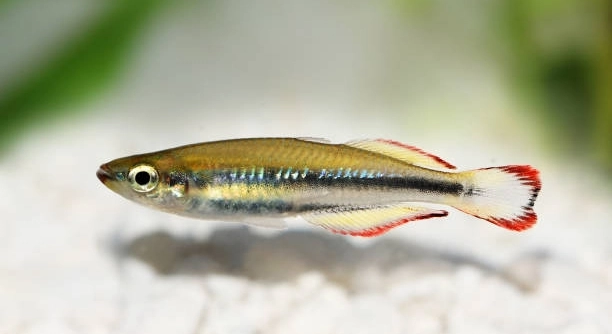
Rainbowfish are popular freshwater fish known for their vibrant colors and active swimming. Many aquarists enjoy observing how these fish interact with their environment and the way they move within their tanks. Rainbowfish do exhibit preferences for specific tank zones. They often favor mid to upper levels, where light is more abundant and swimming space … Read more

How to Tell If Rainbowfish Are Spawning

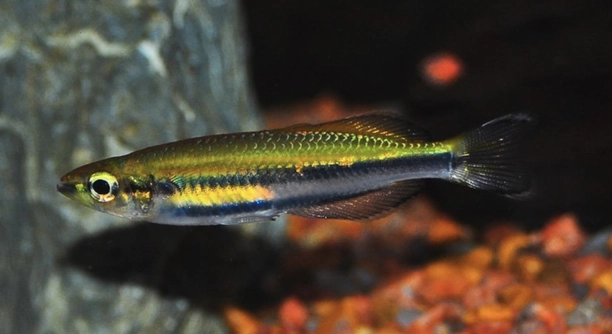
Rainbowfish are colorful and lively additions to any aquarium, bringing movement and brightness. Observing their behavior can be rewarding, especially when they begin to show signs of mating and preparing to spawn in their tank. Rainbowfish spawning can be identified by changes in coloration, increased chasing behavior, and the presence of eggs in plants or … Read more

Are Rainbowfish Attracted to Bubbles?

Many aquarium keepers notice bubbles rising through tanks and wonder how fish respond. Rainbowfish are active, social swimmers, and their reactions to bubbles often reflect natural curiosity, comfort, and stimulation within a maintained aquatic setting. Rainbowfish may show attraction to bubbles primarily due to increased water movement and oxygen levels. The bubbles create visual motion … Read more

Are Rainbowfish Curious or Cautious First?

Rainbowfish are small, colorful fish that brighten up any aquarium. They often move around slowly, exploring their surroundings while keeping an eye on potential dangers. Their behavior can seem both cautious and playful to their observers. Rainbowfish exhibit a balance between curiosity and caution. They initially assess new environments carefully, showing cautious behavior, but gradually … Read more

7 Hidden Causes of Fish Not Eating

Have you ever noticed your fish swimming past their food without interest? Watching them ignore meals can be worrying, especially when you are careful about their tank and nutrition. Understanding their behavior can help maintain a healthy environment. Fish may stop eating due to a variety of hidden factors, including poor water quality, illness, stress … Read more

Why Rainbowfish Hover Near Tank Walls

Have you ever noticed your rainbowfish spending most of their time near the walls of the tank instead of swimming freely in the center? This behavior can seem puzzling, especially if your fish usually explore the aquarium. Rainbowfish often hover near tank walls due to a combination of environmental factors and natural instincts. Limited hiding … Read more

7 Reasons Your Tank Might Be Too Small

Many fish owners enjoy creating a lively and balanced aquarium but sometimes notice that their fish seem stressed or cramped. Tank size plays a crucial role in the overall health and comfort of aquatic pets. A tank that is too small can lead to poor water quality, limited swimming space, and increased stress among fish. … Read more

7 Tank Conditions That Stress Rainbowfish

Rainbowfish are vibrant and lively additions to any freshwater tank, but they can become stressed if their environment is not ideal. Ensuring their habitat meets basic needs is essential for keeping them healthy and active. Several common tank conditions can cause stress in rainbowfish. Poor water quality, fluctuating temperatures, overcrowding, lack of hiding spots, improper … Read more

7 Ways to Spot Rainbowfish Tank Hierarchies

Rainbowfish are lively and colorful additions to any home aquarium. Watching them interact can be fascinating, but sometimes their social structure can be subtle and easy to miss. Understanding these behaviors helps maintain a harmonious tank. Rainbowfish establish clear hierarchies through consistent displays of dominance and submission. Observing body posture, chasing behavior, and territory occupation … Read more

How to Tell If Your Rainbowfish Likes Its Tank

Rainbowfish are colorful, active fish that bring life to any aquarium. Observing their behavior can help you understand how comfortable they feel in their tank. Small changes in activity or appearance often indicate their wellbeing. Rainbowfish that display vibrant colors, swim actively, interact with other fish, and eat regularly are likely comfortable in their environment. … Read more