
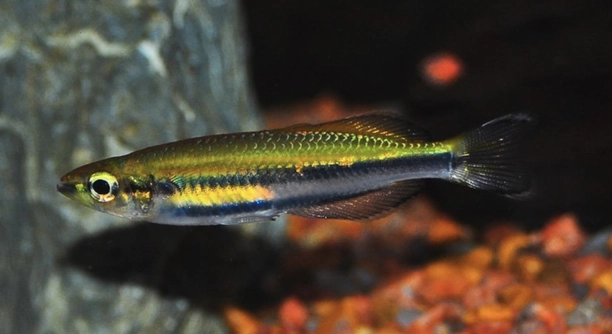
Rainbowfish are vibrant and lively additions to any freshwater tank, but they can become stressed if their environment is not ideal. Ensuring their habitat meets basic needs is essential for keeping them healthy and active.
Several common tank conditions can cause stress in rainbowfish. Poor water quality, fluctuating temperatures, overcrowding, lack of hiding spots, improper lighting, incompatible tank mates, and insufficient nutrition are the primary factors negatively impacting their wellbeing and overall behavior.
Recognizing these stressors early can help maintain a thriving, colorful aquarium. Proper care ensures rainbowfish remain healthy, active, and visually stunning over time.
Poor Water Quality
Maintaining clean water is crucial for rainbowfish health. Ammonia, nitrite, and nitrate levels must be monitored regularly, as spikes can quickly stress the fish. Even small amounts of chlorine or heavy metals can have adverse effects. Frequent water changes and a reliable filtration system help keep water parameters stable. Avoid overfeeding, as leftover food decomposes and pollutes the tank. Observing fish behavior can indicate water problems: lethargy, faded colors, or gasping at the surface are signs of stress. Testing kits are inexpensive and provide essential data to prevent dangerous conditions. Establishing a routine for water maintenance not only protects the fish physically but also supports their natural behaviors, making them more active and vibrant. A stable environment allows rainbowfish to thrive, reproduce, and display their full range of colors. Investing a little time each week in water care pays off in healthier, happier fish.
Regular testing and weekly water changes are key to maintaining stable and safe conditions for rainbowfish.
Monitoring water parameters, performing partial water changes, and using proper filtration create a consistent habitat. Avoid chemical imbalances and overfeeding to reduce stress and encourage natural activity. Observing behavior alongside water testing ensures problems are caught early, keeping rainbowfish healthy and colorful.
Overcrowding
Too many rainbowfish in a single tank can create constant competition for space, food, and oxygen. Overcrowded tanks often result in increased aggression, stress, and reduced immunity. Fish may hide excessively or display unusual behaviors due to limited territory. Maintaining the recommended stock density is essential, typically one inch of fish per gallon of water, depending on species. Providing open swimming areas alongside hiding spots balances social interaction and safety. Regular observation helps detect early signs of stress, such as torn fins, rapid breathing, or color loss. Even if water quality is perfect, overcrowding alone can negatively affect health. Planning the tank size according to the number and species of rainbowfish ensures a stable and comfortable environment. Adjusting the population or upgrading the tank can significantly improve the fish’s wellbeing. Proper spacing reduces tension, encourages normal activity, and enhances overall coloration, making the aquarium visually appealing and harmonious.
Fluctuating Temperatures
Rainbowfish are sensitive to sudden changes in water temperature. Rapid shifts can stress their system, weaken immunity, and affect feeding patterns. Maintaining a stable temperature suited to the species is essential for their health. Use a reliable heater and thermometer for consistency.
Consistent temperature supports metabolism and activity. Even a small drop or rise can cause lethargy, hiding, or erratic swimming. Nighttime cooling and daytime heating cycles should mimic natural conditions, but extreme fluctuations must be avoided. Gradual adjustments are safer when changes are necessary. Monitoring temperature daily allows early detection of issues before fish show severe stress, ensuring their environment remains stable and comfortable.
Using stable temperature also helps prevent illness. Rainbowfish exposed to fluctuating water often face increased vulnerability to parasites and infections. Proper insulation, heater placement, and avoiding drafts reduce sudden temperature changes, allowing the fish to thrive, stay active, and maintain vibrant coloration consistently.
Lack of Hiding Spots
Rainbowfish need areas to feel secure, especially when stressed or during molting. Without hiding spots, they may become anxious and less active. Plants, rocks, or decorations create safe spaces and reduce stress in the tank.
Providing hiding spots helps balance social interaction and safety. Fish can retreat when feeling threatened or overwhelmed, preventing aggressive encounters. Dense plants or caves allow rest and reduce tension in a community tank. Observing fish behavior shows how well the environment meets their needs.
A tank with structured spaces encourages natural behavior and exploration. Rainbowfish spend more time swimming actively and display their colors fully when they have secure retreats. Hiding spots reduce stress, improve feeding, and create a visually pleasing, dynamic aquarium that mirrors natural habitats.
Improper Lighting
Rainbowfish need a balanced lighting schedule to maintain natural behavior and coloration. Too much light can cause stress, while too little can affect activity and feeding patterns. A consistent day-night cycle is important.
Excessive lighting may lead to hiding, erratic swimming, or color fading. Proper intensity supports natural rhythms, reduces stress, and promotes healthy growth.
Incompatible Tank Mates
Aggressive or overly dominant fish create constant tension for rainbowfish. Stress increases when peaceful species are crowded with territorial or fin-nipping fish. Carefully selecting compatible species ensures harmony and reduces conflict within the aquarium.
Insufficient Nutrition
Rainbowfish require a varied diet rich in proteins, vitamins, and minerals. A single food type or low-quality flakes can lead to weakened immunity, dull colors, and reduced activity. Including live or frozen foods supports overall health.
FAQ
What is the ideal water temperature for rainbowfish?
Rainbowfish thrive in water temperatures between 74°F and 82°F (23°C–28°C). Maintaining a steady temperature is important, as sudden changes can stress them and lower their immunity. Using a reliable heater and thermometer ensures consistent conditions. Gradual adjustments are safer if changes are necessary.
How often should I perform water changes?
Partial water changes of 20–30% every week are recommended. Frequent water changes help remove waste, reduce nitrate levels, and maintain stable water chemistry. Skipping water changes can lead to poor water quality, stressing your fish and increasing the risk of disease.
What are the signs of stressed rainbowfish?
Stress can manifest as faded colors, lethargy, hiding, erratic swimming, or loss of appetite. Fin damage, gasping at the surface, or unusual aggression are also indicators. Observing daily behavior helps detect early signs before the condition worsens.
Can overcrowding affect rainbowfish health?
Yes, overcrowding increases competition for food and space, causing stress and aggression. Proper stocking density, typically one inch of fish per gallon, allows enough space for swimming and reduces tension, ensuring the fish remain healthy and active.
Do rainbowfish need hiding spots?
Absolutely. Hiding spots provide security and reduce stress. Plants, caves, or decorations let them retreat when threatened or resting. A tank with structured spaces encourages natural behavior, making the fish more active, confident, and vibrant.
What should I feed rainbowfish?
Rainbowfish need a varied diet including high-quality flakes, frozen or live foods, and occasional vegetables. Protein-rich foods support growth and color development. Feeding small portions multiple times a day prevents overfeeding and keeps water clean.
How can I prevent aggression in a community tank?
Selecting compatible tank mates is key. Avoid aggressive or fin-nipping species. Providing sufficient swimming space, hiding spots, and consistent feeding reduces competition and tension, creating a peaceful environment for all fish.
How important is lighting for rainbowfish?
Balanced lighting maintains natural behavior and coloration. Too much light can stress them, while too little can reduce activity and feeding. A consistent day-night cycle helps them thrive and supports overall health.
Why do rainbowfish lose color?
Faded colors often indicate stress, poor water quality, insufficient nutrition, or illness. Ensuring stable water parameters, proper diet, and compatible tank mates helps them maintain vibrant coloration consistently.
How do I monitor water quality effectively?
Regular testing for ammonia, nitrite, nitrate, and pH is essential. Test kits are inexpensive and provide critical information. Keeping parameters within recommended ranges prevents stress and supports long-term health. Daily observation of fish behavior complements water testing for a fully balanced environment.
Can temperature fluctuations cause disease?
Yes, sudden changes weaken immunity, making rainbowfish more susceptible to parasites and bacterial infections. Maintaining consistent temperature and avoiding drafts or rapid changes reduces the risk of illness significantly.
Are live plants beneficial for rainbowfish?
Live plants improve water quality, provide hiding spots, and reduce stress. They also create a more natural environment, encouraging natural swimming patterns and activity. Healthy plants contribute to a visually appealing and balanced aquarium ecosystem.
How can I reduce stress during tank maintenance?
Perform water changes gradually and avoid sudden disruptions. Handle equipment carefully, minimize noise, and ensure stable conditions before and after maintenance. Keeping routines consistent helps rainbowfish adapt and prevents unnecessary stress.
What is the recommended tank size for rainbowfish?
A minimum of 30 gallons is suggested for small groups, with additional space for larger groups or more active species. Larger tanks reduce territorial disputes, allow swimming space, and support stable water quality for long-term health.
How often should I check water parameters?
Daily visual checks and weekly testing of key parameters like ammonia, nitrite, nitrate, and pH help detect problems early. Consistent monitoring ensures a stable, healthy environment, preventing stress and promoting longevity.
Can rainbowfish live with other peaceful species?
Yes, compatible peaceful species can coexist, provided there is adequate space, hiding spots, and food. Avoid mixing with aggressive or fin-nipping fish, which can cause stress and compromise health. Observing behavior regularly ensures compatibility remains stable.
What are common mistakes new owners make?
New owners often overfeed, overcrowd the tank, neglect water testing, or provide insufficient hiding spots. These factors increase stress, reduce immunity, and lead to health problems. Proper research, careful planning, and routine maintenance prevent these issues.
How long do rainbowfish typically live?
With proper care, rainbowfish live 5–8 years. Stable water conditions, a balanced diet, compatible tank mates, and low stress are key factors that contribute to longevity and vibrant health.
Do rainbowfish need a specific pH level?
Rainbowfish prefer slightly alkaline water, usually around 6.8–7.8 pH. Stable pH supports metabolic function and overall wellbeing. Sudden changes can cause stress, so gradual adjustments are necessary if water chemistry needs correction.
Is a filter necessary for rainbowfish tanks?
Yes, a good filtration system maintains water clarity, removes waste, and supports beneficial bacteria. Proper filtration reduces stress, prevents disease, and ensures rainbowfish thrive in a stable, clean environment.
How can I encourage breeding in rainbowfish?
Breeding requires stable water conditions, nutritious diet, and sufficient space. Providing plants or spawning mops allows eggs to be safely laid. Healthy, unstressed fish are more likely to breed successfully. Observing pairs helps identify readiness for spawning.
What is the best way to introduce new rainbowfish?
Acclimate new fish slowly by floating the bag in the tank and gradually mixing water over an hour. This reduces stress and prevents shock. Avoid adding multiple new fish at once to maintain stability.
How do I know if my rainbowfish are happy?
Active swimming, vibrant coloration, regular feeding, and natural social behavior indicate wellbeing. Peaceful interactions, exploration of hiding spots, and minimal hiding suggest a low-stress, healthy environment.
What role does diet variety play in color and health?
A varied diet enhances immune function, growth, and coloration. Rotating high-quality flakes, live foods, and occasional plant matter ensures rainbowfish receive all necessary nutrients, supporting vitality and stress resilience.
How do I handle disease outbreaks?
Isolate affected fish, maintain clean water, and follow treatment guidelines. Early detection and prompt action minimize stress and prevent disease spread. Quarantining new fish before introduction reduces the risk of outbreaks.
Can tank decorations affect stress levels?
Yes, overcrowded or sharp decorations can limit swimming space and cause injury. Well-placed plants, rocks, and hiding areas create a secure environment, reducing stress and promoting natural behavior.
How important is oxygenation in a rainbowfish tank?
Adequate oxygen is essential. Overcrowding or poor water circulation reduces oxygen levels, causing stress. Using an air pump or proper filtration ensures sufficient oxygenation for healthy activity and metabolism.
Can stress affect reproduction?
Yes, stressed rainbowfish may delay or refuse to spawn. Stable water conditions, hiding spots, proper diet, and peaceful tank mates improve reproductive success and overall wellbeing.
How do I prevent stress from tank maintenance?
Perform changes gradually, avoid loud noises, and minimize disruption. Preparing equipment and maintaining consistency helps rainbowfish feel secure, reducing unnecessary stress during routine tasks.
What is the best way to monitor rainbowfish health daily?
Observe swimming patterns, coloration, appetite, and interactions. Detecting small changes early allows corrective action before minor stress turns into serious health issues. Consistent observation complements water testing and overall care.
Can lighting cycles affect stress levels?
Yes, consistent day-night cycles help regulate natural behavior. Sudden or prolonged changes in lighting can cause anxiety, disrupt feeding patterns, and fade coloration. Using a timer maintains stability.
How can I balance social behavior in groups?
Providing adequate space, hiding spots, and a proper male-to-female ratio reduces aggression. Observing group dynamics ensures all fish coexist peacefully, minimizing stress and maintaining natural behavior.
What are long-term effects of chronic stress?
Chronic stress leads to weakened immunity, color loss, poor growth, and increased susceptibility to disease. Maintaining stable water, compatible tank mates, proper diet, and hiding spots prevents ongoing stress and supports longevity.
How do I choose the right tank size for multiple species?
Consider adult sizes, swimming needs, and social behavior. Adequate space prevents overcrowding, reduces aggression, and allows natural interaction. Bigger tanks provide a buffer for water quality fluctuations and stress reduction.
Is it necessary to quarantine new fish?
Yes, quarantining new arrivals prevents introducing diseases or parasites. A separate tank for 2–4 weeks allows observation and treatment, protecting the main aquarium’s stability and rainbowfish health.
How do I prevent fin damage in community tanks?
Avoid aggressive species, provide hiding spots, and maintain proper population density. Stress and fighting often result in torn fins, so careful monitoring and compatible tank mates are crucial.
Can temperature and lighting be adjusted together safely?
Yes, but gradually. Sudden simultaneous changes increase stress risk. Adjust temperature and lighting slowly over hours or days to maintain a stable environment and minimize impact on rainbowfish.
What signs indicate poor nutrition?
Dull coloration, slow growth, reduced activity, and weakened immunity are common signs. Offering varied, high-quality food with proteins, vitamins, and occasional live foods supports health and vibrancy.
How can I maintain a stable environment for rainbowfish long-term?
Regular water testing, partial changes, proper diet, stable temperature, suitable lighting, hiding spots, and compatible tank mates create a low-stress environment. Consistent observation ensures early intervention when issues arise, supporting longevity and health.
Are there any behavioral signs of happiness?
Active swimming, schooling behavior, exploring plants, feeding eagerly, and displaying bright colors suggest contentment. Fish that use the full tank, interact peacefully, and rest comfortably in hiding spots indicate a well-balanced, stress-free environment.
How do I prevent stress when adding plants or decorations?
Introduce them gradually and ensure they don’t overcrowd swimming areas. Smooth surfaces prevent injury, and hiding spots help fish adapt quickly. Observation after changes ensures the tank remains comfortable and safe.
What is the role of filtration in reducing stress?
Filtration removes waste, stabilizes water chemistry, and increases oxygenation. A properly sized filter reduces harmful compounds and prevents stress-related health problems. Clean, moving water keeps rainbowfish active and comfortable.
How often should I feed rainbowfish?
Feed small amounts 1–3 times daily, adjusting portions to consumption. Overfeeding pollutes the tank and stresses fish, while proper frequency supports metabolism, growth, and color development consistently.
Can stress affect lifespan?
Yes, prolonged stress weakens immunity, reduces growth, and makes rainbowfish prone to disease, shortening lifespan. Stable, low-stress conditions support longevity and vibrant health.
Are frozen and live foods necessary?
Yes, they provide essential nutrients not found in flakes alone. Live or frozen foods improve color, growth, and immune function, supporting overall health. Including variety prevents dietary deficiencies.
What is the impact of water hardness on stress?
Rainbowfish prefer moderately soft to slightly hard water. Extreme hardness or softness can stress fish, affect metabolism, and lead to color loss. Regular monitoring and adjustments ensure optimal conditions.
How do I balance social groups in the tank?
Maintain proper ratios, space, and hiding spots. Dominant behavior is less likely when the environment accommodates swimming needs, reducing stress and ensuring all fish remain active and healthy.
What equipment helps maintain low-stress conditions?
Heaters, filters, thermometers, air pumps, and timers for lights help stabilize water parameters and environmental cues. Proper equipment prevents fluctuations that cause stress and promotes healthy behavior.
How does tank size affect rainbowfish behavior?
Smaller tanks restrict swimming, increase aggression, and raise stress. Larger tanks allow schooling, natural exploration, and sufficient territory, creating a healthier, active, and visually vibrant environment.
Can stress cause sudden death in rainbowfish?
Severe or prolonged stress weakens immunity and can lead to sudden mortality. Maintaining stable water, proper diet, compatible tank mates, and hiding spots significantly reduces this risk.
What adjustments help rainbowfish recover from stress?
Stabilize water parameters, provide hiding spots, reduce noise, and offer high-quality food. Gradual changes and careful observation support recovery, allowing fish to regain color, appetite, and activity.
Is consistent monitoring necessary for long-term health?
Yes, regular observation of behavior, water testing, and environmental stability prevents stress, supports immune function, and ensures rainbowfish thrive in a safe, balanced aquarium.
How can I encourage natural schooling behavior?
Maintain proper group size, open swimming areas, and structured hiding spots. Stable water conditions and compatible companions allow fish to interact naturally, reducing stress and promoting activity.
Can seasonal changes affect rainbowfish stress levels?
Yes, temperature and light fluctuations with seasons can stress fish. Adjust heaters and lighting gradually to maintain stable conditions, supporting consistent behavior and health throughout the year.
What is the effect of poor filtration on rainbowfish?
Inadequate filtration allows waste accumulation, low oxygen, and unstable water chemistry. Fish become stressed, lethargic, and prone to disease. Proper filtration supports activity, color, and long-term health.
How do I handle aggressive fish in a community tank?
Remove or separate aggressive species, add hiding spots, and ensure sufficient space. Monitoring behavior and adjusting stocking prevents stress and injury, maintaining a harmonious environment.
Can changing water too frequently cause stress?
Yes, abrupt or excessive changes disrupt chemical balance and shock fish. Gradual, partial changes maintain stability while improving water quality, minimizing stress.
What are the benefits of observing rainbowfish daily?
Daily observation detects stress, illness, and behavioral changes early. Combined with routine maintenance, it ensures timely interventions, creating a healthy, vibrant, and low-stress environment for rainbowfish.
How do I prevent stress from overfeeding?
Feed small portions that fish can consume quickly. Remove uneaten food, and rotate diet types to prevent water pollution, digestive issues, and stress. Proper feeding habits support health and color.
How important is pH stability for stress reduction?
Stable pH supports metabolic function and overall health. Sudden pH swings stress rainbowfish, causing color loss, appetite reduction, and vulnerability to disease. Gradual adjustments maintain a healthy environment.
Can poor nutrition impact behavior?
Yes, nutritional deficiencies reduce energy, dull colors, and cause lethargy. Balanced diets with proteins, vitamins, and minerals maintain active, healthy, and stress-resistant rainbowfish.
What role does oxygenation play in reducing stress?
Sufficient oxygen supports metabolism and activity. Poor aeration or overcrowding lowers oxygen, causing gasping, lethargy, and stress. Air pumps or proper filtration ensure healthy oxygen levels.
How do I maintain consistent lighting without stress?
Use timers to provide a regular day-night cycle. Avoid sudden bright lights or extended darkness, which disrupt behavior, feeding, and coloration. Consistency helps rainbowfish remain active and calm.
What are the effects of chronic stress on reproduction?
Prolonged stress delays or prevents spawning, reduces egg quality, and affects fry survival. Stable conditions, proper diet, and hiding spots support successful reproduction.
How can I prevent injuries in rainbowfish tanks?
Provide smooth decorations, adequate space, and compatible tank mates. Avoid overcrowding or sharp objects that can tear fins or cause stress. Observation ensures safety.
Can temperature and water quality interact to cause stress?
Yes, poor water quality combined with improper temperature increases disease risk and weakens immunity. Maintaining both parameters within ideal ranges prevents compounded stress effects.
What adjustments help stressed rainbowfish regain color?
Stable water, nutritious diet, hiding spots, and consistent lighting promote recovery. Reducing aggression and environmental fluctuations allows fish to display natural, vibrant colors.
Is stress more common in small tanks?
Yes, limited space increases aggression, competition, and poor water quality, causing stress. Proper tank size reduces tension, supports activity, and enhances color.
How do I know if rainbowfish are ready to breed?
Active swimming, bright colors, and pairing behavior indicate readiness. Stable water, hiding spots, and nutritious diet increase breeding success. Observing interactions helps identify suitable pairs.
Can sudden changes in light or temperature trigger disease?
Yes, abrupt changes weaken immunity, making fish more prone to parasites and infections. Gradual adjustments and stable conditions reduce stress-related health issues.
What is the effect of incompatible tank mates on feeding?
Dominant or aggressive fish may prevent rainbowfish from accessing food, causing malnutrition and stress. Ensuring compatible species and sufficient feeding space supports health and reduces tension.
How can I ensure long-term health and low stress?
Maintain stable water parameters, proper diet, adequate space, hiding spots, and compatible tank mates. Regular observation, consistent lighting, and careful handling prevent stress and promote longevity.
Are there behavioral signs that a tank environment is unsuitable?
Frequent hiding, erratic swimming, faded colors, aggression, or reduced appetite indicate stress from the environment. Immediate adjustments in water quality, space, or companions are necessary.
How do I reduce stress when introducing new decorations?
Place them gradually, leaving enough open swimming space. Smooth surfaces and hiding spots allow adaptation, preventing territorial disputes or injuries.
Can overstocking a tank affect rainbowfish health?
Yes, overcrowding causes aggression, stress, and oxygen depletion. Proper stocking density ensures swimming space, reduces competition, and maintains overall health.
How do I safely introduce new rainbowfish?
Acclimate slowly using the drip or float method. Gradual mixing of water and careful observation prevent stress and shock, ensuring a smooth transition into the main tank.
What is the relationship between stress and immune function?
Stress weakens immunity, increasing susceptibility to disease. Stable water, proper diet, hiding spots, and compatible companions reduce stress and support strong immune response.
Can seasonal lighting changes affect feeding patterns?
Yes, irregular lighting can disrupt natural rhythms, reducing appetite. Consistent day-night cycles help maintain regular feeding behavior and overall activity.
How do I prevent stress from water additives?
Introduce chemicals slowly and follow instructions carefully. Avoid overdosing or sudden changes, and ensure water parameters remain within recommended ranges. Observation ensures fish adapt without stress.
What is the effect of low-quality food on rainbowfish?
Poor nutrition leads to faded colors, weak immunity, and reduced energy. High-quality, varied food supports growth, coloration, and resilience against stress and disease.
How do I encourage active swimming in rainbowfish?
Provide open areas, plants for cover, stable water, and compatible companions. A safe and stimulating environment encourages natural, energetic behavior.
Can temperature swings affect social behavior?
Yes, sudden changes increase aggression, hiding, and lethargy. Stable, species-appropriate temperatures maintain harmonious interactions
Caring for rainbowfish requires attention to several key aspects of their environment. Water quality is one of the most important factors to monitor. Ammonia, nitrite, and nitrate levels must remain within safe ranges, as spikes in these compounds can quickly stress the fish. Regular water changes and proper filtration help maintain stability, reducing the risk of disease. Temperature consistency is equally important, as sudden shifts can weaken immunity and cause behavioral changes. A heater and thermometer provide reliable control, and gradual adjustments are safer when changes are needed. Overcrowding should also be avoided, as too many fish in a single tank increases competition for food and space, leading to stress and aggression. Providing ample swimming areas and hiding spots helps rainbowfish feel secure, encouraging natural activity and reducing tension in the aquarium.
Nutrition plays a significant role in the overall wellbeing of rainbowfish. A varied diet that includes high-quality flakes, frozen or live foods, and occasional plant matter ensures they receive all necessary nutrients. Protein-rich foods support growth, color development, and immunity. Overfeeding should be avoided, as uneaten food can pollute the tank, lowering water quality and increasing stress levels. Observing feeding behavior helps identify potential issues early, such as dominance by certain fish or reduced appetite in others. Proper diet, combined with a stable environment, allows rainbowfish to remain active, display their full range of colors, and live a longer, healthier life. Lighting and tank structure also influence their behavior. Balanced lighting encourages natural rhythms and reduces stress, while plants, rocks, and decorations provide hiding spots and reduce anxiety, creating a more comfortable habitat for all the fish.
Maintaining a low-stress environment requires consistent monitoring and care. Regular testing of water parameters, observation of fish behavior, and attention to tank conditions allow problems to be addressed before they become severe. Compatibility with other tank mates should be carefully considered to prevent aggression, and gradual acclimation of new fish helps reduce shock and stress. Even minor changes in temperature, lighting, or water chemistry can impact rainbowfish health, so small, consistent adjustments are best. By combining proper water management, nutrition, tank structure, and monitoring, you can create a stable, harmonious environment that promotes activity, color, and longevity. Following these practices ensures rainbowfish remain healthy, vibrant, and resilient, making them a rewarding and enjoyable addition to any freshwater aquarium.

Hello,
If you enjoy the content that we create, please consider saying a "Thank You!" by leaving a tip.
Every little bit helps us continue crafting quality advice that supports the health, happiness, and well-being of pets around the world, for pets of all shapes, sizes, and species.
We really appreciate the kindness and support that you show us!