
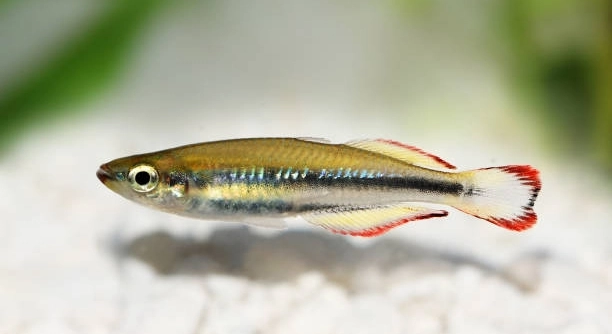
Rainbowfish are popular freshwater fish known for their vibrant colors and active swimming. Many aquarists enjoy observing how these fish interact with their environment and the way they move within their tanks.
Rainbowfish do exhibit preferences for specific tank zones. They often favor mid to upper levels, where light is more abundant and swimming space is open. These preferences can vary depending on species, tank setup, and social dynamics.
Understanding these behaviors can help you create a more comfortable and stimulating habitat. Observing their movements closely offers insights into their natural instincts and well-being.
Common Tank Zones Rainbowfish Use
Rainbowfish usually spend most of their time in the middle and upper areas of the tank. These zones offer them plenty of room to swim and interact with other fish. In contrast, the bottom zone tends to be less popular because it is darker and often crowded with decorations or substrate. Some species, like the Boesemani rainbowfish, show a strong preference for open swimming space and higher levels where light penetrates easily. Mid-level areas provide a balance of safety and visibility, allowing fish to monitor their surroundings while avoiding stress. Plants and floating decorations can influence where rainbowfish spend their time. Tanks with open areas at the top and middle allow them to display natural behaviors and vibrant colors. Providing hiding spots at mid and upper levels helps reduce aggression and supports social interactions. Observing these patterns can help you adjust your tank layout effectively.
Monitoring these preferred zones can improve overall fish health. Adjusting tank layout supports activity and comfort.
Positioning plants, rocks, and open swimming areas strategically ensures rainbowfish feel secure. Their movement patterns reflect natural instincts and social needs.
Factors Influencing Zone Preference
Lighting and water flow affect where rainbowfish spend most of their time.
Tank size, shape, and social structure play important roles in fish behavior. Smaller tanks may limit preferred zones, causing more interaction near the top or middle. Strong currents at the surface can make some fish avoid upper areas, while gentle flow encourages movement. Temperature gradients can also influence zone selection; warmer mid-level water is often favored. Additionally, the presence of other fish affects comfort levels, as dominant individuals may claim prime zones, pushing others to less preferred areas. Decorations and plants provide both shelter and exploration opportunities, influencing where rainbowfish swim throughout the day. Feeding schedules also impact movement, as fish may congregate in areas where food is consistently offered. By observing these factors, tank owners can create an environment that supports natural swimming habits, reduces stress, and encourages healthy coloration and social interaction. A balanced setup enhances the overall well-being of rainbowfish.
Creating Comfortable Zones
Providing open spaces in the middle and upper levels encourages rainbowfish to explore. Avoid overcrowding decorations at the top, and leave enough swimming room. Plants at mid-level offer shelter without blocking movement, creating a comfortable environment for natural behavior.
Open areas allow rainbowfish to move freely, while mid-level plants and hiding spots reduce stress. Avoid placing too many rocks or dense decorations in their favorite zones, as this can limit swimming space. Floating plants can diffuse light, making the top more appealing, and providing gentle cover helps shy individuals feel secure. Observing where fish spend time helps adjust tank layout effectively.
Adjusting tank structure gradually ensures fish adapt without stress. Combining open swimming space, mid-level plants, and subtle cover supports natural activity, social interaction, and well-being. Watching their behavior over time reveals which zones they prefer, guiding further improvements.
Observing Behavior Patterns
Noticing where rainbowfish gather helps identify preferred areas and potential stress points in the tank.
Rainbowfish often form loose schools in mid and upper zones, moving together while occasionally exploring lower areas. Differences in species, age, and personality affect their choices, with some showing curiosity near the surface and others preferring slightly shaded mid-level spots. Consistent observation helps recognize patterns, such as preferred hiding places or areas avoided due to strong currents or dominant tankmates. Behavior changes during feeding or when introducing new decorations provide additional insights into comfort and activity levels. Understanding these patterns supports better tank management and overall fish health.
Regularly tracking behavior over days and weeks allows you to detect subtle shifts in preferences. Adjusting tank setup to maintain favored zones encourages active swimming, reduces stress, and promotes natural interactions. By observing patterns carefully, you can identify environmental improvements, such as repositioning plants, adjusting water flow, or offering varied light exposure. Maintaining a balance of open space and secure cover keeps rainbowfish healthy and engaged, allowing their colors and personalities to flourish naturally in the aquarium.
Adjusting Tank Conditions
Temperature and water flow directly influence rainbowfish activity. Warmer mid-level water often attracts them, while strong currents at the top can push them lower. Small adjustments help create a comfortable environment for natural swimming patterns.
Light intensity also affects zone preference. Moderate lighting encourages activity in upper and middle areas, while overly bright or dim conditions can cause fish to stay hidden.
Social Dynamics
Dominance and group behavior impact zone selection. Rainbowfish in larger schools often occupy mid and upper levels, maintaining loose formations. Shyer or younger fish may spend more time near plants or decorations to feel secure. Observing these interactions helps balance the tank and reduces stress for all individuals.
Feeding Influence
Feeding locations shape swimming habits. Fish tend to gather where food is regularly offered, which may shift their preferred zones temporarily. Adjusting feeding points encourages exploration and keeps them active throughout the tank.
FAQ
Do rainbowfish always stay in the same zone?
Rainbowfish do not remain in a single zone constantly. They often move between middle and upper levels depending on light, water flow, and feeding times. While they show a preference for certain areas, they explore the tank to maintain social interactions and satisfy curiosity.
Can tank decorations change their preferred zones?
Yes, decorations significantly influence swimming patterns. Dense plants or rocks at the bottom can push fish to mid-level areas, while floating plants or open spaces at the top encourage upper-level activity. Rearranging the tank may temporarily shift their favorite zones as they adapt to the new layout.
How does tank size affect zone preference?
Smaller tanks limit swimming space, often forcing rainbowfish to occupy zones they might avoid in larger tanks. Larger tanks allow more freedom, supporting natural schooling, social interactions, and comfort across multiple zones. Mid to upper areas are generally preferred when space allows.
Do all species prefer the same zones?
No, species differences affect zone preference. Some species, like the Boesemani rainbowfish, favor open upper-level swimming, while others, such as the Turquoise rainbowfish, may spend more time in mid-level areas. Knowing the species’ natural habits helps in creating an ideal tank setup.
Does water flow change their location in the tank?
Yes, water flow impacts where rainbowfish feel comfortable. Strong currents near the surface may cause them to stay lower, while gentle flow encourages active swimming in upper and middle zones. Adjusting the filter or adding baffles can help balance flow for optimal comfort.
How does lighting influence their behavior?
Lighting plays a key role in zone selection. Bright light at the top may encourage fish to move slightly lower or seek shade under floating plants. Moderate, evenly distributed lighting supports natural behavior, helps show coloration, and encourages activity in preferred mid and upper levels.
Do rainbowfish hide when stressed, and where?
Stressed rainbowfish often retreat to sheltered areas, such as mid-level plants or under decorations. Stress can result from overcrowding, aggressive tankmates, sudden changes in water parameters, or poor lighting. Observing these hiding behaviors allows timely adjustments to improve comfort and reduce stress.
Can feeding patterns affect their preferred zones?
Feeding location strongly influences zone activity. Rainbowfish tend to gather in areas where food is consistently offered. Changing feeding spots encourages exploration, distributes activity throughout the tank, and prevents dominance by a single individual or group over prime zones.
Do rainbowfish show different zone preferences at night?
At night, rainbowfish usually move slower and seek shelter. They often rest near mid-level plants or decorations that provide cover while still allowing them to monitor surroundings. Nighttime behavior is more subdued but still reflects their preferred comfort zones and safety needs.
How do social interactions influence where they swim?
Social dynamics greatly impact zone selection. Dominant individuals may occupy the most favorable areas, while shy or younger fish adjust to less preferred zones. Ensuring sufficient open space and hiding spots allows all fish to coexist, maintaining natural behavior and minimizing aggression.
Is water temperature uniform across zones important?
Yes, even slight temperature differences can affect swimming patterns. Rainbowfish often favor mid-level areas where temperature is stable and comfortable. Sudden fluctuations can cause them to move frequently, increasing stress. Maintaining a consistent, suitable temperature ensures they utilize preferred zones naturally.
Can you encourage rainbowfish to use all tank zones?
Yes, using a mix of plants, open swimming space, gentle water flow, and varied feeding locations encourages movement throughout the tank. This supports activity, reduces stress, and promotes natural behaviors, helping them explore upper, middle, and lower areas comfortably.
Do rainbowfish prefer areas with other fish or solitude?
Rainbowfish are social and often prefer being near others, especially in mid and upper levels. However, shy individuals may spend more time in slightly secluded spots. Providing a balance of open areas and sheltered zones allows both social and solitary behaviors to occur naturally.
How can you tell if a zone is uncomfortable for rainbowfish?
Signs include avoidance of certain areas, excessive hiding, reduced swimming, or color dulling. Observing their daily patterns helps identify zones that may be too bright, crowded, or affected by strong currents, allowing adjustments to improve comfort.
Are there seasonal or environmental changes that affect zone preference?
Seasonal changes, such as temperature shifts or lighting variations, can temporarily influence where rainbowfish swim. Consistent monitoring and gradual adjustments help maintain preferred zones, ensuring they stay active and healthy despite changes in the environment.
Does tank depth matter for zone preference?
Yes, deeper tanks may encourage rainbowfish to occupy upper levels more, as they provide open swimming space and light access. Shallow tanks can limit vertical movement, sometimes concentrating activity in mid-level areas and affecting natural schooling behavior.
Can tankmates influence where rainbowfish swim?
Other fish species, especially aggressive or territorial ones, can push rainbowfish away from favored zones. Providing multiple swimming levels and hiding spots helps reduce conflicts, allowing rainbowfish to maintain their preferred mid and upper areas comfortably.
Is it normal for rainbowfish to change their preferred zone over time?
Yes, changes in age, size, social hierarchy, or tank setup can shift their preferences. Regular observation helps identify these adjustments, allowing owners to maintain an environment that meets the evolving needs of the fish.
How often should tank layout be adjusted to support zone preference?
Frequent, minor adjustments are better than large, sudden changes. Moving plants or decorations gradually allows rainbowfish to explore new areas without stress while maintaining comfort in their established zones.
What is the best way to monitor zone preference effectively?
Observe daily at different times, during feeding, and at night. Note where fish spend most time, how they interact, and any signs of stress. Recording patterns over weeks provides a clear understanding of preferred zones and informs adjustments to tank setup.
Can preferred zones affect breeding behavior?
Yes, mid and upper levels often provide optimal space and light for breeding displays. Ensuring these areas are open, calm, and minimally stressed encourages natural courtship and egg-laying behaviors. Providing suitable hiding spots in these zones supports fry survival.
Do rainbowfish need vertical or horizontal space more?
Both matter, but vertical space is especially important for species that prefer upper levels. Open water for vertical movement supports natural swimming patterns, while horizontal space allows schooling and social interaction, reducing stress and promoting health.
How long does it take for rainbowfish to settle into preferred zones?
Settling time varies by species and individual temperament. Typically, it can take days to a few weeks. Gradual acclimation, stable conditions, and observing behavior help ensure they establish comfort zones without stress.
Can you train rainbowfish to prefer certain zones?
Indirectly, yes. Consistent feeding locations, gentle water flow adjustments, and strategic plant placement encourage activity in targeted zones. Over time, fish learn where it is safe and rewarding to swim, shaping their preferred areas naturally.
Does stress affect their zone selection immediately?
Yes, stress often causes immediate movement to sheltered or less exposed areas. Sudden changes in water quality, aggressive tankmates, or bright lighting can push rainbowfish to retreat to mid-level plants or hidden spots until conditions stabilize.
How important is observing all tank zones regularly?
It is essential. Regular observation reveals shifts in preference, signs of stress, and social dynamics. Understanding these patterns allows timely adjustments to lighting, flow, decoration placement, and feeding, maintaining healthy and natural behavior across all zones.
What is the best combination of elements to encourage natural zone use?
A mix of open swimming space, moderate lighting, gentle water flow, mid-level plants, floating cover, and varied feeding locations encourages rainbowfish to use all zones. Observing their response ensures the setup supports comfort, activity, and social interactions effectively.
Are younger rainbowfish more adaptable to zone changes than adults?
Younger fish often explore more and adapt quickly to new layouts. Adults may be more cautious, maintaining established preferred zones. Gradual changes in tank setup help both age groups adjust comfortably, supporting natural behavior and reducing stress.
Do rainbowfish prefer certain zones during feeding vs. rest?
During feeding, they move actively toward food sources, often in mid to upper areas. During rest, they seek sheltered mid-level spots, balancing security with visibility. Recognizing these shifts helps optimize tank layout for both activity and relaxation.
Can temperature fluctuations cause long-term zone changes?
Yes, sustained temperature changes can make some areas less comfortable, pushing rainbowfish to adjust preferred zones permanently. Maintaining stable conditions ensures they remain active, healthy, and exhibit natural behaviors consistently.
Does water clarity influence zone preference?
Clear water encourages movement in upper and mid-level zones. Cloudy or dirty water can cause stress, prompting fish to stay closer to plants or decorations. Regular maintenance supports comfort and natural swimming patterns.
How do rainbowfish react to new decorations in preferred zones?
They often investigate cautiously. Gradual introduction allows exploration without stress. Sudden placement in favored areas may temporarily discourage use, but most fish adapt over time, resuming natural activity once comfortable.
Can aggressive species sharing the tank change rainbowfish zone preference permanently?
Yes, consistent aggression can push rainbowfish to less preferred zones. Providing multiple levels, hiding spots, and adequate space reduces conflict and allows rainbowfish to maintain comfort while coexisting with other species.
Is observing swimming height enough to understand zone preference?
Swimming height is a good indicator, but consider location relative to plants, decorations, tankmates, and feeding areas. Observing all factors together provides a complete picture of comfort, activity, and natural behavior.
Does group size affect zone use?
Yes, larger schools often spread across mid and upper levels, while smaller groups or single individuals may occupy narrower zones. Social interactions influence where each fish feels safe and comfortable.
How important is mid-level cover in preferred zones?
Mid-level cover is crucial for shy individuals or younger fish. Plants and decorations provide security, reduce stress, and allow exploration. Open swimming space combined with subtle cover encourages balanced zone use and natural behaviors.
Can zone preference indicate health issues?
Sudden shifts in zone preference, hiding more than usual, or avoidance of previously favored areas can signal stress, illness, or environmental problems. Monitoring behavior helps detect health concerns early, allowing timely intervention.
Do rainbowfish prefer certain zones based on age?
Younger fish may explore upper levels more actively, while older fish may favor familiar mid-level areas for security. Observing behavior by age group helps create a tank setup that accommodates all individuals comfortably.
How does feeding frequency impact zone activity?
Frequent, small feedings encourage movement throughout the tank and use of multiple zones. Irregular feeding may concentrate activity near a single area, affecting natural swimming patterns and social interactions.
Are vertical plants better than horizontal ones for zone preference?
Vertical plants provide cover without blocking open swimming areas, supporting mid and upper-level activity. Horizontal plants may limit movement if dense, affecting zone preference and overall comfort.
Do rainbowfish ever ignore their preferred zones?
Yes, disturbances, sudden water changes, or new tankmates can temporarily shift them. Most fish return once conditions stabilize, showing natural preference patterns once again.
Can you predict preferred zones for a new rainbowfish tank?
Species tendencies, tank setup, lighting, and water flow help predict likely preferred zones. Observation remains necessary to confirm comfort and adjust layout to meet individual fish needs.
How long should you observe before making adjustments?
Daily observation for at least one to two weeks provides reliable insight into zone preferences. Gradual adjustments ensure fish adapt comfortably, maintaining natural behavior and reducing stress.
Does tank depth or height matter more for schooling behavior?
Height matters more for vertical movement and comfort in upper zones. Sufficient vertical space supports schooling formations, while horizontal space allows social interaction without crowding. Both dimensions together create balanced tank conditions.
How can zone preference affect breeding success?
Open, comfortable mid and upper zones encourage natural displays, courtship, and egg-laying. Providing subtle cover and gentle conditions increases breeding success while reducing stress for both adults and fry.
Can multiple rainbowfish species share preferred zones peacefully?
Yes, if species have similar temperament and activity levels. Adequate space, open swimming areas, and hiding spots help prevent conflicts, allowing coexistence in shared mid and upper zones comfortably.
Does tank temperature layering matter for zone preference?
Yes, stable mid-level temperature encourages consistent use. Uneven heating can push fish to warmer or cooler zones, affecting activity and comfort. Maintaining even conditions ensures natural behavior and well-being.
How do you encourage shy rainbowfish to explore preferred zones?
Provide gentle water flow, mid-level plants for cover, and consistent feeding in open areas. Gradual exposure helps shy individuals gain confidence and explore zones they may initially avoid.
Can aggressive tankmates permanently displace rainbowfish from certain zones?
Persistent aggression may force rainbowfish to avoid prime zones. Providing multiple open areas, hiding spots, and social balance ensures all fish maintain access to comfortable zones.
How do you know if rainbowfish are fully comfortable in a zone?
Active swimming, vibrant coloration, social interaction, and minimal hiding indicate comfort. Consistent presence in mid and upper levels shows they have settled and are using preferred zones naturally.
Does water current direction matter for zone preference?
Yes, currents that push against swimming paths can discourage use of certain zones. Gentle, uniform flow encourages activity across preferred areas without causing stress.
Are preferred zones the same for all individuals in a group?
Not always. Dominant fish may occupy prime zones, while subordinate or shy fish choose less central areas. Providing multiple options ensures comfort for all group members.
Can lighting color or spectrum affect zone preference?
Yes, rainbowfish often respond to natural light or full-spectrum lighting. Bright white or overly cool tones may encourage hiding, while balanced lighting promotes activity in mid and upper levels.
Do rainbowfish prefer zones near the surface for oxygen?
Yes, upper levels often have higher oxygen levels, encouraging activity there. Still, adequate circulation ensures mid-level areas remain comfortable, supporting natural swimming and schooling behavior.
How important is observing both day and night behavior?
Observing both times gives a complete picture. Daytime reveals activity and feeding patterns, while nighttime shows resting preferences and comfort zones. Tracking both ensures tank adjustments meet overall needs.
Can changing preferred zones too often stress rainbowfish?
Yes, frequent sudden changes cause stress. Gradual adjustments in layout, lighting, or flow allow fish to adapt without disrupting established comfort zones.
Does plant density influence upper versus mid-level use?
Yes, dense mid-level plants encourage hiding and exploration, while sparse areas promote open swimming. Balancing density ensures fish can access both mid and upper zones comfortably.
Are upper-level open areas more important than bottom-level hiding spots?
Open upper-level areas are critical for active swimming and display of natural coloration, while bottom-level hiding spots support shy or resting individuals. Both are important, but upper-level openness encourages more visible activity and schooling behavior.
How does tank maintenance affect zone preference?
Clean water, consistent parameters, and proper filtration maintain comfort in all zones. Neglecting maintenance can push fish to limited areas, reducing activity and increasing stress.
Do rainbowfish prefer certain zones during acclimation?
During acclimation, they often stay near mid-level plants or decorations to feel secure. Gradually, they explore the full tank once comfortable, establishing their long-term preferred zones.
How do you balance zone preference for mixed species tanks?
Provide multiple open swimming areas, mid-level plants, and gentle water flow. Ensure enough space and hiding spots for all species to reduce competition and allow each to maintain preferred zones naturally.
Can feeding type influence preferred zones?
Yes, floating food encourages upper-level activity, while sinking food draws fish lower. Alternating feeding types supports exploration of all tank zones and natural foraging behavior.
Are preferred zones stable after months of observation?
Generally, yes, if conditions remain stable. Sudden environmental changes, new tankmates, or illness can shift preferences, but consistent care supports long-term comfort and natural swimming patterns.
Do rainbowfish use lower zones at all?
They do occasionally, especially for resting, foraging, or exploring, but mid and upper levels are preferred for swimming, social interaction, and display. Providing safe lower areas still benefits overall tank dynamics.
How does tank width affect zone preference?
Wider tanks allow more horizontal movement, supporting schooling and social behavior. Limited width may concentrate activity in fewer zones, impacting natural patterns and comfort.
Can seasonal lighting changes shift preferred zones?
Yes, brighter or longer daylight may encourage upper-level activity, while shorter or dimmer light can increase mid-level hiding. Gradual adjustments maintain comfort and natural behavior.
Does temperature consistency across zones reduce stress?
Absolutely. Stable temperature throughout the tank ensures fish can utilize preferred zones without discomfort, supporting activity, color display, and overall health.
Are mid-level zones more important than top zones for schooling?
Mid-level zones provide space for social interaction and coordination within schools. Top zones offer open swimming, but schooling often relies on comfortable mid-level space with sufficient visibility.
How do rainbowfish respond to water parameter changes in preferred zones?
Sudden changes in pH, hardness, or temperature can push fish away from affected areas. Maintaining stable conditions ensures consistent use of favored mid and upper zones.
Can overcrowding affect zone preference permanently?
Persistent overcrowding forces rainbowfish to occupy suboptimal zones, potentially causing stress and reduced activity. Adequate stocking and space prevent long-term displacement.
Does tank decoration style matter for zone preference?
Yes, vertical plants, open swimming paths, and floating cover create appealing zones. Dense or low-lying decorations may discourage use of preferred mid and upper areas.
Do rainbowfish interact differently with tankmates in preferred zones?
Yes, dominant or active individuals often occupy open mid and upper areas, influencing subordinate fish. Proper spacing and hiding spots maintain balance and reduce aggression.
How do you encourage even use of all tank zones?
Provide varied feeding locations, open swimming areas, gentle flow, and mid-level cover. Observing fish responses and gradual adjustments promote balanced exploration and comfort across all zones.
Are preferred zones linked to temperature, lighting, and social factors together?
Yes, all three interact. Ideal mid and upper zones combine comfortable temperature, moderate lighting, and safe social dynamics, supporting natural swimming, color display, and activity patterns.
Do rainbowfish prefer zones near filtration or aeration?
Moderate aeration may attract them, but strong flow can push them away. Adjusting filter output and positioning ensures comfort while maintaining water quality.
Can frequent observation alter behavior?
Minimal observation is fine. Excessive tapping or movement near the tank can cause stress, temporarily changing zone use. Calm, regular observation provides accurate insights without disruption.
Do rainbowfish prefer zones with or without plants?
They benefit from both. Open areas allow active swimming and display, while plants provide security. A balance ensures comfort, exploration, and natural behavior across all zones.
**How
Final Thoughts
Rainbowfish are active and social fish that show clear preferences for specific zones in the tank. Most species spend a majority of their time in mid and upper levels, where light is adequate, swimming space is open, and they can maintain social interactions with other fish. While they occasionally explore lower areas for resting or foraging, these zones are generally less preferred. Understanding their natural tendencies helps create a tank that meets both their physical and psychological needs. By observing how rainbowfish move through the tank, owners can adjust decorations, plants, and lighting to support comfortable and stress-free environments.
Tank setup plays a critical role in determining which zones rainbowfish will favor. Open spaces in the upper and middle levels encourage natural swimming behavior, while plants and decorations at mid-level provide shelter and security. Water flow and temperature must be consistent to avoid pushing fish into less preferred areas. Feeding routines also affect movement patterns, as fish often congregate in areas where food is offered. When multiple species share the tank, it is important to provide sufficient space and hiding spots to prevent conflicts. These considerations help maintain balance, reduce stress, and allow rainbowfish to display their vibrant colors and natural behaviors.
Observing rainbowfish regularly is essential to ensure they are comfortable in their environment. Monitoring zone preferences, social interactions, and reactions to changes in lighting or decorations provides insight into their well-being. Gradual adjustments to the tank setup allow fish to explore new areas without stress. Mid and upper zones remain central to activity and comfort, while lower areas serve secondary roles for resting or hiding. Consistency in water quality, temperature, and light creates a stable environment, promoting long-term health and happiness. By paying attention to their behavior and adjusting the tank accordingly, owners can support rainbowfish in thriving naturally, maintaining both their activity and social balance throughout the aquarium.

Hello,
If you enjoy the content that we create, please consider saying a "Thank You!" by leaving a tip.
Every little bit helps us continue crafting quality advice that supports the health, happiness, and well-being of pets around the world, for pets of all shapes, sizes, and species.
We really appreciate the kindness and support that you show us!