
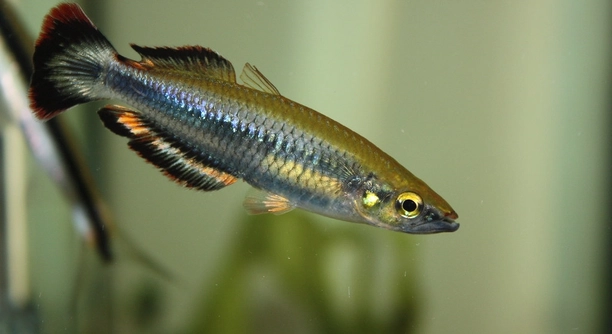
Rainbowfish are colorful, active fish that bring life to any aquarium. Observing their behavior can help you understand how comfortable they feel in their tank. Small changes in activity or appearance often indicate their wellbeing.
Rainbowfish that display vibrant colors, swim actively, interact with other fish, and eat regularly are likely comfortable in their environment. Signs of stress, such as hiding, clamped fins, or lethargy, suggest the tank conditions may need adjustment for optimal health.
Knowing these subtle cues can improve your fishkeeping skills and ensure your rainbowfish remain healthy and content in their aquatic home.
Understanding Rainbowfish Behavior
Rainbowfish are lively and social creatures, and observing their daily habits gives insight into their comfort level. When they swim in open areas, rather than staying near decorations or hiding spots, it often shows they feel secure. Regular swimming patterns and interaction with tank mates indicate a stable environment. Color is another important factor; bright, vivid colors suggest good health and low stress. In contrast, dull or faded tones may signal discomfort or poor water conditions. Eating habits also provide valuable information. Rainbowfish that eagerly accept food at regular intervals are generally content, while picky or reduced appetite can indicate stress. Fins should be spread naturally when swimming, not clamped against the body. Watching how they respond to changes, such as adding plants or rearranging decorations, helps you gauge adaptability. A tank with stable temperature, clean water, and enough space supports active and healthy behavior in rainbowfish, reflecting their overall wellbeing.
Observing small details daily makes it easier to notice shifts in behavior that require attention or adjustment.
Paying attention to swimming, eating, and coloring patterns over time will help maintain a balanced and suitable environment, ensuring your rainbowfish remain healthy.
Creating a Comfortable Tank Environment
A proper tank setup is essential for rainbowfish happiness. Plants, hiding spots, and open swimming space all contribute to a secure environment.
Maintaining stable water parameters is key. Rainbowfish prefer slightly alkaline water with temperatures between 24°C and 28°C. Regular water changes prevent the buildup of toxins and help maintain oxygen levels. Using a reliable filter reduces stress and ensures consistent water quality. Tank size also matters; overcrowded tanks increase aggression and stress, so allowing at least 10 gallons per fish is recommended. Lighting affects coloration and mood, with moderate, consistent lighting supporting natural behavior. Decorations and plants should mimic natural habitats while leaving open areas for swimming. Introducing tank mates with similar temperaments reduces conflict and encourages social interaction. Monitoring pH, temperature, and nitrate levels regularly ensures the environment remains optimal. Even small adjustments, like adding floating plants or rearranging hiding spots, can positively impact comfort. A well-maintained tank reduces stress, supports immune health, and promotes active, vibrant rainbowfish that display natural behaviors consistently.
Signs of a Happy Rainbowfish
Rainbowfish that swim actively, display bright colors, and interact with tank mates are showing contentment. They respond to feeding times eagerly and explore their environment, indicating they feel secure and comfortable in their tank setup.
Active swimming in open areas and natural schooling behavior are key indicators of a happy rainbowfish. When fish move fluidly, chase each other playfully, or hover in mid-water without hiding, it shows their environment meets their physical and social needs. Color vibrancy is another reliable signal; rich, saturated hues suggest good nutrition and low stress levels. Observing their reactions to minor changes, like decorations or new tank mates, also reveals adaptability. Fish that remain calm and continue normal routines after small disturbances are likely satisfied with their surroundings. Consistent feeding habits, natural fin movement, and social interactions all provide important insights into their wellbeing.
Monitoring their behavior over several days or weeks is essential, as sudden changes can reveal discomfort. Watching patterns carefully helps maintain a healthy and supportive tank environment for rainbowfish.
Common Stress Indicators
Clamped fins, hiding, or lethargy are clear signs that a rainbowfish may be stressed or uncomfortable in its tank.
Stress often occurs when water quality is poor, temperatures fluctuate, or tank space is insufficient. Rainbowfish may isolate themselves, stop eating, or show faded colors when stressed. Overcrowding or aggressive tank mates can also trigger anxiety, affecting their natural behavior and overall health. Fins that stay tightly pressed against the body or trembling movements are common signs of distress. Additionally, gasping at the water surface may indicate low oxygen levels, which can quickly become dangerous. Stress can suppress the immune system, making rainbowfish more susceptible to illness. Observing patterns over time, rather than reacting to a single behavior, is critical to accurately identify discomfort.
Addressing stress promptly through water changes, adjusting tank conditions, or removing aggressive companions can restore comfort. Regular monitoring and consistent care help rainbowfish regain their vibrant colors, active swimming, and healthy eating habits.
Feeding and Appetite
Rainbowfish that eat regularly and show interest in their food are generally comfortable in their tank. Loss of appetite often signals stress, illness, or unsuitable water conditions that need attention.
Providing a varied diet, including flakes, pellets, and occasional live or frozen foods, supports health. Monitoring how eagerly they eat helps track wellbeing.
Interactions with Tank Mates
Peaceful schooling behavior and gentle social interaction indicate that rainbowfish feel secure. Aggression or constant hiding suggests compatibility issues or stress. Observing their relationships can guide adjustments in tank population or arrangement.
Water Quality Checks
Clear water, stable temperature, and balanced pH levels are essential for rainbowfish comfort. Poor conditions directly impact behavior, color, and overall health, making regular monitoring critical.
Observing Color Changes
Sudden fading or dulling of colors can indicate stress or illness. Consistent vibrancy generally reflects proper nutrition, low stress, and a suitable tank environment.
FAQ
How can I tell if my rainbowfish is stressed?
Stress in rainbowfish often shows through changes in behavior or appearance. Common signs include hiding, clamped fins, reduced activity, or loss of appetite. Faded colors or erratic swimming may also indicate discomfort. Monitoring these patterns over time helps identify stress early, allowing adjustments in water quality, tank setup, or social environment.
What are the most important water parameters for rainbowfish?
Rainbowfish thrive in slightly alkaline water with a pH between 7.0 and 8.0. Temperature should remain stable between 24°C and 28°C. Regular testing for ammonia, nitrite, and nitrate levels is essential, as spikes can cause stress or illness. Proper filtration, regular water changes, and consistent monitoring ensure a healthy tank environment.
How much space do rainbowfish need?
Tank size directly affects rainbowfish comfort and stress levels. A minimum of 10 gallons per fish is recommended to provide enough swimming space and reduce aggression. Overcrowding can lead to fin damage, stress, and weakened immune systems. Including hiding spots and open swimming areas helps balance their environment.
What foods are best for rainbowfish?
A varied diet keeps rainbowfish healthy and colorful. High-quality flakes or pellets should form the base of their diet, supplemented with live or frozen foods like brine shrimp, daphnia, or bloodworms. Occasional plant matter supports digestion. Feeding small amounts multiple times a day encourages natural behavior and reduces waste buildup in the tank.
How do I know if my rainbowfish likes its tank?
Active swimming, bright coloration, and regular feeding are clear signs of a happy rainbowfish. Social interactions with tank mates, curiosity, and exploration of the tank also reflect comfort. Observing these behaviors consistently helps confirm that the environment is suitable and supportive of their wellbeing.
Can tank mates affect rainbowfish happiness?
Yes, the choice of tank mates significantly impacts rainbowfish behavior. Peaceful, similar-sized fish usually coexist well, while aggressive or territorial species can cause stress. Monitoring interactions is essential, and adjustments may be needed if hiding, chasing, or fin nipping occurs frequently.
How often should I clean the tank for rainbowfish?
Regular maintenance is crucial. Partial water changes of 20-25% weekly help maintain water quality. Cleaning the substrate and filter removes debris and excess waste, preventing ammonia and nitrate buildup. Consistency in maintenance supports overall health, reduces stress, and helps rainbowfish display natural, vibrant behavior.
What should I do if my rainbowfish loses color?
Color loss can indicate stress, poor water quality, or inadequate nutrition. Check water parameters and ensure the diet is balanced. Observe for illness or aggression. Small adjustments, like improving filtration, adding hiding spots, or supplementing food with color-enhancing nutrients, can restore vibrancy.
How can I encourage rainbowfish to school naturally?
Providing enough space, proper tank size, and compatible tank mates encourages schooling. Rainbowfish feel safer and more confident in groups of at least six. Open swimming areas combined with scattered plants or decorations allow natural movement patterns and reduce stress, promoting vibrant colors and active behavior.
Are there seasonal changes that affect rainbowfish behavior?
Rainbowfish can react to changes in lighting and temperature. Sudden fluctuations may stress them, while consistent lighting cycles support natural activity. Seasonal shifts in water temperature should be gradual, and monitoring feeding behavior during these changes helps maintain stability and comfort in the tank.
How do I spot early signs of illness?
Early signs include unusual swimming, clamped fins, reduced appetite, faded colors, or visible spots or lesions. Acting quickly by checking water parameters, isolating affected fish if necessary, and consulting treatment options can prevent further complications and improve recovery chances.
Can adding decorations affect rainbowfish happiness?
Yes, decorations provide hiding spots and structure for exploration. Plants, rocks, and gentle caves reduce stress and allow rainbowfish to exhibit natural behaviors. Open swimming areas must remain accessible, balancing enrichment with enough space for movement and social interaction.
How important is lighting for rainbowfish?
Lighting influences coloration and behavior. Moderate, consistent lighting encourages vibrant colors and natural activity patterns. Too bright or inconsistent lighting can stress rainbowfish, causing hiding or color fading. Adjusting light duration to mimic natural day-night cycles helps maintain comfort and health.
How do I encourage shy rainbowfish to explore?
Shy fish benefit from gradual acclimation and gentle interaction. Placing plants or decorations strategically offers hiding spots while encouraging exploration. Maintaining stable water conditions, feeding at predictable times, and avoiding sudden disturbances helps shy rainbowfish gain confidence and display natural behavior over time.
What is the best way to introduce new rainbowfish to a tank?
Quarantine new fish for at least two weeks to prevent disease spread. Introduce them slowly, observing interactions with existing fish. Rearranging decorations before adding newcomers can reduce territorial behavior. Gradual acclimation to water temperature and conditions minimizes stress and supports smooth integration.
This FAQ provides practical guidance for observing and supporting rainbowfish comfort, health, and happiness in a home aquarium. Paying attention to behavior, water quality, diet, and social interactions ensures a thriving, vibrant environment.
Rainbowfish are lively, colorful fish that respond clearly to their environment, making it possible to tell when they are happy or stressed. Paying attention to their swimming patterns, interactions with tank mates, appetite, and overall color gives a clear picture of how comfortable they are. When rainbowfish swim actively in open areas, display vibrant hues, and engage with other fish, it shows they feel safe and secure. On the other hand, behaviors like hiding, clamped fins, or lethargy often signal stress or discomfort. Watching these behaviors consistently over time is key, as sudden changes are usually more important than isolated incidents. Regular observation becomes easier once you know what normal behavior looks like for your fish.
Maintaining a proper tank environment is essential for rainbowfish wellbeing. Water quality, temperature, pH balance, and oxygen levels all directly affect how they behave. A tank that is kept clean with regular water changes, a reliable filter, and stable conditions reduces stress and supports immune health. Providing enough space, open swimming areas, and hiding spots ensures that rainbowfish can express natural behaviors without feeling threatened. Tank mates also play a role; choosing compatible, peaceful species helps prevent aggression and tension in the tank. Even small adjustments, like rearranging plants or adding gentle lighting, can improve comfort and encourage activity. A balanced diet of high-quality flakes, pellets, and occasional live or frozen foods supports coloration, energy levels, and overall health.
Observing rainbowfish closely, maintaining proper tank conditions, and offering a balanced diet are simple yet effective ways to ensure they thrive. By understanding their behavior, you can identify signs of stress early and make timely adjustments. The effort put into monitoring water quality, feeding habits, and social dynamics pays off with active, colorful, and healthy fish. Consistency is important; rainbowfish respond best to a stable, well-maintained environment. Even small improvements in care, like introducing new hiding spots or monitoring temperature changes carefully, can make a noticeable difference in their behavior and overall wellbeing. Creating a comfortable tank is not complicated, but it does require attention and patience. Over time, observing your rainbowfish and responding to their needs helps them flourish, making the aquarium a more enjoyable and harmonious space.

Hello,
If you enjoy the content that we create, please consider saying a "Thank You!" by leaving a tip.
Every little bit helps us continue crafting quality advice that supports the health, happiness, and well-being of pets around the world, for pets of all shapes, sizes, and species.
We really appreciate the kindness and support that you show us!