
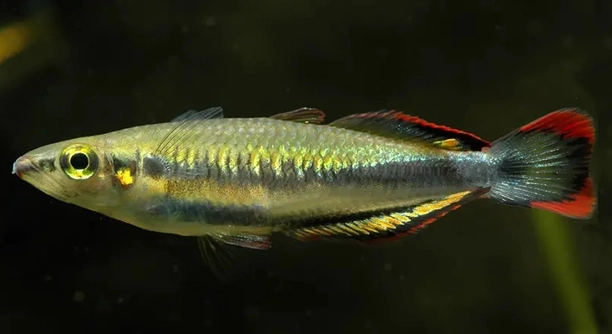
Rainbowfish are lively and colorful additions to any home aquarium. Watching them interact can be fascinating, but sometimes their social structure can be subtle and easy to miss. Understanding these behaviors helps maintain a harmonious tank.
Rainbowfish establish clear hierarchies through consistent displays of dominance and submission. Observing body posture, chasing behavior, and territory occupation allows owners to identify social ranks, ensuring a balanced environment that reduces stress and supports natural interactions within the aquarium.
Recognizing these patterns will help you create a calmer and more organized tank for your rainbowfish. Learning their social cues is key to maintaining harmony.
Observing Body Postures
Rainbowfish use subtle body language to communicate their place in the tank hierarchy. Dominant fish often hold their fins erect and swim with confidence, appearing larger and more imposing to others. Submissive fish tend to flatten their bodies, keep fins close, and avoid direct eye contact. These signals can be easy to miss if you are not paying close attention, but over time patterns become clearer. Watching them during feeding times or when new decorations are added often reveals the pecking order. Dominant fish may patrol their preferred areas or hover near food sources, while lower-ranking fish wait on the edges. It is common for multiple rainbowfish to display dominance behaviors at once, leading to short bursts of chasing or minor skirmishes. These moments are normal, as long as the aggressive displays do not result in injury. Learning to read these body postures will make managing the tank much easier.
Recognizing body postures is the first step to understanding rainbowfish social structure. Subtle changes in movement reveal confidence and submission.
Paying attention to posture helps prevent stress-related issues in the tank. When dominant fish are too aggressive, you can adjust feeding routines or rearrange decorations to reduce conflicts and support the wellbeing of all rainbowfish.
Chasing and Territory
Chasing is one of the most obvious signs of hierarchy in a rainbowfish tank. Dominant fish often pursue lower-ranking individuals to reinforce their status or protect preferred areas.
Chasing behavior is not always harmful, but it indicates clear social ranks. Dominant fish mark territory around decorations, plants, or open swimming space, while submissive fish often retreat to corners or near plants. Over time, patterns emerge where certain fish repeatedly assert control over specific areas. Chasing may increase during feeding or when water conditions change, as competition intensifies. Observing who initiates and who retreats helps in identifying hierarchy levels. In larger groups, multiple layers of dominance can exist, with some fish temporarily challenging higher-ranking individuals. Maintaining enough hiding spots and open swimming areas can minimize stress from chasing while allowing natural behaviors. Understanding territorial behavior provides insight into feeding dynamics and social balance, helping ensure all fish receive adequate space and resources. Proper management of chasing and territory helps maintain a peaceful, healthy aquarium.
Feeding Order
Dominant rainbowfish often eat first, leaving submissive fish to wait. Observing who approaches the food first can reveal the social ranking clearly.
During feeding times, hierarchy becomes obvious as dominant fish swim quickly to the food, often nudging others aside. Submissive fish hang back or wait for scraps, avoiding conflict. This behavior is consistent and can help identify the top-ranking individuals in your tank. Ensuring there is enough food for all fish reduces stress and prevents lower-ranking fish from losing too much weight. Adjusting feeding methods, like spreading food across multiple areas, can help balance access and keep everyone healthy. Watching these patterns regularly provides insight into both social structure and dietary needs.
Managing feeding order also helps prevent bullying. Dominant fish can become overly aggressive if lower-ranking fish are repeatedly blocked. Providing multiple feeding spots or hand-feeding in different areas can give all rainbowfish fair access to food. This small adjustment supports a more peaceful environment and ensures all fish thrive, maintaining both health and harmony within the tank.
Color Displays
Rainbowfish often use color intensity to show dominance. Brighter colors typically indicate higher rank, while duller shades reflect submission. Observing changes in hue can help identify shifts in social structure.
Color changes are most visible during confrontations or mating displays. Dominant fish often intensify their colors when asserting control, while subordinate fish may fade or hide. Stress, diet, or lighting conditions can also affect coloration, so it is important to monitor consistently. Bright, vibrant fish usually command more attention and secure preferred spaces in the tank, while duller individuals often avoid conflict. Recognizing these patterns helps maintain balance, allowing you to identify potential issues early. By providing proper nutrition and lighting, you can support natural color expression, making hierarchy signals easier to read.
Consistent observation of color changes provides a non-invasive way to monitor hierarchy and wellbeing. Understanding these displays helps prevent unnecessary stress and allows for adjustments to tank conditions, supporting both social order and individual health among rainbowfish.
Hiding Spots
Submissive rainbowfish often retreat to plants or decorations to avoid conflict. These hiding spots are essential for maintaining a peaceful tank and preventing stress-related behaviors.
Providing plenty of cover allows lower-ranking fish to rest and eat without being chased. It reduces tension and helps maintain harmony in the tank.
Breeding Behavior
During breeding, dominant males often display more vivid colors and chase rivals away from preferred spawning areas. Submissive males stay back, waiting for opportunities. Observing these behaviors can reveal the hierarchy clearly, as dominant males control access to females and the best locations.
Interaction with Tank Mates
Rainbowfish hierarchy affects interactions with other species. Submissive fish may avoid more aggressive tank mates, while dominant individuals assert themselves more confidently. Understanding these interactions helps manage a balanced community tank.
How can I tell which rainbowfish is dominant?
Dominant rainbowfish are usually bolder, swim confidently around the tank, and often take the lead during feeding or chasing other fish. They display erect fins, brighter colors, and occupy preferred areas like open swimming space or favorite hiding spots. Watching these behaviors over time helps identify the top-ranking fish reliably.
Why do some rainbowfish chase others?
Chasing is a natural behavior linked to hierarchy and territory. Dominant fish chase lower-ranking individuals to reinforce their position and protect resources. These chases are usually short and rarely injure the fish if the tank has enough space and hiding spots. Observing who chases and who retreats gives insight into social order.
What does body posture reveal about hierarchy?
Posture signals confidence and submission. Dominant fish often hold their bodies straight, fins extended, and swim boldly. Submissive fish flatten their bodies, keep fins close, and avoid eye contact. Noticing these subtle cues helps you understand the tank’s social structure and can prevent stress or bullying.
How does feeding order reflect social rank?
Rainbowfish follow a clear feeding hierarchy. Dominant fish eat first, while submissive fish wait or take scraps. Spreading food in multiple locations reduces competition and ensures all fish get enough nutrition. Observing feeding patterns regularly helps identify hierarchy and manage tank harmony effectively.
Do rainbowfish change hierarchy over time?
Yes, hierarchy can shift as fish grow, age, or if new individuals are added. Dominant fish may lose rank, and lower-ranking fish can rise over time. Monitoring color, posture, and behavior ensures the tank remains balanced, and adjustments to tank layout or feeding can reduce conflicts.
Can tank size affect hierarchy?
Tank size impacts social dynamics. Smaller tanks can intensify competition, increasing stress and aggression. Larger tanks provide space for hiding and reduce constant encounters. Ensuring enough territory for each fish is crucial to maintain natural behaviors and prevent excessive dominance struggles.
Why do submissive fish hide so much?
Submissive fish hide to avoid confrontation and stress. Hiding allows them to rest, eat safely, and recover from aggressive interactions. Providing plants, rocks, and decorations creates a safe environment, ensuring lower-ranking fish remain healthy and active without constant pressure from dominant individuals.
How do color changes indicate rank?
Dominant rainbowfish often display brighter, more vibrant colors, while subordinate fish appear duller. Color changes can reflect stress, mood, or social position. Regular observation helps identify shifts in hierarchy, stress levels, or health issues, allowing for timely adjustments to care or tank conditions.
What steps can I take if aggression increases?
If aggression becomes excessive, increasing hiding spots, rearranging decorations, or providing multiple feeding areas helps reduce tension. In some cases, separating overly aggressive individuals may be necessary. Consistent observation and proactive management maintain a balanced and healthy environment for all rainbowfish.
Can adding new fish disrupt hierarchy?
Introducing new rainbowfish can temporarily upset the established order. New fish may challenge existing ranks, leading to increased chasing and displays. Monitoring interactions, providing extra hiding spots, and adding fish gradually can minimize stress and allow the hierarchy to stabilize naturally over time.
How often should I monitor hierarchy?
Frequent observation is important, especially during feeding, breeding, or when changes occur in the tank. Daily or regular checks allow you to spot conflicts, stress, or health issues early. Understanding hierarchy ensures proper care and helps maintain a peaceful, thriving aquarium environment for all rainbowfish.
Does hierarchy affect overall health?
Yes, hierarchy impacts access to food, space, and shelter. Submissive fish may experience stress or reduced nutrition if dominance issues are ignored. Recognizing and managing hierarchy through observation, tank layout, and feeding strategies supports both social balance and the physical well-being of every fish.
How can I encourage harmony among rainbowfish?
Providing sufficient space, multiple feeding locations, hiding spots, and consistent observation encourages balanced interactions. Avoid sudden changes, overstocking, or adding aggressive species. Supporting natural behavior while managing stressors creates a healthier, more stable tank where rainbowfish can thrive together.
What is the best way to document hierarchy?
Keeping a simple log of observations, including chasing incidents, feeding order, and color changes, helps track hierarchy over time. Noting patterns allows you to anticipate conflicts, adjust tank conditions, and maintain a harmonious environment for both dominant and submissive fish.
How do environmental changes affect social structure?
Changes in water temperature, lighting, decorations, or tank mates can disrupt hierarchy temporarily. Dominant fish may become more aggressive, and submissive fish may hide more often. Gradual changes and monitoring behavior minimize stress, allowing fish to adapt while preserving social balance naturally.
Rainbowfish are fascinating to watch because their social behaviors are so clear once you know what to look for. Understanding hierarchy in a tank is not just about noticing which fish is dominant; it is about observing how all the fish interact and respond to each other. Dominant fish will often swim confidently, display brighter colors, and take the best spots in the tank, while submissive fish retreat, hide, and wait for opportunities. These interactions are natural and help establish order within the group. When hierarchy is respected, the tank runs more smoothly, stress is reduced, and the fish are generally healthier. Watching for body posture, chasing behaviors, feeding patterns, and color changes will give you a strong sense of which fish hold higher ranks and which are lower in the pecking order.
Creating a balanced environment is essential to maintaining peace among rainbowfish. Providing plenty of space, hiding spots, and multiple feeding areas helps reduce conflict and allows all fish to thrive. Even small tanks can support healthy social interactions if the layout includes plants, rocks, and open swimming areas that cater to the needs of both dominant and submissive fish. Feeding strategies also play a key role; distributing food across different areas ensures that lower-ranking fish get enough nutrition and that dominant fish do not monopolize resources. Paying attention to the subtle changes in behavior or coloration can also alert you to stress or shifting dynamics. By observing regularly, you can make small adjustments before problems escalate, helping maintain harmony and a healthy atmosphere for every rainbowfish in the tank.
Hierarchy is not static, and it may shift over time as fish grow, age, or new individuals are added. Changes in water conditions, tank mates, or decorations can also influence social dynamics. Recognizing this allows you to respond appropriately, whether that means adding hiding spaces, rearranging the tank, or monitoring feeding to prevent bullying. Submissive fish will benefit from these interventions, and dominant fish will maintain their natural behaviors without harming others. Overall, paying attention to rainbowfish hierarchy is about understanding their natural instincts and providing an environment where all fish can coexist comfortably. Consistent observation, careful tank management, and an understanding of social cues make it possible to enjoy a peaceful, vibrant, and active aquarium where rainbowfish display their full range of behaviors and colors naturally.

Hello,
If you enjoy the content that we create, please consider saying a "Thank You!" by leaving a tip.
Every little bit helps us continue crafting quality advice that supports the health, happiness, and well-being of pets around the world, for pets of all shapes, sizes, and species.
We really appreciate the kindness and support that you show us!