
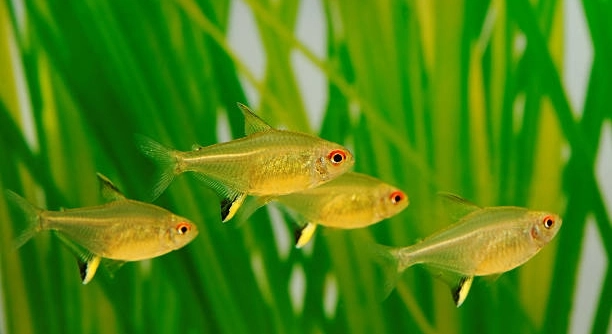
Have you ever noticed how lemon tetras change as they grow, showing different habits and reactions in the tank, making their behavior shift in small yet interesting ways that can catch your attention during care.
The behavioral differences between young and old lemon tetras arise from developmental changes that affect activity levels, social patterns, feeding responses, sensitivity to surroundings, creating distinct behavioral profiles that become more noticeable as the fish mature in an aquatic environment.
These shifting behaviors offer a look at how growth shapes their daily patterns, guiding you toward insights in the article.
Activity Levels
Young lemon tetras move with quick, constant energy, filling the tank with steady motion. Their small bodies respond sharply to shifts in light, gentle water flow, and simple changes in their surroundings. Older lemon tetras act with slower, controlled motions that show a more measured rhythm. Their swimming becomes easier to predict, and they conserve energy when possible. This contrast is easy to notice when both age groups share the same tank. The younger ones dart around plants and decor, while the older ones choose steady paths and calm pacing. These differences help you understand how age shapes daily behavior and overall comfort in the aquarium. Watching these patterns develop can guide your care choices and help you set up the tank so both young and older fish stay comfortable and healthy at every stage of life.
Young lemon tetras stay alert and active throughout most of the day, while older ones settle into gentler routines that reduce quick bursts of movement as they age.
Seeing this change in activity can help you spot shifts early, giving you a better view of how your fish adapt as they grow older and their needs shift over time.
Feeding Behavior
Young lemon tetras eat with fast reactions, rushing toward food as soon as it enters the tank. Their movements are sharp, and they often compete for each bite. Older lemon tetras take a calmer approach, moving steadily toward the food and avoiding sudden bursts. This change can be seen most clearly during group feedings, where younger fish crowd together and create quick splashes near the surface. Their eagerness can sometimes overshadow the older ones, who choose to wait for sinking pieces or slower moments. Understanding this difference helps you adjust feeding routines. You can spread the food across a wider area or offer a mix of floating and sinking options so every fish gets a fair share. With age, digestion also becomes more delicate, which makes steady feeding patterns more important. Paying attention to these habits supports the overall comfort of both young and older lemon tetras in your care.
Social Interaction
Young lemon tetras interact in quick bursts, forming loose groups that shift often, while older ones settle into stable patterns. Their movements reflect confidence shaped by age, creating clear contrasts that show how social habits evolve as their bodies and reactions change within the shared space of the aquarium environment.
Young lemon tetras often cluster near open areas, shifting direction together with fast, unpredictable turns that reflect their heightened awareness. Older lemon tetras behave with more consistent patterns, choosing calmer routes and avoiding chaotic movements. These differences become more noticeable during group interactions, where younger fish react quickly to small changes while older ones stay composed. Their contrasting styles create a dynamic balance in the tank, helping you understand how age shapes communication, spacing, and comfort. Observing these patterns allows you to support both age groups by arranging plants, hiding spots, and open spaces in ways that match their needs.
Young lemon tetras show stronger exploratory behavior, weaving through plants and decorations with constant shifts in direction. Older lemon tetras move with more intention, favoring familiar routes and predictable areas. This contrast becomes clear when both age groups share the same setup, revealing distinct comfort zones shaped by age and experience. Younger fish often investigate new objects immediately, while older ones take longer to respond. These habits influence tank layout, helping you understand where to place shelter, open swimming zones, and gentle lighting. Adjusting these elements supports balanced behavior, making the aquarium comfortable for both energetic youngsters and calmer adults.
Response to Stress
Young lemon tetras react to stress with sudden bursts of movement, often scattering quickly when startled. Older tetras respond in slower, more measured ways, choosing to retreat calmly rather than dart across the tank. These differences help you notice shifts that may signal discomfort or environmental issues. Observing how each age group responds allows you to adjust lighting, sounds, and water flow, keeping the tank peaceful and supportive for every fish in your daily care.
Young lemon tetras tend to startle easily, reacting to sudden shadows, quick hand movements, or shifting reflections on the glass. Their responses are sharp and immediate, showing how sensitive they are to unfamiliar changes. Older lemon tetras handle stress with steadier reactions, pausing before moving away and choosing calmer hiding spots. These contrasting behaviors help you understand what each age group needs to stay comfortable. Keeping the environment stable, reducing loud noises, and avoiding abrupt changes in lighting can ease tension for both young and older fish. Adding plants, soft décor, and shaded areas supports natural retreat spaces, giving your tetras clear zones where they feel secure. By noticing these small signs, you can create a softer, more predictable setting that keeps stress levels low.
Sensitivity to Water Changes
Young lemon tetras react quickly to small shifts in temperature or water chemistry, showing sharper changes in movement and color. Older ones stay calmer, adjusting at a slower pace that reflects their steady habits and stronger tolerance for mild fluctuations in their surroundings.
Young tetras often display brief pacing or quick grouping near the middle of the tank when conditions shift. Older tetras remain composed, choosing gentle movements that signal measured adaptation. These differences help you notice when adjustments need to be made to keep both age groups stable.
Territorial Tendencies
Older lemon tetras show clearer territorial patterns, selecting specific areas they return to often and guarding them with subtle shifts in posture. Young tetras move without fixed preferences, drifting through the tank with less concern for personal space. Recognizing these habits helps you arrange the tank so each age group feels secure. Adding plants, broad leaf structures, and shaded areas creates separation that reduces tension and supports calm interactions among all fish.
Reaction to Tank Mates
Young lemon tetras approach new tank mates with constant motion and quick interest, while older ones observe from a distance before interacting. These differences help you notice how comfort levels shift as they mature.
How do I tell the difference between young and old lemon tetras?
Young lemon tetras are smaller, more active, and swim in quick, erratic bursts. Their colors are often less vivid than older tetras, showing softer yellow tones. Older tetras are larger, move more steadily, and display brighter, more intense coloration. Their behavior is calmer, and they often stick to familiar areas in the tank. Observing these traits over several days will make the differences clearer, as age affects both physical appearance and daily patterns.
Do older lemon tetras need different care than younger ones?
Yes, older lemon tetras benefit from calmer routines and stable tank conditions. They digest food more slowly and prefer steady feeding schedules, while younger tetras can handle more frequent, energetic feedings. Water flow should be moderate for adults, while juveniles can tolerate faster currents. Providing both open swimming space and areas with shelter accommodates each group’s comfort and reduces stress.
Can young and old lemon tetras live together?
Absolutely. Mixing age groups is common, but you should account for activity differences. Young tetras may dart around and crowd food, which can stress older fish. Spreading food evenly and including multiple hiding spots ensures all fish feel secure. Observing interactions is important, as older fish may develop small territories while younger ones explore constantly. Arranging plants and décor thoughtfully allows both age groups to coexist without tension.
Why do young lemon tetras seem more nervous?
Young lemon tetras are naturally more sensitive to changes in light, water, and movements outside the tank. Their nervous behavior is a survival instinct that fades as they mature. Older tetras are more confident, showing calmer reactions to disturbances. Reducing sudden changes, providing shaded areas, and keeping a predictable feeding routine helps younger tetras feel safer and more settled.
What feeding differences should I consider?
Young lemon tetras eat quickly and aggressively, often competing with each other at the surface. Older tetras approach food more slowly, preferring calm access. Offering a mix of floating and sinking foods helps balance the needs of both age groups. Splitting feeding areas and spreading food over a wider space ensures everyone gets enough nutrition without creating stress or dominance conflicts.
Do older lemon tetras swim differently?
Yes, older lemon tetras swim in a controlled, steady manner, often sticking to familiar areas. Young tetras move unpredictably, exploring new parts of the tank constantly. The contrast is most noticeable in tanks with multiple decorations or plants. Recognizing these swimming patterns helps you design an environment that accommodates both energetic and calm swimmers, ensuring everyone has space to move comfortably.
How do lemon tetras handle stress as they age?
Younger lemon tetras react quickly to stress, scattering or darting across the tank. Older tetras respond with slower, more deliberate movements, often retreating to a safe spot. Both age groups benefit from stable water conditions, consistent lighting, and gentle handling. Adding hiding spots and soft décor allows stressed fish to recover without being disturbed by tankmates.
Are there signs of aging I should watch for?
Older lemon tetras may show slower movements, less exploration, and slight fading in color if health declines. Their social patterns can become more territorial or selective. Monitoring these changes allows you to adjust care, including feeding routines and water conditions, to support their well-being and extend a comfortable, healthy life in the tank.
Can tank size affect behavior differences?
Tank size plays a major role. Young lemon tetras need space to dart and explore, while older tetras prefer areas to swim steadily and establish territories. Overcrowding can increase stress, especially for older fish. A well-planned layout with plants, open zones, and shaded corners balances the needs of both age groups, promoting natural behavior and reducing conflicts.
Should I change water parameters for age differences?
Stable parameters are key for all lemon tetras, but small adjustments may help older fish. Temperature and pH should remain consistent, while gentle water flow suits adults better. Young tetras tolerate slightly more variation due to their activity levels. Watching how each age group responds ensures water conditions meet both energetic juveniles and calmer adults.
Lemon tetras are small fish, but their behavior can show a lot about age and experience. Young lemon tetras are lively and curious, moving quickly through the tank and exploring every corner. Their swimming patterns are often unpredictable, and they tend to react sharply to changes in their environment. These traits make them fascinating to watch, but they also mean they require careful observation to ensure they remain healthy. Feeding young tetras can be a bit hectic, as they often rush toward food and compete with each other. Their sensitivity to water changes or disturbances also makes it important to maintain a stable tank environment. By understanding how these fish behave at a young age, it becomes easier to meet their needs and support their growth. Watching them navigate the tank provides insight into how energy and activity shift over time as they develop.
Older lemon tetras behave differently from their younger counterparts, showing calmer, more predictable patterns in swimming and feeding. They often choose specific areas of the tank and may establish small territories, especially around plants or hiding spots. Their movements are slower and deliberate, reflecting a level of confidence that comes with age. Feeding routines for older tetras should be steady and gentle, as they are less likely to compete aggressively for food. Observing older fish can help caretakers spot subtle changes in health or behavior early, such as slower swimming or shifts in coloration. These signs are important to notice, as they guide adjustments in care that maintain comfort and well-being. By providing open swimming spaces, shaded areas, and moderate water flow, older lemon tetras can remain active and healthy while enjoying a calm, structured environment.
Understanding the differences between young and old lemon tetras is useful for anyone maintaining a mixed-age tank. Both age groups benefit from careful attention to feeding, space, and water quality, but their needs vary in timing, energy, and reactions. Young tetras thrive on exploration and higher activity levels, while older tetras require predictability and calm conditions to stay comfortable. Designing a tank that supports both groups means arranging plants, decorations, and open areas strategically so each fish has a place to swim freely or retreat when needed. Monitoring interactions, feeding habits, and stress responses allows caretakers to provide a balanced environment that encourages natural behavior. Recognizing these differences also makes caring for lemon tetras more rewarding, as each stage of life offers a unique view of their personalities and patterns. Observing both energetic juveniles and steady adults helps build understanding of their development and ensures a healthy, harmonious tank for all the fish.

Hello,
If you enjoy the content that we create, please consider saying a "Thank You!" by leaving a tip.
Every little bit helps us continue crafting quality advice that supports the health, happiness, and well-being of pets around the world, for pets of all shapes, sizes, and species.
We really appreciate the kindness and support that you show us!