
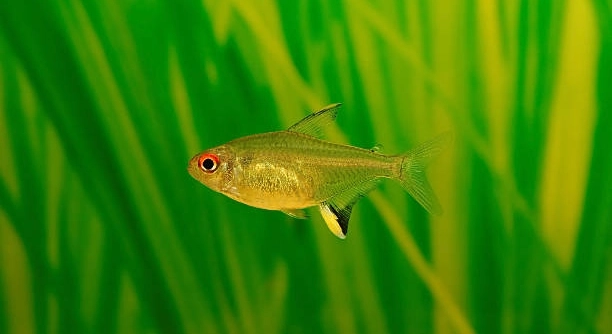
Lemon Tetras are small, colorful fish that brighten home aquariums. Their behavior often changes depending on the environment around them, including the type of substrate at the bottom of their tank. Observing these reactions can be interesting.
Lemon Tetras display seven distinct responses to different substrates, including changes in swimming patterns, coloration, foraging behavior, resting habits, shoaling tendencies, stress levels, and breeding readiness. Each substrate type influences these behaviors in measurable ways.
Recognizing these reactions can help create a healthier, more comfortable environment for your fish and improve overall aquarium management.
Swimming Patterns
Lemon Tetras adjust their swimming based on the substrate they are over. On dark substrates, they tend to swim closer to the bottom and appear more relaxed, while on light-colored substrates, they often stay mid-tank and move more quickly. These changes are linked to their natural instincts, as darker bottoms mimic safe, shadowed areas found in rivers and streams. When the substrate is coarse or uneven, their swimming becomes more cautious, with short bursts of movement rather than smooth gliding. Smooth, sandy bottoms allow for consistent, even swimming across the tank, encouraging exploration. Some Lemon Tetras also display group coordination differently depending on the substrate, clustering tightly on unfamiliar textures and spreading out on familiar ones. Observing these patterns can give a clear indication of their comfort and stress levels. Over time, a stable substrate that matches their natural preferences can promote calmer, healthier behavior while encouraging natural swimming routines that support their well-being.
Swimming patterns shift as Lemon Tetras adapt to substrate color and texture, reflecting comfort, instinctive safety responses, and social cohesion within the group.
Choosing the right substrate is important for maintaining a stable, comfortable swimming environment, reducing stress, and supporting their overall health and natural behavior.
Coloration Changes
Substrate influences the brightness and contrast of Lemon Tetra coloration.
The substrate beneath Lemon Tetras plays a subtle but important role in how their colors appear. On dark substrates, their yellow and orange hues often intensify, making them appear more vibrant, while light substrates can make their colors look washed out or less noticeable. This visual change is not purely aesthetic; it reflects their stress and comfort levels. Fish tend to show more vivid colors when they feel safe and relaxed, which is often the case over darker, natural substrates. Uneven or textured substrates can sometimes cause irregular color patterns as they adjust to perceived threats or shadows, whereas uniform substrates promote consistent, vibrant coloration. Aquarists can use substrate color strategically to highlight the Tetras’ natural beauty while ensuring a calm environment. By observing these subtle color shifts, it’s possible to monitor their well-being and adjust tank conditions to support both visual appeal and behavioral health.
Foraging Behavior
Lemon Tetras change how they search for food depending on the substrate. Fine sand encourages bottom-foraging, while gravel leads them to swim higher, picking at surfaces and gaps between stones.
Substrate type directly affects their feeding patterns. On smooth sand, Lemon Tetras often sift gently, picking at tiny particles, which allows them to find food without exerting too much energy. Gravel or larger pebbles encourage more active searching, as they investigate crevices for leftover food. Uneven or mixed substrates can make foraging inconsistent, sometimes causing hesitation or increased movement. Their natural instincts push them to explore different textures, adjusting their techniques to the safety or difficulty the substrate presents. Observing their foraging can indicate their comfort and whether the tank setup suits their behavior.
A consistent substrate suited to their natural habits improves feeding efficiency and reduces stress. It also allows them to display natural foraging instincts, which strengthens their health, energy levels, and social interactions within the aquarium.
Resting Habits
Lemon Tetras often rest differently based on the substrate type. Soft, dark substrates encourage them to stay near the bottom, while hard or bright surfaces keep them more active and mid-level.
Resting patterns are influenced by perceived safety. On darker, smoother substrates, Lemon Tetras often cluster or hover quietly near the bottom, showing minimal movement. They appear calm and less reactive to minor disturbances. Light or rough substrates create a sense of exposure, prompting them to rest less and remain alert. Uneven textures can cause intermittent resting, with the fish shifting positions frequently to find comfort. Observing these habits provides insight into stress levels and environmental suitability. Adjusting the substrate can help maintain healthy rest cycles and support natural rhythms.
Shoaling Tendencies
Lemon Tetras adjust how closely they swim together based on the substrate. Darker, smoother bottoms encourage tighter shoaling, while lighter or uneven substrates often cause them to spread out more across the tank.
Substrate texture also impacts group coordination. Smooth surfaces allow uniform movement, promoting synchronized swimming, while coarse or irregular substrates may break the group into smaller clusters.
Stress Levels
Substrate has a clear effect on stress in Lemon Tetras. Soft, dark substrates reduce visible signs of stress, while rough or light-colored bottoms may increase alertness and occasional darting behavior.
Breeding Readiness
Certain substrates encourage breeding behavior. Fine, soft substrates are preferred for egg-laying and courtship, while hard or irregular surfaces can inhibit these natural activities.
FAQ
What substrate is best for Lemon Tetras?
Soft, fine substrates like sand or smooth gravel are ideal. They allow natural foraging, resting, and breeding behaviors. Darker colors also help enhance their vibrant yellow and orange coloration, while providing a sense of security that reduces stress. Avoid sharp or rough materials that can injure delicate fins.
Can Lemon Tetras adapt to any substrate?
Yes, they can adapt, but their behavior may change. On unfamiliar or bright substrates, they may swim higher, rest less, or show signs of stress. Over time, most Tetras adjust, but providing a natural-feeling substrate improves comfort and encourages natural activity.
Does substrate color affect their behavior?
Substrate color directly impacts their mood and coloration. Darker substrates promote calmness, tighter shoaling, and more vivid colors, while lighter or reflective surfaces may increase activity, alertness, and stress responses. Choosing a color that mimics their natural environment is beneficial.
How does substrate influence feeding?
Substrate texture changes foraging behavior. Fine sand allows gentle sifting, letting them find food efficiently. Coarser gravel encourages more active searching, sometimes slowing feeding if food gets trapped in crevices. Consistent substrate helps maintain natural feeding routines and reduces stress during mealtime.
Will substrate impact breeding behavior?
Yes, breeding is influenced by substrate type. Soft, smooth substrates provide ideal surfaces for egg-laying and courtship displays. Hard or rough substrates may discourage spawning and increase agitation, so choosing the right substrate supports reproductive health and natural breeding instincts.
Do Lemon Tetras show stress if the substrate is wrong?
They do. Signs include erratic swimming, increased shoaling dispersion, frequent hiding, and muted coloration. Stress reduces immune function and can make them more susceptible to disease. Monitoring behavior over time helps identify whether substrate adjustments are necessary.
How often should substrate be cleaned?
Substrate should be gently cleaned during regular tank maintenance to prevent waste buildup while preserving beneficial bacteria. Fine substrates like sand may need light stirring, while gravel may require vacuuming between gaps. Over-cleaning can disturb fish and beneficial microfauna.
Can mixed substrates be used in a single tank?
Yes, but it may alter behavior. Mixed textures can create zones for different activities, but uneven surfaces may cause hesitation in foraging or resting. Observe how your Lemon Tetras respond and adjust as needed to ensure comfort and natural behavior.
Is substrate important for tank aesthetics?
Substrate not only affects behavior but also enhances tank appearance. Dark, fine substrates highlight their bright colors, while lighter or patterned substrates create contrast. Choosing an attractive substrate can complement plants and decorations while supporting the fish’s well-being.
How long does it take for Lemon Tetras to adapt to new substrate?
Adaptation varies by individual and tank conditions but usually takes several days to a couple of weeks. Providing familiar textures and colors helps speed the adjustment. Observing swimming patterns, foraging, and coloration provides a clear indicator of their comfort level.
Can improper substrate cause illness?
Yes, rough or sharp substrates can cause fin damage or abrasions, increasing the risk of infection. Stress from unsuitable substrates can weaken the immune system, making them more vulnerable to disease. Using safe, natural-feeling substrates helps prevent health issues.
Are there any benefits to deeper substrates?
Deeper substrates allow natural digging and foraging behaviors. They also support root growth for live plants and help maintain stable water parameters. Avoid making the substrate too deep, as it can trap debris and become anaerobic, which can harm fish and plants.
Should I match substrate to natural habitats?
Matching substrates to natural habitats encourages natural behavior, reduces stress, and enhances coloration. Lemon Tetras originate from river and stream beds with sandy or fine gravel bottoms. Mimicking these conditions helps them feel secure and behave as they would in the wild.
How do I know if my substrate is suitable?
Observe their behavior. Calm swimming, normal foraging, tight shoaling, vivid coloration, and consistent resting patterns indicate a suitable substrate. Signs of stress, hesitation, or reduced activity suggest adjustments may be needed. Regular observation ensures the tank environment supports their health and comfort.
Lemon Tetras are small, active fish that respond noticeably to the substrate in their tank. Choosing the right type of substrate is more than just an aesthetic decision; it directly influences their behavior, comfort, and overall health. Softer substrates like fine sand or smooth gravel are generally the best choice because they allow natural behaviors to emerge. These materials make it easier for Lemon Tetras to forage at the bottom, rest calmly, and even show more vibrant coloration. Darker substrates are especially beneficial because they provide a sense of security, encouraging the fish to swim naturally and shoal closely with others. Light or rough substrates, on the other hand, can sometimes make the fish more alert or skittish, altering their normal routines and potentially increasing stress levels over time. By observing the fish in different substrate conditions, it becomes clear how much the bottom layer of the tank affects their daily habits.
Substrate also has a strong impact on feeding and social behavior. Lemon Tetras will adjust how they search for food based on the texture and size of the particles on the tank floor. Fine sand allows gentle sifting, while coarser gravel encourages more active searching and even sporadic exploration of crevices. This adjustment in behavior is natural but demonstrates that the substrate plays a role in energy expenditure and efficiency during feeding. Similarly, the way they interact as a group is influenced by the substrate. Dark, smooth surfaces promote synchronized swimming and tight shoaling, while lighter or uneven substrates may cause the fish to spread out more or move cautiously. Even resting patterns are affected, with softer substrates allowing more relaxed hovering near the bottom, while harder surfaces keep them more active. Understanding these subtle but important effects helps create a tank environment that supports both the health and the natural instincts of Lemon Tetras.
Finally, the choice of substrate can influence long-term wellbeing and breeding success. Soft, smooth substrates provide a suitable environment for spawning and courtship, while unsuitable materials may discourage natural reproductive behavior. Keeping the substrate clean without disturbing its texture is equally important, as it helps maintain water quality and ensures the fish remain healthy. Observing the fish’s reactions over time is the best way to evaluate whether a substrate is truly working for the tank. Gradual adjustments can improve comfort and reduce stress, while a well-chosen substrate enhances the overall visual appeal of the aquarium. In the end, providing a substrate that balances safety, natural behavior, and aesthetic appeal is a simple but effective step in caring for Lemon Tetras, allowing them to thrive and display their natural charm.

Hello,
If you enjoy the content that we create, please consider saying a "Thank You!" by leaving a tip.
Every little bit helps us continue crafting quality advice that supports the health, happiness, and well-being of pets around the world, for pets of all shapes, sizes, and species.
We really appreciate the kindness and support that you show us!