
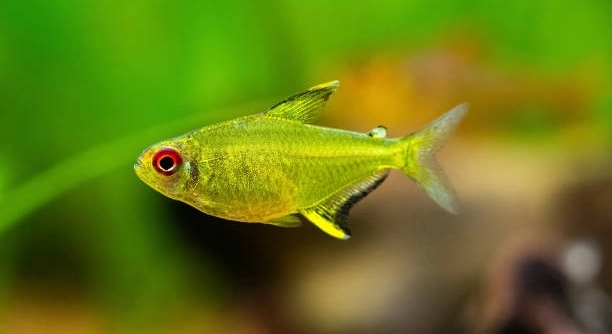
Lemon tetras are small, brightly colored freshwater fish often found in community aquariums. Many aquarium owners notice that these fish often hover in one spot instead of swimming actively around the tank. This behavior can seem unusual at first glance.
Lemon tetras hover instead of swimming due to a combination of buoyancy control and social behavior. Their swim bladders help them maintain a stable position in water, allowing them to conserve energy while interacting with tank mates in a calm manner.
Observing their hovering habits can reveal important insights into their comfort level, tank conditions, and social interactions within the aquarium environment.
Understanding Lemon Tetra Behavior
Lemon tetras are naturally peaceful and tend to hover when they feel secure in their environment. Hovering allows them to monitor their surroundings without using too much energy. This behavior is common in small, schooling fish that rely on group movement for safety. When water conditions are stable and the tank is well-planted, these fish are more likely to stay in one spot for extended periods. They often hover near mid-level or slightly above the substrate, keeping an eye on both their tank mates and potential threats. Observing how they hover can provide insight into their comfort and stress levels. Changes in hovering patterns may indicate that the fish are adjusting to new tank conditions, illness, or changes in the social dynamic of the school. Providing proper water parameters, adequate space, and a consistent routine helps maintain their calm and balanced behavior.
Hovering is not a sign of laziness. It is a natural energy-saving strategy.
The stability of their environment directly influences how often lemon tetras hover. Water temperature, pH, and oxygen levels all play a role in determining whether the fish move actively or maintain a stationary position. Overcrowding or sudden disturbances can cause stress, leading to erratic swimming instead of calm hovering. Similarly, a well-decorated tank with plants and hiding spots encourages natural behavior, making the tetras more confident to hover in place. Their diet also impacts energy levels; well-fed fish hover less frequently because they have more energy for exploration. Observing these patterns allows aquarists to understand the health and comfort of their fish, ensuring they maintain a harmonious aquarium environment.
The Role of Swim Bladders
The swim bladder is essential for controlling buoyancy in lemon tetras.
A properly functioning swim bladder helps the fish stay at a consistent depth without constant swimming. If the bladder is affected by disease or dietary issues, hovering can become irregular. Overfeeding or sudden diet changes may cause temporary buoyancy problems. In such cases, fish may float near the surface or sink to the bottom instead of maintaining a balanced hover. Monitoring feeding habits and water quality can prevent most swim bladder problems, ensuring the tetras continue their natural hovering behavior.
Swim bladders allow lemon tetras to maintain stability in water efficiently. These organs adjust the fish’s buoyancy, letting them hover without expending much energy. When the bladder works correctly, the tetras can stay in one spot while remaining alert and responsive to their surroundings. Problems with the swim bladder can result from stress, bacterial infections, or poor diet, causing floating issues or erratic movements. Aquarists can reduce risks by feeding high-quality, balanced food and avoiding sudden changes in water conditions. Regular observation helps identify early signs of swim bladder problems, allowing timely intervention. By understanding the swim bladder’s role, caretakers can maintain optimal tank conditions, ensuring their lemon tetras remain healthy, active, and comfortable, exhibiting natural hovering behaviors consistently.
Social Behavior and Schooling
Lemon tetras hover to stay close to their school. Remaining near other fish provides safety and reduces stress. Their group behavior encourages synchronized movements and helps them feel secure in the aquarium environment.
Schooling is a natural instinct that impacts hovering. Lemon tetras rely on visual cues from other fish to maintain their position in the water column. When one fish hovers, others often mirror the behavior, creating a calm and cohesive group. Isolation or an insufficient number of tank mates can increase stress, causing more erratic swimming or hiding. Proper group size and stable social dynamics encourage natural hovering behavior. Observing the school can reveal social hierarchies and comfort levels. Fish that hover together typically indicate a healthy, balanced environment with low stress and adequate resources.
Hovering also signals trust within the school. Lemon tetras are more confident when surrounded by familiar companions, allowing them to maintain position with minimal effort.
Tank Environment and Comfort
Plants, decorations, and hiding spots create a safe environment that encourages hovering. Lemon tetras use these elements to feel secure and control their space.
The structure of the tank directly affects how lemon tetras move. A well-planted aquarium with varied hiding spots gives them areas to rest and observe without constant swimming. Open water allows free movement but can stress shy fish if they feel exposed. Lighting also influences behavior; dimmer lighting makes fish more comfortable and encourages hovering near plants or decorations. Regular cleaning, stable temperature, and consistent water parameters contribute to a calm environment where tetras can hover naturally. Even minor changes in the tank setup can temporarily alter hovering patterns as fish adjust.
Water quality and temperature play a major role in comfort. Stable conditions prevent stress and allow fish to exhibit natural behavior. Temperature fluctuations, poor filtration, or high ammonia levels can cause discomfort, leading to excessive swimming, hiding, or erratic behavior. Maintaining consistent parameters supports their health and promotes calm hovering. A balanced environment ensures that the tetras feel safe, confident, and socially connected, which encourages natural schooling and energy-efficient behavior. Regular observation helps monitor comfort levels, allowing timely adjustments to maintain the ideal habitat for hovering and overall well-being.
Energy Conservation
Hovering helps lemon tetras save energy. By staying in one spot, they reduce constant swimming, which is useful in small aquariums.
Energy conservation is vital for small fish. Hovering allows tetras to remain alert and respond to potential threats without expending unnecessary effort. This behavior supports long-term health and endurance.
Feeding and Hovering
Lemon tetras often hover while waiting for food. Staying in one area makes it easier to spot and catch flakes or pellets as they enter the water. Hovering near feeding spots also reduces competition within the school, letting each fish access food more efficiently.
Stress Indicators
Changes in hovering patterns can indicate stress. Fish that suddenly swim erratically or stop hovering may be experiencing discomfort due to water conditions, illness, or social disturbances. Observing these behaviors helps maintain a healthy and balanced aquarium environment.
FAQ
Why do lemon tetras hover instead of swimming constantly?
Lemon tetras hover to save energy and maintain stability in the water. Their swim bladder allows them to control buoyancy, so they can stay in one place without expending unnecessary effort. Hovering also helps them observe their surroundings and remain alert to changes in the tank.
Is hovering a sign of stress or illness?
Not always. Normal hovering is natural behavior for lemon tetras, but sudden changes in how they hover can indicate stress or illness. Causes may include poor water quality, sudden temperature fluctuations, overcrowding, or bullying from other fish. Regular observation helps detect problems early.
Do all lemon tetras hover the same way?
No. Individual fish may vary depending on age, size, and personality. Some hover more frequently near plants, while others stay in open water. Group dynamics also affect hovering, as fish often mirror the movements of their school mates to maintain cohesion and safety.
Does tank size affect hovering?
Yes. Smaller tanks may limit swimming space, so lemon tetras hover more often. Larger, well-planted tanks give fish more room to move, but they will still hover for energy conservation or social interaction. A balanced tank environment ensures natural behavior without causing stress.
How does tank decoration influence hovering?
Plants, rocks, and hiding spots make fish feel secure. Lemon tetras often hover near these areas, using them as vantage points to monitor the tank. Open spaces may stress shy fish, causing less hovering or erratic swimming. Providing varied structures supports comfort and natural behavior.
Can diet affect hovering behavior?
Yes. Well-fed lemon tetras have more energy to swim, but they will still hover to conserve energy. Poor diet or overfeeding can impact buoyancy, sometimes causing temporary floating issues or changes in hovering patterns. Feeding balanced meals helps maintain health and stability.
Is hovering linked to social behavior?
Absolutely. Lemon tetras are schooling fish, and hovering allows them to stay close to the group. This provides safety, reduces stress, and encourages synchronized movement. Isolation or insufficient tank mates can disrupt this behavior, causing stress or unusual swimming patterns.
What should I do if my tetras hover too much?
Excessive hovering can signal problems like poor water quality, illness, or stress. Check water parameters, tank conditions, and social dynamics. Make sure the tank is not overcrowded, the temperature is stable, and the fish are eating properly. Adjustments often restore normal behavior.
How do I know if hovering is normal?
Normal hovering is calm and consistent. Fish should maintain position while remaining alert, occasionally swimming to feed or interact. Erratic, sudden, or unusual hovering may indicate stress, illness, or discomfort. Observing behavior over time helps distinguish natural from problematic patterns.
Can hovering help me monitor fish health?
Yes. Consistent hovering is a good indicator of comfort and health. Changes in position, frequency, or group behavior may signal issues with water quality, diet, or disease. Keeping a routine observation schedule helps identify problems early and maintain a healthy, stable aquarium environment.
Do environmental changes affect hovering?
Even small changes can impact hovering behavior. Altering lighting, rearranging decorations, or adding new tank mates may temporarily disrupt patterns. Lemon tetras may hover more or less until they adjust. Maintaining gradual changes helps fish adapt without stress.
Does temperature influence hovering?
Yes. Stable water temperature keeps fish comfortable. Sudden drops or increases may cause excessive hovering, erratic swimming, or hiding. Maintaining consistent temperature within the ideal range for lemon tetras ensures natural hovering and overall well-being.
How long do lemon tetras typically hover?
It varies depending on the environment and social dynamics. Some may hover most of the day, moving only to feed or interact. Others may swim actively but pause frequently to hover for energy conservation. Observing normal patterns helps determine what is typical for your tank.
Can hovering indicate mating behavior?
Sometimes. During breeding periods, lemon tetras may hover near chosen partners or preferred areas of the tank. This behavior is usually accompanied by other signs, like chasing or displaying brighter colors. Understanding these patterns can help identify natural reproductive behavior.
How do I encourage healthy hovering?
Provide a balanced diet, stable water parameters, adequate space, and a well-structured tank with hiding spots. Maintain proper group size and reduce stressors such as aggressive fish or sudden environmental changes. Healthy hovering reflects a comfortable and stable habitat.
Can hovering affect tank maintenance?
Indirectly. Observing hovering helps identify stressors or water quality issues early. Fish that hover abnormally may signal the need for water changes, temperature adjustments, or tank rearrangement. Monitoring behavior regularly supports a healthier aquarium ecosystem.
Are there any diseases linked to hovering?
Yes. Swim bladder issues, bacterial infections, or parasites can affect buoyancy and hovering. Fish may float at odd angles, sink to the bottom, or struggle to maintain position. Early detection and treatment are essential to prevent long-term health problems.
Is hovering behavior different in other tetra species?
Somewhat. While most small tetras exhibit hovering for energy conservation and social reasons, patterns vary by species, size, and temperament. Observing each species individually helps understand their natural tendencies and tank requirements.
How often should I monitor hovering?
Daily observation is ideal. Watching fish behavior regularly allows you to detect subtle changes in hovering patterns, swimming, or social interactions. Consistent monitoring ensures timely action if stress, illness, or environmental issues arise, keeping the aquarium healthy and balanced.
Does light intensity change hovering patterns?
Yes. Lemon tetras tend to hover near shaded or plant-covered areas when lighting is bright. Dim lighting encourages confidence and natural hovering in mid-water. Gradually adjusting light intensity can help fish adapt without stress, supporting normal behavior.
Can tank mates affect hovering?
Absolutely. Aggressive or fast-moving fish may force tetras to hide or move more, reducing hovering. Peaceful tank mates encourage stable hovering and school cohesion. Choosing compatible species is key to maintaining natural behavior and reducing stress in the aquarium.
Is hovering more common during certain times of the day?
Yes. Lemon tetras may hover more during resting periods or low activity times. Feeding periods or playful interactions may reduce hovering temporarily. Observing daily patterns helps identify what is normal versus signs of stress or illness.
Do juvenile lemon tetras hover differently than adults?
Juveniles often hover closer to shelter and the bottom of the tank, while adults may hover mid-water or near plants. Growth, confidence, and social experience influence how and where tetras hover. Understanding these differences helps provide appropriate tank conditions for all ages.
How can I use hovering to improve tank setup?
Hovering reveals which areas fish feel comfortable in. Fish hovering near certain plants or decorations indicate preferred shelter and swimming zones. Adjusting tank layout based on these observations helps create a safe, balanced, and energy-efficient environment.
Can hovering help detect feeding problems?
Yes. Fish that hover but ignore food may be sick, stressed, or receiving improper diet. Observing hovering behavior during feeding times helps identify appetite issues or feeding competition within the school. Timely adjustments improve nutrition and health.
Does hovering change with aging?
Older lemon tetras may hover more to conserve energy, while younger fish may swim more actively. Observing changes over time ensures that adjustments in tank conditions, diet, or group dynamics support healthy behavior for all ages.
How important is water flow for hovering?
Moderate flow encourages natural hovering and swimming. Strong currents can stress fish, making them avoid certain areas or swim constantly. Gentle water movement helps maintain balance and energy-efficient hovering while providing oxygenation for overall health.
Can hovering indicate compatibility with other fish?
Yes. Fish that hover calmly with tank mates are likely compatible. Aggression or chasing may reduce hovering and increase stress. Monitoring group dynamics ensures peaceful coexistence and natural behavior in the aquarium.
Do lemon tetras ever hover at the surface?
Occasionally. They may hover near the surface to feed or investigate. Prolonged surface hovering, especially gasping, can indicate low oxygen or water quality issues. Regular observation and maintenance prevent problems and support safe hovering behavior.
How long does it take for hovering behavior to normalize after changes?
Adjustment depends on the type of change. Minor rearrangements may take hours, while new tank mates or water parameter shifts may take days or weeks. Patience and stable conditions help lemon tetras regain natural hovering patterns.
Can stress from humans affect hovering?
Yes. Sudden movements, tapping on glass, or frequent disturbances can cause fish to swim more and hover less. Minimizing unnecessary stressors helps maintain normal behavior and comfort within the tank.
How can I tell if hovering is due to feeding vs. comfort?
Hovering for feeding is usually near food sources and short-term, while comfort-based hovering occurs in familiar areas, mid-water or near plants, consistently throughout the day. Observing context helps determine the reason behind the behavior.
Is hovering linked to breeding readiness?
Hovering can indicate readiness to breed, especially near partners or selected areas. It is typically accompanied by chasing, color changes, and other mating behaviors. Recognizing these patterns helps identify natural reproductive activity.
Do water additives affect hovering?
Yes. Chemicals like medications, water conditioners, or supplements can temporarily alter buoyancy and behavior. Observing fish after treatment ensures they maintain normal hovering and remain healthy.
How can I encourage hovering in a new tank?
Provide plants, hiding spots, stable water parameters, and compatible tank mates. Avoid sudden changes in lighting, temperature, or decorations. Gradual acclimation encourages fish to feel safe and hover naturally.
Can hovering behavior indicate aging population needs?
Yes. Older fish may need more resting areas and calmer water. Observing hovering patterns helps adjust tank setup, diet, and social dynamics to support older fish comfortably.
Does seasonal change impact hovering?
Seasonal light or temperature variations can influence activity and hovering. Stable indoor conditions usually prevent significant changes, but minor adaptations in behavior may still occur. Observing patterns ensures fish remain comfortable year-round.
Are there differences in hovering between male and female tetras?
Males may hover near females during mating periods or show brighter colors while stationary. Females may hover more cautiously or near safe zones. Recognizing these differences can help identify sex and behavior patterns.
Does tank noise affect hovering?
Yes. Vibrations or loud disturbances may cause tetras to swim excessively, hide, or stop hovering. Maintaining a calm environment supports natural behavior and reduces stress-related activity.
Can hovering indicate oxygen levels?
Sometimes. Fish hovering near the surface may indicate low oxygen. Normal mid-water hovering usually reflects comfort, while surface behavior may suggest water quality issues requiring immediate attention.
How do I record hovering behavior effectively?
Regular observation at different times, noting location, duration, and interactions with tank mates, helps identify patterns. Video recording or notes can track behavior changes over time and guide tank management decisions.
Is hovering behavior affected by seasonal breeding cycles?
Yes. During breeding periods, hovering may increase near partners or preferred areas. Recognizing these patterns helps understand reproductive activity and supports a balanced tank environment.
Can hovering behavior vary by individual temperament?
Absolutely. Some tetras are naturally more active, while others hover more frequently. Observing each fish individually helps ensure their needs and comfort are met without forcing uniform behavior.
How long should I expect to monitor hovering daily?
Short observation periods of 10–15 minutes, a few times a day, are usually sufficient. Focus on consistency, location, and interactions to detect changes that indicate health or environmental issues.
Does hovering influence interactions with other species?
Yes. Hovering helps tetras stay calm around other fish. Fish that hover calmly signal confidence and reduce stress within a mixed-species aquarium, promoting peaceful interactions.
Can hovering indicate adaptation to a new tank?
Yes. Newly introduced fish may hover more as they acclimate. Over time, as they feel secure, their swimming patterns normalize, and hovering reflects comfort rather than stress.
How does tank depth affect hovering?
Mid-depth areas are preferred for hovering, allowing fish to observe surroundings safely. Shallow or deep extremes may stress fish or reduce natural hovering. Observing preferred zones helps optimize tank setup.
Do tetras hover more in planted vs. bare tanks?
Planted tanks encourage hovering near plants for shelter and comfort. Bare tanks may reduce hovering or increase erratic swimming due to lack of hiding spots. Structured environments support natural energy-saving behavior.
Are there seasonal light changes that affect hovering?
Yes. Gradual light transitions help maintain normal behavior. Abrupt changes can temporarily increase stress, reduce hovering, or cause hiding. Consistent lighting cycles promote comfort and stability in behavior.
Does water hardness influence hovering?
Indirectly. Stable water hardness within species-appropriate ranges ensures comfort. Sudden changes may stress tetras, altering hovering patterns or swimming behavior. Gradual adjustment prevents problems.
Can hovering indicate mood or temperament?
Yes. Calm hovering usually reflects contentment, while frantic or unusual hovering can indicate stress, discomfort, or agitation. Observing behavior over time reveals individual temperament and well-being.
How do I distinguish hovering from resting at the bottom?
Hovering occurs mid-water or near plants, with fish maintaining position while alert. Resting at the bottom is more stationary, with reduced fin movement and alertness. Recognizing this difference helps assess health and energy levels.
Does feeding schedule affect hovering patterns?
Yes. Fish may hover near feeding areas before food is added. Consistent feeding schedules reduce stress, support natural hovering, and promote balanced energy usage throughout the day.
Can hovering indicate compatibility with new tank mates?
Yes. Calm, stable hovering in the presence of new fish shows comfort and compatibility. Stressful or erratic behavior may indicate incompatibility and require adjustments to maintain a peaceful environment.
Does water clarity impact hovering?
Clear water encourages normal hovering, allowing fish to see surroundings and interact with the school. Murky water may cause hesitation, hiding, or erratic swimming, disrupting natural behavior.
Is hovering influenced by daily activity cycles?
Yes. Fish may hover more during resting periods and swim actively during feeding or interaction times. Observing daily cycles helps identify normal behavior versus signs of stress or illness.
Can hovering reveal social hierarchy?
Yes. Dominant fish may hover confidently in preferred areas, while subordinate fish may hover near shelter or behind others. Observing these patterns helps understand social dynamics within the school.
Does tank temperature stability affect hovering?
Absolutely. Stable temperature supports normal behavior. Fluctuations may cause erratic swimming, reduced hovering, or hiding. Maintaining consistent conditions ensures comfort and health.
How do I prevent hovering-related health issues?
Provide stable water parameters, balanced diet, adequate space, compatible tank mates, and structured environment. Regular observation ensures natural hovering, alertness, and overall well-being.
Can hovering indicate readiness for breeding?
Yes. Fish may hover near chosen partners or preferred areas before mating. Additional signs include chasing, color display, and increased activity around specific spots. Recognizing this behavior supports successful breeding.
How do I know if hovering is excessive?
Excessive hovering is when fish stay stationary for unusually long periods without feeding, interacting, or responding to surroundings. This may indicate stress, poor water quality, or health issues requiring attention.
Does hovering vary between day and night?
Yes. Tetras often hover more during resting periods at night or when lights are dimmed. Daytime activity, especially during feeding, may reduce hovering temporarily. Observing these patterns helps distinguish normal behavior from problems.
Can hovering predict swimming patterns in new tanks?
Yes. Initial hovering shows fish assessing the environment. Over time, normal swimming resumes as comfort and security increase, providing insight into tank adaptation and social dynamics.
Is hovering linked to oxygen concentration?
Partially. Normal hovering occurs mid-water, while fish hovering near the surface may indicate low oxygen. Regular water maintenance ensures proper oxygenation and natural behavior.
How do tank water changes affect hovering?
Significant water changes can temporarily stress fish, altering hovering patterns. Gradual changes help maintain stability, supporting calm and natural behavior.
Can hovering be a sign of contentment?
Yes. Calm, consistent hovering indicates comfort, security, and low stress, reflecting a healthy environment and stable social interactions within the school.
Does hovering differ between single and group housing?
Yes. Schooling encourages hovering for cohesion and safety. Isolated fish may hover less confidently or exhibit stress behaviors, highlighting the importance of proper group size.
How can I improve hovering behavior naturally?
Provide stable water, structured tank layout, balanced diet, compatible tank mates, and consistent light cycles. Observing fish regularly ensures comfort and encourages natural hovering.
Does feeding type influence hovering?
Yes. Pellet or flake food encourages hovering near feeding areas. Live or frozen food may prompt more active swimming but does not eliminate natural hovering. Consistency supports energy balance.
Can hovering indicate disease before other symptoms?
Yes. Changes in hovering, such as unusual positions, floating, or sinking, can be early signs of swim bladder issues or illness. Early detection allows prompt intervention.
How long do tetras hover normally during the day?
It varies. Most hover intermittently between feeding, exploring, and interacting with the school. Observing patterns helps identify what is typical for your tank.
Does water current affect hovering consistency?
Yes. Moderate flow supports energy-efficient hovering, while strong currents may force constant swimming. Adjusting flow ensures natural behavior.
Can hovering predict aggression levels?
Calm hovering usually indicates low aggression. Rapid movements, chasing, or erratic hovering may reflect conflict within the school or with other species.
How does tank temperature range influence hovering?
Maintaining species-appropriate temperatures supports energy-efficient hovering. Deviations may increase stress, reduce resting behavior, or cause erratic swimming.
Are there seasonal influences on hovering behavior?
Minor seasonal changes, like daylight length or temperature fluctuations, may slightly alter activity, but stable indoor conditions usually prevent major differences.
Does hovering reflect fish personality?
Yes. Some fish are naturally more cautious and hover often, while others explore more actively. Recognizing individual tendencies helps tailor care and tank setup.
How important is tank stability for hovering?
Very. Stable water, lighting, and environment encourage natural hovering, reduce stress, and support social cohesion, health, and comfort in lemon tetras.
Can hovering be used to monitor tank health?
Yes. Regular observation of hovering behavior helps detect water quality issues, stress, or social problems early, allowing timely intervention to maintain a balanced, healthy aquarium.
How does schooling influence hovering location?
Fish often hover near the center of the school or in safe areas within plants or decorations. This provides security and reduces energy expenditure, supporting natural behavior.
Does hovering affect feeding competition?
Yes. Fish that hover near food may gain an advantage. Observing patterns helps ensure all fish get adequate nutrition and reduces stress during feeding times.
**Can
Lemon tetras are small, peaceful fish that exhibit hovering behavior as a natural part of their daily routine. Hovering allows them to maintain a stable position in the water while conserving energy. This behavior is supported by their swim bladder, which helps control buoyancy and allows them to stay in one spot without constant swimming. Hovering also provides an opportunity for the fish to observe their surroundings, including other tank mates and any potential changes in the environment. For aquarists, understanding this behavior can help ensure that their tetras remain healthy and comfortable. Observing how and where lemon tetras hover offers insight into their overall well-being and their level of comfort within the tank. Stable water conditions, proper lighting, and a balanced diet all support natural hovering behavior.
Hovering is also closely linked to social and environmental factors. Lemon tetras are schooling fish, and their tendency to hover near one another provides a sense of safety and cohesion. In a group, fish often mirror each other’s behavior, creating a calm and synchronized school. Proper group size and social dynamics are essential for maintaining this natural behavior. Tank setup also plays a key role in comfort levels. Well-planted aquariums with hiding spots and areas for observation encourage lemon tetras to hover confidently. Open or poorly decorated tanks may lead to stress and less frequent hovering. Monitoring the fish’s interactions with their environment helps identify areas of the tank they prefer and allows adjustments that support natural behavior. This includes checking water parameters, maintaining a consistent feeding schedule, and observing how the tetras respond to tank mates.
Finally, hovering serves as a useful indicator of overall health. Consistent, calm hovering generally reflects a comfortable, low-stress environment. Changes in hovering patterns, such as unusual positions, erratic movement, or extended time at the surface or bottom, may signal stress, illness, or issues with water quality. Observing these behaviors regularly can help aquarists address problems early, whether that involves adjusting tank conditions, improving diet, or separating aggressive tank mates. Hovering is not just a behavior to watch for entertainment; it provides valuable insight into the health, comfort, and social interactions of lemon tetras. By understanding and supporting this behavior, aquarists can create a stable, balanced, and enjoyable environment where their fish thrive. This knowledge allows caretakers to respond effectively to potential issues and maintain a healthy, harmonious aquarium that encourages natural energy-efficient behavior.

Hello,
If you enjoy the content that we create, please consider saying a "Thank You!" by leaving a tip.
Every little bit helps us continue crafting quality advice that supports the health, happiness, and well-being of pets around the world, for pets of all shapes, sizes, and species.
We really appreciate the kindness and support that you show us!