Can Lemon Tetra Eat Flakes Every Day?

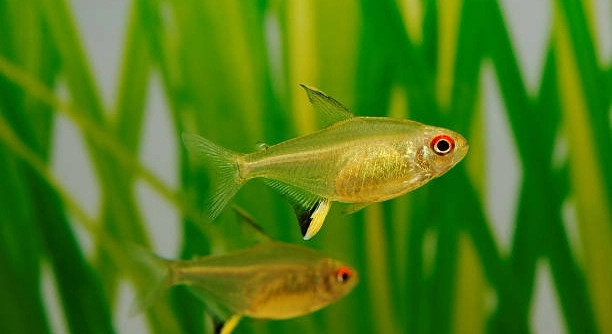
Do you ever find yourself arranging your aquarium and thinking about the perfect diet for your lemon tetras? These small, colorful fish bring life to any tank, and feeding them properly helps them stay healthy and active every day. Lemon tetras can eat flakes daily, but it is important to provide a balanced diet that … Read more
7 Signs Your Lemon Tetra Tank Is Overcrowded

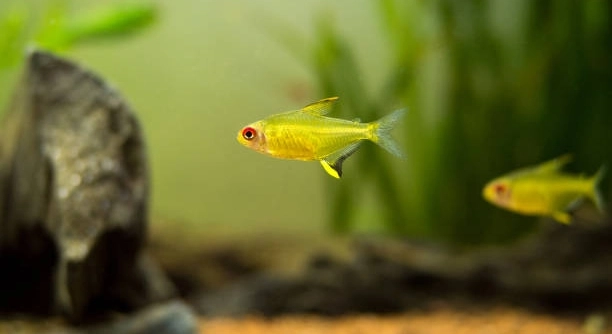
Do you ever notice your lemon tetras swimming frantically or hiding too often in their tank? Observing their behavior closely can reveal subtle changes that hint at stress and discomfort in their environment. Overcrowding in a lemon tetra tank occurs when there are too many fish for the available space, leading to increased waste, reduced … Read more

Can Lemon Tetra Become Food Aggressive?

Lemon tetras are small, peaceful fish that brighten up any freshwater aquarium. Many hobbyists enjoy watching their playful movements and colorful bodies. Feeding time can be fun, but it sometimes reveals unexpected behavior. Lemon tetras can occasionally show food aggression, especially when kept in small groups or underfed. Competition for limited food can trigger chasing … Read more

Why Are My Lemon Tetra Ignoring Each Other?

Are your lemon tetras swimming in the same tank yet avoiding each other completely? It can be puzzling to watch these usually social fish drift apart, ignoring the presence of their tank mates without any visible conflict. Lemon tetras may ignore each other due to stress, improper tank conditions, or insufficient schooling numbers. Environmental factors, … Read more

7 Substrates That Work Well With Lemon Tetra

Lemon tetras are small, vibrant fish that bring life to any freshwater aquarium. Choosing the right substrate is important to support their health and create a comfortable environment for them to thrive. Selecting appropriate substrates for lemon tetras involves considering factors such as water chemistry, ease of maintenance, and natural aesthetics. Soft, fine-grained options like … Read more

How to Tell If Your Lemon Tetra Is Sick

Lemon tetras are small, bright fish that bring life to any aquarium. Watching them swim is relaxing, but sometimes their behavior or appearance changes, hinting that something might not be right in their environment. Identifying illness in lemon tetras involves observing physical symptoms and behavioral changes. Signs such as faded colors, clamped fins, labored breathing, … Read more

7 Easy Tank Layout Ideas for Lemon Tetra

Setting up a tank for lemon tetras can feel overwhelming at first. These small, bright fish need a space that is both comfortable and visually appealing. A well-planned tank enhances their health and natural behavior. The easiest way to design a tank for lemon tetras is by combining live plants, hiding spots, and open swimming … Read more

Do Lemon Tetra Like to Be Hand-Fed?

Lemon tetras are small, bright fish that brighten any freshwater aquarium. Many aquarium owners enjoy observing their active movements and vibrant colors as they swim through planted tanks with ease and grace. Lemon tetras can learn to accept food from their owners, showing some comfort with hand-feeding. Consistent, gentle offering of food may encourage them … Read more

7 Factors That Influence Arowana Swimming Style

Arowanas are elegant freshwater fish admired for their gliding movements and shimmering scales. Their swimming style can vary widely depending on several environmental and biological factors, which may subtly influence their daily behavior and overall well-being. Arowana swimming style is primarily influenced by water quality, tank size, diet, age, health, stress levels, and social interactions. … Read more

Why Is My Lemon Tetra Constantly Hiding?

Is your lemon tetra constantly hiding in the corners of the tank, avoiding light and interaction? Observing this behavior can be worrying for any aquarist, especially when you are committed to keeping your fish happy and healthy. A lemon tetra’s tendency to hide frequently is usually linked to stress, poor water conditions, or inadequate tank … Read more