
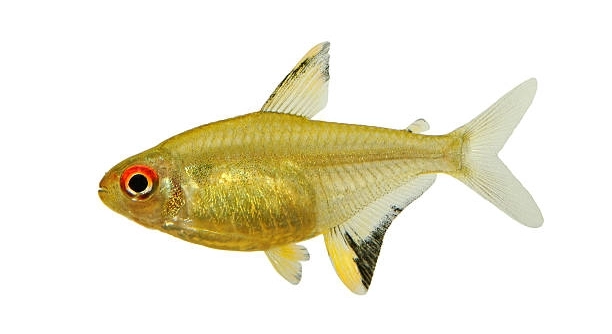
Lemon tetras are small, vibrant fish that bring life to any freshwater aquarium. Choosing the right substrate is important to support their health and create a comfortable environment for them to thrive.
Selecting appropriate substrates for lemon tetras involves considering factors such as water chemistry, ease of maintenance, and natural aesthetics. Soft, fine-grained options like sand or nutrient-rich soils help maintain stable pH levels and mimic their natural habitat.
Knowing which substrates support their wellbeing will enhance your aquarium’s overall balance and the tetras’ long-term health and happiness.
Fine Sand
Fine sand is one of the best substrates for lemon tetras. Its smooth texture prevents injuries to their delicate fins and allows the fish to explore the bottom safely. Sand also encourages natural behavior like foraging, which helps reduce stress and keeps the tetras active. Unlike gravel, fine sand does not trap debris as much, making cleaning easier. When rinsed thoroughly before adding to the aquarium, it creates a healthy environment for beneficial bacteria to grow. Over time, these bacteria help break down waste and maintain water quality. Sand also mimics the natural rivers and streams where lemon tetras originate, providing a familiar and comfortable setting. Aquatic plants thrive well in sand, as roots can anchor easily, allowing the tank to look more natural. Choosing sand as a substrate contributes to the overall stability of the aquarium’s ecosystem while keeping the fish happy and healthy.
Fine sand supports lemon tetras by being gentle, safe, and easy to maintain, while promoting natural behaviors in the tank environment.
Sand can also be combined with other substrates like nutrient-rich soil to create areas suitable for plant growth. This combination adds depth to the tank’s layout, giving tetras hiding spots and swimming zones. By layering sand with soil, it is possible to maintain proper water chemistry while enhancing the visual appeal of the aquarium. Plants rooted in sand and soil help absorb excess nutrients, reducing algae growth. This setup provides a balanced, natural-looking habitat that encourages active and healthy behavior. Lemon tetras feel secure with places to explore and rest, which improves their overall wellbeing and reduces stress-related health issues over time. The result is an aquarium that is both functional and visually pleasing, supporting the needs of the fish and the plants simultaneously.
Gravel
Gravel is another option that works well for lemon tetras, especially in tanks without live plants. Its varied texture adds visual interest and creates natural hiding spots.
Gravel provides stability in water chemistry and is easier to clean than fine substrates if done regularly.
Using gravel requires careful selection to avoid sharp edges that could harm the tetras. Rounded river gravel is ideal because it reduces the risk of injuries while maintaining water flow. Gravel allows for better circulation around plant roots if live plants are used. It also creates pockets where beneficial bacteria can colonize, aiding in biological filtration. Layering gravel with sand in certain areas can balance aesthetic appeal and functionality. However, unlike sand, gravel does not support delicate root systems as effectively, so plant choices may be limited to species that can anchor in gravel or grow in floating conditions. Regular vacuuming of the gravel keeps debris under control and maintains healthy water conditions for lemon tetras. This makes gravel a practical and visually versatile option for a thriving tank.
Aquarium Soil
Aquarium soil is nutrient-rich and supports plant growth effectively. It helps maintain stable water parameters, which is beneficial for lemon tetras, and encourages natural behaviors like exploring and foraging.
Soil substrates are excellent for planted tanks, as they release nutrients gradually, allowing plants to grow strong roots. This creates a more natural environment, improves water quality, and helps maintain slightly acidic pH levels that lemon tetras prefer. Unlike inert substrates, soil actively contributes to the aquarium ecosystem. Rooted plants provide shelter and hiding spots, making tetras feel secure and reducing stress. Additionally, the texture of aquarium soil is gentle on their delicate fins. Soil also absorbs waste and excess nutrients, which limits algae growth and keeps the tank cleaner. This combination of benefits makes soil one of the most functional substrates for freshwater aquariums housing lemon tetras.
When combined with a thin layer of sand or fine gravel, soil provides both stability and aesthetic appeal. This layering prevents soil from clouding the water while still supporting plant health. It also creates natural gradients that tetras can swim through, adding dimension to the tank. By carefully choosing the right soil type, it’s possible to balance nutrient availability, plant support, and water clarity, ensuring a stable and visually appealing environment. Lemon tetras thrive in this setup, displaying natural behaviors and maintaining good health over time.
Peat
Peat helps soften water and slightly lowers pH, creating conditions that mimic the tetras’ natural habitat. Its porous structure encourages beneficial bacterial growth.
Adding peat to the substrate or filter can help stabilize water chemistry and create a mildly acidic environment. Lemon tetras are sensitive to pH fluctuations, and peat can prevent sudden changes.
Peat also releases tannins, giving the water a natural tint that reduces stress for tetras. It can be combined with sand or fine gravel to create an effective substrate layer. While it decomposes slowly, it contributes to a healthy ecosystem by providing organic material for bacteria and plants. Peat can be a natural method to improve water softness while enhancing the overall look of the tank. Its presence encourages natural behaviors and makes tetras feel more comfortable in the aquarium.
Crushed Coral
Crushed coral can raise water hardness and slightly increase pH, which may benefit tanks with soft water issues. It is porous, allowing beneficial bacteria to colonize and improve biological filtration.
It also adds texture and visual interest to the aquarium floor. Crushed coral is long-lasting and doesn’t break down quickly, making it low maintenance.
Marbles
Marbles are smooth and prevent injuries to lemon tetras while adding decorative appeal. They create natural hiding spots between gaps.
Gravel Mixed With Soil
Combining gravel with soil offers both stability and nutrient support for plants. Gravel prevents soil from clouding the water while providing structure, and the soil layer underneath releases nutrients gradually. This setup supports rooted plants, encourages natural behaviors like foraging, and helps maintain consistent water parameters, which are important for lemon tetras’ health. Layering these substrates also allows for better aquascaping and depth, giving the tank a more natural look. Lemon tetras use the spaces between gravel and soil to explore safely. This combination balances aesthetics, plant growth, and fish wellbeing, creating a functional and visually appealing aquarium environment.
Lava Rock
Lava rock is porous, allowing beneficial bacteria to thrive and aiding in biological filtration. Its rough texture also adds hiding spots for lemon tetras.
FAQ
What is the best substrate for lemon tetras?
The best substrate for lemon tetras is one that mimics their natural environment and is gentle on their delicate fins. Fine sand and aquarium soil are often preferred because they support natural behaviors, maintain stable water parameters, and allow plants to root properly. Both options create a comfortable, safe habitat while promoting healthy activity.
Can lemon tetras live with gravel?
Yes, lemon tetras can live with gravel as long as it is smooth and rounded. Sharp or coarse gravel can injure their fins, so it’s important to choose pieces that are gentle. Gravel is also easy to clean and allows for good water flow, but it doesn’t support delicate plant roots as effectively as sand or soil.
Is sand better than soil for planted tanks?
Sand provides a soft and safe substrate for fish, but it lacks nutrients for plant growth. Soil is better for planted tanks because it releases nutrients gradually, helping plants thrive. A thin layer of sand over soil can combine the benefits of both, protecting fish while supporting plant health.
How does peat affect water for lemon tetras?
Peat softens water and slightly lowers pH, creating conditions similar to their natural habitat. It releases tannins, which give the water a light brown tint, reducing stress and making the fish feel more secure. Peat can be added to the substrate or filter and works best when combined with sand or soil.
Can crushed coral be used for lemon tetras?
Crushed coral can be used cautiously, primarily in tanks where water is too soft or pH is too low. It raises hardness and slightly increases pH, which may help stabilize water conditions. However, it is not ideal for tanks requiring acidic conditions, as lemon tetras prefer slightly soft and acidic water.
Do lava rocks affect water chemistry?
Lava rocks are mostly inert and do not drastically change water chemistry. Their main benefit is their porous structure, which provides surface area for beneficial bacteria to colonize. This helps with biological filtration, keeps water clean, and offers hiding spots for fish, making it a useful substrate addition.
Can substrates be mixed in a tank?
Yes, mixing substrates is common to achieve both aesthetic and functional benefits. For example, layering gravel over soil prevents clouding while supporting plant roots. Sand can be added over soil for softness, and combining different materials can create hiding spots and varied textures that encourage natural fish behaviors.
How do substrates impact water quality?
Substrates affect water quality by influencing pH, hardness, and bacterial growth. Soil and peat can help maintain slightly acidic conditions, while crushed coral raises hardness and pH. Porous materials like lava rock and gravel provide surfaces for beneficial bacteria, aiding in waste breakdown and keeping the tank stable and healthy for lemon tetras.
Do substrates need regular maintenance?
Yes, substrates require cleaning to prevent waste buildup and maintain water quality. Sand and soil are usually low-maintenance but may need gentle stirring to remove debris. Gravel can be vacuumed regularly. Regular maintenance ensures that the tank remains healthy and visually appealing while supporting both fish and plant growth.
Can lemon tetras adapt to any substrate?
Lemon tetras are adaptable but thrive best in environments that resemble their natural habitat. Soft, fine substrates like sand or nutrient-rich soil are ideal. While they can survive with gravel or rocks, providing a gentle and plant-friendly substrate helps them exhibit natural behaviors, reduces stress, and promotes long-term health.
Choosing the right substrate for lemon tetras is an important step in creating a healthy and balanced aquarium. Each type of substrate offers unique benefits, and understanding these can help you make a better choice for your tank. Fine sand is gentle on the fish and encourages natural behaviors, while soil supports plant growth and helps maintain stable water conditions. Gravel provides structure and easy maintenance but is less suitable for delicate plant roots. Peat and crushed coral allow for adjustments in water chemistry, while lava rock offers surfaces for beneficial bacteria. Knowing the strengths of each substrate makes it easier to select one that meets the needs of both fish and plants, creating a comfortable and functional environment.
It is also important to consider how substrates work together. Many aquarists layer different materials to achieve both aesthetic appeal and functionality. For example, placing a thin layer of sand over soil prevents clouding while allowing plant roots to take hold. Combining gravel with soil can provide natural hiding spots for tetras while maintaining nutrient-rich layers for plants. Peat or lava rock can be added to improve water conditions and support bacterial growth. This layered approach ensures that lemon tetras have a secure and natural habitat, while plants remain healthy and water quality stays consistent. By paying attention to these details, you can create a tank that looks natural, functions well, and supports long-term fish health.
Finally, maintenance and monitoring are key to keeping a substrate effective. Regular cleaning helps prevent debris buildup and keeps water parameters stable. Observing how lemon tetras interact with the substrate provides insight into their comfort and wellbeing. Some substrates may require more frequent attention, while others, like lava rock or gravel, are low-maintenance and long-lasting. Adjustments over time may be necessary as plants grow or fish habits change. Ultimately, selecting the right substrate, layering materials thoughtfully, and maintaining the tank carefully will create an environment where lemon tetras can thrive. The result is a healthy, balanced aquarium that meets the needs of both the fish and the plants, providing a visually appealing and sustainable habitat.

Hello,
If you enjoy the content that we create, please consider saying a "Thank You!" by leaving a tip.
Every little bit helps us continue crafting quality advice that supports the health, happiness, and well-being of pets around the world, for pets of all shapes, sizes, and species.
We really appreciate the kindness and support that you show us!