
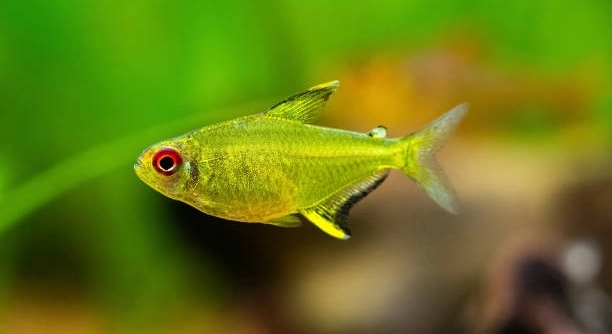
Lemon tetras are small, bright fish that bring life to any aquarium. Watching them swim is relaxing, but sometimes their behavior or appearance changes, hinting that something might not be right in their environment.
Identifying illness in lemon tetras involves observing physical symptoms and behavioral changes. Signs such as faded colors, clamped fins, labored breathing, or lethargy can indicate health problems. Early detection is crucial to prevent disease progression and ensure proper treatment.
Monitoring their habits and environment closely can make a big difference in maintaining their health and happiness in your tank.
Common Signs of Illness in Lemon Tetras
When my lemon tetras started acting differently, I noticed small changes that seemed unimportant at first. They swam less energetically and often stayed near the bottom of the tank. Their normally bright yellow color began to fade, and some had clamped fins that never fully opened. I also observed unusual spots on their bodies that weren’t there before. Breathing patterns changed as well; some fish seemed to gasp near the water surface, which was worrying. Appetite shifts were another sign—fish that usually ate eagerly now ignored food or ate very slowly. Behavioral changes like hiding more often or avoiding their usual swimming routes also stood out. Even minor shifts in movement or activity can indicate that a fish is struggling with health problems. Watching closely over several days helped me realize that these weren’t temporary changes but signals that something was wrong. Immediate attention was necessary to prevent worsening of their condition.
Faded color, clamped fins, and unusual spots are strong indicators that lemon tetras may be sick and require attention.
It’s easy to underestimate these subtle signs, but paying attention to small changes helps prevent serious illness. Regular observation and quick response ensure fish stay healthy and active, creating a safer tank environment.
Causes of Illness in Lemon Tetras
Water quality problems are a common reason lemon tetras get sick. Poor filtration or irregular water changes can lead to ammonia or nitrite buildup, stressing the fish.
Illness in lemon tetras often arises from water quality, diet, or stress. Poor water conditions such as high ammonia, nitrites, or nitrates weaken their immune system, making them vulnerable to infection. Sudden temperature changes can also shock them, slowing their metabolism and increasing susceptibility to disease. Overcrowding or incompatible tank mates causes constant stress, which manifests as unusual behavior and weakened health. Inadequate nutrition further lowers their resistance to illness. Parasites or bacterial infections may develop in tanks that are not cleaned regularly, leading to visible signs like spots, frayed fins, or lethargy. Even subtle environmental issues, such as strong currents or insufficient hiding spots, can contribute to stress and illness. Maintaining stable water parameters, feeding a balanced diet, and providing a calm environment are essential preventive measures. Timely identification and intervention can save lives and improve overall tank health, ensuring lemon tetras remain vibrant and active.
Treating Sick Lemon Tetras
Immediate action is essential when lemon tetras show signs of illness. Separating affected fish into a quarantine tank prevents spreading disease to healthy tank mates.
Treating sick lemon tetras often starts with correcting their environment. Clean the main tank thoroughly, check water parameters, and perform partial water changes. In the quarantine tank, maintain stable temperature and clean water. Adding aquarium salt or using medication designed for tropical fish can help combat bacterial or parasitic infections. Observing feeding habits during treatment is important; sick fish may eat less, so offering small, high-quality portions can ensure they get enough nutrition. Avoid overcrowding in both tanks, as stress delays recovery.
Medication should be carefully dosed according to the instructions. Overuse or incorrect treatment can harm delicate fish. Monitor behavior and physical condition daily, adjusting care as needed. Recovery may take days to weeks, but consistent attention increases the chances of restoring health and vitality.
Preventing Future Illness
Proper tank maintenance is key to preventing disease. Regular water changes and monitoring keep conditions stable.
Consistent observation and preventive care significantly reduce illness risk in lemon tetras. Keep water temperature and pH levels steady, and avoid sudden environmental changes. Feed a balanced diet and avoid overfeeding, as leftover food can pollute water. Maintain filtration systems and remove debris to prevent harmful chemical buildup. Introduce new fish gradually and quarantine them to avoid introducing infections. Stress reduction through adequate hiding spots and appropriate tank mates also strengthens immunity. Prevention ensures lemon tetras remain active, colorful, and healthy over the long term.
Common Behavioral Changes
Lemon tetras may hide more often or swim erratically when sick. They might stay near the bottom or float near the surface, showing unusual activity compared to their normal behavior.
Reduced appetite is another common sign. Fish that usually eat quickly may ignore food or nibble slowly, indicating stress or illness that needs attention.
Monitoring Water Quality
Maintaining stable water parameters is crucial for healthy lemon tetras. Regular testing for ammonia, nitrites, nitrates, and pH ensures the tank remains safe. Clean filters and consistent partial water changes help prevent harmful buildup, reducing the risk of disease.
Feeding Adjustments
Offering small, high-quality portions can encourage eating during illness. Overfeeding should be avoided, as leftover food can worsen water conditions and stress sick fish.
FAQ
How can I tell if my lemon tetra is stressed or sick?
Stress and illness can appear similar, but careful observation helps distinguish them. Signs of stress include clamped fins, hiding more than usual, and erratic swimming. Sick fish often show physical changes like faded colors, spots, frayed fins, or swelling. Reduced appetite is common in both cases. Tracking behavior and physical condition daily can help identify patterns. Changes in water quality, overcrowding, or aggressive tank mates can cause stress, while bacterial, parasitic, or fungal infections usually cause sickness. Separating a fish into a quarantine tank and monitoring for improvement is often the most effective way to determine the cause.
What should I do first if I notice signs of illness?
Immediate action involves checking water parameters and isolating the affected fish if necessary. Partial water changes and cleaning the tank reduce harmful chemicals and toxins. Using a quarantine tank prevents disease from spreading. Observe the fish for specific symptoms, like spots, clamped fins, or unusual breathing, to determine the best treatment. Offering small portions of high-quality food helps maintain strength. Adjusting temperature and maintaining stable water conditions are also important. Depending on the illness, medications like antibiotics, antiparasitic treatments, or aquarium salt may be necessary. Daily monitoring ensures timely response to changes.
Can diet affect my lemon tetra’s health?
Yes, nutrition is a major factor in maintaining health. Feeding a varied diet of high-quality flakes, pellets, and occasional live or frozen foods keeps their immune system strong. Overfeeding can pollute the tank, leading to poor water quality and stress. Undernourished fish are more vulnerable to disease and may show slower recovery when sick. Consistent feeding schedules and portion control are essential. Healthy diet combined with proper environment reduces the likelihood of common illnesses and keeps coloration vibrant. Adjust food type based on the age and size of your fish for best results.
How often should I check my tank’s water quality?
Water testing should be done at least once a week for ammonia, nitrites, nitrates, and pH. New tanks or tanks with recent changes may need daily testing until conditions stabilize. Filters should be checked regularly, and partial water changes performed to maintain cleanliness. Sudden changes in water chemistry stress fish and make them more prone to illness. Monitoring temperature is equally important, especially in tanks without a heater or in rooms with fluctuating temperatures. Keeping records of water tests helps track trends and identify potential problems before they affect your lemon tetras.
Are there signs that indicate a fish needs immediate medical attention?
Yes, certain signs require prompt action. Severe lethargy, labored breathing, sudden loss of appetite, or visible wounds are urgent. Rapidly worsening symptoms like swelling, severe clamping of fins, or white spots covering the body may indicate serious infection. Immediate isolation in a quarantine tank and water parameter checks are necessary. Administering appropriate medication based on symptoms can prevent death. Observing behavior and physical changes every few hours helps ensure timely intervention. Quick response often makes the difference between recovery and permanent damage or loss of the fish.
How long does it take for a lemon tetra to recover?
Recovery depends on the illness, treatment, and water conditions. Minor stress or early infections may resolve within a few days. More serious bacterial, parasitic, or fungal infections can take weeks. Consistent water quality, proper nutrition, and careful observation speed recovery. Avoid moving the fish between tanks unnecessarily. Daily monitoring of behavior, appetite, and physical appearance ensures treatment effectiveness. Adjusting temperature and maintaining calm, low-stress conditions helps the immune system recover. Recovery can be gradual, and patience is required to ensure full restoration of health and vibrant coloration.
Can I prevent illness entirely in my tank?
While no tank is completely risk-free, illness can be minimized with proper care. Stable water parameters, regular cleaning, and balanced diet reduce most common diseases. Avoid overcrowding and aggressive tank mates. Quarantine new fish for at least two weeks before introducing them to the main tank. Observing daily behavior allows early detection of stress or infection. Providing hiding spots and gentle currents lowers stress levels. Prevention through proper maintenance and careful monitoring is far more effective than treating illness after it appears. Healthy habits keep lemon tetras active, colorful, and less susceptible to disease.
Is it safe to medicate the whole tank?
Medicating the entire tank should be done cautiously. Many treatments affect beneficial bacteria in filters or sensitive fish. Isolating sick fish in a quarantine tank is safer and prevents healthy fish from being exposed unnecessarily. If whole-tank treatment is unavoidable, carefully follow instructions for dosage and duration. Monitor water quality closely, as some medications can alter pH or other chemical levels. Removing activated carbon from filters during treatment improves effectiveness. After treatment, performing a partial water change and returning filter media restores balance. Overmedicating can worsen health issues rather than resolve them.
What role does tank environment play in preventing sickness?
A well-maintained environment supports immune health and reduces disease risk. Stable temperature, clean water, sufficient hiding spots, and compatible tank mates prevent stress-related illnesses. Strong filtration and regular partial water changes maintain chemical balance and remove debris. Even small changes, like sudden temperature drops or poor water flow, can weaken immune systems. Observing daily behavior helps catch subtle signs of discomfort early. A calm, stable environment allows lemon tetras to thrive, stay colorful, and resist infections more effectively.
Can lemon tetras recover from severe infections?
Recovery from severe infections is possible but requires careful attention. Isolate affected fish, correct water parameters, and provide appropriate medication. Maintain clean, stress-free conditions and feed small, nutritious portions. Recovery may take weeks, and not all fish fully regain color or energy immediately. Consistent care and observation improve outcomes.
Final Thoughts
Taking care of lemon tetras requires regular observation and consistent maintenance. These small fish may seem hardy, but subtle changes in behavior, color, or appetite can quickly indicate health issues. Paying attention to these signals helps catch problems early, which can make the difference between recovery and serious illness. Over time, I realized that simply watching how they swim or eat each day provides a lot of insight into their well-being. Minor signs, like hiding more often or slower swimming, should never be ignored. Maintaining clean water and stable conditions is essential. Regular water testing, partial water changes, and proper filtration keep ammonia, nitrites, and nitrates at safe levels, reducing stress and illness. Stress is one of the biggest triggers for disease in lemon tetras, so avoiding sudden changes in temperature, light, or tank layout is important. Keeping the tank calm and predictable creates an environment where fish can thrive.
Nutrition also plays a key role in their health. Feeding a balanced diet of flakes, pellets, and occasional live or frozen foods strengthens the immune system and supports vibrant coloration. Overfeeding or leaving uneaten food in the tank can quickly pollute the water and create problems. I found that offering smaller portions more frequently works better than large meals, as it reduces waste and helps maintain water quality. Additionally, quarantine for new fish is essential. Introducing a new fish without isolating it first can spread infections to the entire tank. Observing new additions closely for at least two weeks ensures that any illnesses are caught before they affect other fish. Careful attention to diet, water, and tank mates prevents many common health issues and allows lemon tetras to live longer, more active lives.
Finally, patience and consistency are key when managing a tank. Fish do not always show immediate improvement after treatment or changes in care, so daily observation and gradual adjustments are necessary. Recovery from illness can take time, but steady care, stable conditions, and proper nutrition greatly increase the chances of success. Even small habits, like checking water parameters, cleaning filters, or offering high-quality food, make a big difference in the long-term health of the fish. By understanding their needs and responding promptly to changes, lemon tetras can remain healthy, active, and colorful for years. Maintaining a healthy tank is not just about preventing sickness; it is about creating an environment where the fish feel safe, can swim freely, and display their natural behaviors. Consistent attention and care provide reassurance that each fish is supported, and watching them thrive is rewarding and satisfying.

Hello,
If you enjoy the content that we create, please consider saying a "Thank You!" by leaving a tip.
Every little bit helps us continue crafting quality advice that supports the health, happiness, and well-being of pets around the world, for pets of all shapes, sizes, and species.
We really appreciate the kindness and support that you show us!